
In the contemporary financial landscape, the act of making a payment has evolved from a simple physical exchange into a sophisticated digital process. Whether you are settling a monthly utility bill, purchasing a high-value asset, or sending money to a friend across the globe, the method you choose impacts your liquidity, security, and overall financial health. Understanding the various payment corridors available today is essential for effective personal and business finance management. This guide explores the diverse mechanisms of transferring value, ranging from traditional banking rails to the latest mobile innovations.

Traditional Payment Foundations: Cash, Checks, and Wire Transfers
Despite the surge in digital adoption, traditional payment methods remain integral to the global economy. These methods provide the foundational structure upon which many modern systems are built, offering varying degrees of speed, cost-effectiveness, and legal verification.
The Enduring Role of Physical Currency
Cash remains the most direct form of payment, offering immediate settlement and total anonymity. In the context of personal finance, cash is an invaluable tool for “envelope budgeting,” a practice where physical money is allocated to specific categories to prevent overspending. While the convenience of cards has marginalized cash in retail environments, it remains the primary fallback for localized transactions where digital infrastructure might fail. For a consumer, making a payment in cash ensures no debt is accrued and no transaction fees are passed on from the merchant.
Paper Checks in a Digital World
While many consider paper checks an artifact of the past, they remain a staple in B2B (business-to-business) transactions and specific consumer sectors like real estate and rent. Making a payment via check involves a “pull” mechanism, where the recipient deposits the document, and the funds are eventually pulled from the payer’s account. The primary advantage of a check is the “paper trail”—it provides a physical record of the transaction and a clear memo for accounting purposes. However, checks carry the risk of “bouncing” if funds are insufficient, and they are generally slower to clear than digital alternatives.
Understanding Wire Transfers: SWIFT and Fedwire
When a payment requires high speed and high value, wire transfers are the gold standard. Unlike standard bank transfers, wire transfers are processed in near real-time through secure networks like SWIFT (Society for Worldwide Interbank Financial Telecommunication) for international payments or Fedwire for domestic US transfers. Making a payment via wire is often a requirement for closing on a home or purchasing large machinery. While they offer the highest level of certainty—once a wire is sent, it is generally irreversible—they also come with significant fees, often ranging from $25 to $50 per transaction.
The Digital Revolution: Credit Cards, Debit Cards, and ACH
The middle ground of the payment world is occupied by the “banking rails” that most consumers interact with daily. These digital systems have standardized how we pay for goods and services, offering a balance of security and convenience.
Credit vs. Debit: Choosing the Right Tool
The decision between using a credit card or a debit card is a fundamental question of financial strategy. When you make a payment with a debit card, you are using your own funds held in a checking account. This is ideal for those who wish to avoid debt and interest payments.
Conversely, making a payment with a credit card involves using the issuer’s money with the promise to pay it back. From a financial perspective, credit cards offer superior consumer protection; if a fraudulent charge occurs, you are disputing the bank’s money rather than your own. Additionally, the strategic use of credit cards for payments allows consumers to leverage rewards, cash back, and travel points, effectively reducing the net cost of their purchases, provided the balance is paid in full each month to avoid interest.
The Mechanics of Automated Clearing House (ACH)
ACH payments are the backbone of the American electronic payment system. This method is primarily used for direct deposits and recurring bill payments. When you authorize a utility company to withdraw funds from your bank account every month, you are making an ACH payment. This “batch processing” system is slower than a wire transfer—taking anywhere from one to three business days—but it is significantly cheaper, often costing only cents per transaction. For individuals, setting up ACH payments for fixed expenses is a cornerstone of “passive” personal finance, ensuring bills are paid on time without manual intervention.
Managing Recurring Bill Payments and Subscriptions
The rise of the subscription economy has changed how we view monthly payments. Most modern financial tools allow for “autopay” features. While convenient, this requires active management. To make payments efficiently in this niche, one should use a dedicated credit card for subscriptions to track spending easily and to take advantage of the ability to “freeze” the card or cancel the payment through the bank if the service provider makes cancellation difficult.
The Rise of Peer-to-Peer (P2P) and Mobile Wallets
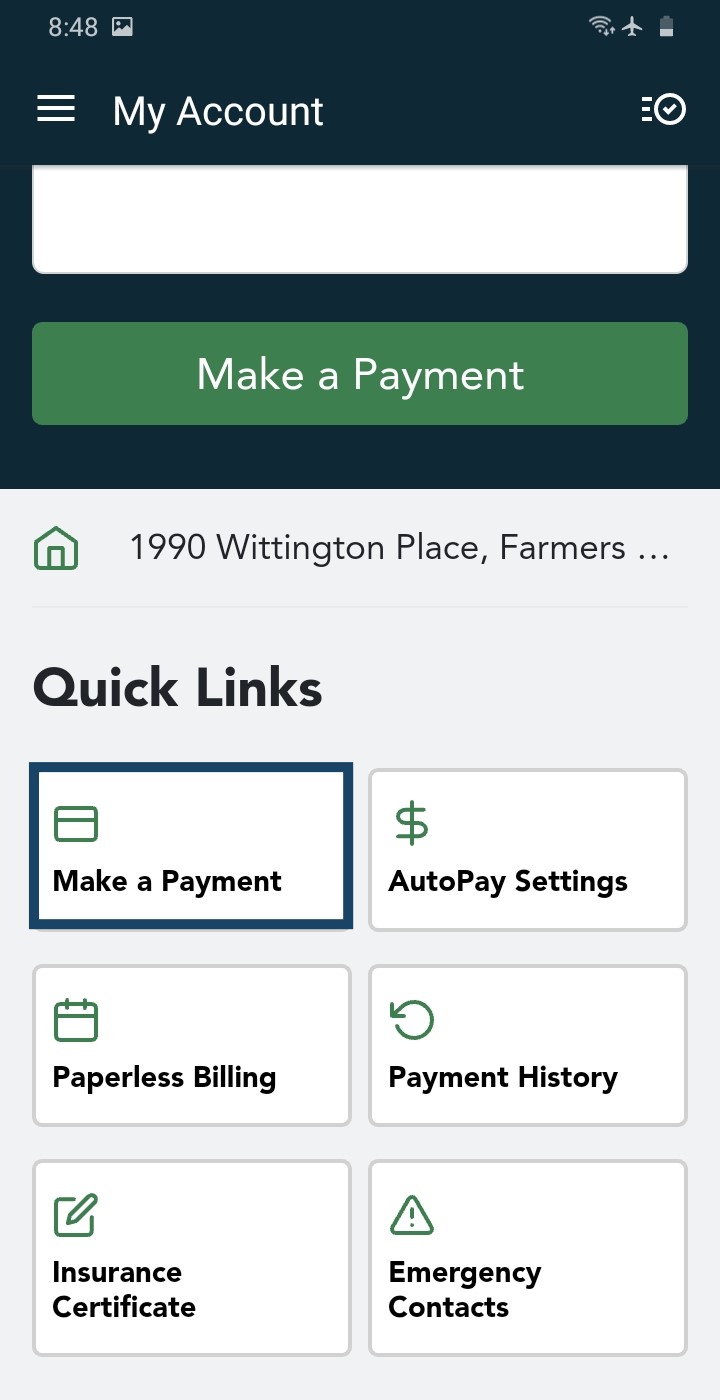
The last decade has seen a paradigm shift toward frictionless, mobile-first payment solutions. These platforms have bypassed traditional banking interfaces to offer a user experience centered around speed and social connectivity.
Consumer-to-Consumer Platforms: Venmo, Zelle, and Cash App
Peer-to-peer (P2P) apps have revolutionized how we split dinner checks or pay for small services. Making a payment through these apps typically involves linking a bank account or debit card.
-
Zelle is integrated directly into many banking apps, offering bank-to-bank transfers that settle in minutes. It is best used for people you know and trust.
-
Venmo and Cash App act more like digital wallets where you can maintain a balance. They are popular for their social feeds and ease of use.
However, consumers should be wary of the lack of “buyer protection” on these platforms. Making a payment to a stranger via a P2P app is often the equivalent of handing over cash; if the goods are never delivered, the funds are difficult to recover.
Contactless Payments and NFC Technology
Near Field Communication (NFC) has enabled the “tap-to-pay” culture. Services like Apple Pay and Google Pay allow users to store their card information on their smartphones or watches. When you make a payment using a mobile wallet, the system uses “tokenization.” Instead of sharing your actual credit card number with the merchant, a one-time-use digital token is generated. This makes mobile wallets one of the most secure ways to pay in a physical retail environment, as your sensitive financial data is never exposed to the point-of-sale terminal.
The Convenience of Integrated Mobile Ecosystems
Beyond just retail, mobile payment ecosystems are expanding into transit, identification, and loyalty programs. In many cities, making a payment for a subway or bus ride is as simple as tapping your phone. This integration simplifies the financial life of the user by centralizing multiple transaction types into a single, biometrically secured device.
International and Business Payments: Managing Global Transactions
As the economy becomes increasingly globalized, both individuals and businesses must navigate the complexities of cross-border currency exchange and international regulations.
Cross-Border Payment Challenges and Solutions
Making a payment to someone in another country involves more than just a transfer of digits; it involves a currency conversion. Traditional banks often charge high markups on the exchange rate (the “spread”). Modern financial tools like Wise or Revolut have disrupted this space by offering the mid-market exchange rate and transparent fees. When making an international payment, it is crucial to compare the total cost—including the exchange rate margin and the flat transfer fee—to ensure you are not losing 3% to 5% of your capital to banking inefficiencies.
Business-to-Business (B2B) Invoicing and Payment Portals
For businesses, making a payment is a matter of accounts payable management. Utilizing payment portals like Bill.com or Melio allows businesses to automate their workflow. These platforms can sync with accounting software like QuickBooks, ensuring that every payment made is automatically categorized and reconciled. This level of automation reduces the risk of human error and provides a real-time view of the company’s cash flow and liabilities.
Cryptocurrency and Stablecoins in the Payment Ecosystem
While still volatile, cryptocurrency—particularly stablecoins pegged to the US Dollar like USDC—is emerging as a tool for international settlements. Making a payment with a stablecoin can happen 24/7, bypassing banking hours and holidays. For businesses operating in regions with unstable local currencies or restrictive banking systems, digital assets provide a high-speed alternative for transferring value across borders, though they require a deeper understanding of digital wallet security and tax reporting requirements.
Security and Best Practices for Financial Transfers
Regardless of the method used, the security of the transaction is paramount. Financial fraud is a multi-billion dollar industry, and the burden of protection often falls on the individual or business making the payment.
Protecting Personal Financial Data
The first line of defense in making any payment is the security of your credentials. This includes using strong, unique passwords for every financial institution and enabling multi-factor authentication (MFA). Biometric security, such as fingerprint or facial recognition on mobile devices, adds an extra layer of protection that is significantly harder to bypass than a standard PIN.
Verification Steps and Fraud Prevention
Before making a payment—especially a large one via wire or ACH—it is essential to verify the recipient’s details. “Business Email Compromise” (BEC) is a common scam where fraudsters impersonate a vendor and request a payment to a new bank account. Always verify payment instruction changes through a secondary, trusted channel, such as a phone call to a known contact.

Dispute Resolution and Payment Protection
Understanding your rights after a payment is made is just as important as the payment itself. Credit card payments offer the strongest dispute rights under the Fair Credit Billing Act, allowing you to “chargeback” a transaction for non-delivery or fraud. Conversely, wire transfers and many P2P transfers offer little to no recourse once the money has left your account. Choosing the right payment method often depends on how much trust you have in the recipient and the level of protection you require for that specific financial exchange.
By mastering these various methods, you can optimize your financial transactions for speed, cost, and security, ensuring that every payment you make serves your broader financial objectives.
aViewFromTheCave is a participant in the Amazon Services LLC Associates Program, an affiliate advertising program designed to provide a means for sites to earn advertising fees by advertising and linking to Amazon.com. Amazon, the Amazon logo, AmazonSupply, and the AmazonSupply logo are trademarks of Amazon.com, Inc. or its affiliates. As an Amazon Associate we earn affiliate commissions from qualifying purchases.