
The world of programming, particularly with Python, is a vast ecosystem of tools and libraries designed to streamline development and unlock incredible possibilities. At the heart of this accessibility lies pip, the de facto package manager for Python. You’ve likely encountered the command pip install countless times if you’ve dipped your toes into Python development. But what exactly does this seemingly simple command orchestrate behind the scenes? It’s more than just a downloader; it’s a crucial component that empowers developers to leverage pre-built solutions, accelerate their projects, and contribute to the vibrant Python community.
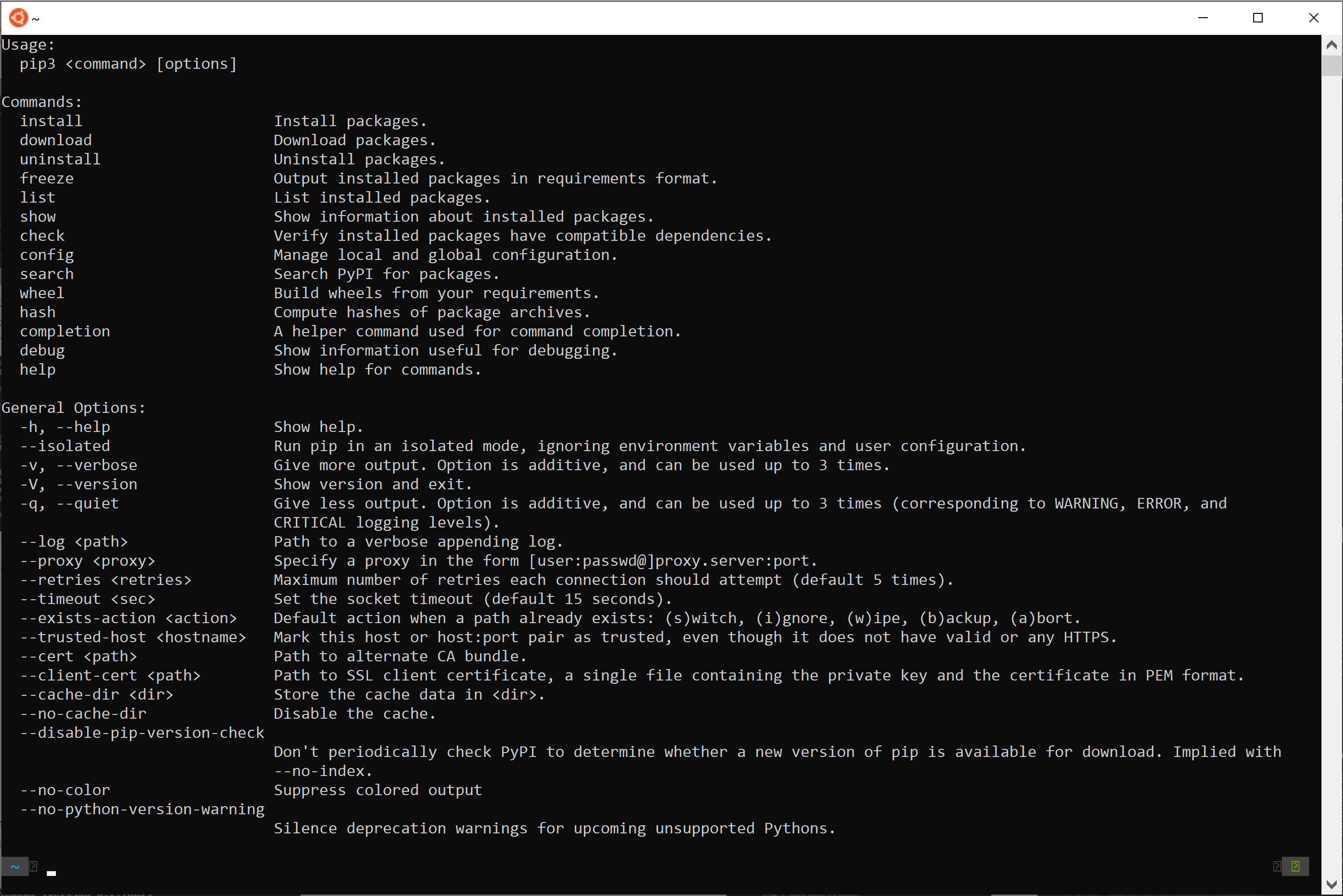
This article will demystify the inner workings of pip install, exploring its fundamental role in the Python landscape. We’ll delve into how it fetches, installs, and manages the myriad of packages available, transforming your Python environment from a bare-bones interpreter into a powerful development workbench. Whether you’re a seasoned developer or just starting your coding journey, understanding pip install is an essential step towards efficient and effective Python programming.
The Foundation: Understanding Python Packages and PyPI
Before we dissect pip install, it’s crucial to grasp the concepts of Python packages and their central repository.
The Power of Pre-Built Code: What are Python Packages?
At its core, a Python package is a collection of modules—essentially, Python files containing code—that together provide specific functionality. Think of them as toolkits for your programming endeavors. Instead of reinventing the wheel for every task, developers can harness the power of existing packages.
For instance, if you need to perform complex mathematical operations, you wouldn’t write your own algorithms from scratch. You’d reach for a package like NumPy. If you’re building a web application, frameworks like Django or Flask provide the structure and tools you need. For data analysis and visualization, Pandas and Matplotlib are indispensable. The Python ecosystem is rich with packages for everything from machine learning and natural language processing to web scraping and game development.
These packages are not just standalone scripts; they are often meticulously crafted, tested, and documented by communities of developers, ensuring reliability and adherence to best practices. This collaborative spirit is a cornerstone of open-source software development and a primary reason for Python’s immense popularity.
The Central Hub: The Python Package Index (PyPI)
Where do all these wonderful packages reside? They are primarily hosted on the Python Package Index (PyPI), often pronounced “pie-pee-eye.” PyPI is the official third-party software repository for Python. It’s a vast online library where developers can upload their packages, making them discoverable and installable by others.
Think of PyPI as the App Store for Python. When you search for a package, you are, in essence, querying this central index. PyPI provides a wealth of information about each package, including its version history, dependencies, documentation links, and licensing details. The sheer volume and diversity of packages available on PyPI are testament to the collaborative nature of the Python community and its ability to address a staggering array of technical challenges.
The Mechanics of pip install: Fetching and Installing
Now, let’s dive into the actual process that pip install initiates. It’s a multi-step operation that ensures you get the correct version of a package and all its necessary components.
Step 1: Resolving the Package Name and Version
When you type pip install package_name, the first thing pip does is consult its internal configuration and network access to locate package_name on PyPI. If you specify a version (e.g., pip install package_name==1.2.3), pip will try to find that exact version. If no version is specified, pip will, by default, fetch the latest stable version available.
This version resolution is critical. Software, especially in the tech world, evolves rapidly. Different versions of packages can have breaking changes, meaning code written for an older version might not work with a newer one, or vice-versa. pip‘s ability to manage and install specific versions prevents compatibility issues and allows for reproducible environments.
Step 2: Downloading the Package Files
Once the target package and its version are identified, pip initiates the download. Packages on PyPI are typically distributed as compressed archives, often in formats like .tar.gz (source distributions) or .whl (wheel files). Wheel files are pre-built distributions that can significantly speed up installation, as they don’t require compilation on your machine.
pip intelligently chooses the most suitable distribution format for your operating system and Python version, prioritizing wheels when available for efficiency. It downloads these files from PyPI’s servers to your local machine.
Step 3: Installing the Package and its Dependencies
This is where the “install” part of pip install truly comes into play. After downloading, pip extracts the package files and places them in the appropriate directory within your Python installation. This directory is usually part of your site-packages folder, which is where Python looks for installed modules.
However, most packages don’t exist in isolation. They often rely on other packages to function correctly – these are known as dependencies. pip is incredibly adept at managing these dependencies. It recursively checks the metadata of the package you’re installing to identify all its required dependencies. If these dependencies are not already installed in your environment, pip will automatically download and install them as well, following the same resolution and installation process.
This dependency management is one of pip‘s most powerful features. It ensures that when you install a complex library, all its underlying components are also brought in, creating a cohesive and functional set of tools for your project.
Handling Conflicts and Version Pinning
What happens if you try to install a package that requires a version of a dependency that conflicts with a version already installed for another package? pip has mechanisms to detect and, in some cases, resolve these conflicts. It will often alert you to the conflict and may suggest solutions.

For critical projects where specific versions of packages are essential for stability and reproducibility, developers often use version pinning. This involves specifying the exact versions of packages required in a requirements.txt file. When you run pip install -r requirements.txt, pip installs precisely those versions, preventing unexpected upgrades that could break your application. This practice is fundamental for deployment and collaboration, ensuring that everyone working on a project uses the same set of tools.
Beyond Installation: Managing Your Python Environment
pip install is just one command in the pip suite. The true power of pip lies in its ability to manage your entire Python environment.
Keeping Packages Up-to-Date
The tech landscape is dynamic, and so are Python packages. New features are added, bugs are fixed, and security vulnerabilities are patched. pip provides commands to help you keep your packages current.
The pip list --outdated command will show you all the packages installed in your environment that have newer versions available on PyPI. You can then use pip install --upgrade package_name to update a specific package to its latest version, or pip install --upgrade -r requirements.txt to upgrade all packages listed in a requirements file.
It’s important to approach upgrades with caution. While updating often brings benefits, it can also introduce breaking changes if not managed carefully. Testing after upgrades is always recommended, especially in production environments.
Removing Unused Packages
As you experiment with different libraries and projects, your Python environment can accumulate a clutter of packages that are no longer needed. These can consume disk space and potentially lead to confusion. pip allows you to easily remove packages that are no longer serving a purpose.
The command pip uninstall package_name will remove the specified package from your environment. pip is generally smart enough to avoid removing dependencies that are still required by other installed packages, but it’s always good practice to be mindful of what you’re removing.
Creating Reproducible Environments
One of the most significant challenges in software development is ensuring that a project works reliably across different machines and at different times. This is where pip shines in its ability to create reproducible environments.
By generating a requirements.txt file, you capture a snapshot of the exact packages and their versions that your project depends on. The command pip freeze > requirements.txt will output a list of all installed packages and their versions to a file named requirements.txt.
When setting up the project on a new machine, or for another developer joining the team, you can simply run pip install -r requirements.txt. This single command will install all the necessary packages and their specific versions, ensuring that the development environment is identical to the original, thereby minimizing “it works on my machine” scenarios. This is invaluable for collaboration, deployment, and maintaining the long-term integrity of your projects.
pip install in the Broader Tech Ecosystem
The impact of pip install extends far beyond individual developers. It plays a vital role in the broader tech industry, influencing how software is built, deployed, and maintained.
Accelerating Innovation and Development Speed
The availability of a vast repository of pre-built packages through pip dramatically accelerates the pace of innovation. Developers can rapidly prototype and build complex applications by leveraging existing solutions for common problems. This frees up valuable time and resources that would otherwise be spent on reinventing the wheel. Instead, developers can focus on the unique aspects of their projects, driving forward new ideas and pushing the boundaries of what’s possible.
Empowering Data Science and AI
The explosion of data science and artificial intelligence is heavily indebted to pip. Libraries like TensorFlow, PyTorch, Scikit-learn, Pandas, and NumPy are all easily accessible via pip install. These packages provide the foundational tools for machine learning, deep learning, statistical analysis, and data manipulation, enabling researchers and practitioners to tackle increasingly complex problems in these fields.
Facilitating Web Development and Backend Services
For web development, frameworks like Django and Flask, along with numerous supporting libraries for tasks like database interaction (SQLAlchemy), API creation, and user authentication, are all managed with pip. This makes building robust and scalable web applications a much more streamlined process, contributing to the dynamism of the internet.
Ensuring Digital Security and Reliability
While pip install brings immense power, it also introduces considerations for digital security. It’s crucial to install packages from trusted sources and be aware of potential vulnerabilities. The Python community actively works to identify and address security issues in popular packages, and pip plays a role in distributing these patches through updates. Keeping packages updated is an essential part of maintaining a secure development environment.

Conclusion: The Unsung Hero of Python Development
In summary, pip install is far more than just a command to download code. It’s the gateway to the vast and dynamic Python ecosystem. It meticulously resolves package dependencies, downloads the correct files, and integrates them seamlessly into your Python environment. By empowering developers to easily access and manage a plethora of pre-built libraries, pip install fuels innovation, accelerates development, and is fundamental to the success of countless projects across various domains of technology.
Understanding how pip install works, along with its related commands for managing packages, is a critical skill for any Python developer. It unlocks the full potential of the language, allowing you to build sophisticated applications, contribute to collaborative projects, and stay at the forefront of technological advancements. The next time you type pip install, take a moment to appreciate the intricate ballet of package management that is taking place, all in service of making your coding journey more efficient and impactful.