
In the early days of the internet, the primary barrier to digital commerce was not a lack of products or a lack of interest, but a lack of trust. Traditional banking systems were not built for the speed or the anonymity of the web. PayPal emerged as the bridge between the legacy financial world and the digital frontier. Today, it has evolved from a simple “digital wallet” into a multi-faceted financial ecosystem. To understand what PayPal does is to understand the current state of personal finance, business liquidity, and the globalization of the digital economy.
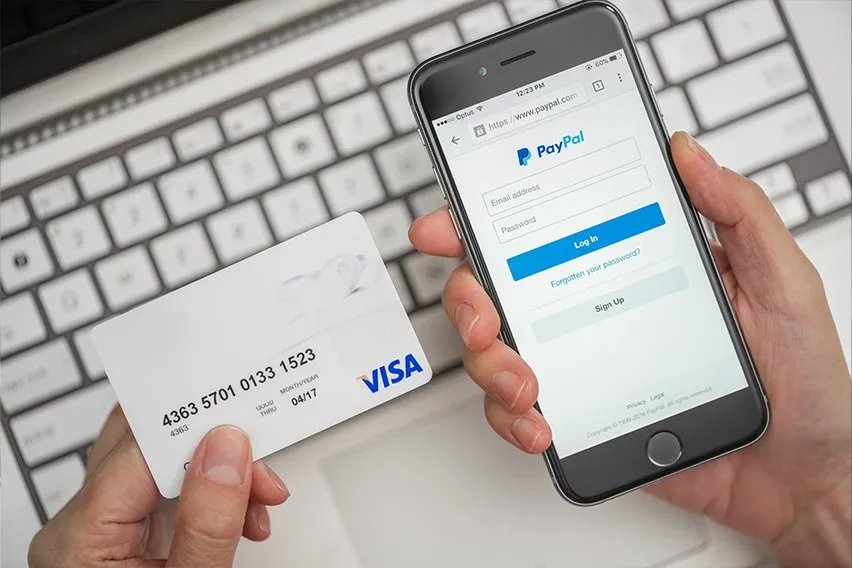
At its core, PayPal serves as a financial intermediary that facilitates transactions without requiring the parties involved to share sensitive financial information directly with one another. However, that description barely scratches the surface of its contemporary utility. From high-yield savings and cryptocurrency management to merchant capital and short-term credit solutions, PayPal has positioned itself as a central hub for the modern consumer’s financial life.
The Evolution of PayPal: From Digital Wallet to Global Financial Powerhouse
PayPal’s journey began as a way to facilitate peer-to-peer (P2P) payments on platforms like eBay, but it has since expanded into a comprehensive financial services provider. Its primary function remains the movement of money, but the mechanisms by which it does so have become increasingly sophisticated.
Bridging the Gap Between Banking and E-commerce
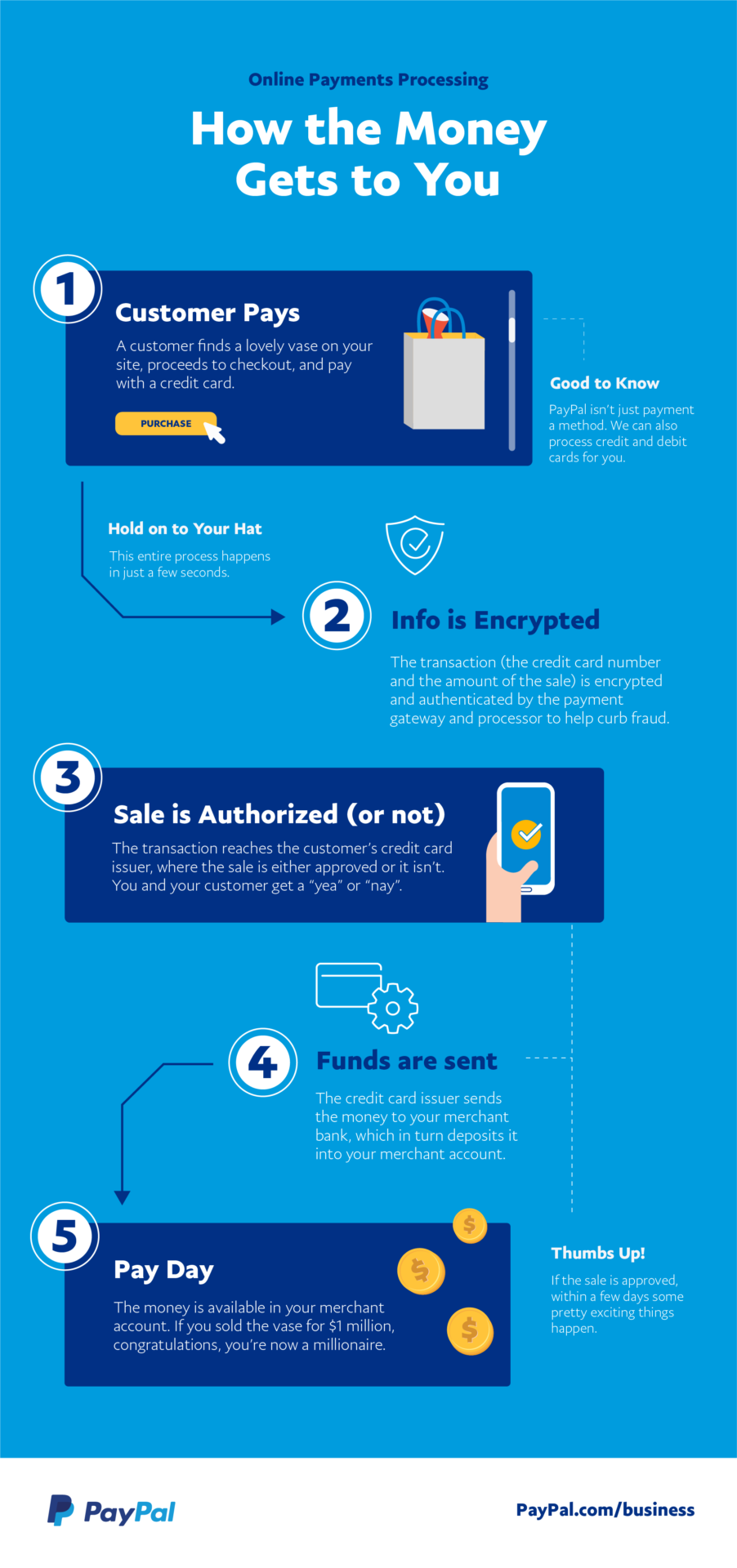
PayPal acts as a secondary layer over your traditional bank account or credit card. By linking your primary financial institutions to a PayPal account, you create a buffer. When you make a purchase online, PayPal handles the transaction, meaning the merchant never sees your credit card number or bank details. This “tokenization” of financial data was a revolutionary step in financial security, and it remains one of the primary reasons users flock to the platform.
How PayPal Secures Peer-to-Peer Transactions
The platform essentially democratized the ability to send money across borders instantly. Before digital wallets, international wire transfers were slow and expensive. PayPal’s P2P infrastructure allows users to send funds to anyone with an email address or phone number, regardless of their geographical location. By leveraging its internal ledger, PayPal can settle these transactions almost instantly, providing a level of liquidity that traditional banks struggle to match in a cross-border context.
Beyond Payments: PayPal’s Suite of Financial Tools for Consumers
For many users, PayPal has become more than a checkout button; it is a full-fledged financial management tool. As the company has grown, it has integrated features that mimic traditional banking while maintaining the agility of a fintech startup.
The Core Utility: Sending and Receiving Money
The most fundamental service PayPal provides is the ability to move cash. Whether it is splitting a dinner bill, paying a freelancer, or receiving a gift from a family member, the platform provides a seamless interface for moving value. With the acquisition of Venmo, PayPal further solidified its dominance in the P2P space, catering to different demographics—Venmo for social, casual transfers and PayPal for more formal or international transactions.
Credit and Installment Solutions (Buy Now, Pay Later)
One of PayPal’s most significant shifts into the “Money” niche is its expansion into credit. PayPal Credit offers a revolving line of credit that users can use for larger purchases, often with promotional interest-free periods. More recently, the “PayPal in 4” feature has capitalized on the “Buy Now, Pay Later” (BNPL) trend. This allows consumers to split a purchase into four interest-free payments, providing a tool for cash-flow management without the high-interest debt often associated with traditional credit cards.
Cryptocurrency and Modern Investment Features
Recognizing the shift toward digital assets, PayPal now allows users to buy, hold, and sell various cryptocurrencies, including Bitcoin and Ethereum. This feature demystifies the complex world of crypto exchanges, allowing the average person to gain exposure to digital assets directly within their familiar financial dashboard. While it does not offer the advanced trading tools of a dedicated exchange, its focus on accessibility makes it a powerful entry point for casual investors looking to diversify their portfolios.
High-Yield Savings Accounts
In collaboration with partner banks, PayPal has also introduced “PayPal Savings.” This feature allows users to earn a competitive Annual Percentage Yield (APY) on their balances. By offering a high-yield savings product, PayPal effectively competes with traditional online banks, encouraging users to keep their capital within the PayPal ecosystem rather than transferring it back to a legacy bank.
PayPal for Business: Streamlining Revenue and Operations
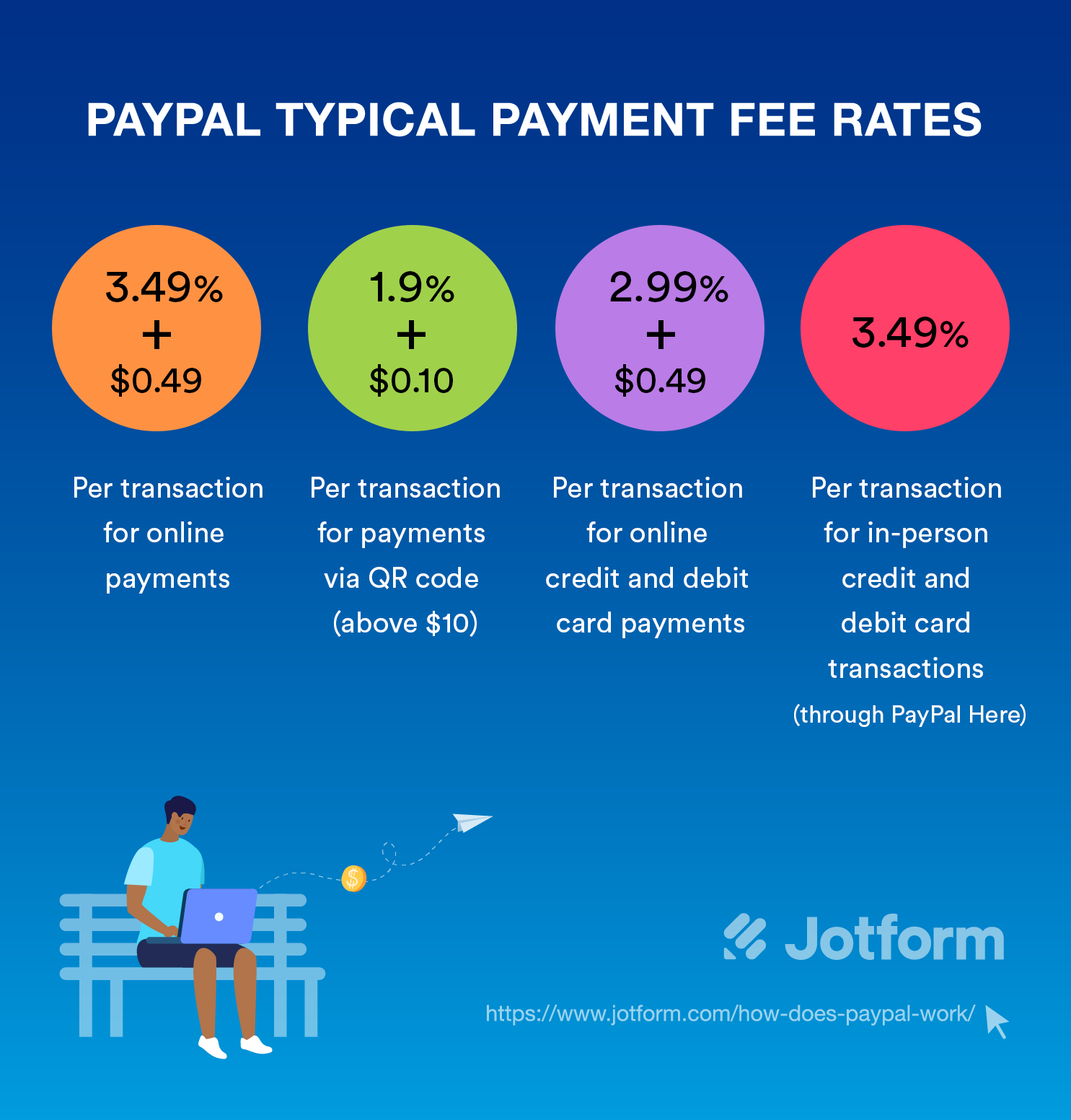
While individual consumers use PayPal for convenience, businesses use it as a critical infrastructure for survival and growth. For a small business or an independent contractor, PayPal functions as an outsourced finance department.
Online Payment Processing and Merchant Services
For a business to sell online, it needs a way to accept payments. Setting up a merchant account with a traditional bank can be a bureaucratic nightmare involving lengthy applications and strict requirements. PayPal simplifies this by offering a “plug-and-play” solution. Merchants can integrate PayPal into their websites in minutes, allowing them to accept credit cards, debit cards, and PayPal balances from customers worldwide.
Working Capital and Business Loans
Access to capital is often the biggest hurdle for small businesses. PayPal leverages the data it has on a merchant’s sales history to offer “PayPal Working Capital” or business loans. Because PayPal can see exactly how much money a business is making through its platform, it can offer loans with a streamlined approval process that doesn’t rely solely on traditional credit scores. Repayments are often structured as a percentage of daily sales, which aligns the debt service with the business’s actual cash flow.
Invoicing and Global Expansion Tools
PayPal’s invoicing software allows freelancers and service providers to create professional, branded invoices and track their payment status in real-time. Furthermore, for businesses looking to go global, PayPal handles currency conversion automatically. This removes the friction of calculating exchange rates and navigating the complexities of international banking regulations, allowing a solo entrepreneur in one country to sell to a customer in another with minimal overhead.
The Financial Security Framework: Protecting Your Assets
In the niche of money and finance, security is the most valuable currency. PayPal’s reputation is built on its ability to mitigate risk for both parties in a transaction.
Buyer and Seller Protection Policies
One of the unique “products” PayPal offers is peace of mind. Their Buyer Protection program covers eligible purchases if an item doesn’t arrive or doesn’t match the seller’s description. On the flip side, Seller Protection helps merchants against fraudulent claims and chargebacks. This two-way safety net creates a controlled environment for commerce, which is particularly vital in the “Side Hustle” economy where individuals are often dealing with strangers.
Fraud Detection and Data Privacy
PayPal utilizes advanced machine learning and AI to monitor millions of transactions for signs of fraud. By analyzing patterns and behaviors, the platform can flag suspicious activity before the user is even aware of it. Additionally, by acting as the vault for your financial information, PayPal reduces the “attack surface” for your data. Instead of having your credit card information stored on dozens of different e-commerce sites, it is stored in one highly secured location.
Strategic Integration: Managing Your Personal Finance Ecosystem
To get the most out of what PayPal does, one must view it as a component of a broader financial strategy. It is not just a place where money sits; it is a tool for optimizing how money moves.
Linking Bank Accounts and Cards for Optimized Flow
Savvy users utilize PayPal to manage their “float.” By linking a rewards-based credit card to PayPal, a user can gain the security and convenience of the platform while still earning points or miles from their card issuer. This layering of benefits is a hallmark of sophisticated personal finance management.
Budgeting and Expense Tracking through Digital Ledgers
The PayPal dashboard provides an automated ledger of every transaction made through the platform. For those looking to get a handle on their spending, this data can be invaluable. Many third-party budgeting apps can sync directly with PayPal, allowing users to categorize their digital spending and identify trends in their financial behavior.
The Role of the “PayPal Balance”
For many in the gig economy or those with online side hustles, the “PayPal Balance” represents a separate pocket of money. This can be used as a “fun money” fund, a reinvestment fund for the business, or an emergency reserve. The ability to keep these funds separate from a primary checking account helps in psychological budgeting, preventing the “leakage” of business revenue into daily living expenses.
PayPal is no longer just a way to pay for items on an auction site. It is a comprehensive financial engine that powers the modern economy. It provides the liquidity required for small businesses to scale, the security required for consumers to shop with confidence, and the innovation required to keep pace with the digital transformation of money itself. Whether you are using it for a simple P2P transfer or as a primary merchant gateway, PayPal’s influence on the landscape of personal and business finance is both profound and permanent.
aViewFromTheCave is a participant in the Amazon Services LLC Associates Program, an affiliate advertising program designed to provide a means for sites to earn advertising fees by advertising and linking to Amazon.com. Amazon, the Amazon logo, AmazonSupply, and the AmazonSupply logo are trademarks of Amazon.com, Inc. or its affiliates. As an Amazon Associate we earn affiliate commissions from qualifying purchases.