
In the modern era of digital finance, the “subscription economy” has fundamentally altered how households manage their monthly cash flow. At the center of this shift is Amazon Prime, a service that has evolved from a simple shipping perk into a multifaceted lifestyle ecosystem. For the financially conscious consumer, the question isn’t just “how much does Prime cost a month?” but rather “how does this recurring expense fit into a lean budget and what is the actual return on investment (ROI)?”
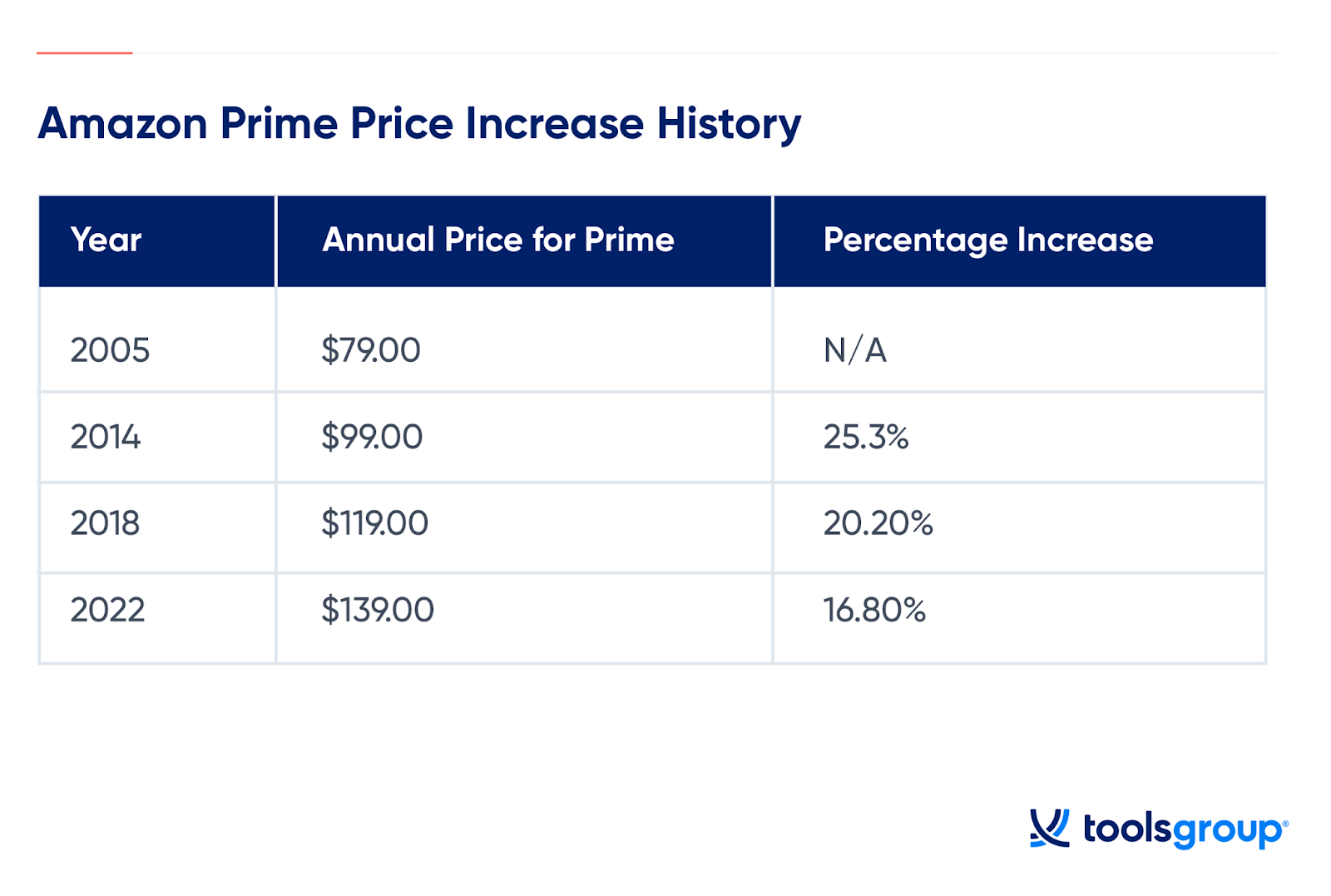
As of the current fiscal landscape, the standard cost for an Amazon Prime membership is $14.99 per month. For those who prefer an annual commitment, the price sits at $139 per year. While these numbers seem straightforward, a professional financial analysis requires looking deeper into the tiers, the hidden costs of convenience, and the strategic ways to offset these expenses through smarter spending habits.
The Tiered Pricing Structure: Finding Your Entry Point
When auditing your personal finances, it is essential to identify which pricing tier aligns with your demographic and financial status. Amazon offers several entry points that can significantly lower the monthly overhead for those who qualify.
Standard Monthly vs. Annual Plans
The standard $14.99 monthly fee offers flexibility. It is ideal for individuals who may only need the service for specific periods, such as the holiday shopping season or a move. However, from a wealth-building perspective, the annual plan at $139 is the superior choice for long-term users. By paying upfront, you effectively reduce the monthly cost to approximately $11.58, resulting in an annual saving of $40.88. In the world of personal finance, a 23% discount for paying upfront is an immediate “win” for your balance sheet.
Prime Student
For those currently enrolled in higher education, the Prime Student tier is one of the most effective ways to reduce digital overhead. At $7.49 per month (or $69 per year), students receive the same benefits at half the price. From a budgeting standpoint, this allows students to leverage free shipping for textbooks and essentials while utilizing the included streaming services to eliminate the need for additional entertainment subscriptions like Netflix or Hulu.
Prime Access (Government Assistance)
Amazon also offers a discounted rate of $6.99 per month for recipients of qualifying government assistance programs, such as SNAP, WIC, or EBT. This is a critical financial tool for low-income households, as it provides access to the same delivery efficiencies and digital resources at a price point that respects a tighter monthly budget.
The Mathematics of ROI: Is the Membership Self-Sustaining?
To determine if the monthly cost of Prime is a sound financial decision, one must calculate the “Break-Even Point.” This is the moment where the savings generated by the membership exceed the cost of the subscription itself.
The Shipping Break-Even Analysis
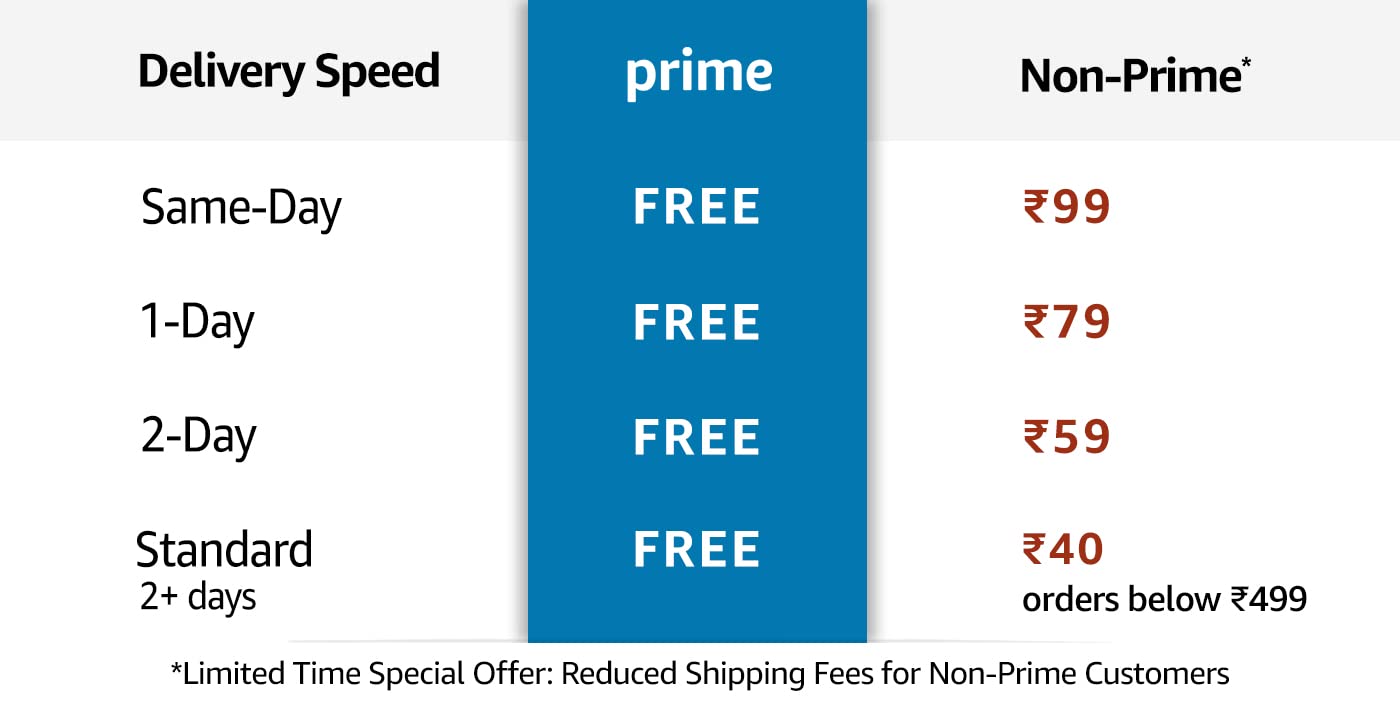
Standard non-Prime shipping costs typically range from $5.95 to $9.95 depending on the item and speed. If we take a conservative average of $7.00 per shipment, a monthly subscriber paying $14.99 needs to place only three orders per month to justify the cost. For an annual subscriber paying roughly $11.58 per month, the break-even point drops to fewer than two orders. If your household relies on e-commerce for groceries, household staples, or business supplies, the shipping savings alone often render the membership “free” in terms of net impact on your wallet.
Factoring in Digital Substitutions
A major trap in personal finance is “subscription overlap”—paying for multiple services that offer the same utility. A Prime membership includes Prime Video, Amazon Music (Prime tier), and Amazon Photos.
-
Entertainment: If a Prime membership allows you to cancel a $15/month Netflix subscription, the Prime membership has already paid for itself.
-
Cloud Storage: Amazon Photos offers unlimited full-resolution photo storage. For users paying for Google One or iCloud storage tiers specifically for photos, migrating to Amazon could save between $1.99 and $9.99 per month.
When you view Prime as a bundle of four or five different services, the $14.99 price tag looks less like an expense and more like a consolidation strategy for your digital life.
The Psychological Trap: Convenience vs. Impulse Spending
While the math often favors a Prime membership, the “Money” niche requires us to look at the behavioral economics of the platform. The very convenience that Prime provides is designed to reduce “purchase friction.” In financial terms, reduced friction often leads to increased impulse spending.

The Cost of “One-Click” Purchasing
Studies have consistently shown that Prime members tend to spend more annually on Amazon than non-members. The psychological assurance of “free shipping” often leads consumers to buy items they don’t strictly need, or to buy items individually that they could have consolidated. From a budgeting perspective, it is vital to track whether your Prime membership is saving you money on essentials or simply facilitating a leak in your discretionary spending.
Avoiding the Sunk Cost Fallacy
Many consumers fall into the trap of the “sunk cost fallacy,” believing that because they paid $139 for the year, they must buy more things on Amazon to “get their money’s worth.” A savvy financial manager treats the $139 as a fixed cost and evaluates every individual purchase on its own merit. If you find yourself browsing “Daily Deals” just because you have Prime, the membership may actually be a net negative for your net worth.
Strategic Financial Optimization of Your Membership
Once you have committed to the monthly or annual cost, the next step is to use financial tools to further mitigate the expense.
Leveraging Credit Card Rewards
For those with a disciplined approach to credit, the Amazon Prime Visa Card is a powerful tool for offsetting subscription costs. The card offers 5% back on all Amazon and Whole Foods purchases. If a household spends $500 a month on groceries and supplies through Amazon, they earn $25 in rewards—more than enough to cover the $14.99 monthly fee and leave a surplus. In this scenario, the membership doesn’t just pay for itself; it becomes a cash-back engine for the household.
Amazon Household: Splitting the Cost
One of the most underutilized financial features of Prime is “Amazon Household.” This allows two adults to share a single Prime membership while maintaining separate accounts and payment methods. By splitting the $139 annual fee with a partner or roommate, the individual cost drops to $69.50 per year, or approximately $5.79 per month. This is perhaps the most effective way to optimize the “cost per user” of the service.
Subscribe & Save: The Cash Flow Advantage
For recurring expenses like detergent, diapers, or pet food, Amazon’s “Subscribe & Save” program offers discounts up to 15%. When combined with Prime’s free shipping, this allows for a “Just-In-Time” inventory management style for your home. By automating these purchases, you not only save money but also save “time value”—the hours spent driving to a store, which can be better spent on side hustles or professional development.
Competitive Analysis: Prime vs. Walmart+ and Target Circle 360
In a healthy financial plan, one must always look at alternatives. The market for delivery subscriptions has become increasingly competitive, with Walmart+ and Target Circle 360 entering the fray.
-
Walmart+: Priced at $12.95 per month or $98 per year, Walmart+ is objectively cheaper than Prime. It offers free delivery from stores and a significant discount on fuel (up to 10 cents per gallon). For a family focused strictly on grocery savings and gas expenses, Walmart+ may offer a better direct ROI than Prime.
-
Target Circle 360: This service focuses on same-day delivery via Shipt. While it lacks the massive video and music library of Amazon, it appeals to a specific demographic that prioritizes retail brand loyalty.
When choosing between these, the decision should be based on your primary spending categories. If your budget is heavily weighted toward media and a diverse range of non-grocery goods, Prime remains the leader. If your budget is dominated by groceries and fuel, a pivot to Walmart+ could save you roughly $40 a year in membership fees alone.
Conclusion: The Final Financial Audit
So, how much does Prime cost a month? While the sticker price is $14.99, the real cost is a variable determined by your usage, your ability to consolidate other subscriptions, and your discipline in avoiding impulse buys.
To maximize the financial utility of a Prime membership:
-
Switch to Annual: If you plan to use it for more than 9 months, the $139 annual fee is the mathematically superior choice.
-
Audit Your Subscriptions: Cancel standalone music or storage services that Prime already provides.
-
Share the Load: Use Amazon Household to split the cost with another adult.
-
Use the Right Tools: Pay with a high-rewards card to claw back the membership fee through cash back.
Ultimately, Amazon Prime should be viewed not as a luxury, but as a strategic tool in a modern financial toolkit. When managed with precision, it serves as a way to lower the cost of living through bulk discounts, shipping savings, and digital consolidation. When left unmonitored, however, it can become a gateway to lifestyle creep. A professional approach to personal finance requires constant re-evaluation of these “invisible” monthly costs to ensure every dollar is working toward your long-term wealth.
aViewFromTheCave is a participant in the Amazon Services LLC Associates Program, an affiliate advertising program designed to provide a means for sites to earn advertising fees by advertising and linking to Amazon.com. Amazon, the Amazon logo, AmazonSupply, and the AmazonSupply logo are trademarks of Amazon.com, Inc. or its affiliates. As an Amazon Associate we earn affiliate commissions from qualifying purchases.