
The role of an operations manager is often misunderstood, yet it is undeniably one of the most critical functions within any successful enterprise. Far from being a mere logistical coordinator, an operations manager is the linchpin that connects strategy to execution, ensuring that a business not only runs smoothly but also achieves its financial objectives. In essence, they are the architects of efficiency, the guardians of the bottom line, and the strategic thinkers who translate business goals into tangible financial outcomes. Their work directly impacts cost structures, revenue generation, resource allocation, and ultimately, the profitability and sustainability of an organization. This deep dive will explore the multifaceted responsibilities of an operations manager, elucidating how their strategic decisions and daily oversight are inextricably linked to a company’s financial health.
The Core Mandate: Driving Business Efficiency and Financial Health
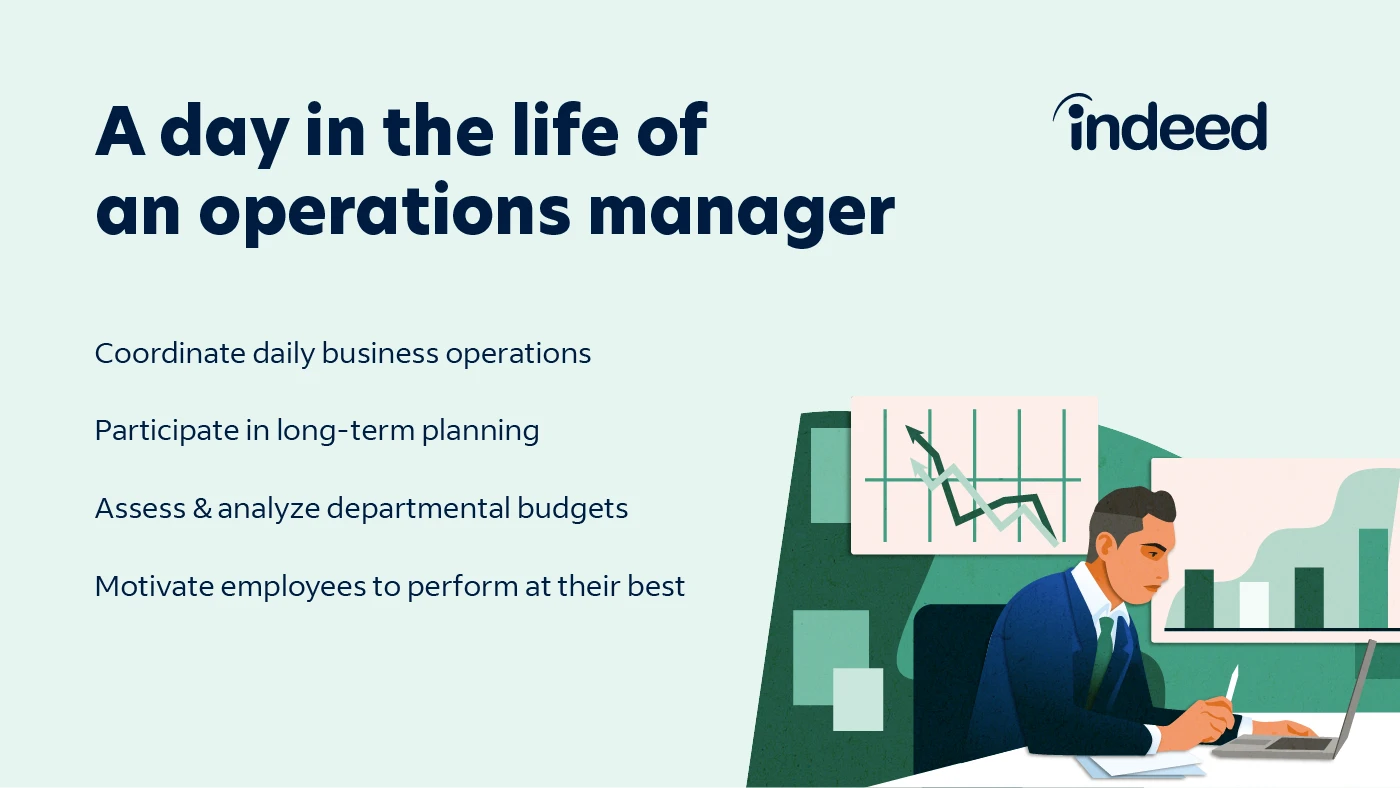
At its heart, operations management is about optimizing the processes that transform inputs into outputs, whether those outputs are products or services. Every decision made in operations has a direct, measurable impact on a company’s financial performance. An operations manager is continuously looking for ways to reduce waste, improve productivity, and streamline workflows, all with the ultimate goal of enhancing profitability and ensuring the judicious use of financial resources.
Orchestrating Daily Operations for Profitability
The daily grind for an operations manager involves a constant balancing act between maintaining seamless operations and identifying opportunities for financial uplift. This includes overseeing production schedules, managing service delivery, and ensuring that all operational activities align with the company’s strategic goals. For instance, in a manufacturing setting, an operations manager optimizes production lines to minimize downtime, reduce scrap, and maximize throughput, directly influencing the cost per unit and the volume of revenue-generating products. In a service industry, they design efficient customer service processes, manage staffing levels to meet demand without overspending on labor, and ensure service quality that drives customer retention and repeat business – both vital for sustained revenue. Every minute saved, every error prevented, and every process optimized contributes directly to cost savings or increased capacity, translating into improved profit margins. They are constantly monitoring Key Performance Indicators (KPIs) such as cycle time, capacity utilization, and on-time delivery rates, understanding that each metric is a financial lever. A delay in the supply chain, a bottleneck in production, or an inefficient service process doesn’t just inconvenience customers; it incurs costs through idle resources, lost sales, and potentially penalties. The operations manager’s job is to foresee and mitigate these financial drains before they impact the balance sheet.
Resource Optimization: Maximizing Return on Investment
A significant portion of an operations manager’s role revolves around the shrewd allocation and management of resources – be it human capital, equipment, raw materials, or technological infrastructure. Their decisions in this area have immediate and long-term financial ramifications. They determine staffing levels, ensuring that labor costs are optimized against productivity requirements. They manage inventory to strike a balance between having enough stock to meet demand and avoiding excessive carrying costs, obsolescence, and tied-up capital. Furthermore, operations managers are responsible for capital expenditure planning for new equipment or technology, conducting thorough cost-benefit analyses to ensure that investments yield a positive return. They evaluate the ROI of new machinery, software, and training programs, advocating for expenditures that demonstrably improve efficiency, reduce operational costs, or enhance revenue-generating capabilities. By making informed decisions about where and how to invest the company’s financial and physical assets, they safeguard the company’s capital and ensure its efficient deployment towards profit-generating activities. This includes maintenance schedules for machinery to prevent costly breakdowns, energy consumption optimization, and waste management strategies that reduce disposal costs and even generate revenue through recycling.
Strategic Pillars of Operational Excellence
Beyond the daily oversight, operations managers are strategic thinkers who implement frameworks for continuous improvement and sustainable growth. These strategic pillars are fundamental to solidifying the financial foundation of any business.
Supply Chain Management: A Lifeline for Cost Control
Effective supply chain management is perhaps one of the most direct ways an operations manager impacts a company’s financial health. They are responsible for overseeing the entire journey of goods and services, from raw material procurement to final delivery. This involves vendor selection and negotiation, aiming to secure the best quality materials at the most competitive prices, thereby directly reducing input costs. They manage inventory levels to minimize holding costs, prevent stockouts that lead to lost sales, and avoid obsolescence. Logistics and transportation optimization are also key, where they seek out the most cost-effective and efficient shipping methods to reduce freight expenses. By streamlining the supply chain, an operations manager can significantly cut operational expenditures, improve cash flow by reducing capital tied up in inventory, and enhance profitability. A well-managed supply chain ensures timely delivery, which in turn supports customer satisfaction and repeat business, indirectly bolstering revenue. Conversely, a poorly managed supply chain can lead to increased costs, production delays, and damaged customer relationships, all of which have severe financial repercussions.
Process Improvement: Innovating for Bottom-Line Gains
Operations managers are perpetual problem-solvers, continuously seeking to identify inefficiencies and bottlenecks within existing processes. They employ methodologies like Lean, Six Sigma, and Kaizen to analyze workflows, eliminate waste (Muda), and improve overall operational efficiency. Every process improvement project undertaken has a clear financial objective: reduce costs, increase output, improve quality, or accelerate time to market. For example, by redesigning a production line, they might reduce the number of steps required, thereby cutting labor costs and increasing production speed. By implementing automation in administrative tasks, they can free up human resources for higher-value activities, leading to greater productivity per employee. These improvements don’t just enhance operational smoothness; they directly contribute to the bottom line by lowering operational expenses, increasing capacity without significant capital investment, and ultimately boosting the company’s financial performance. Their role here is to champion a culture of continuous improvement, where every employee is encouraged to find better, more cost-effective ways of working.
Quality Assurance: Protecting Revenue and Reputation
Quality is not just a measure of excellence; it’s a critical financial metric. An operations manager is responsible for establishing and maintaining robust quality control processes to ensure that products and services consistently meet or exceed customer expectations. Poor quality can lead to significant financial losses through product recalls, warranty claims, rework, increased customer service costs, and, most damagingly, a loss of customer trust and market share. These issues directly impact revenue and profitability. By implementing rigorous quality assurance protocols, from supplier qualification to final inspection, operations managers safeguard the company’s brand reputation and prevent costly defects. They understand that investing in quality upfront is far more cost-effective than dealing with the repercussions of poor quality later. Moreover, consistent quality can command premium pricing and foster brand loyalty, both of which are powerful drivers of sustained revenue and long-term financial success. They analyze defect rates, customer complaints, and return rates, translating these operational metrics into financial impact assessments.

Navigating Challenges and Leveraging Financial Impact
The operational landscape is rarely static, presenting operations managers with constant challenges that demand swift, financially prudent responses.
Risk Mitigation and Financial Resilience
Operations managers are at the forefront of identifying, assessing, and mitigating operational risks that could have devastating financial consequences. This includes everything from supply chain disruptions (e.g., natural disasters, geopolitical events) to equipment failures, data breaches, and labor disputes. They develop contingency plans, implement redundant systems, diversify suppliers, and invest in robust disaster recovery protocols to ensure business continuity. The financial impact of effective risk mitigation is profound: preventing costly downtime, avoiding penalties for missed deadlines, protecting against inventory losses, and safeguarding critical data that could otherwise lead to massive financial and reputational damage. By building operational resilience, they effectively protect the company’s assets, cash flow, and future revenue streams, ensuring financial stability even in turbulent times. Their role involves a proactive approach to risk, understanding that a small investment in preparedness can save millions in potential losses.
Data-Driven Decisions for Fiscal Responsibility
In the modern business environment, data is king, and operations managers are expert interpreters of operational data. They leverage analytics to gain insights into performance, identify trends, predict future needs, and make financially sound decisions. This involves analyzing production data to optimize scheduling, sales data to forecast demand accurately (preventing overstocking or stockouts), and cost data to pinpoint areas for expenditure reduction. By making data-driven decisions, they move beyond gut feelings, ensuring that resource allocation, process changes, and strategic investments are backed by hard numbers, thereby maximizing the likelihood of a positive financial return. They utilize ERP systems, business intelligence tools, and operational dashboards to monitor real-time performance and make agile adjustments that protect profit margins. This analytical rigor transforms operations management into a highly strategic function, directly contributing to fiscal responsibility.
Budget Management and Cost Control Strategies
A fundamental aspect of an operations manager’s financial responsibility is meticulous budget management and relentless cost control. They are typically responsible for developing and managing the operational budget, ensuring that departmental spending aligns with financial forecasts and targets. This involves scrutinizing every expense, from raw materials and labor to utilities and maintenance, always seeking opportunities to reduce costs without compromising quality or efficiency. They negotiate contracts with suppliers, explore energy-saving initiatives, implement waste reduction programs, and optimize staffing to ensure that every dollar spent in operations yields maximum value. Their success in cost control directly impacts the company’s profitability, allowing for higher profit margins or the ability to offer more competitive pricing. They are stewards of the company’s financial resources, constantly balancing the need to invest in improvements with the imperative to control expenditures.
The Operations Manager as a Financial Strategist
The evolving role of the operations manager transcends traditional views, positioning them as vital financial strategists within the executive team.
Connecting Operational Performance to Financial Outcomes
A truly effective operations manager possesses a deep understanding of how operational performance metrics translate directly into financial outcomes. They can articulate how a reduction in cycle time impacts working capital, how improved quality reduces warranty costs, or how efficient inventory management boosts cash flow. They don’t just manage processes; they manage the financial implications of those processes. This strategic perspective enables them to contribute meaningfully to the company’s overall financial planning, investment decisions, and long-term growth strategies. They act as a bridge between the technical intricacies of daily operations and the financial objectives of the organization, ensuring alignment and maximizing synergy between the two. They are adept at presenting operational data in financial terms to leadership, justifying investments or strategic shifts based on expected ROI and cost savings.
Future-Proofing Business through Operational Agility
In a rapidly changing economic landscape, operational agility is paramount for financial resilience. Operations managers play a crucial role in building this agility, enabling the business to quickly adapt to market shifts, technological advancements, and unforeseen disruptions. They design flexible processes, invest in scalable infrastructure, and foster a culture of innovation that allows the company to pivot efficiently. This agility protects financial stability by minimizing the costs associated with change, enabling rapid exploitation of new opportunities, and ensuring that the business remains competitive and relevant. By anticipating future trends and proactively adapting operational strategies, they help future-proof the company’s financial health, ensuring sustained revenue generation and profitability in an unpredictable world.

Conclusion: The Indispensable Role in Business Success
The question “what does an operations manager do?” reveals a role that is far more complex and financially impactful than often perceived. From orchestrating daily tasks to formulating long-term strategies, their every action reverberates through the company’s financial statements. They are the architects of efficiency, the custodians of cost control, the champions of quality, and the drivers of profitability. By optimizing resources, streamlining processes, mitigating risks, and leveraging data, operations managers ensure that a business not only functions effectively but also achieves its financial objectives, delivering sustainable growth and resilience. In an increasingly competitive global economy, the operations manager is not just managing tasks; they are meticulously managing the financial pulse of the organization, making their role truly indispensable to business success.
aViewFromTheCave is a participant in the Amazon Services LLC Associates Program, an affiliate advertising program designed to provide a means for sites to earn advertising fees by advertising and linking to Amazon.com. Amazon, the Amazon logo, AmazonSupply, and the AmazonSupply logo are trademarks of Amazon.com, Inc. or its affiliates. As an Amazon Associate we earn affiliate commissions from qualifying purchases.