
In the contemporary job market, a resume is far more than a chronological list of prior employment and educational achievements; it is a sophisticated marketing tool. When candidates ask, “What does objective mean on a resume?” they are essentially asking how to define their personal brand in a way that resonates with a target audience. In the realm of brand strategy, the objective serves as the “hook”—the initial positioning statement that tells a recruiter who you are, what you stand for, and why your professional identity aligns with the company’s corporate vision.
Understanding the objective through the lens of personal branding transforms it from a stagnant sentence into a dynamic value proposition. It is the first impression of your brand identity, designed to differentiate you from a sea of competitors who may possess similar technical qualifications but lack a cohesive professional narrative.
The Evolution of the Professional Objective: From Task-Oriented to Brand-Centric
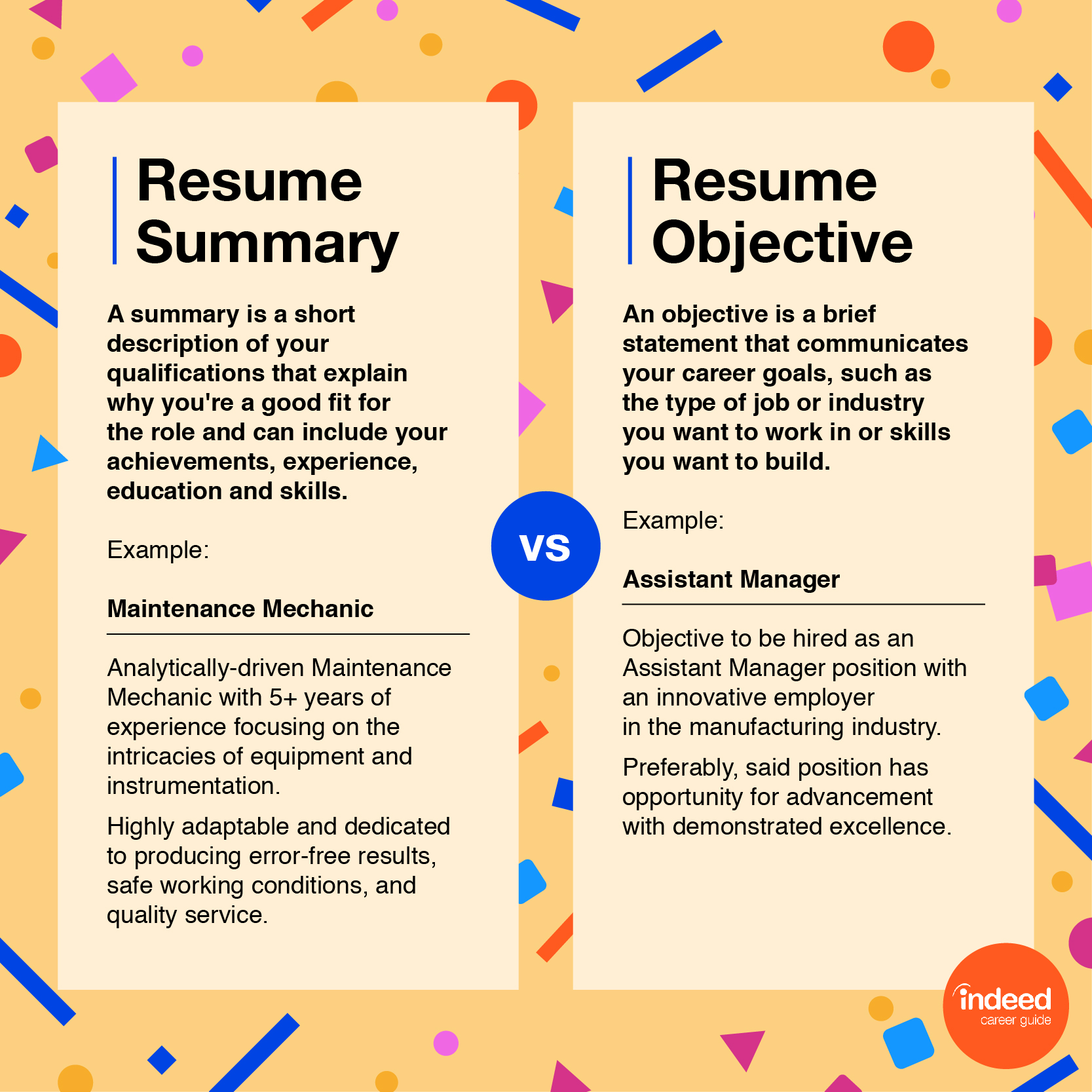
Historically, the resume objective was a self-serving statement. It often followed a predictable formula: “To obtain a challenging position in [Industry] where I can utilize my skills for growth.” In modern brand strategy, this approach is considered obsolete because it focuses entirely on the “buyer’s” (the employer’s) obligation to the “seller” (the candidate).
Shifting from “What I Want” to “Who I Am”
The modern interpretation of a resume objective has shifted toward the concept of a “Professional Summary” or “Brand Statement.” Instead of focusing on what the candidate wants to get out of the job, a brand-centric objective focuses on the candidate’s identity. It answers the fundamental branding question: What is the unique value you bring to the marketplace?
When you define your objective today, you are essentially setting the tone for your personal brand. You are moving away from being a passive seeker of work and becoming a solution provider. For example, rather than stating you want a job in marketing, a brand-centric objective might state that you are a “Data-driven growth strategist dedicated to scaling sustainable fashion brands through innovative digital storytelling.” This immediately establishes a niche, a methodology, and a value set.
The Objective as a Brand Manifesto
In corporate identity, a manifesto outlines the core beliefs of a company. On a resume, your objective serves a similar purpose. It acts as a micro-manifesto that signals your professional philosophy. By articulating your objective clearly, you provide recruiters with a lens through which they should view the rest of your experience. It frames your past achievements not just as tasks completed, but as evidence of your brand promise in action.
Crafting a Value Proposition: The Anatomy of a High-Impact Objective
To understand what an objective means in a branding context, one must look at it as a “Value Proposition.” A value proposition is a promise of value to be delivered. It’s the primary reason a prospect should buy from you. On a resume, this means distilling your entire professional persona into two or three impactful sentences.
Defining Your Unique Selling Proposition (USP)
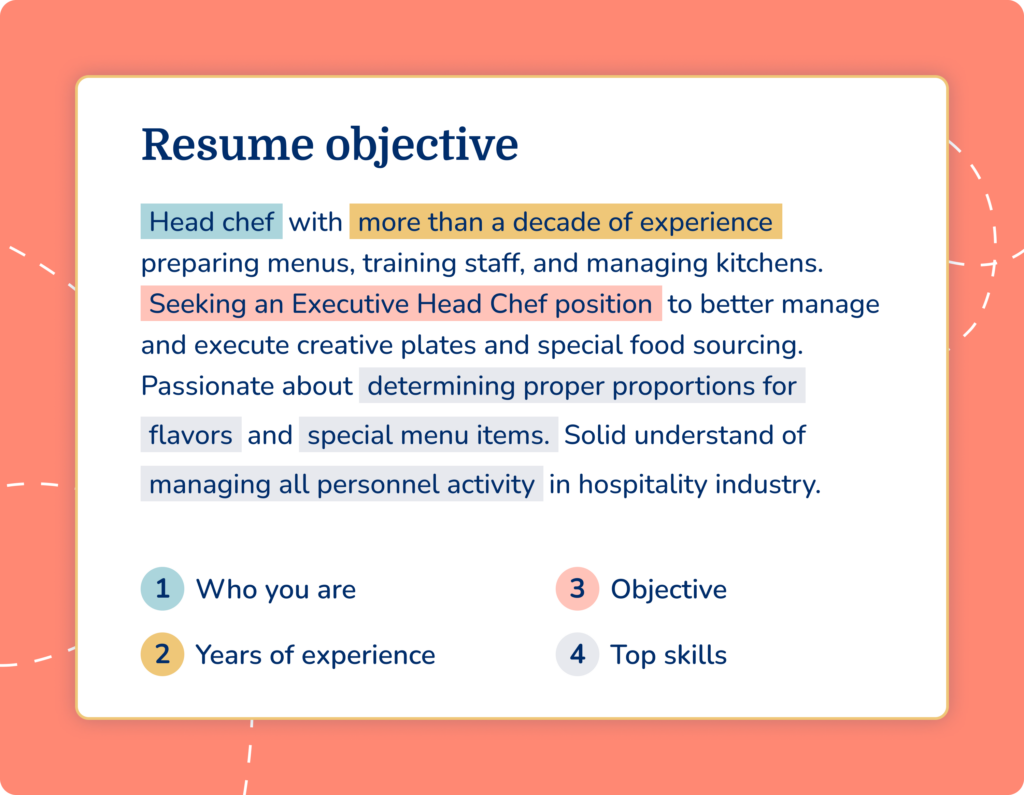
Every strong brand has a Unique Selling Proposition (USP)—that specific factor that makes it better than the competition. Your resume objective is the ideal place to showcase your USP. When drafting this section, consider the following three pillars:
- Competency: What is the primary skill that defines your brand?
- Achievement: What is a high-level metric or success story that validates this skill?
- Target: Who is your ideal “customer” (employer), and how do you solve their specific pain points?
By combining these elements, the objective becomes a powerful branding statement. For instance: “Award-winning Creative Director with 10+ years of experience in revitalizing legacy brands through UX-focused design and cross-functional leadership.”
Aligning Personal Values with Corporate Identity
A critical aspect of brand strategy is “Brand Alignment.” This is the process of ensuring that your personal brand values mirror the corporate identity of the organization you are applying to. A well-crafted objective is not a “one-size-fits-all” statement; it is a modular component of your brand that is adjusted to create a synergy between you and the employer.
If a company prides itself on “disruptive innovation,” your objective should reflect your identity as a “change agent.” If they value “operational excellence,” your objective should highlight your “systematic approach” and “attention to detail.” This alignment makes your brand feel like a natural extension of their existing culture.
Strategic Positioning: When and How to Use an Objective to Enhance Your Personal Brand
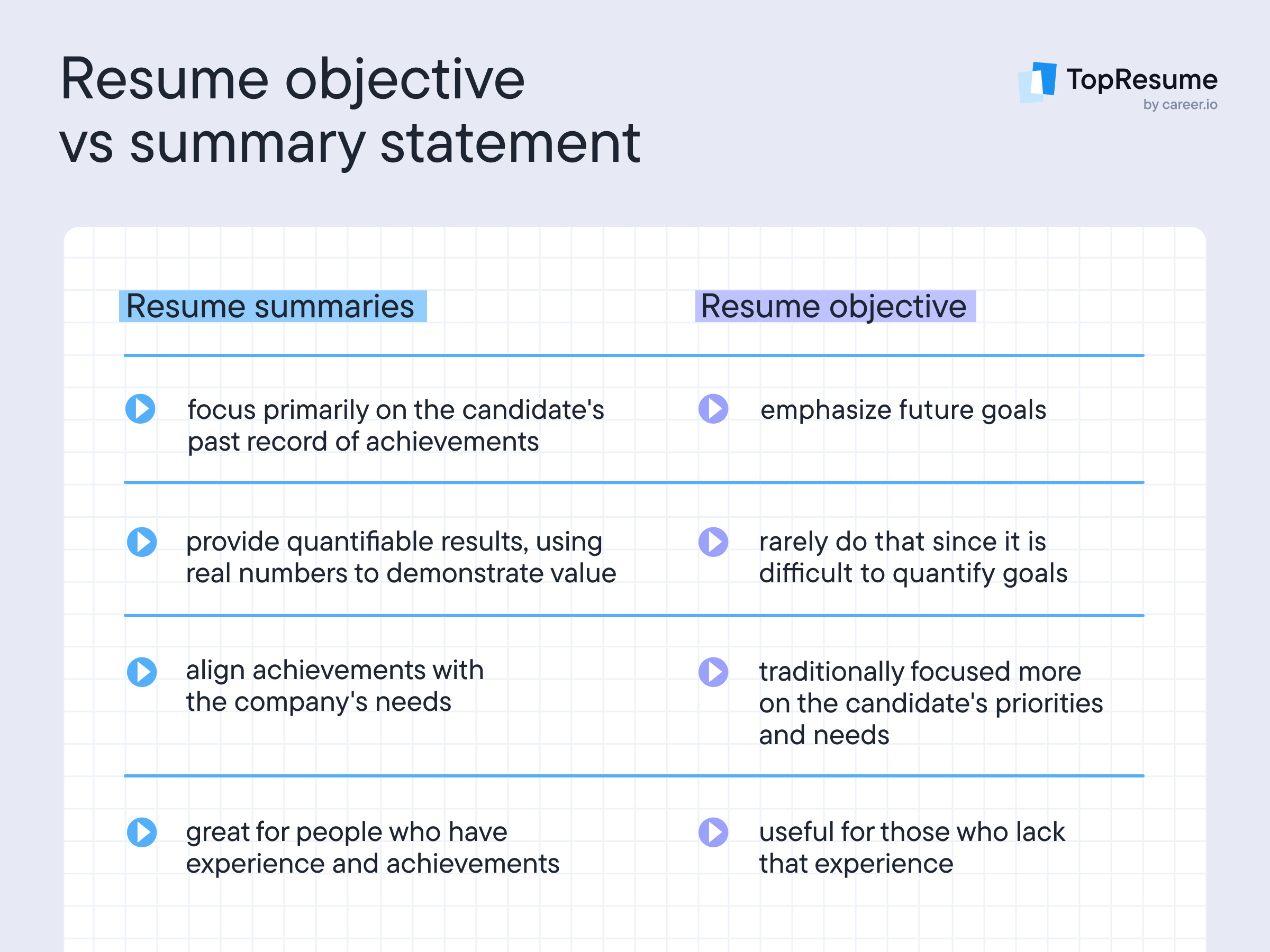
In branding, “positioning” refers to the place a brand occupies in the minds of the consumers. On a resume, the objective is a strategic tool used to position yourself correctly, especially when your background might not immediately suggest a perfect fit for a role.
Pivoting Your Career Path
For those undergoing a career pivot, the objective is the most important part of the resume. Without it, your personal brand may appear disjointed or confusing. Here, the objective acts as a “rebranding statement.” It explains the transition and highlights transferable brand equity.
If a professional is moving from corporate finance to a nonprofit strategy role, the objective serves to bridge the gap: “Strategic analyst leveraging a decade of high-stakes financial modeling to drive data-informed social impact for global NGOs.” This tells the recruiter exactly how to interpret the “Finance” experience in a “Nonprofit” context, ensuring the brand remains coherent despite the shift in industry.
Entry-Level Branding for Emerging Professionals
For students or recent graduates, the objective is often the only way to establish a brand identity in the absence of a long work history. In this scenario, the objective should focus on “Brand Potential” and “Core Attributes.”
Instead of stating a lack of experience, the objective should highlight the academic and extracurricular rigor that defines the candidate’s emerging brand. Phrases like “Highly disciplined researcher,” “Agile problem-solver,” or “Community-focused communicator” help to establish a professional identity before the first “real” job is even landed. It tells the employer that while the resume may be short, the brand is already well-defined.
Beyond the Objective: Integrating the Statement into a Cohesive Brand Strategy
A brand is only as strong as its consistency. Once you have defined what your objective means on your resume, that identity must be integrated into every other touchpoint of your professional presence.
Consistency Across Digital Platforms
In the digital age, a resume rarely exists in a vacuum. A recruiter who is intrigued by your resume objective will almost certainly look for your LinkedIn profile, personal website, or digital portfolio. If your resume objective claims you are a “Visionary leader in sustainable tech,” but your LinkedIn profile is outdated or focuses on unrelated fields, your brand loses credibility.
Your objective should serve as the “elevator pitch” that is echoed in your LinkedIn “About” section and the “Bio” on your personal website. This repetition reinforces your brand identity, making it more memorable and trustworthy to hiring managers and industry peers.
Measuring the Impact of Your Professional Statement
In marketing, brand success is measured by engagement and conversion. In your career, the effectiveness of your resume objective is measured by the quality of interviews and networking opportunities it generates. If you find that you are being contacted for roles that do not interest you, it is a sign that your brand objective is misaligned with your career goals.
Refining your objective is a form of “Brand Optimization.” It requires a constant feedback loop—evaluating which keywords are triggering responses and which phrases are failing to land. By treating your resume as a living brand document, you ensure that your professional narrative remains relevant in an ever-evolving market.
Conclusion: The Objective as Your Brand North Star
Ultimately, what “objective” means on a resume is your professional North Star. It is a concise, powerful declaration of your brand’s intent, capability, and value. It moves the conversation beyond what you have done in the past and focuses it on what you are capable of achieving in the future.
In a world where corporate identities are increasingly complex and the competition for talent is global, a well-defined personal brand is your greatest asset. By mastering the art of the resume objective, you are not just filling out a form; you are launching a brand strategy that communicates your worth, aligns with your targets, and sets the stage for a successful and cohesive professional journey. Whether you are a seasoned executive or a fresh graduate, your objective is the headline of your professional story—make sure it is a story worth reading.
aViewFromTheCave is a participant in the Amazon Services LLC Associates Program, an affiliate advertising program designed to provide a means for sites to earn advertising fees by advertising and linking to Amazon.com. Amazon, the Amazon logo, AmazonSupply, and the AmazonSupply logo are trademarks of Amazon.com, Inc. or its affiliates. As an Amazon Associate we earn affiliate commissions from qualifying purchases.