
The world of stocks can seem like an impenetrable fortress of jargon and complex financial maneuvers to the uninitiated. Many aspiring investors find themselves asking, “How do I do stocks?” – a simple question that belies a universe of learning and strategic decision-making. This guide is designed to demystify the stock market, breaking down the fundamentals, practical steps, and essential strategies needed for any beginner to confidently embark on their investment journey. Far from being a exclusive club for financial experts, the stock market offers accessible avenues for wealth creation to anyone willing to learn and apply sound financial principles.
Understanding the Fundamentals: What Exactly Are Stocks?
Before you even think about “doing stocks,” it’s crucial to grasp what a stock fundamentally represents. This isn’t just about buying a piece of paper or a digital entry; it’s about becoming a part-owner of a company.
The Basics of Stock Ownership
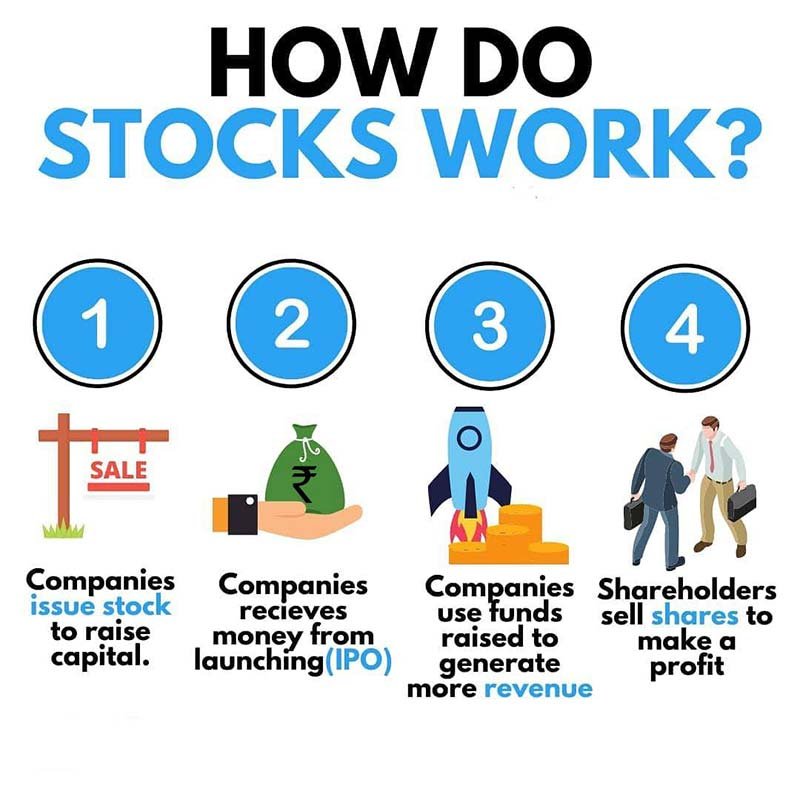
A stock, or share, is a unit of ownership in a public company. When you buy a share, you’re essentially purchasing a small fraction of that company’s assets and earnings. Companies issue stocks to raise capital, which they then use to fund operations, expand, research new products, or repay debts. As a shareholder, you gain certain rights, typically including the right to vote on company matters (like electing board members) and a claim on a portion of the company’s earnings and assets.
Why Companies Issue Stocks
Companies go public and issue shares primarily to raise significant amounts of capital. Instead of relying solely on bank loans or private funding, selling shares to the public allows them to tap into a much larger pool of investors. This capital infusion can be critical for growth, innovation, and maintaining a competitive edge in the market. In return for their investment, shareholders get the opportunity to participate in the company’s future success.
Why Investors Buy Stocks
People buy stocks for several compelling reasons, primarily centered around wealth growth. The main avenues for return include:
- Capital Appreciation: This is the most common reason. Investors buy a stock hoping its price will increase over time. If you buy a share for $50 and later sell it for $75, you’ve realized a $25 capital gain.
- Dividends: Some companies distribute a portion of their profits to shareholders in the form of dividends. These are typically paid quarterly and can provide a steady income stream, especially for long-term investors.
- Portfolio Diversification: Stocks can be a crucial component of a diversified investment portfolio, balancing other asset classes like bonds or real estate.
Understanding these basics is your first step. Stocks are not just tickers on a screen; they are ownership stakes in real businesses striving for growth and profitability.
Preparing for Your Investment Journey: Essential Steps Before You Buy
Jumping into the stock market without adequate preparation is akin to sailing without a compass. A successful investment journey begins with a solid financial foundation and clear objectives.
Define Your Financial Goals
Before placing a single trade, ask yourself why you want to invest. Are you saving for retirement decades away, a down payment on a house in five years, or your child’s college education? Your goals will dictate your time horizon (how long you plan to invest) and your risk tolerance (how much potential loss you’re comfortable with). Long-term goals often allow for higher risk, while short-term goals may necessitate more conservative approaches. Understanding your personal risk tolerance is paramount; investing in stocks inherently carries risk, and being comfortable with potential fluctuations is key to avoiding panic selling.
Build a Solid Financial Foundation
Investing should never compromise your immediate financial security. Before allocating funds to stocks, ensure you have:
- An Emergency Fund: At least 3-6 months’ worth of living expenses saved in an easily accessible, liquid account (like a high-yield savings account). This fund prevents you from having to sell investments at a loss during unforeseen circumstances.
- Manage High-Interest Debt: Prioritize paying off high-interest debts, such as credit card balances or personal loans. The guaranteed return from eliminating a 15-20% interest rate often outweighs potential stock market returns.
- Budgeting: Understand your income and expenses. This helps you identify how much money you can consistently allocate to investing without affecting your lifestyle.
Education is Key
The stock market rewards knowledge. Dedicate time to learning:
- Books and Websites: There’s a wealth of information available from reputable financial authors and educational platforms.
- Financial News: Follow market news, but be wary of sensationalism. Focus on understanding economic indicators and company reports.
- Investment Concepts: Familiarize yourself with concepts like P/E ratios, market capitalization, earnings per share, and different types of orders.
Choose Your Investment Approach
Broadly, investors typically lean towards two main approaches:
- Active Investing: Involves frequent buying and selling of individual stocks in an attempt to outperform the market. This requires significant time, research, and a deep understanding of market dynamics.
- Passive Investing: Focuses on long-term growth by investing in diversified funds (like index funds or ETFs) that track a market index (e.g., S&P 500). This approach typically involves less frequent trading and aims to match market returns rather than beat them. For most beginners, passive investing is often recommended due to its lower cost, broader diversification, and reduced time commitment.
Practical Steps to Buying Your First Stock
With your foundation set and goals defined, you’re ready to tackle the mechanics of buying stocks. This involves choosing a platform and executing your trades.
Selecting a Brokerage Account
To buy stocks, you’ll need an investment account with a brokerage firm. These firms act as intermediaries, executing trades on your behalf. There are several types:
- Full-Service Brokers: Offer personalized advice, research, and wealth management services. They typically charge higher fees, suitable for investors who prefer hands-on guidance.
- Discount Brokers: Provide a platform for you to make your own trades, often with lower fees and commission-free trading options. These are popular for self-directed investors.
- Robo-Advisors: Automated investment platforms that build and manage a diversified portfolio for you based on your risk tolerance and goals. They use algorithms, charge low fees, and are excellent for hands-off, passive investors.
For beginners, a discount broker or robo-advisor often provides the best balance of accessibility and cost-effectiveness. Research different platforms, compare fees, available investment products, and user interface before making a choice.
Funding Your Account
Once your brokerage account is open, you’ll need to transfer money into it. Common methods include:
- Electronic Funds Transfer (EFT): Linking your bank account for direct transfers (usually takes a few business days).
- Wire Transfer: Faster but often incurs a fee.
- Check Deposit: Slower processing time.
- Rollover from another retirement account (e.g., 401k): If applicable.

Start with an amount you’re comfortable losing, especially as you learn the ropes. Consistency in investing, even with small amounts, often yields better long-term results than sporadic large investments.
Placing Your First Trade
When you’re ready to buy, you’ll typically use one of two primary order types:
- Market Order: Instructs your broker to buy or sell a stock immediately at the best available current price. While quick, the execution price might differ slightly from what you see due to market fluctuations.
- Limit Order: Allows you to specify the maximum price you’re willing to pay (for buying) or the minimum price you’re willing to accept (for selling). Your order will only execute if the stock reaches your specified price or better. This offers more control but means your order might not execute if the price isn’t met.
For your very first trade, especially with a stock you’ve researched and believe in long-term, a market order might suffice for simplicity. However, as you gain experience, limit orders become valuable tools for precision.
Diversification: Don’t Put All Your Eggs in One Basket
This is perhaps the most crucial rule of investing. Diversification means spreading your investments across various assets to reduce risk. Instead of buying just one company’s stock, consider:
- Exchange-Traded Funds (ETFs): A basket of stocks or other assets that trade like individual stocks. An S&P 500 ETF, for instance, gives you exposure to 500 of the largest U.S. companies.
- Mutual Funds: Professionally managed portfolios of stocks, bonds, or other investments.
- Index Funds: A type of mutual fund or ETF that aims to replicate the performance of a specific market index.
These diversified funds are an excellent starting point for beginners, as they instantly provide broad market exposure, reducing the risk associated with any single company performing poorly.
Navigating the Market: Strategies and Risk Management
Investing is an ongoing process that requires continuous learning, strategic thinking, and emotional discipline.
Understanding Market Volatility
Stock prices are rarely static; they fluctuate constantly due to a myriad of factors including company news, economic reports, geopolitical events, and investor sentiment. This volatility can be unnerving, but it’s a normal part of the market. For long-term investors, short-term dips are often just noise, and patience typically pays off. Focus on the underlying value of your investments rather than daily price movements.
The Importance of Research and Due Diligence
Even when investing in diversified funds, understanding the underlying assets is beneficial. If you choose to invest in individual stocks, thorough research is non-negotiable:
- Company Financials: Review annual reports (10-K), quarterly reports (10-Q), and earnings calls. Look at revenue growth, profitability, debt levels, and cash flow.
- Industry Trends: Understand the competitive landscape, growth prospects, and potential disruptions within the company’s sector.
- Management Team: Assess the experience and leadership quality of the company’s executives.
Tools like investor relations sections on company websites, financial news sites, and brokerage research reports are invaluable.
Risk Management Techniques
While diversification is your primary defense, other techniques can help manage risk:
- Dollar-Cost Averaging (DCA): Investing a fixed amount of money at regular intervals (e.g., $100 every month), regardless of the stock price. This strategy averages out your purchase price over time, reducing the risk of buying all your shares at a market peak. It’s a powerful tool for long-term, consistent investing.
- Stop-Loss Orders: An instruction to sell a stock if its price falls to a certain level. This limits your potential losses, though it’s not foolproof in fast-moving markets.
The Power of Long-Term Investing
One of the most profound strategies in the stock market is long-term investing, often coupled with compounding. Compounding is the process of earning returns on your initial investment and on the accumulated returns from previous periods. Over decades, even modest annual returns can grow into substantial wealth thanks to this “interest on interest” effect. Resisting the urge to react to every market fluctuation and instead holding quality investments for the long haul is a hallmark of successful investors.
Common Pitfalls and How to Avoid Them
The path to successful investing is littered with traps that can derail even the most well-intentioned beginner. Awareness is your first line of defense.
Chasing Hot Stocks and Speculation
Resist the allure of “get rich quick” schemes or tips about the “next big thing.” Investing based on hype or speculation rarely leads to sustained success. Focus on sound fundamentals, established companies, and a disciplined approach, rather than trying to time the market or gamble on risky ventures.
Emotional Investing
Fear and greed are powerful emotions that can lead to poor decisions. Panic selling during market downturns or over-enthusiastically buying into a bubble can be detrimental. Stick to your investment plan, re-evaluate based on fundamentals rather than emotions, and remember that market corrections are a normal and often healthy part of the economic cycle.
Ignoring Diversification
Putting all your capital into a single stock, or even a single industry, exposes you to immense risk. If that company or sector falters, your entire portfolio could suffer significant losses. Always ensure your investments are spread across different companies, industries, and even asset classes to mitigate idiosyncratic risks.
Not Rebalancing Your Portfolio
Over time, different assets in your portfolio will grow at varying rates, potentially shifting your original asset allocation (e.g., 70% stocks, 30% bonds). Rebalancing involves periodically adjusting your portfolio back to your target allocation by selling some of your overperforming assets and buying more of your underperforming ones. This helps maintain your desired risk level and ensures you’re buying low and selling high.
Conclusion
“How do I do stocks?” is the gateway question to an empowering journey of financial literacy and wealth building. While the market can seem daunting, a structured approach, starting with education and financial preparedness, followed by disciplined execution and continuous learning, will serve you well. Remember to define your goals, diversify your investments, manage your risks, and above all, exercise patience. The stock market is not a sprint; it’s a marathon that rewards consistent effort and a long-term perspective. Take your first steps wisely, and you’ll be well on your way to becoming a confident and successful investor.
aViewFromTheCave is a participant in the Amazon Services LLC Associates Program, an affiliate advertising program designed to provide a means for sites to earn advertising fees by advertising and linking to Amazon.com. Amazon, the Amazon logo, AmazonSupply, and the AmazonSupply logo are trademarks of Amazon.com, Inc. or its affiliates. As an Amazon Associate we earn affiliate commissions from qualifying purchases.