
The term “numismatic” often surfaces in the spheres of high-end auctions, wealth management, and historical preservation. To the uninitiated, it may sound like a complex scientific discipline, but in the context of personal finance and investing, it represents one of the oldest and most enduring forms of alternative asset management.
Strictly speaking, numismatics is the study or collection of currency, including coins, tokens, paper money, and related objects. However, from a financial perspective, understanding what numismatic means requires looking beyond the face value of a coin and into its intrinsic, historical, and market-driven worth. In a world increasingly dominated by digital assets and volatile stock markets, the numismatic sector offers a tangible, historical, and often lucrative avenue for diversifying a financial portfolio.
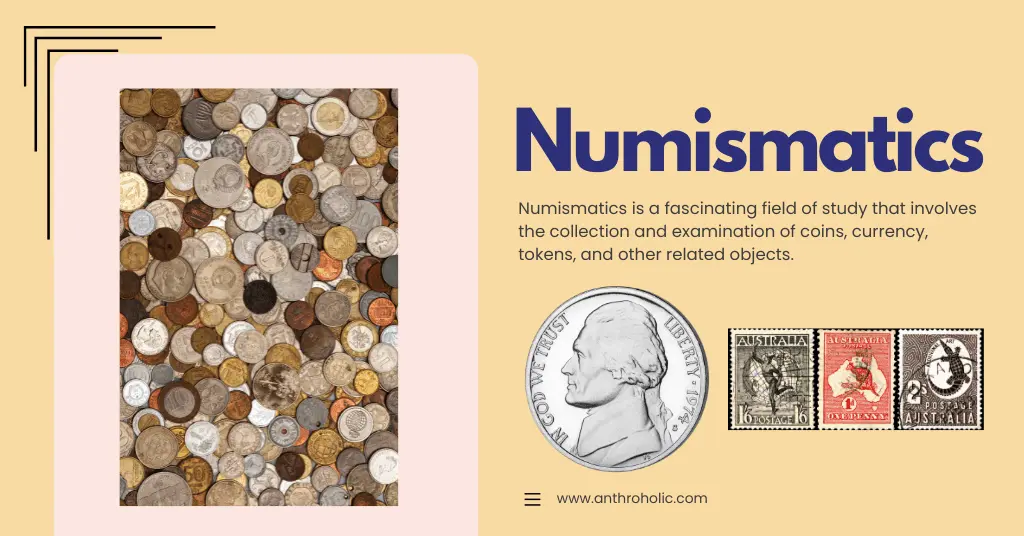
Defining Numismatics: Beyond Simple Currency
To understand the full scope of numismatics, one must distinguish it from the simple act of saving pocket change. While every person handles money, not everyone engages in the numismatic economy.
The Etymology and Scope of the Field
The word “numismatic” is derived from the Greek word nomisma, meaning “coin” or “custom,” and the Latin numismatis. While the term is most frequently associated with coins, the field is remarkably broad. It encompasses “notaphily” (the study of paper money), “scripophily” (the study of stocks and bonds), and “exonumia” (the study of coin-like objects such as medals and tokens).
For an investor, the “numismatic” label signifies that an object’s value is derived from its rarity, condition, and historical significance rather than its legal tender status. A numismatic coin is a historical document that survived the centuries; it is a piece of art that served as a tool of commerce.
Distinction Between Numismatists and Casual Collectors
There is a significant difference between a casual collector and a professional numismatist. A collector might keep coins for sentimental reasons or as a hobby. A numismatist, particularly one focused on the “Money” niche, approaches the field as a researcher and an investor. They analyze mintages (how many coins were produced), survival rates (how many still exist), and the “provenance” (the history of ownership) of a piece. In the financial world, numismatics is treated as a sophisticated market where data-driven decisions outweigh aesthetic preferences.
The Financial Landscape of Numismatic Investments
When integrating numismatics into a financial strategy, the primary objective is to capitalize on the “collector premium.” This is the value of a coin that exceeds the worth of its metal content.
Bullion vs. Numismatic Value: Knowing the Difference
For many investors, the entry point into physical assets is “bullion.” Bullion refers to coins or bars made of precious metals (like gold or silver) whose value is tied strictly to the “spot price” of the metal on the global market. For example, a standard one-ounce gold bar is worth whatever an ounce of gold is trading for at that moment.
Numismatic coins, however, operate on a different valuation model. While a numismatic coin may be made of gold, its price is dictated by its scarcity and demand among collectors. A rare 1933 Double Eagle gold coin is worth millions of dollars, not because of the $2,000 worth of gold it contains, but because of its extreme rarity and historical narrative. For the investor, numismatics offers a way to decouple wealth from the fluctuations of the raw commodities market.
Factors That Drive Market Value (Rarity, Condition, Demand)
The valuation of numismatic assets is governed by three primary pillars:
-
Rarity: This is often a factor of the original mintage or the survival rate. If a mint produced 100,000 coins but 99,000 were melted down during a war, the remaining 1,000 become high-value numismatic targets.
-
Condition (Grade): In the coin market, a single scratch can mean a difference of thousands of dollars. Coins are graded on a 70-point scale (The Sheldon Scale). An “MS-70” (Mint State 70) coin is perfect, while an “MS-60” might have slight abrasions.
-
Demand: Like any market, numismatics is subject to trends. A certain era—such as Ancient Roman coins or early American copper—may see a surge in demand, driving up prices regardless of the underlying metal value.
Building a Numismatic Portfolio: Strategies for Wealth Preservation

For those looking to move beyond traditional stocks and bonds, numismatics offers a unique form of “hard asset” diversification. Unlike digital entries in a bank ledger, a coin portfolio is a portable, private, and physical store of value.
Diversification Through Physical Assets
Financial advisors often recommend that a percentage of a high-net-worth portfolio be held in alternative assets to hedge against inflation and currency devaluation. Numismatic coins are particularly effective for this because they do not move in perfect correlation with the stock market. When paper assets lose value, rare and tangible items of historical significance often maintain or increase their value as investors seek “safe havens.”
Grading and Authentication (The PCGS and NGC Standards)
The modernization of the numismatic market was fueled by the rise of third-party grading services. Before the 1980s, coin buying was rife with subjectivity and risk. Today, organizations like the Professional Coin Grading Service (PCGS) and the Numismatic Guaranty Company (NGC) provide standardized authentication.
These services “slab” coins in sonically sealed, tamper-evident plastic holders with a certified grade and a unique serial number. This standardization has turned numismatics into a more “liquid” asset class, allowing investors to trade coins with confidence, knowing the item’s condition has been verified by an impartial expert.
Risks and Rewards in the Coin Market
No investment is without risk, and the numismatic market requires a disciplined approach to avoid the pitfalls of speculation.
Liquidity Considerations
One of the most important things to understand about numismatic investments is that they are not as “liquid” as stocks. You cannot sell a rare 18th-century silver dollar at the click of a button and receive cash instantly. Selling high-value coins often requires going through specialized auction houses or reputable dealers, which can take time. Therefore, numismatics should be viewed as a long-term wealth preservation strategy—typically with a horizon of 5 to 10 years—rather than a short-term trading vehicle.
The Impact of Historical Significance on ROI
The Return on Investment (ROI) in numismatics is often tied to the “story” behind the coin. A coin recovered from a famous shipwreck, such as the SS Central America, carries a narrative premium that a standard coin of the same year does not. Investors who succeed in this niche are those who take the time to learn the history. The more significant the historical context, the more likely the asset is to attract “big money” buyers during an economic downturn, as these buyers view such items as “trophy assets.”
How to Get Started in the Numismatic Market
Entering the world of rare coins requires a blend of financial literacy and historical curiosity. Because it is a specialized market, the barrier to entry involves a learning curve.
Identifying Reliable Sources and Dealers
The “Buy the book before the coin” mantra is famous among numismatists. Before spending significant capital, an investor must research the specific niche they wish to enter—whether it is Pre-1933 U.S. Gold, Ancient Greek Owls, or British Sovereigns. Establishing a relationship with a dealer who is a member of the Professional Numismatists Guild (PNG) is a crucial step. These dealers are bound by a strict code of ethics, which protects the investor from counterfeits and over-graded material.
The Role of Auctions in Price Discovery
In the numismatic world, price discovery—the process of determining an asset’s value—happens most transparently at major auctions. Companies like Heritage Auctions and Stack’s Bowers Galleries hold massive sales where the “real-time” value of rare coins is established by competitive bidding. For an investor, tracking these auction results is equivalent to watching the ticker tape on Wall Street. It provides the data necessary to understand which segments of the market are heating up and which are cooling down.
Conclusion: The Enduring Value of the Numismatic Asset
So, what does numismatic mean in today’s financial climate? It means more than just a hobby for history buffs. It represents a sophisticated intersection of history, art, and finance. It is an asset class that has survived the rise and fall of empires, the transition from gold standards to fiat currency, and the birth of the digital age.
For the investor, numismatics provides a way to hold wealth in a form that is compact, private, and historically significant. While it requires more due diligence than buying an index fund, the rewards—both intellectual and financial—can be substantial. By focusing on rarity, condition, and authentication, an investor can transform a simple collection of coins into a robust numismatic portfolio that serves as a cornerstone of long-term wealth preservation. In an era of economic uncertainty, the “nomisma” remains a steadfast symbol of value that transcends time.
aViewFromTheCave is a participant in the Amazon Services LLC Associates Program, an affiliate advertising program designed to provide a means for sites to earn advertising fees by advertising and linking to Amazon.com. Amazon, the Amazon logo, AmazonSupply, and the AmazonSupply logo are trademarks of Amazon.com, Inc. or its affiliates. As an Amazon Associate we earn affiliate commissions from qualifying purchases.