
Monthly expenses are the lifeblood of personal finance. They represent the consistent outflow of capital required to maintain a specific standard of living, service debts, and secure future financial stability. While the concept may seem elementary, a nuanced understanding of monthly expenses is what separates those who live paycheck-to-paycheck from those who build lasting wealth. At its core, managing monthly expenses is not merely about restriction; it is about the strategic allocation of resources to ensure that every dollar works toward a defined purpose.
To master your finances, you must first deconstruct what constitutes a monthly expense. These are the recurring costs that emerge within a thirty-day cycle, ranging from the non-negotiable—such as housing and food—to the discretionary, such as entertainment and luxury subscriptions. By categorizing and analyzing these outflows, individuals can gain a high-level view of their financial health and identify the “leaks” that prevent them from reaching their long-term goals.
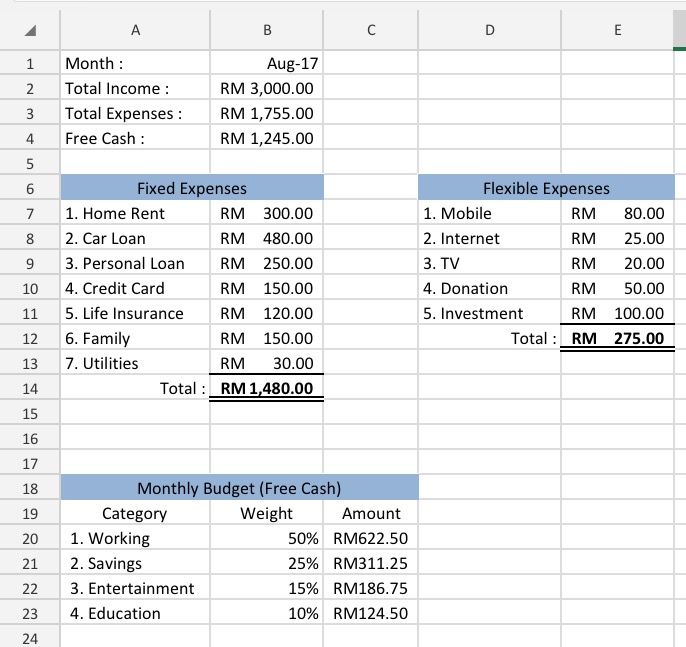
The Anatomy of Monthly Expenses: Fixed vs. Variable Costs
The most effective way to analyze monthly expenses is to divide them into two primary categories: fixed and variable. Understanding the distinction between these two is critical for creating a resilient budget that can withstand economic fluctuations.
Fixed Expenses: The Non-Negotiables
Fixed expenses are costs that remain relatively constant from month to month. These are often contractual or essential for survival and basic functioning. Because they are predictable, they are the easiest to budget for, but they are also the hardest to reduce quickly in a financial pinch.
-
Housing and Utilities: For the vast majority of people, the mortgage or rent payment is the single largest monthly expense. This is followed closely by essential utilities such as electricity, water, heating, and high-speed internet. These are considered “sticky” costs because changing them usually requires a significant lifestyle shift, such as moving or refinancing a loan.
-
Debt Servicing: This includes minimum payments on student loans, car notes, and personal loans. While the interest rates may vary if the debt is not fixed-rate, the obligation to pay remains a constant monthly fixture.
-
Insurance Premiums: Health, auto, life, and renters’ or homeowners’ insurance are typically paid on a monthly or quarterly basis. These are vital for risk management, protecting you from catastrophic financial loss.
-
Subscriptions and Memberships: In the modern digital economy, fixed expenses often include “micro-transactions” like streaming services, gym memberships, and professional software subscriptions. While individual costs may be low, their cumulative impact on the monthly bottom line is often underestimated.
Variable Expenses: The Flux Factors
Variable expenses are costs that change based on consumption, behavior, and external market forces. These provide the greatest opportunity for optimization and cost-cutting because they are often driven by personal choice.
-
Groceries and Dining Out: While food is a necessity, the amount spent on it varies wildly. Choosing between home-cooked meals and premium delivery services can result in a difference of hundreds, if not thousands, of dollars per month.
-
Transportation Costs: Beyond a fixed car payment, expenses like fuel, public transit fares, ridesharing services, and periodic maintenance are variable. Fluctuating gas prices or a sudden need for new tires can cause significant swings in this category.
-
Personal Care and Entertainment: This category encompasses everything from clothing and haircuts to concert tickets and hobby-related purchases. These are often the first items to be trimmed when an individual decides to tighten their belt.
The Strategic Importance of Tracking: Why Cash Flow is King
Tracking monthly expenses is not just an administrative task; it is a strategic exercise in awareness. Without a clear record of where capital is flowing, it is impossible to make informed decisions about investing, saving, or debt repayment.
Identifying “Phantom” Expenses and Lifestyle Creep
One of the primary benefits of tracking monthly expenses is the identification of “phantom” expenses—recurring charges for services no longer used or forgotten. This might include a streaming service used once for a specific show or a gym membership that has lapsed into disuse.
Furthermore, tracking helps combat “lifestyle creep.” As income increases, there is a natural tendency for expenses to rise proportionally. Individuals often find that they are earning more but saving the same amount as they did when their salary was lower. By meticulously documenting monthly outlays, you can ensure that your standard of living remains intentional rather than reactionary.

Preparing for Inflation and Market Volatility
Monthly expenses do not exist in a vacuum; they are subject to the pressures of the broader economy. Inflation directly impacts the purchasing power of your monthly budget, particularly in variable categories like food and energy. By maintaining a historical record of your expenses, you can identify trends in rising costs and adjust your financial strategy before a deficit occurs. This proactive approach allows for a “buffer” to be built into the budget, ensuring that a 10% increase in grocery prices doesn’t derail your ability to contribute to your retirement accounts.
Building the Emergency Fund
The primary metric for an emergency fund is based on monthly expenses. Financial experts generally recommend maintaining a liquid reserve equal to three to six months of essential monthly expenses. Without a precise understanding of what those expenses are, an individual cannot accurately calculate their “survival number.” Knowing exactly how much it costs to keep your life running for thirty days provides a sense of psychological and financial security that is invaluable during periods of career transition or health crises.
Advanced Budgeting Frameworks for Expense Optimization
Once expenses are identified and tracked, the next step is optimization. This involves moving beyond mere observation and applying structured frameworks to ensure that monthly spending aligns with long-term financial objectives.
The 50/30/20 Rule: A Balanced Approach
The 50/30/20 rule is a popular framework for categorizing monthly expenses to ensure a balanced financial life.
-
50% to Needs: Half of your after-tax income should go toward essential fixed and variable expenses (housing, utilities, groceries, insurance).
-
30% to Wants: Thirty percent is allocated to discretionary spending, such as entertainment, travel, and dining out.
-
20% to Savings and Debt Repayment: The final twenty percent is dedicated to building wealth, whether through 401(k) contributions, brokerage accounts, or aggressive debt reduction.
This framework is effective because it prioritizes the future while still allowing for present-day enjoyment. If your “needs” exceed 50%, it is a clear indicator that your fixed costs (likely housing or transportation) are too high relative to your income.
Zero-Based Budgeting: Giving Every Dollar a Job
Zero-based budgeting is a more rigorous method where your income minus your expenses equals exactly zero at the end of the month. This does not mean you have zero dollars in your bank account; rather, it means that every single dollar has been assigned a specific destination—whether that is a utility bill, a grocery run, or an investment account. This method eliminates “lazy money” and forces the individual to justify every expense, ensuring maximum efficiency.
The Envelope System and Digital Equivalents
For those who struggle with overspending in variable categories, the envelope system remains a gold standard. By allocating a set amount of cash for categories like “Dining” or “Clothing” into physical or digital envelopes, you create a hard ceiling on spending. Once the envelope is empty, spending in that category must cease until the next month. This tactile or visual boundary is a powerful psychological tool for managing impulsive monthly expenses.
Future-Proofing Your Finances: Long-term Expense Planning
The final layer of understanding monthly expenses involves looking beyond the immediate thirty-day window. Sophisticated financial planning requires accounting for non-monthly costs that can behave like monthly expenses if not managed correctly.
Sinking Funds for Periodic Costs
Many expenses, such as annual car registrations, holiday gifts, or quarterly tax payments, do not occur every month. However, if they are not planned for, they can feel like a financial shock when they arrive. The solution is the “sinking fund”—the practice of dividing a known future expense by twelve and treating that amount as a monthly expense. By “paying yourself” for these future costs every month, you smooth out your cash flow and avoid the stress of “lumpy” spending.
Investment Contributions as an “Expense”
One of the most profound shifts in financial mindset is treating investment contributions as a non-negotiable monthly expense. Instead of saving “what is left over” at the end of the month, the “Pay Yourself First” philosophy advocates for moving money into investment accounts immediately after receiving a paycheck. By framing wealth-building as a monthly obligation—much like a mortgage or utility bill—you ensure that your future self is prioritized over temporary consumer desires.
The Role of Technology in Expense Management
In the contemporary financial landscape, manual ledgers have been replaced by sophisticated AI-driven tools and apps that aggregate transactions in real-time. These tools can automatically categorize spending, alert you when you are nearing a budget limit, and even identify subscriptions you may have forgotten. Leveraging these technologies allows for a “set it and forget it” approach to monitoring, though periodic manual reviews remain necessary to ensure the AI’s categorizations align with your actual priorities.
Ultimately, monthly expenses are the raw data of your financial life. They tell the story of your priorities, your habits, and your future potential. By categorizing these costs, tracking them with precision, and applying disciplined budgeting frameworks, you transform money from a source of stress into a tool for empowerment. Understanding your monthly expenses is not the end of the journey; it is the essential foundation upon which all financial freedom is built.
aViewFromTheCave is a participant in the Amazon Services LLC Associates Program, an affiliate advertising program designed to provide a means for sites to earn advertising fees by advertising and linking to Amazon.com. Amazon, the Amazon logo, AmazonSupply, and the AmazonSupply logo are trademarks of Amazon.com, Inc. or its affiliates. As an Amazon Associate we earn affiliate commissions from qualifying purchases.