
Every name carries a story, a history, and a set of inherent associations that subtly, yet significantly, shape perception. While a personal name like “Sheila” might seem a world away from corporate branding strategies or marketing campaigns, a deeper dive reveals profound parallels. Understanding what a name signifies, both literally and through cultural lenses, offers invaluable insights into the art and science of branding, whether for an individual building their professional persona or a corporation forging its market identity. The principles that govern how “Sheila” is perceived directly inform the meticulous craft of creating a compelling and resonant brand.
The Etymology and Cultural Footprint of “Sheila”: Beyond a Personal Label
The journey of any name from its linguistic roots to its contemporary usage is a lesson in cultural evolution and perception shaping. “Sheila” is no exception, and its trajectory provides a rich case study for understanding how initial impressions are formed and how brand equity can accrue or be challenged over time.
Origins and Evolution: From Irish Gaelic to Global Recognition
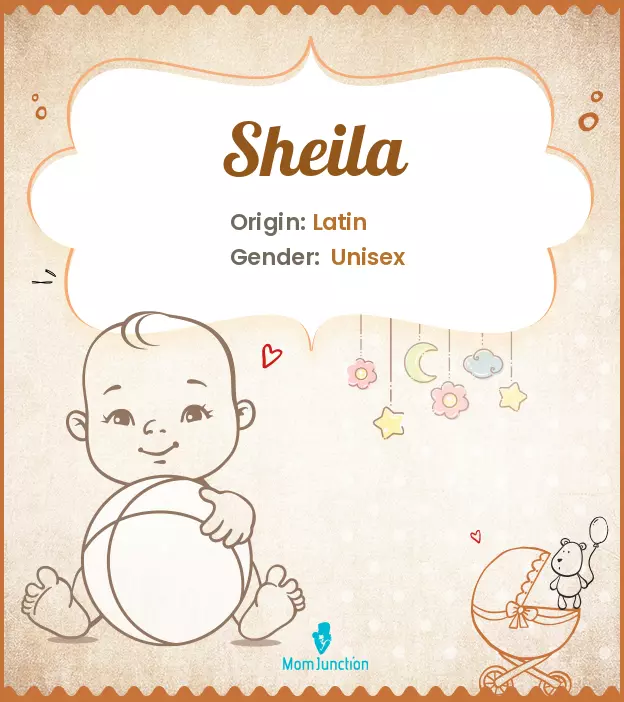
The name Sheila is an Anglicized form of the Irish Gaelic name “Síle,” which itself is derived from the Latin “Caecilia.” The original meaning of Caecilia is “blind,” although the name also holds associations with “heavenly” or “pure” due to its connection with Saint Cecilia, the patroness of musicians. Over centuries, as names traversed geographical and linguistic boundaries, their meanings often became less literal and more symbolic, imbued with the characteristics of the people who bore them.
In English-speaking countries, Sheila gained popularity, particularly in Ireland, the United States, and notably, Australia, where it became a colloquial term for a woman. This widespread adoption, especially in informal contexts, illustrates how a name can evolve beyond its original meaning to carry a broader cultural weight. For a brand strategist, this evolution highlights a critical aspect of naming: a name’s impact is rarely static; it shifts with popular usage, media representation, and societal trends. A brand name, much like a personal name, is not just a label; it’s a living entity that accumulates meaning and association through interaction and context.
Perceptual Frameworks: Initial Impressions and Subconscious Associations
The sound and common usage of “Sheila” contribute to a default persona. For many, it evokes a sense of familiarity, approachability, and perhaps a touch of tradition or a down-to-earth quality. These are not explicitly stated meanings but rather subconscious associations built over years of exposure to individuals named Sheila, characters in media, or even the general cadence of the name itself.
In branding, these subtle perceptual frameworks are paramount. A product named “Sheila” (hypothetically) would instantly carry a different set of unconscious expectations than one named “Xylo” or “Evelyn.” If the brand aims for a friendly, reliable, or community-oriented image, the name “Sheila” might align well. Conversely, if the goal is ultra-modern, cutting-edge, or overtly luxurious, the existing associations might pose a challenge, requiring significant marketing effort to redefine the perception. This demonstrates how a brand name, like a personal name, is not a blank slate but a foundation upon which perceptions are built, requiring deliberate strategy to sculpt the desired brand image.
Personal Branding: Leveraging Your Name as Your First Impression
For individuals, a name like Sheila is more than just an identifier; it’s the cornerstone of a personal brand. In today’s interconnected professional landscape, how one’s name is perceived can significantly influence career trajectory, networking opportunities, and overall professional identity.
Crafting Your Narrative: Aligning Identity with Professional Persona
Individuals named Sheila might find themselves navigating pre-existing associations with their name. This isn’t a limitation but an opportunity for strategic personal branding. A Sheila in a highly technical field, for instance, might lean into the approachable aspect of her name to foster client trust, while simultaneously demonstrating her expertise to counteract any potential underestimation. Conversely, a Sheila entering a creative industry might choose to emphasize a more unique or innovative facet of her identity, using her personal story to imbue the familiar name with fresh, distinctive meaning.
The importance of self-awareness in personal branding cannot be overstated. Understanding how one’s name might be perceived, even if inaccurately, allows for proactive narrative crafting. It empowers individuals to either embrace and amplify positive existing associations or strategically differentiate themselves, ensuring their professional persona is a deliberate construct rather than a default assumption. This thoughtful approach transforms a simple name into a powerful tool for professional advancement and influence.
Authenticity and Differentiation: Making Your Name Work For You
In a crowded professional landscape, authenticity and differentiation are key. For a “Sheila,” this means building a personal brand story that transcends generic name associations and makes “Sheila” synonymous with specific values, skills, or unique contributions. This involves consistent messaging across all professional touchpoints – from LinkedIn profiles and résumés to public speaking engagements and client interactions.
The power of a strong personal brand is its ability to create a memorable and impactful impression. A Sheila who is an innovative tech founder, for example, might consciously highlight her pioneering spirit and forward-thinking vision, thereby transforming any traditional associations of her name into a narrative of grounded innovation. Similarly, a Sheila excelling as a trusted financial advisor might emphasize her reliability and integrity, reinforcing the perception of a dependable expert. By consistently aligning actions, communication, and visual identity with desired brand attributes, individuals can make their name not just a label, but a powerful emblem of their professional identity.

Corporate Identity and Strategic Naming: Learning from Personal Names
The lessons learned from the meaning and perception of personal names like Sheila are directly applicable to the intricate process of corporate identity development and strategic brand naming. Businesses spend considerable resources ensuring their chosen name resonates with their target audience and accurately reflects their values.
The Psychology of Naming: Principles for Brand Success
Drawing parallels between personal name perception and corporate brand naming reveals fundamental principles for brand success. An effective brand name, much like a well-positioned personal brand, must be:
- Memorable: Easy to recall and pronounce, facilitating word-of-mouth marketing.
- Relevant: Aligned with the product, service, or company’s mission and values.
- Distinctive: Unique enough to stand out from competitors.
- Available: Legally and digitally (domain names, social handles).
- Positive Connotation: Free from unintended negative meanings or associations.
Consider how seemingly arbitrary names like “Apple” or “Google” have built layers of meaning over time. While their initial literal meanings might not have directly related to technology, consistent branding, innovative products, and strategic marketing have imbued these names with concepts like simplicity, creativity, vast knowledge, and efficiency. This process mirrors how a personal name, through an individual’s actions and reputation, comes to represent a specific set of qualities. The initial choice is a starting point, but continuous brand building defines its ultimate meaning in the marketplace.
Global Brand Resonance: Navigating Cultural Nuances
The perception of a name can vary significantly across cultures. “Sheila,” for example, might evoke different feelings or associations in Ireland (where it’s common), Australia (where it can be a colloquialism), or a non-English speaking country where it’s unfamiliar. This underscores a critical challenge in global branding: ensuring a brand name translates effectively and avoids unintended meanings or negative connotations in diverse markets.
Linguistic and cultural due diligence is essential in strategic naming. What sounds appealing in one language might be offensive or nonsensical in another. A brand considering a global launch must meticulously research how its chosen name will be received in each target market. This pre-emptive analysis can prevent costly rebranding efforts or embarrassing marketing missteps, highlighting the profound impact of cultural context on brand perception and resonance.
Marketing and Design Implications: Beyond the Moniker
A name, whether personal or corporate, never exists in a vacuum. Its impact is amplified or modified by the visual identity, messaging, and overall experience designed around it. This is where marketing and design play a crucial role in shaping and reinforcing the meaning of a name.
Visual Identity and Brand Storytelling: Reinforcing the Name
The visual elements of a brand – logos, color palettes, typography, imagery – are powerful tools that either complement or counteract the inherent perceptions of a name. For a personal brand named Sheila, a modern, minimalist website design paired with a professional, approachable headshot can reinforce her expertise while leveraging the name’s friendly associations. Conversely, a corporate entity named “Sheila’s Sweets” would likely employ warm colors, playful fonts, and inviting imagery to build a brand identity congruent with its product and name.
Marketing campaigns are the storytellers that breathe life into a name. Through advertisements, content marketing, and public relations, a brand can actively shape the narrative around its name, imbuing it with desired attributes and values. If a product named “Sheila” aimed to convey rugged durability, its marketing would feature robust visuals, action-oriented messaging, and testimonials highlighting endurance, effectively overriding any prior, softer associations of the name. The synergy between name, visuals, and messaging is what creates a holistic and impactful brand experience.
Building Equity: From Generic to Iconic
The journey from a common name to a recognized, valuable brand is a testament to consistent effort and strategic communication. Brand equity is built over time, as positive experiences and strong associations become inextricably linked with the name. Consider how names like “Nike” or “Coca-Cola” have transcended their original etymological meanings to become global symbols of athleticism and refreshment, respectively. This transformation is achieved through unwavering commitment to brand promises, innovative product development, and compelling storytelling.
For a personal brand, building equity means consistently delivering value, maintaining a strong professional reputation, and actively engaging with one’s audience. For a corporate brand, it involves sustained marketing efforts, customer service excellence, and product innovation. In both cases, the name acts as the central anchor, accumulating layers of meaning, trust, and recognition, ultimately elevating it from a mere label to an iconic identifier.
The Enduring Power of a Name in Brand Building
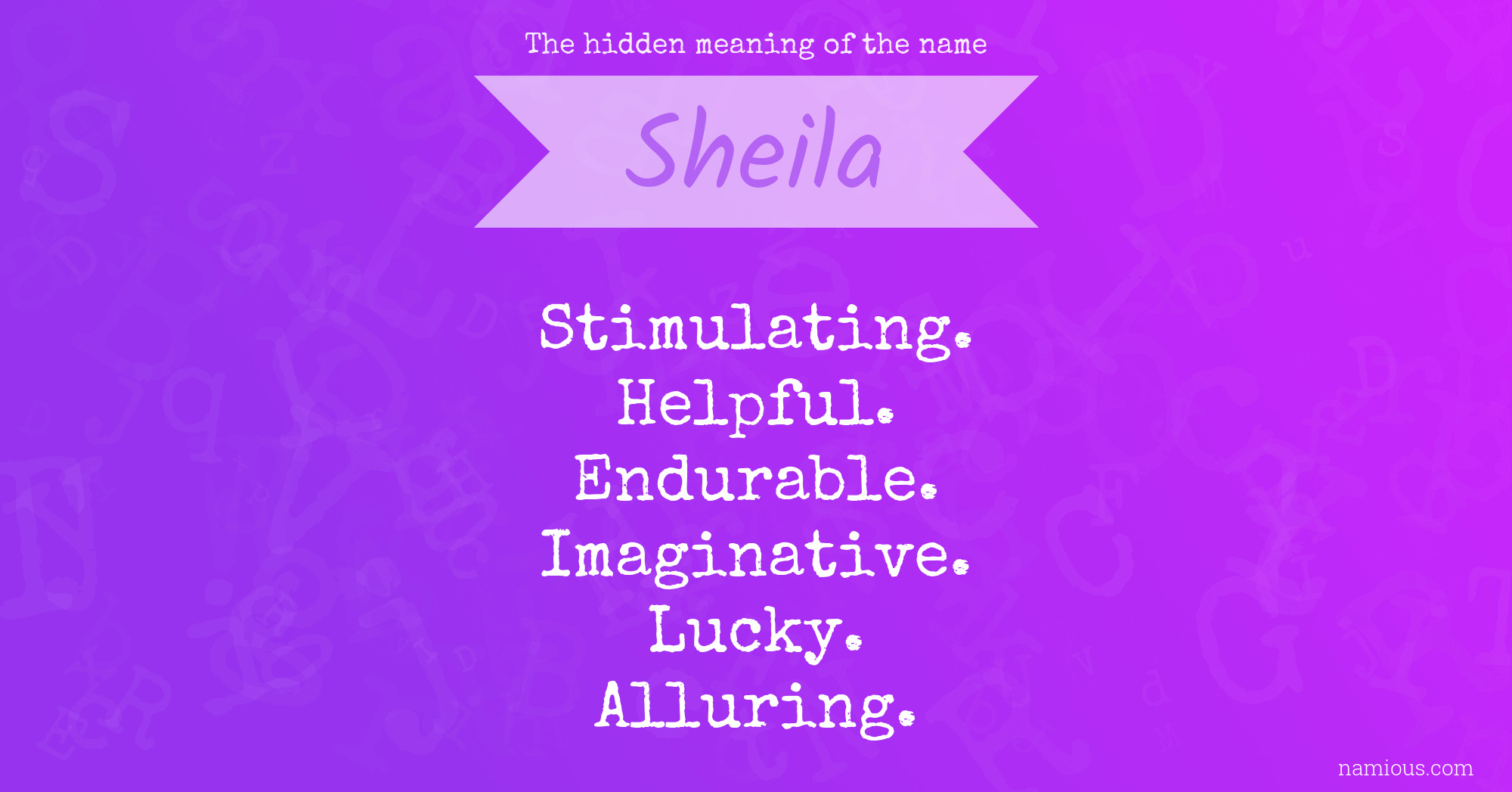
Ultimately, understanding what a name like “Sheila” means – both literally and culturally – provides a microcosm for the broader principles of brand building. Whether an individual is crafting a personal brand or a corporation is defining its market identity, the name serves as a foundational element. It’s the first impression, the mnemonic device, and the vessel for all the stories, values, and experiences that accumulate around it. Strategic thinking, an acute awareness of perception, and consistent brand building are essential to transform any name from a simple identifier into a powerful, resonant, and valuable brand asset.
aViewFromTheCave is a participant in the Amazon Services LLC Associates Program, an affiliate advertising program designed to provide a means for sites to earn advertising fees by advertising and linking to Amazon.com. Amazon, the Amazon logo, AmazonSupply, and the AmazonSupply logo are trademarks of Amazon.com, Inc. or its affiliates. As an Amazon Associate we earn affiliate commissions from qualifying purchases.