
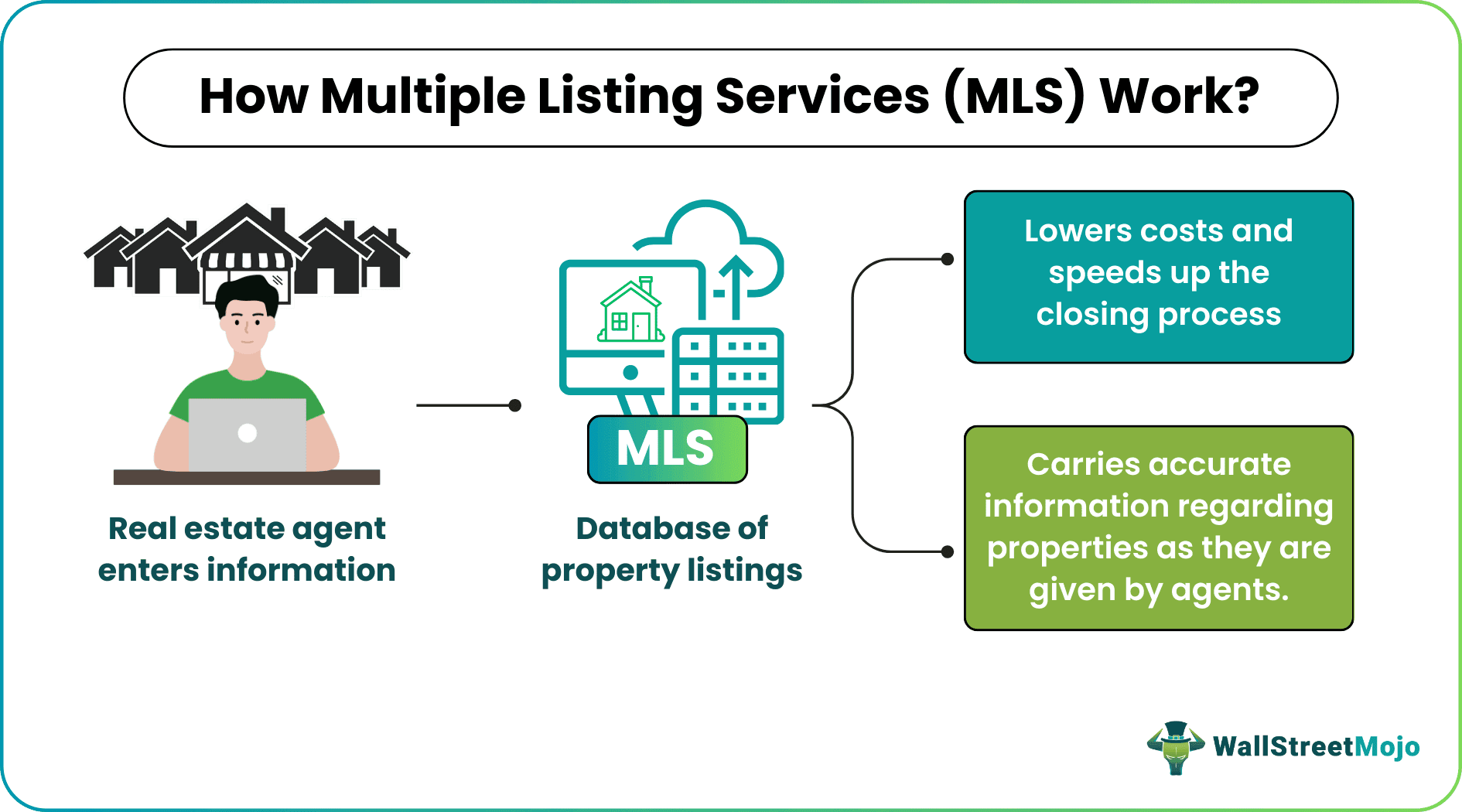
In the world of real estate, the acronym MLS stands for Multiple Listing Service. To the casual observer, it might appear to be a simple website where houses are listed for sale. However, from a technical perspective, the MLS is the foundational software infrastructure that powers the global real estate industry. It is a sophisticated suite of private databases used by real estate professionals to share property data, facilitate cooperation, and ensure data integrity across the digital landscape.
Understanding the MLS requires looking beyond the “for sale” signs and diving into the world of PropTech (Property Technology). It is an intricate ecosystem of data standards, API integrations, and cloud-based platforms that transform millions of individual data points into a cohesive, searchable network.

The Technological Architecture of the Multiple Listing Service
At its heart, the MLS is a master database designed for high-volume data exchange. It is not a single entity but a network of over 500 regional databases in the United States alone, all functioning on standardized protocols to ensure that information remains accurate and accessible.
The Role of Data Standardization and RESO
One of the most significant technological hurdles in real estate is the lack of uniformity in how property data is recorded. To solve this, the industry relies on the Real Estate Standards Organization (RESO). RESO creates the technical “language” that allows different MLS systems to communicate. By implementing a Data Dictionary and Web API standards, RESO ensures that a field labeled “Full Bathrooms” in a California-based MLS means exactly the same thing in a New York-based system. This standardization is critical for developers building apps and tools that rely on cross-regional data.
Cloud Integration and Database Management
Modern MLS platforms have transitioned from legacy on-premise servers to sophisticated cloud-based architectures. This migration allows for real-time updates—a necessity in a high-speed market. When an agent changes a listing status from “Active” to “Pending,” that data is processed via cloud triggers and pushed out to thousands of synchronized platforms within seconds. The use of cloud computing also enhances the scalability of the MLS, allowing it to handle massive influxes of high-resolution imagery and virtual tour video data without latency.
The Backend: SQL and NoSQL Frameworks
Behind the user interface of an MLS lies a complex backend often utilizing a mix of SQL (Relational) and NoSQL databases. Relational databases are used to manage the structured data—such as square footage, price, and address—where consistency is paramount. NoSQL elements are frequently employed to manage unstructured data, such as agent notes, various media formats, and activity logs, providing the flexibility needed for modern web applications.
How AI and Machine Learning Are Revolutionizing MLS Data
The evolution of the MLS is currently being driven by Artificial Intelligence (AI) and Machine Learning (ML). These technologies are transforming the MLS from a passive repository of information into a proactive, predictive tool for market analysis.
Computer Vision and Automated Image Tagging
In the past, real estate agents had to manually tag photos of a home, noting features like “hardwood floors” or “granite countertops.” Modern MLS systems now utilize computer vision—a subset of AI—to automatically scan uploaded photos. These algorithms can identify architectural styles, room types, and specific amenities with high precision. This tech not only saves time but also improves search accuracy for end-users by ensuring that “smart” filters are backed by verified visual data.
Predictive Analytics and Valuation Models
The MLS is the primary source of “Big Data” in real estate. By applying machine learning algorithms to historical MLS data, tech platforms can generate Automated Valuation Models (AVMs). These models analyze thousands of variables—including time on market, seasonal trends, and local school district ratings—to predict the future value of a property. For tech-focused investors and developers, this predictive capacity is the “killer app” of the modern MLS.
Natural Language Processing (NLP) in Search
The way users interact with the MLS is shifting from rigid dropdown menus to natural language queries. Through NLP, developers are creating interfaces where an agent can type, “Show me contemporary homes with solar panels and electric vehicle charging stations in a quiet neighborhood,” and the system can parse the intent behind those words to deliver curated results. This represents a leap from basic keyword matching to semantic search technology.
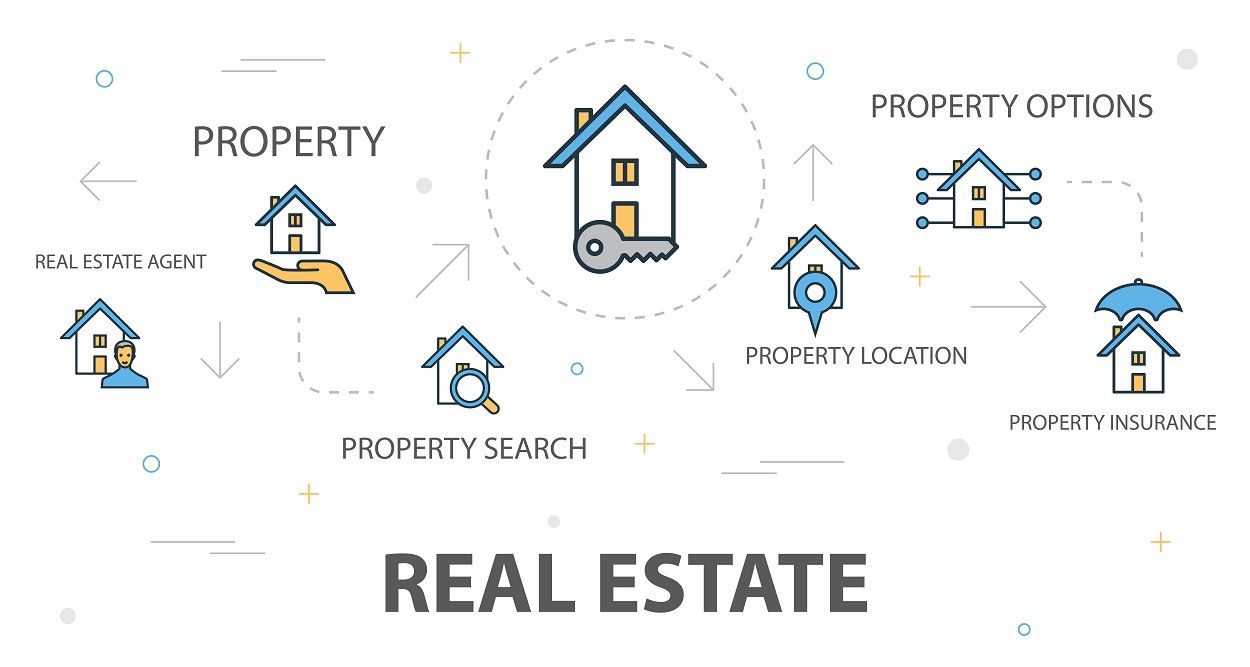
PropTech Interoperability: The IDX and API Ecosystem
The MLS does not exist in a vacuum. Its true power lies in its ability to distribute data to other software applications through a process known as IDX (Internet Data Exchange) and modern Web APIs.
IDX: The Bridge Between Professionals and Consumers
IDX is the software policy and set of technologies that allow real estate agents to display MLS listings on their own private websites. Technologically, this is achieved through a “data feed.” When you search for a home on a local agent’s website, you are essentially looking at a filtered, “front-end” view of the MLS “back-end.” This interoperability is what allows for a competitive marketplace of consumer-facing search tools.
API Integration and the “Headless” MLS
The industry is moving toward a “headless” architecture, where the data (the MLS) is separated from the presentation layer (the website or app). By using Web APIs, third-party developers can build innovative tools—such as mortgage calculators, neighborhood noise-level maps, or 3D floor plan generators—that plug directly into the MLS data stream. This API-first approach fosters a massive ecosystem of PropTech startups that use MLS data to create niche solutions for specific buyer personas.
Mobile-First Development and App Synchronization
As the real estate industry moves to mobile, MLS providers are prioritizing mobile-first development. This involves creating “Native Apps” that utilize a smartphone’s hardware, such as GPS for location-based searches and the camera for augmented reality (AR) features. These apps must remain in constant synchronization with the central MLS server to ensure that an agent in the field is seeing the same data as a coordinator at a desktop, requiring robust “Webhooks” and real-time data sync protocols.
Digital Security and Data Integrity in Real Estate Networks
Because the MLS contains sensitive information—including property access codes, owner contact details, and billions of dollars in transaction data—security is a top-tier technical priority.
Cybersecurity and Encryption Standards
MLS platforms employ enterprise-grade encryption for both data at rest and data in transit. This prevents “man-in-the-middle” attacks where malicious actors might attempt to intercept sensitive listing information. Multi-factor authentication (MFA) has become the standard for agents logging into the MLS, ensuring that unauthorized users cannot manipulate market data or scrape proprietary information.
The Potential for Blockchain Integration
There is significant tech-sector interest in migrating MLS data to a blockchain or distributed ledger system. In such a scenario, every change to a listing—a price drop, a new roof, or a change in ownership—would be recorded as an immutable “block.” This would theoretically eliminate data discrepancies and provide a transparent, unhackable history of a property’s lifecycle. While we are still in the early stages, “Smart Contracts” integrated with MLS data could eventually automate the entire closing process.
Protecting Intellectual Property and Preventing Data Scraping
One of the biggest technical challenges for the MLS is preventing unauthorized “data scraping.” High-frequency bots often attempt to crawl MLS-powered sites to steal listing photos and descriptions for use on fraudulent websites. To combat this, MLS providers use advanced bot-detection algorithms and digital watermarking on images. These technologies ensure that the data remains the intellectual property of the listing brokerage and maintains its integrity across the web.
The Future of MLS: Toward a “Real-Time” Data Hub
As we look toward the future, the MLS is evolving from a static database into a “Living Data Hub.” The integration of the Internet of Things (IoT) could soon allow the MLS to pull real-time data from smart homes, such as energy efficiency ratings or the current status of HVAC systems.
Furthermore, the transition to Web 3.0 suggests an era where MLS data will be more decentralized yet more interconnected than ever before. The “Tech” behind the Multiple Listing Service is no longer just about maintaining a list; it is about creating a high-fidelity, digital twin of the entire physical property market.
In conclusion, when someone asks, “What does MLS stand for in real estate?” the answer is technically a Multiple Listing Service. But for those in the tech industry, it stands for the most successful and durable example of a shared-data economy in history. It is a testament to how standardized data, cloud computing, and AI can take a fragmented, local industry and turn it into a streamlined, digital powerhouse.
aViewFromTheCave is a participant in the Amazon Services LLC Associates Program, an affiliate advertising program designed to provide a means for sites to earn advertising fees by advertising and linking to Amazon.com. Amazon, the Amazon logo, AmazonSupply, and the AmazonSupply logo are trademarks of Amazon.com, Inc. or its affiliates. As an Amazon Associate we earn affiliate commissions from qualifying purchases.