
The world of beauty and personal care is a dynamic and ever-evolving landscape, offering significant opportunities for those with specialized skills. Among the myriad of techniques that have gained prominence, knotless braids stand out not only for their aesthetic appeal and comfort but also for their potential as a valuable income stream. This article delves into the essence of knotless braids, exploring their technical nuances, the benefits they offer to clients, and most importantly, how mastering this craft can pave the way for lucrative side hustles and entrepreneurial ventures within the burgeoning beauty economy.
The Art and Science of Knotless Braiding: A Technical Deep Dive
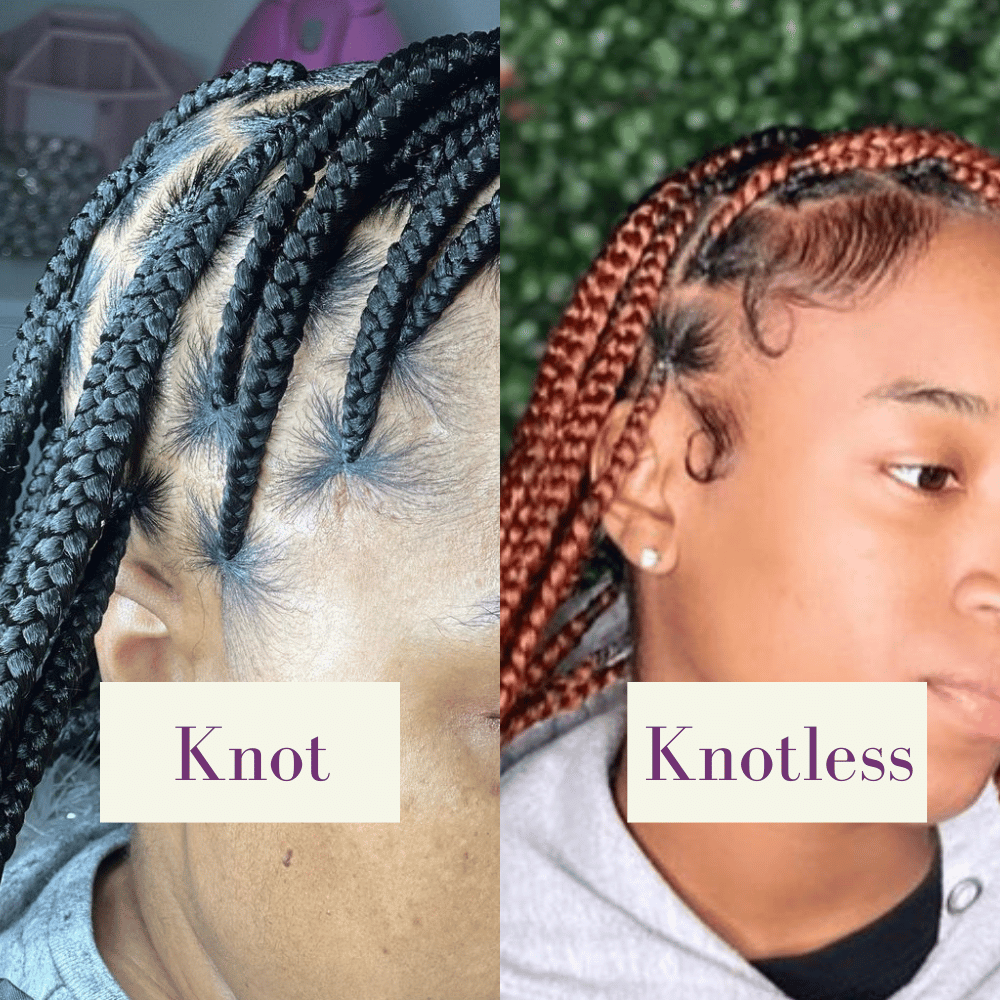
Knotless braiding represents a significant evolution in traditional braiding techniques. Unlike conventional methods that often begin with a knot at the scalp to secure the extension hair, knotless braids are characterized by a seamless integration of the extension into the natural hair. This subtle yet crucial difference unlocks a range of benefits for both the stylist and the client, impacting comfort, longevity, and the overall health of the hair. Understanding the underlying principles of this technique is the first step towards mastering it and, subsequently, leveraging it for financial gain.
The Mechanics of Seamless Integration
The core of knotless braiding lies in the continuous feed-in method. Instead of tying a knot, the stylist begins by braiding the client’s natural hair. As the braid progresses down the strand, small sections of extension hair are meticulously and gradually interwoven. This process is ongoing, with the extension hair being fed in smoothly and consistently, creating a unified and natural-looking plait from root to tip. The key is to avoid any bulky starting points or tight knots that can cause stress on the scalp and hair follicles.
Distinguishing Knotless from Traditional Braids
The most apparent difference, as the name suggests, is the absence of a knot at the base. In traditional box braids or cornrows, extensions are often attached by tying them to the natural hair, creating a small, firm knot. This can lead to:
- Scalp Tension and Discomfort: The knots can pull on the scalp, causing pain, headaches, and potential breakage.
- Limited Longevity: Over time, these knots can loosen or fray, leading to a less polished appearance.
- Hair Damage: The friction and tension from knots can contribute to breakage at the root.
Knotless braids, by contrast, distribute the tension more evenly, leading to a more comfortable and natural feel. The gradual feed-in also allows for a softer, more flexible braid that can lie flatter against the scalp.
Materials and Tools of the Trade
Successful knotless braiding requires a specific set of tools and materials to ensure precision and quality. These include:
- High-Quality Extension Hair: Kanekalon or similar synthetic braiding hair is commonly used. The choice of texture and color is vast, catering to diverse client preferences.
- Rat-Tail Comb: Essential for sectioning the hair precisely and creating clean parts.
- Styling Cream or Gel: Used to smooth the natural hair and extensions, preventing frizz and ensuring a neat finish.
- Shears or Scissors: For trimming excess hair and creating a clean, finished look.
- Clips: To hold sections of hair out of the way during the braiding process.
- Edge Control: For neatening the hairline and creating a polished look.
Mastering the use of these tools and understanding how different types of extension hair behave is crucial for delivering professional-quality knotless braids that command premium pricing.
The Client Experience: Why Knotless Braids Are in High Demand
The growing popularity of knotless braids is not merely a trend; it’s a testament to the tangible benefits they offer to clients. These advantages translate directly into client satisfaction, repeat business, and positive word-of-mouth referrals – all vital components for building a successful service-based business. Understanding these benefits from the client’s perspective is key to marketing and selling your braiding services effectively.
Comfort and Scalp Health: A Game Changer
Perhaps the most significant advantage of knotless braids is their unparalleled comfort. By eliminating the initial knot, the tension on the scalp is dramatically reduced. This means clients can enjoy their protective style without the common discomfort, headaches, or soreness often associated with traditional braids. This comfort is particularly appealing to individuals with sensitive scalps or those who have experienced negative side effects from other braiding methods. The reduced tension also promotes healthier hair growth, as it minimizes stress on the hair follicles, preventing breakage and thinning at the roots.
Natural Appearance and Versatility
Knotless braids offer a more natural and seamless look. Because the extension hair is gradually fed in, the braids appear as if they are growing directly from the scalp. This creates a softer, more organic aesthetic that many clients desire. Furthermore, this technique allows for greater versatility in styling. The absence of bulky knots at the base makes it easier to achieve various updos, ponytails, and other styles without compromising the integrity or appearance of the braid. This versatility is a significant selling point for clients who want a protective style that doesn’t limit their styling options.
Longevity and Ease of Maintenance
While all protective styles require some level of care, knotless braids often boast impressive longevity. The method of seamlessly integrating the extensions helps to keep the braids looking neat and tidy for longer periods. They tend to unravel less and maintain their shape more effectively compared to traditional knot-based styles. This durability, combined with the ease of maintenance (often involving minimal manipulation and wrapping at night), makes knotless braids a practical and attractive choice for individuals seeking a low-maintenance yet stylish protective hairstyle.
Monetizing Knotless Braiding: Building a Profitable Side Hustle
The demand for skilled knotless braiders is robust, presenting a clear opportunity for individuals looking to generate additional income or even establish a full-time business. By understanding the market, pricing strategies, and effective client acquisition, you can transform your braiding skills into a profitable venture. This section focuses on the practical business aspects of offering knotless braiding services.
Market Research and Niche Identification
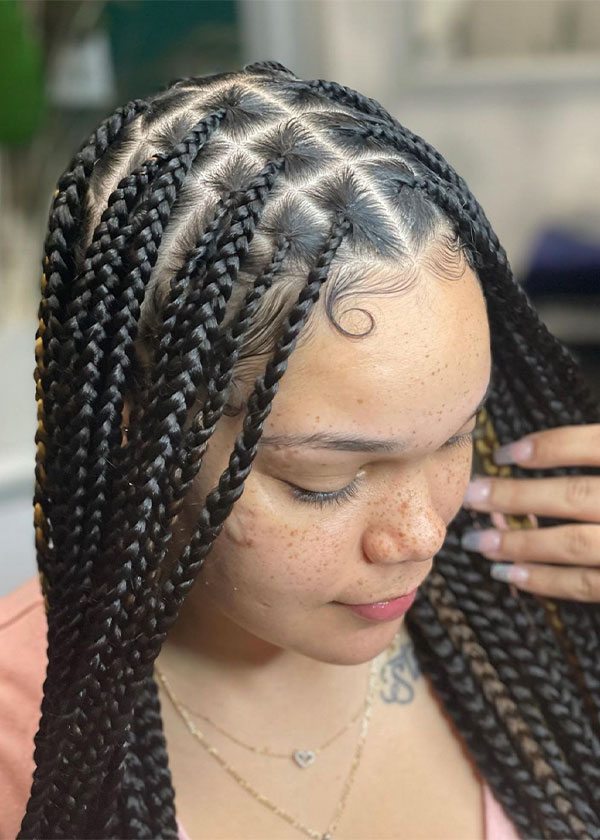
Before diving in, it’s crucial to understand your local market. Identify the demand for knotless braiding in your area. Are there existing stylists? What are they charging? What styles are most popular? Consider specializing in specific types of knotless braids (e.g., individual knotless, knotless cornrows) or targeting a particular demographic. This market intelligence will inform your pricing, marketing, and service offerings.
Pricing Your Services for Profitability
Pricing is a critical component of any successful side hustle. Knotless braiding is a skill that requires time, precision, and expertise, and your pricing should reflect this. Consider the following factors:
- Time Investment: Knotless braids can take several hours to complete, depending on the length, thickness, and style. Factor in your hourly rate.
- Material Costs: While the cost of extension hair and other supplies might seem small per client, it adds up. Ensure your prices cover these expenses.
- Skill and Experience: As your skills develop and your reputation grows, you can command higher prices.
- Market Rates: Research what other stylists in your area are charging for similar services. Aim to be competitive but also value your expertise.
- Complexity of the Style: Intricate designs, very long braids, or styles requiring a significant amount of hair will naturally command higher prices.
A common approach is to offer tiered pricing based on braid length (shoulder-length, mid-back, waist-length) and complexity. Clearly communicate your pricing structure to clients upfront to avoid any misunderstandings.
Marketing Your Knotless Braiding Business
Effective marketing is essential for attracting clients. Here are some strategies tailored for a braiding side hustle:
- Build a Strong Portfolio: High-quality photos and videos of your work are your most powerful marketing tool. Document your best creations from various angles.
- Leverage Social Media: Platforms like Instagram, TikTok, and Facebook are ideal for showcasing your braiding skills. Use relevant hashtags (e.g., #knotlessbraids, #braidstyles, #protectivestyles, #[yourcity]braids) to increase visibility. Engage with potential clients in the comments and through direct messages.
- Word-of-Mouth Referrals: Encourage satisfied clients to spread the word. Consider offering referral discounts for both the existing client and the new client they bring in.
- Local Partnerships: Collaborate with local beauty supply stores, salons, or complementary businesses.
- Online Booking and Payment: Make it easy for clients to book appointments and pay for your services. Utilize online booking platforms and payment apps to streamline the process.
- Client Testimonials: Positive reviews build trust and credibility. Ask happy clients to provide testimonials that you can feature on your social media or website.
By combining technical skill with smart business practices, mastering knotless braiding can be a rewarding and profitable path within the dynamic beauty industry.
Scaling Your Knotless Braiding Enterprise: From Side Hustle to Sustainable Income
As your knotless braiding side hustle gains traction, you might start to consider ways to scale your operations and increase your earning potential. This involves moving beyond individual appointments and exploring opportunities that leverage your expertise and established client base. This section will focus on strategies for growth and long-term financial sustainability.
Expanding Your Service Offerings
Once you’ve mastered the core knotless braiding technique, consider diversifying your services. This can attract a wider range of clients and increase your average revenue per client. Potential expansions include:
- Knotless Cornrows: A popular variation that offers a sleek and defined look.
- Knotless Box Braids: The classic style adapted to the knotless method.
- Knotless Twists: Offering alternatives to braids for clients who prefer twists.
- Color Integration: Experimenting with creative color combinations using extension hair.
- Customization: Offering bespoke styles that cater to individual client requests and preferences.
- Kids’ Braiding: Many parents seek knotless braiding for their children due to the comfort factor. This can be a significant niche.
By offering a more comprehensive suite of braiding services, you position yourself as a go-to expert for various protective styling needs.
Building a Brand Identity and Online Presence
To truly scale, you need to move beyond just being a braider and become a recognized brand. This involves developing a distinct identity that resonates with your target audience.
- Brand Name and Logo: Choose a memorable brand name and create a professional logo. This will be the visual representation of your business.
- Website or Professional Social Media Page: A dedicated website or a highly curated Instagram/Facebook page acts as your digital storefront. It should showcase your portfolio, services, pricing, testimonials, and booking information.
- Consistent Visuals and Messaging: Maintain a consistent aesthetic across all your platforms. Your messaging should clearly communicate your value proposition – what makes your knotless braiding services unique and desirable.
- Content Creation: Beyond showcasing finished styles, consider creating educational content. Short video tutorials on basic hair care for braided styles, tips for maintenance, or behind-the-scenes glimpses of your braiding process can engage your audience and establish you as an authority.
A strong brand identity builds trust and loyalty, making clients more likely to choose you over competitors and recommend you to others.

Exploring Advanced Business Models
As your demand grows, you can explore more advanced business models to increase your income and impact.
- Teaching Workshops and Online Courses: If you excel at teaching, consider offering in-person workshops or online courses to teach others how to do knotless braids. This can generate significant passive income and establish you as a thought leader in the braiding community. You can sell detailed video guides, e-books, or offer live virtual training sessions.
- Product Line Development: Consider developing your own line of hair care products specifically formulated for braided styles, such as edge control, moisturizing sprays, or bonnet designs. This can be a significant revenue diversification strategy.
- Building a Small Team: If you find yourself consistently booked out, you might consider hiring and training other braiders to work under your brand. This requires strong management skills but can significantly increase your overall business capacity and revenue. Ensure you maintain quality control and brand consistency with any team members.
- Partnerships with Salons: Explore opportunities to partner with established salons. You could offer your services as a specialized braiding technician within their establishment, allowing you to tap into their existing client base.
By strategically expanding your services, building a strong brand, and exploring innovative business models, knotless braiding can evolve from a profitable side hustle into a sustainable and thriving enterprise, providing significant financial rewards and career fulfillment.
aViewFromTheCave is a participant in the Amazon Services LLC Associates Program, an affiliate advertising program designed to provide a means for sites to earn advertising fees by advertising and linking to Amazon.com. Amazon, the Amazon logo, AmazonSupply, and the AmazonSupply logo are trademarks of Amazon.com, Inc. or its affiliates. As an Amazon Associate we earn affiliate commissions from qualifying purchases.