
In the dynamic world of real estate, acronyms abound, often creating a perplexing lexicon for both newcomers and seasoned professionals alike. Among the most fundamental and frequently encountered is “MLS.” Far from just another industry term, the Multiple Listing Service (MLS) is the technological backbone that underpins the vast majority of residential real estate transactions in North America. To truly grasp its significance, one must understand it not merely as a database, but as a sophisticated software system, a collaborative digital platform, and a critical piece of technological infrastructure.

This article delves into the technological essence of the MLS, dissecting its origins, current functionalities, evolutionary path, and future trajectory within the tech sphere of real estate. We will explore how this system acts as a central nervous system, connecting thousands of agents, brokers, and eventually, homebuyers and sellers, through a meticulously organized digital framework.
The Foundational Technology of Real Estate
At its core, the Multiple Listing Service is a proprietary database created, maintained, and shared by real estate brokers who are members of a local real estate board. Its primary purpose is to provide a comprehensive, organized, and constantly updated repository of properties for sale within a specific geographical area. This isn’t just a simple spreadsheet; it’s a complex, multi-faceted software system designed for specialized data management and distribution.
Origins and the Digital Transformation of Property Listings
The concept of an MLS predates the digital age, originating in the late 19th century. Early real estate brokers would gather regularly, sharing information about properties they had listed and agreeing to compensate each other if they helped sell a property. This manual, often paper-based information exchange was the nascent form of collaboration.
The true technological leap occurred with the advent of computers and, later, the internet. What began as index cards and printed catalogs evolved into intricate mainframe systems, then networked databases, and finally, sophisticated web-based platforms. This digital transformation centralized information, standardized data entry, and made property details instantly accessible to a much wider network of professionals, drastically increasing efficiency and market reach. The transition from physical meetings to real-time digital sharing represented one of the most significant technological shifts in the real estate industry.
The Core Purpose: Information Sharing and Collaboration
The fundamental technological purpose of the MLS is to facilitate systematic information sharing and foster collaboration among competing real estate brokers. By pooling their exclusive listing data into a shared digital repository, brokers create a comprehensive market view that benefits everyone. This collaborative spirit, enforced by strict rules and technology, ensures that buyers have access to the widest possible selection of properties, and sellers benefit from maximum exposure for their listings. Without this technological framework, the market would be fragmented, inefficient, and opaque.
Who Operates and Governs MLS Systems? (Local Boards, Data Standards)
MLS systems are not monolithic national entities. Instead, they are typically operated by local or regional associations of REALTORS® (or similar professional bodies) in the United States and Canada. Each association, working with a chosen software vendor, manages its own MLS system. This localized approach means there can be hundreds of distinct MLS databases across North America, each with its own specific rules and geographical coverage.
Despite this decentralization, there’s a strong emphasis on data standardization. Organizations like the Real Estate Standards Organization (RESO) play a crucial role in developing and implementing data standards (e.g., RESO Data Dictionary) that ensure consistency across different MLS systems. This technological standardization is vital for data portability, allowing third-party applications and websites to integrate data from multiple MLS feeds seamlessly. It underpins the ability of national search portals to display listings from various regions.
How MLS Functions as a Centralized Database System
Understanding the MLS from a technological perspective involves appreciating its role as a highly specialized, centralized database system. It’s not just a collection of files; it’s an intelligent system designed for data input, validation, storage, retrieval, and distribution, all with specific real estate requirements in mind.
Data Input and Standardization: Ensuring Consistency
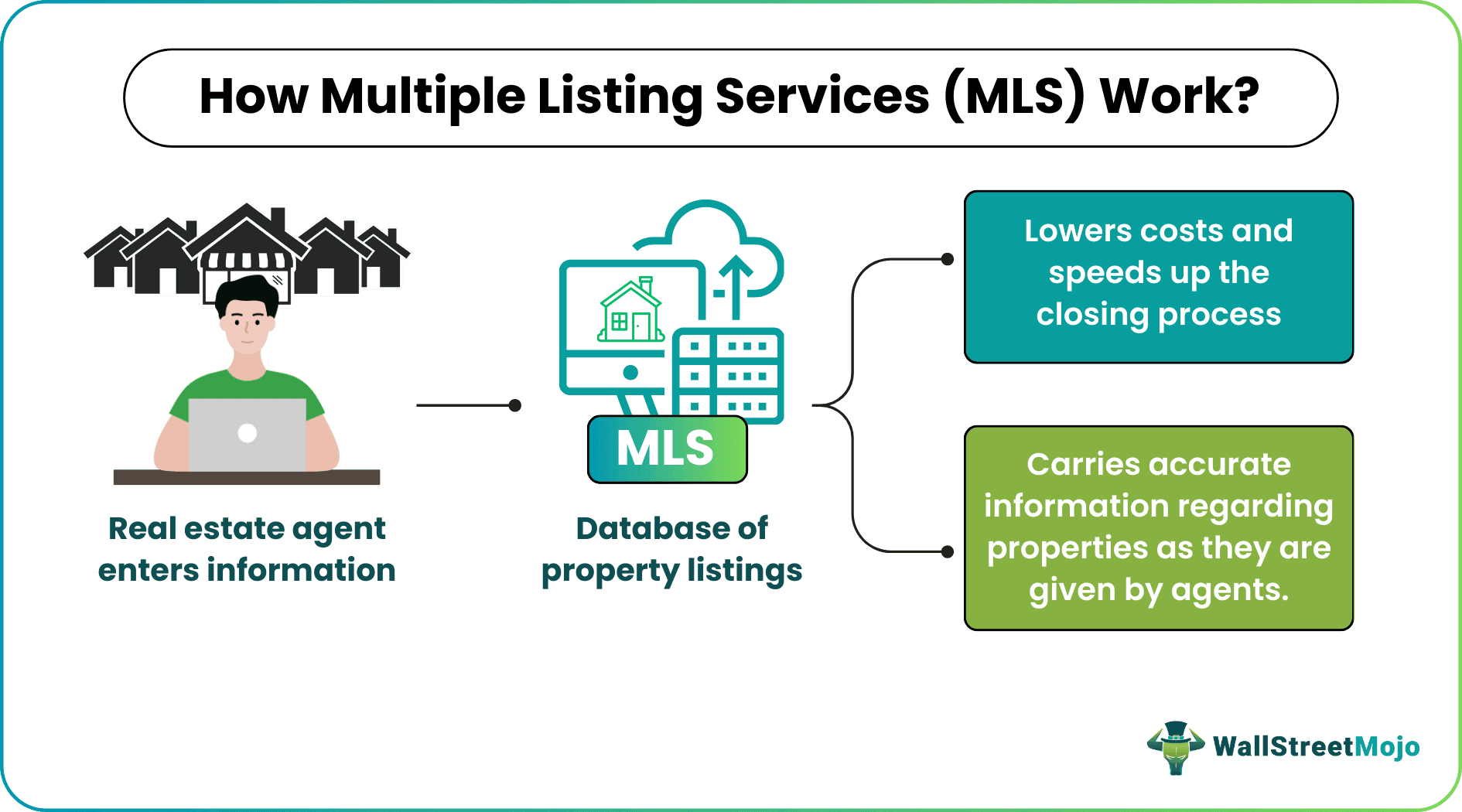
The process begins when a real estate agent “lists” a property for sale. This involves entering a vast array of data points into the MLS system. This data includes property address, price, number of bedrooms and bathrooms, square footage, property type, lot size, photos, virtual tours, and detailed descriptions. The MLS software enforces strict data entry requirements and validation rules to ensure accuracy and consistency. Fields are often mandatory, data types are specified (e.g., numerical for price, categorical for property type), and specific formats are required. This standardization is critical; it ensures that all users can reliably search and compare properties using consistent criteria, regardless of which agent entered the data.
Syndication and Data Distribution: Reaching a Wider Audience
One of the most powerful technological aspects of the MLS is its capability for data syndication. Once a listing is entered and approved, the MLS system can automatically distribute this data to a variety of authorized channels. This includes individual brokerage websites, agents’ personal websites, and national real estate portals like Zillow, Trulia, Realtor.com, and numerous others (though the specifics of syndication vary by MLS and broker agreements).
This automated data distribution, often managed through Application Programming Interfaces (APIs) or data feeds (like IDX—Internet Data Exchange), ensures that property information reaches a massive audience with minimal manual effort. It’s a testament to the system’s ability to act as a central hub for wide-scale digital information dissemination.
Search and Filtering Capabilities: Empowering Agents and Consumers
The MLS system provides sophisticated search and filtering functionalities that are far more granular and powerful than what’s typically available to the general public. Agents can search for properties based on hundreds of criteria, combine multiple filters, define custom geographical boundaries, and even track the history of listings. This robust search engine is paramount for agents to efficiently match buyers with suitable properties and conduct detailed market analysis. The underlying database indexing and query optimization are critical technical components that enable these complex searches to be executed rapidly and accurately.
The Role of Third-Party Integrations (CRMs, Websites)
Modern MLS platforms are built with an open architecture to support integration with a wide ecosystem of third-party real estate technologies. Through APIs, MLS data can be pulled into Customer Relationship Management (CRM) systems (e.g., Salesforce, Top Producer, Follow Up Boss) used by agents to manage client interactions. It integrates with digital marketing platforms for listing promotion, comparative market analysis (CMA) tools for property valuation, and specialized website platforms that automatically display MLS listings. This interconnectedness highlights the MLS not as an isolated system, but as a central data provider within a broader technological stack that real estate professionals utilize daily.
The Technological Evolution and Modern Features of MLS
The MLS is not a static technology; it continuously evolves to meet the changing demands of the market and leverage new technological advancements. The journey from rudimentary databases to today’s feature-rich platforms is a testament to ongoing innovation.
From Manual Listings to Sophisticated Software Platforms
The earliest MLS systems were essentially digital versions of paper files. Today’s systems are comprehensive software suites. They offer intuitive user interfaces, robust backend databases, complex algorithms for data matching and validation, and advanced security protocols. They are designed to handle massive volumes of data, facilitate high-speed transactions, and provide a reliable, always-on service critical to the real estate industry. This evolution reflects the broader trend of enterprise software development, bringing the power and complexity of modern computing to the real estate professional.
Advanced Search Algorithms and Predictive Analytics (Emerging)
While core search functionality has long been a strength, MLS platforms are beginning to integrate more advanced algorithms. These include natural language processing for more intuitive search queries and machine learning models for predictive analytics. Imagine an MLS system that not only shows you homes matching your criteria but also predicts which neighborhoods are likely to appreciate fastest, or which listings are likely to sell above asking price. While not universally implemented, the potential for AI and machine learning to transform how agents extract insights from MLS data is immense.
Mapping and Geographic Information Systems (GIS) Integration
Modern MLS systems heavily integrate with Geographic Information Systems (GIS) technology. This allows for highly visual and interactive mapping features, enabling users to search properties within custom drawn boundaries, view satellite imagery, analyze property overlays (e.g., school districts, flood zones, zoning information), and visualize market trends spatially. This GIS integration transforms raw data into actionable geographic intelligence, crucial for site selection and market analysis.
Mobile Accessibility and User Experience (UX) Enhancements
Recognizing that real estate professionals are constantly on the go, MLS providers have invested significantly in mobile accessibility. Dedicated apps and responsive web designs ensure that agents can access, update, and manage listings, communicate with clients, and conduct searches directly from their smartphones or tablets. User experience (UX) design has also become a priority, with interfaces designed for clarity, ease of use, and efficient workflow, minimizing the learning curve and maximizing productivity.
Beyond the Core: Data, Integrations, and Future Tech Trends
The influence of the MLS extends far beyond simply listing properties. It’s a vast reservoir of market data, a hub for technological integration, and a subject ripe for future technological disruption.
The Power of MLS Data: Market Analysis and Insights
The aggregated data within MLS systems represents one of the most comprehensive and accurate sources of real estate market intelligence available. This data, anonymized and analyzed, allows economists, brokers, and appraisers to track market trends, assess property values, understand supply and demand dynamics, and forecast future market conditions. From average days on market to price per square foot comparisons across neighborhoods, MLS data is invaluable for strategic decision-making and property valuation, forming the basis for countless market reports and insights.
API Development and Ecosystem Connectivity
The push for greater interoperability means that MLS providers are increasingly developing robust Application Programming Interfaces (APIs). These APIs allow developers to build specialized applications that leverage MLS data in innovative ways, creating a richer ecosystem of tools for real estate professionals. This open API approach fosters innovation, enabling everything from sophisticated marketing automation platforms to highly customized client portals, all powered by the underlying MLS data.
The Potential Impact of AI and Machine Learning on MLS
The future of MLS technology is likely to be heavily influenced by Artificial Intelligence (AI) and Machine Learning (ML). AI could enhance the accuracy of property valuations, personalize property recommendations for buyers, automate routine data entry and compliance checks, and even assist in predicting market shifts. ML algorithms could identify patterns in listing data to suggest optimal pricing strategies or marketing angles. While these are still largely nascent applications, the sheer volume and structured nature of MLS data make it an ideal candidate for AI-driven transformation.
Blockchain for Listing Security and Transparency (Speculative/Future)
Looking further ahead, some speculate about the potential for blockchain technology to enhance MLS systems. Blockchain could offer a decentralized, immutable ledger for property listings, theoretically increasing transparency, security, and reducing the potential for data manipulation. While current MLS systems are highly centralized, the distributed ledger technology could provide an additional layer of verification and trust, particularly for recording property ownership, transaction histories, and critical listing details. This remains a more futuristic concept but highlights the ongoing exploration of cutting-edge technologies within the real estate tech space.
Leveraging MLS Technology: Benefits and Challenges for Real Estate Professionals
For real estate professionals, the MLS is more than just a tool; it’s an indispensable operating system that dictates workflow, enables market understanding, and facilitates transactions. Understanding how to effectively leverage this technology is paramount for success.
Enhanced Efficiency and Workflow Automation
The MLS dramatically boosts efficiency by centralizing listing information and automating many tasks that were once manual. Agents can quickly input new listings, disseminate information instantly, and conduct comprehensive searches in minutes. Features like automated email alerts for new listings or price changes streamline communication with clients. This automation frees up agents’ time, allowing them to focus on client relationships, negotiations, and strategic tasks rather than data entry and information gathering.
Access to Comprehensive Market Intelligence
For agents, the MLS provides unparalleled access to market intelligence. They can pull up historical sales data, track active and pending listings, analyze neighborhood trends, and conduct detailed comparative market analyses (CMAs). This deep dive into the market, powered by robust querying capabilities, allows agents to advise their clients with authority, helping sellers price their homes competitively and buyers make informed offers. Without this technologically facilitated access to market data, strategic decision-making would be significantly hampered.
Data Accuracy and Compliance Considerations
While the MLS offers immense benefits, it also presents challenges, particularly regarding data accuracy and compliance. Agents are responsible for ensuring that the data they input is truthful, complete, and adheres to strict MLS rules and regulations. Errors, misrepresentations, or omissions can lead to fines, sanctions, and reputational damage. The technology itself provides validation checks, but ultimate responsibility lies with the user. Moreover, understanding the complex rules surrounding data usage, syndication, and intellectual property rights (who owns the data) is a continuous learning curve for real estate professionals.

The Learning Curve and Adapting to New Features
Like any sophisticated software, the MLS requires a certain level of technical proficiency and continuous learning. As systems evolve and new features are introduced, agents must adapt and stay current to maximize the utility of the platform. This includes mastering new search filters, understanding reporting tools, and integrating with other real estate tech solutions. Training and ongoing education are crucial for agents to effectively leverage the full power of their MLS technology and remain competitive in an increasingly tech-driven industry.
In conclusion, the MLS is far more than an acronym; it’s a monumental achievement in real estate technology. It represents a complex, evolving digital ecosystem that facilitates collaboration, centralizes data, drives market efficiency, and forms the bedrock upon which modern real estate transactions are built. For anyone involved in real estate, understanding the technological intricacies and vast capabilities of the MLS is not just beneficial—it’s absolutely essential.
aViewFromTheCave is a participant in the Amazon Services LLC Associates Program, an affiliate advertising program designed to provide a means for sites to earn advertising fees by advertising and linking to Amazon.com. Amazon, the Amazon logo, AmazonSupply, and the AmazonSupply logo are trademarks of Amazon.com, Inc. or its affiliates. As an Amazon Associate we earn affiliate commissions from qualifying purchases.