
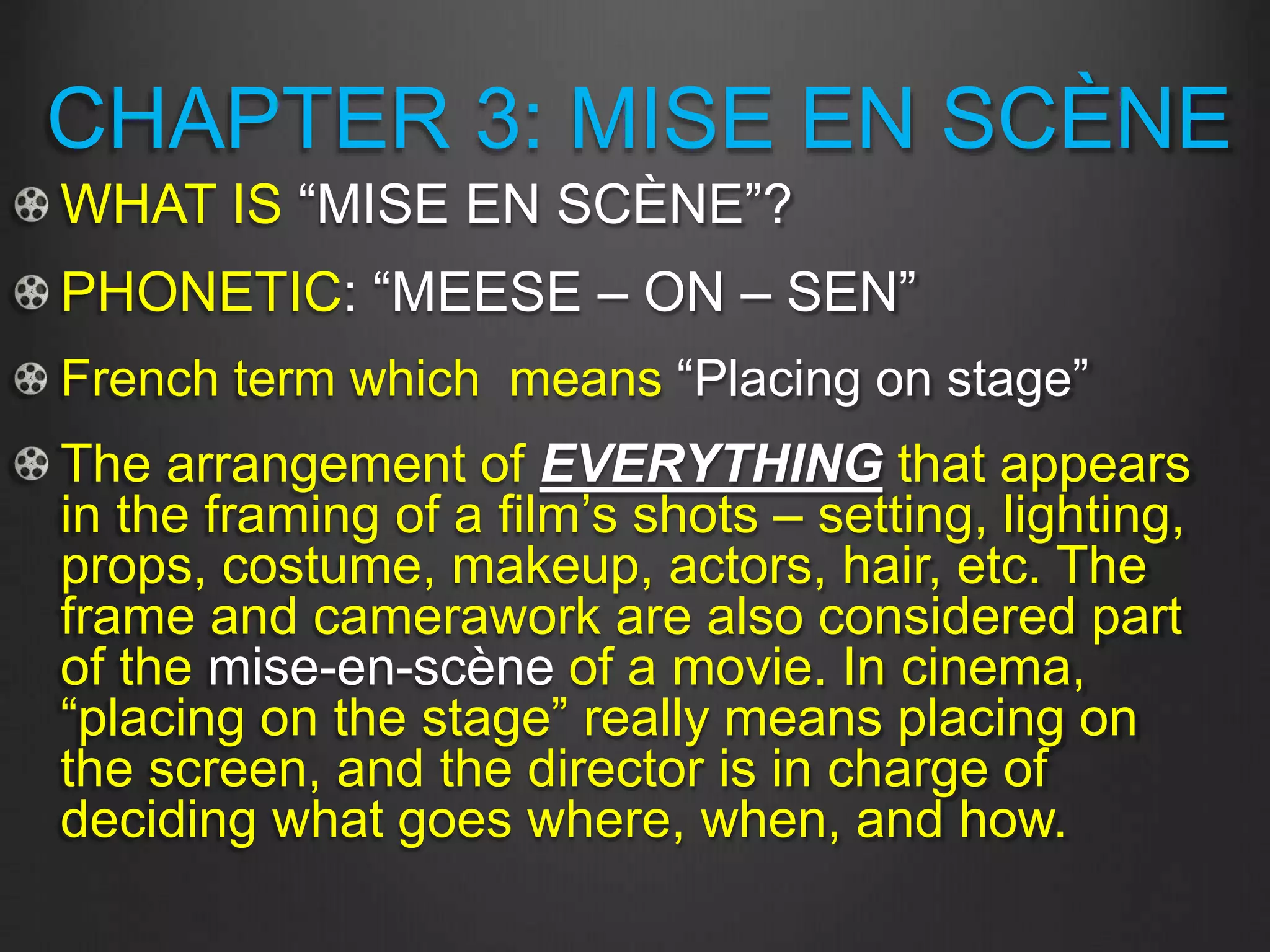
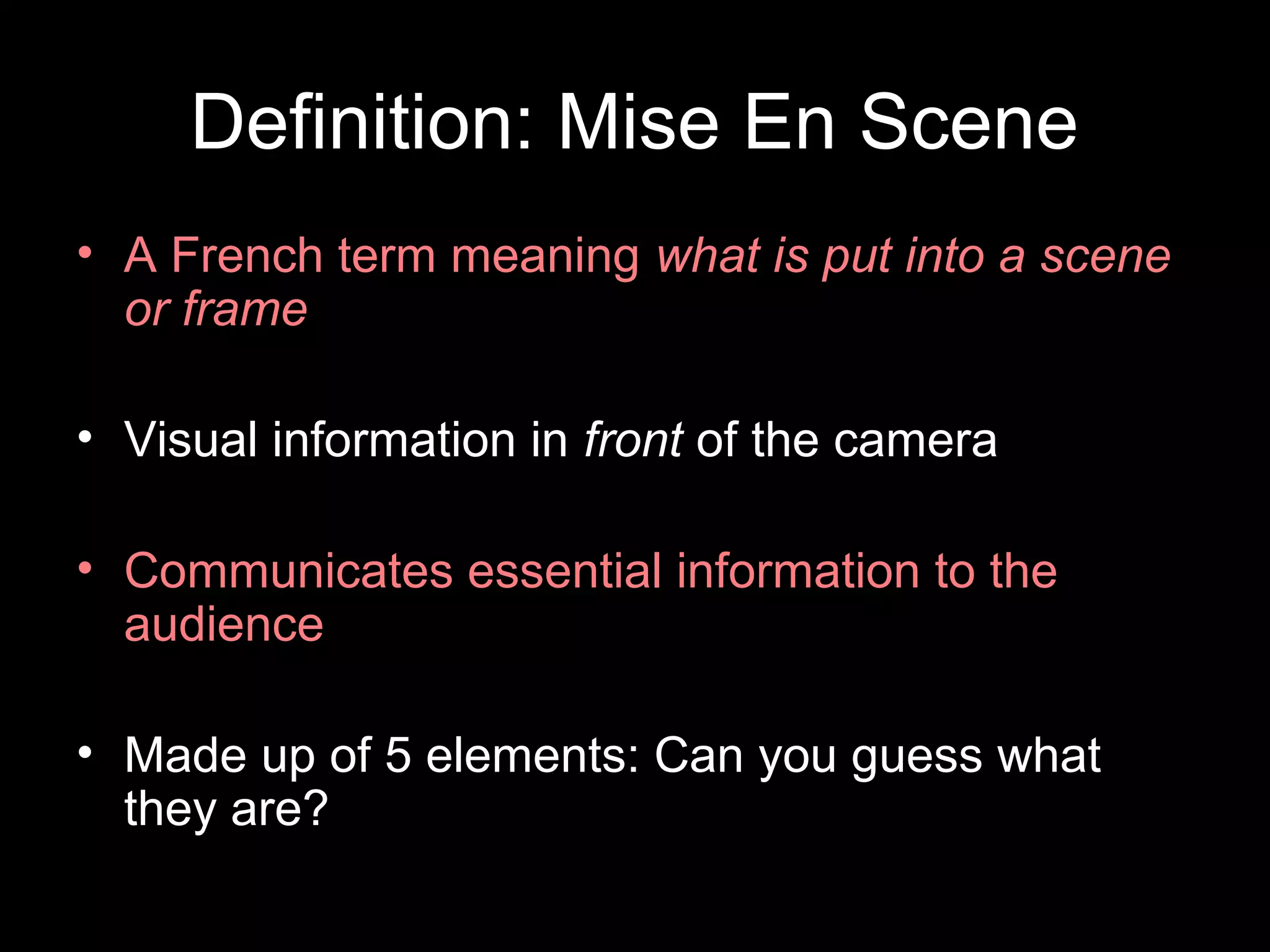
The term “mise en scène” is a cornerstone of cinematic and theatrical analysis, translating directly from French to “placing on stage.” While its origins lie in the performing arts, its application and understanding have expanded significantly, particularly within the realm of visual media and its intricate relationship with technology. In the digital age, where content creation is more accessible than ever, a deep appreciation for mise en scène offers creators, marketers, and even consumers a powerful lens through which to understand and deconstruct the messages embedded within visual narratives. This article will delve into the meaning of mise en scène, exploring its core components and highlighting its profound implications within the technological landscape.

The Foundational Elements of Mise en Scène
Mise en scène is not a singular entity but rather a complex interplay of distinct elements that work in concert to create a specific atmosphere, convey meaning, and guide the viewer’s interpretation. Understanding each of these components is crucial to grasping the full power of this directorial tool.
Setting and Decor: The Canvas of the Narrative
The setting is the physical space where the action takes place, and it is far more than just a backdrop. It is an active participant in the storytelling, offering clues about the characters, their social standing, their psychological states, and the overarching themes of the work. In film and digital content, the choice of location – be it a sprawling metropolis, a minimalist apartment, or a fantastical digital landscape – immediately establishes context and tone.
The Impact of Digital Environments:
With the rise of virtual reality, augmented reality, and sophisticated CGI, the concept of “setting” has broadened considerably. Digital environments can be meticulously crafted to evoke specific emotions or to embody abstract concepts. A sterile, futuristic cityscape in a tech demo might signify progress and efficiency, while a richly detailed, historically accurate virtual reconstruction could aim for educational immersion. The design of these digital spaces, from the textures and lighting to the placement of interactive elements, is a direct manifestation of mise en scène. The decisions made by digital artists and world-builders directly influence how users perceive the technology and the narrative it supports. For instance, a virtual reality training simulation for complex machinery might feature a cluttered, realistic workshop to prepare users for the challenges of a real-world environment, thereby enhancing the perceived utility and authenticity of the technology.
Costumes and Makeup: Revealing Character and Context
Costumes and makeup are potent visual cues that communicate a wealth of information about characters. They can signal social class, profession, personality traits, historical period, and even a character’s internal emotional state. A perfectly tailored suit might suggest wealth and power, while worn, practical clothing could indicate a more humble or hardworking individual.
Brand Identity Through Visual Cues:
In the context of technology brands, costumes and makeup translate into the visual language of their products and promotional materials. Consider the sleek, minimalist design of Apple products or the bold, utilitarian aesthetic of a construction equipment brand. These are forms of visual branding, akin to costumes that define the “character” of the company. The color palettes, material choices, and overall design language of a tech product communicate its intended audience, its perceived quality, and its place in the market. For example, a company marketing cutting-edge AI research might opt for a futuristic, almost ethereal visual style in its presentations and website, while a cybersecurity firm might favor darker, more robust imagery to convey strength and protection. The careful selection of these visual elements, much like costume design, imbues the brand with a distinct identity and appeals to specific consumer aspirations or anxieties.
Lighting: Shaping Mood and Focus
Lighting is one of the most powerful tools in mise en scène, capable of manipulating mood, directing the viewer’s attention, and revealing or concealing information. High-key lighting, with its bright and even illumination, often creates a sense of optimism and clarity, commonly seen in comedies or advertisements for consumer goods. Low-key lighting, characterized by deep shadows and high contrast, can evoke suspense, mystery, or drama, frequently used in thrillers or when exploring darker themes.
The Art of Illuminating Technology:
In the presentation of technology, lighting plays a critical role in highlighting the features and benefits of a product or service. Product photography and videography often employ sophisticated lighting techniques to make devices appear more appealing, sophisticated, and functional. A dimly lit product shot might emphasize the sleek curves of a new gadget, drawing the viewer’s eye to its form, while bright, directional lighting could showcase the clarity of a display screen or the intricate details of a component. Furthermore, the lighting used in explainer videos or software demonstrations can guide the viewer’s understanding. Clear, well-lit interfaces in tutorials help users to easily identify buttons and navigate through functions, directly impacting their perception of the technology’s usability and intuitiveness. The strategic use of light ensures that the viewer sees what the creator wants them to see, shaping their initial impression and influencing their willingness to engage with the technology.
Staging and Actor Performance: The Human Element in Tech Narratives
Staging refers to the arrangement of actors and objects within the frame, including their positioning, movement, and interaction. The way actors move, their gestures, and their expressions are all crucial to conveying emotions and advancing the narrative. Even in non-narrative tech content, the “performance” of the technology itself, as demonstrated by actors or through animated sequences, is a form of staging.
Demonstrating Usability and User Experience:
In the tech industry, the “performance” aspect of mise en scène is most evident in product demonstrations and user interface walkthroughs. How a user interacts with a piece of software or hardware – the fluidity of their movements, the speed of their responses, the clarity of their understanding – is all part of the staged experience. Marketers meticulously plan these demonstrations to showcase the ease of use, efficiency, and overall positive user experience. The actors or models selected for these demonstrations are often chosen for their ability to project a certain persona – whether it’s a busy professional effortlessly managing their schedule with a new app or a creative individual bringing their ideas to life with advanced design software. The precise choreography of these interactions, the framing of the shots, and the pacing of the demonstration are all deliberate choices designed to highlight the technology’s strengths and to create a compelling narrative of success and empowerment for the user.
Mise en Scène in Digital Marketing and Branding
The principles of mise en scène are not confined to traditional film and theater; they are fundamental to effective digital marketing and brand building. Every visual element within a digital campaign contributes to the overall message and the perception of the brand.
Creating a Cohesive Visual Identity
A brand’s visual identity is its unique look and feel, which is carefully constructed through a consistent application of mise en scène principles across all its digital touchpoints. This includes everything from website design and social media graphics to app interfaces and advertising campaigns. The goal is to create a recognizable and memorable brand image that resonates with the target audience.
Consistency in Tech Branding:
For technology companies, a cohesive visual identity is paramount in a crowded marketplace. Think about the distinct visual styles of major tech players: the sleek, minimalist approach of Google, often employing bright, friendly colors and clean typography; the bold, premium feel of Samsung, frequently using sophisticated lighting and high-resolution imagery to showcase their devices. This consistency in mise en scène across all their communications – from their website’s color palette and font choices to the way their product videos are shot – reinforces their brand values and builds trust with consumers. When a user encounters a new product or advertisement from a familiar brand, they should immediately recognize it and associate it with the established brand personality. This is achieved through meticulous attention to every detail of the visual presentation.
Enhancing Product Appeal and Perceived Value
The way a technology product is presented can significantly influence its perceived value and desirability. Effective mise en scène can elevate a functional item into an object of aspiration.
Showcasing Innovation and Superiority:
In the marketing of innovative technology, mise en scène is employed to highlight cutting-edge features and to convey a sense of superiority. Consider the launch campaigns for new smartphones, laptops, or software. The product shots are often incredibly polished, with dramatic lighting and dynamic angles designed to emphasize the product’s design, build quality, and advanced capabilities. The backgrounds might be deliberately understated or even abstract, ensuring that the product remains the undisputed focal point. Furthermore, the use of motion graphics, animated product breakdowns, and testimonials from influential figures all contribute to a carefully constructed visual narrative that builds excitement and justifies a premium price point. The underlying message is not just about the product’s specifications, but about the lifestyle and status it promises to deliver.
The Technological Evolution of Mise en Scène
The advent and rapid advancement of digital technologies have profoundly impacted how mise en scène is conceived, created, and consumed.
The Rise of Digital Storytelling and Content Creation
Digital tools have democratized content creation, empowering individuals and small businesses to produce visually compelling narratives. This has led to a proliferation of diverse forms of digital content, from YouTube tutorials and social media short films to interactive web experiences.
Tools and Techniques for Digital Creators:
The accessibility of advanced software for video editing, 3D modeling, animation, and virtual reality creation has empowered a new generation of digital storytellers. These tools allow for unprecedented control over every aspect of mise en scène, from intricate environmental design and complex character animation to sophisticated lighting and post-production effects. For instance, a solo creator can now achieve cinematic quality visuals that were once only possible with large studio budgets, thanks to affordable software like Adobe Premiere Pro, Blender, or Unreal Engine. Tutorials on platforms like YouTube often dissect the mise en scène of popular films or analyze successful marketing campaigns, teaching aspiring creators how to leverage these techniques to craft their own impactful visual stories. The digital realm has, in essence, expanded the canvas and the toolkit for mise en scène, making its principles more relevant and actionable than ever for a global audience of creators.
Interactive Mise en Scène and Immersive Experiences
Perhaps the most significant evolution in mise en scène driven by technology is the emergence of interactive and immersive experiences. Virtual reality, augmented reality, and interactive digital installations allow viewers to become active participants rather than passive observers.
Designing for Engagement in VR/AR:
In virtual and augmented reality, mise en scène takes on a new dimension, shifting from a fixed visual presentation to a dynamic, responsive environment. The design of these virtual worlds is a direct application of mise en scène, where every object, sound, and interaction is carefully considered to create a believable and engaging experience. The placement of virtual objects, the lighting within the digital space, and the way characters or avatars behave all contribute to the sense of presence and immersion. For instance, a VR training simulation for surgeons will meticulously recreate a sterile operating room, complete with realistic anatomical models and responsive surgical tools. The mise en scène here is not just about aesthetics; it’s about providing a safe and effective learning environment. Similarly, AR experiences overlay digital elements onto the real world, and the success of the mise en scène depends on how seamlessly these digital components integrate with the physical environment, offering new layers of information or entertainment without disrupting the user’s perception of reality.
In conclusion, mise en scène, while rooted in theatrical tradition, has evolved into a critical concept for understanding and creating compelling visual content in our technologically driven world. From the foundational elements of setting, costumes, lighting, and performance, to its strategic application in digital marketing and its transformative role in interactive experiences, mise en scène remains an indispensable tool for anyone seeking to communicate effectively and engage audiences through the power of visuals.
aViewFromTheCave is a participant in the Amazon Services LLC Associates Program, an affiliate advertising program designed to provide a means for sites to earn advertising fees by advertising and linking to Amazon.com. Amazon, the Amazon logo, AmazonSupply, and the AmazonSupply logo are trademarks of Amazon.com, Inc. or its affiliates. As an Amazon Associate we earn affiliate commissions from qualifying purchases.