
In an increasingly digitized world, where information is king and data flows ceaselessly across networks, devices, and cloud infrastructures, the silent work of memory and storage solutions is paramount. At the heart of this critical technological stratum stands Micron Technology, Inc., a global leader whose innovations quite literally power the digital universe. Far from being a niche player, Micron is an industrial titan whose products are foundational to virtually every piece of technology we interact with daily—from the smartphone in your pocket to the supercomputers driving artificial intelligence.
Micron Technology designs, manufactures, and sells a comprehensive portfolio of high-performance memory and storage products, including Dynamic Random-Access Memory (DRAM), NAND flash memory, and NOR flash memory, alongside solid-state drives (SSDs) and other advanced memory solutions. Understanding “what Micron Technology does” is to grasp the intricate engineering, relentless innovation, and strategic foresight required to meet the insatiable global demand for faster, denser, and more reliable ways to store and process data.
At the Core: Memory and Storage Innovation
Micron’s primary business revolves around the development and production of semiconductor memory and storage solutions. These components are not merely passive data repositories; they are active, highly sophisticated pieces of engineering that dictate the speed, efficiency, and capabilities of modern electronic systems. Micron’s expertise in these areas positions it as a critical enabler of technological advancement across diverse sectors.
Dynamic Random-Access Memory (DRAM)
DRAM is the lifeblood of active computing, serving as the primary working memory for virtually all electronic devices. From personal computers and servers to smartphones, smart TVs, and gaming consoles, DRAM provides the high-speed, temporary storage needed for the CPU to access data quickly. Micron is one of a handful of companies globally capable of producing cutting-edge DRAM. Its innovations in this space focus on increasing density, reducing power consumption, and enhancing speed, thereby enabling more powerful and energy-efficient devices. For instance, the evolution from DDR4 to DDR5 DRAM represents a significant leap, offering substantially higher bandwidth and improved power efficiency crucial for next-generation computing, data centers, and AI workloads. Micron’s advancements in specialized DRAM, like High Bandwidth Memory (HBM), are also vital for high-performance computing and graphics processing units (GPUs) that demand massive data throughput.
NAND Flash Memory
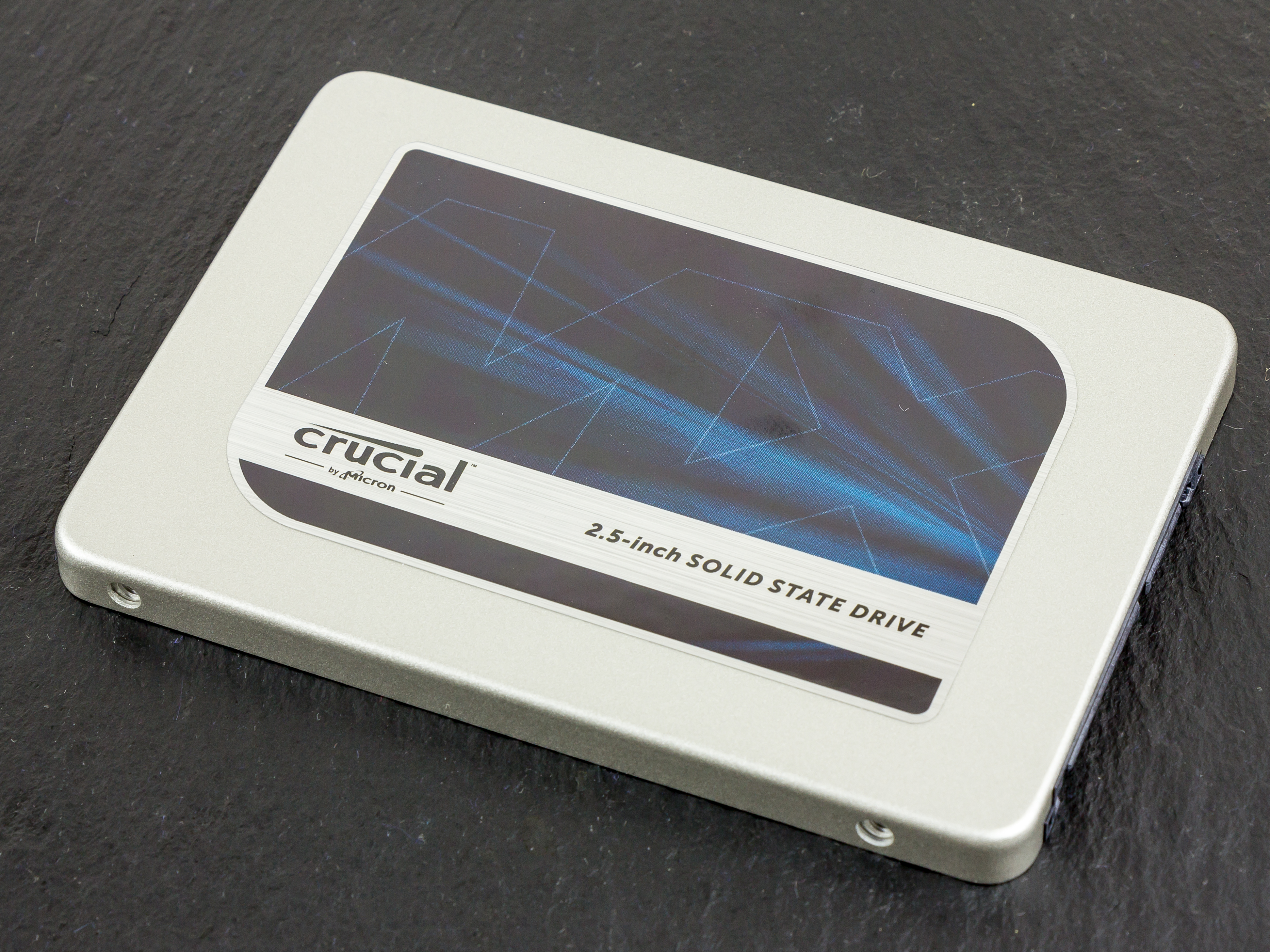
While DRAM provides temporary storage, NAND flash memory offers non-volatile storage, meaning it retains data even when power is off. This makes NAND ideal for long-term data storage in a vast array of applications. Micron is a pioneer in NAND technology, continuously pushing the boundaries of density and cost-effectiveness through advancements like 3D NAND. This technology stacks memory cells vertically in multiple layers, exponentially increasing storage capacity within a smaller physical footprint. NAND flash is the core component of solid-state drives (SSDs), USB flash drives, memory cards, and embedded storage in mobile devices. Micron’s advancements in enterprise-grade SSDs are crucial for data centers, offering significant performance improvements and lower latency compared to traditional hard disk drives, which are essential for cloud computing and big data analytics.
NOR Flash and Other Technologies
Beyond its flagship DRAM and NAND products, Micron also produces NOR flash memory, which is typically used for code storage in embedded systems due to its fast read speeds and reliability. While smaller in market share compared to NAND, NOR flash remains critical for applications requiring frequent program execution directly from memory, such as in automotive systems, industrial controls, and networking equipment. Furthermore, Micron explores and develops emerging memory technologies that promise to revolutionize computing even further. These include resistive random-access memory (RRAM) and other next-generation non-volatile memory types that aim to bridge the gap between fast DRAM and dense, persistent NAND, potentially leading to new architectures that radically improve system performance and energy efficiency.
Powering the Digital World: Micron’s Impact Across Industries
Micron’s memory and storage solutions are not confined to a single market segment; they are foundational components that underpin the functionality and advancement of virtually every modern electronic system. The company’s expansive product portfolio serves a diverse range of industries, enabling critical functions and driving innovation across the technological landscape.
Data Centers and Cloud Computing
The exponential growth of data generated globally necessitates increasingly robust and scalable data center infrastructure. Micron plays a pivotal role here, supplying high-capacity, high-performance DRAM and enterprise-grade NAND SSDs that are essential for cloud computing environments. These components enable faster data processing, lower latency for web services, and higher efficiency for virtualized servers, directly impacting everything from online streaming and social media to enterprise applications and scientific simulations. Micron’s solutions help data centers manage petabytes of information with greater speed and reliability, supporting the backbone of the digital economy.
Mobile and Client Devices
Every smartphone, tablet, and laptop relies heavily on memory and storage for its functionality. Micron’s low-power DRAM (LPDRAM) is optimized for mobile devices, providing the speed and energy efficiency necessary for multi-tasking, high-resolution media, and extended battery life. Similarly, its embedded NAND flash solutions (eMMC and UFS) are the primary storage for mobile operating systems, applications, and user data. In client PCs, Micron’s SSDs and standard DRAM modules deliver performance upgrades, faster boot times, and improved responsiveness, enhancing the user experience significantly.
Automotive and Industrial Applications
The automotive industry is undergoing a profound transformation, driven by advancements in autonomous driving, in-car infotainment, and connected vehicle technologies. These innovations demand incredibly robust, reliable, and high-performance memory and storage solutions. Micron’s automotive-grade memory products are designed to withstand extreme temperatures and harsh operating conditions, ensuring the integrity and safety of critical systems. They power advanced driver-assistance systems (ADAS), in-vehicle networking, and secure data storage for sensor fusion and AI processing. In industrial settings, Micron’s durable memory solutions are crucial for automation, robotics, IoT devices, and embedded systems that require long-term reliability and performance in challenging environments.
Graphics and Networking
High-performance graphics processing units (GPUs) used in gaming, professional visualization, and AI acceleration rely on specialized high-bandwidth memory, often HBM, where Micron is a key player. This memory architecture enables GPUs to process massive datasets at incredible speeds, which is vital for rendering complex graphics, training neural networks, and scientific computing. In networking infrastructure, Micron’s memory products are used in routers, switches, and other communication equipment to enable fast data packet processing and efficient network traffic management, ensuring the smooth flow of information across the global internet.
The Engineering Behind the Chips: Research and Development
Micron’s leadership in the memory and storage industry is not accidental; it is the direct result of massive, sustained investment in research and development. The creation of leading-edge semiconductor products is an incredibly complex endeavor, requiring expertise across multiple scientific and engineering disciplines. Micron’s R&D efforts are focused on pushing the boundaries of what’s possible in terms of density, speed, power efficiency, and reliability.

Advanced Process Technology
The core of semiconductor manufacturing involves fabricating intricate circuits on silicon wafers at incredibly small scales. Micron constantly refines its process technology, moving to smaller lithography nodes and developing innovative manufacturing techniques. This continuous shrinking of transistor sizes (often measured in nanometers) allows for higher component density on a single chip, leading to more storage capacity and faster performance without increasing physical size. This involves mastering complex photolithography, etching, and deposition processes, pushing the limits of materials science and precision engineering.
Material Science and Packaging
Beyond the wafer fabrication process, Micron invests heavily in material science research to discover and implement new materials that can improve performance, reduce power consumption, or enable novel memory architectures. The packaging of these tiny silicon dies into functional modules is also a critical area of innovation. Advanced packaging techniques, such as stacking multiple dies (like in HBM or 3D NAND), are essential for achieving higher bandwidths and capacities while minimizing the overall footprint. These innovations directly contribute to the compact, powerful devices we use every day.
Enabling Future Computing Paradigms
Micron’s R&D extends beyond incremental improvements to current technologies. The company is actively involved in exploring and developing foundational memory and storage technologies that will enable future computing paradigms. This includes research into non-volatile memory express (NVMe) over fabrics for next-generation data centers, memory-centric computing architectures, and solutions tailored for artificial intelligence and machine learning workloads. By participating in industry consortia and collaborating with leading technology partners, Micron helps shape the future standards and capabilities of global computing.
A Commitment to Sustainability and Global Impact
Beyond its technological contributions, Micron Technology operates with a keen awareness of its broader impact on the environment, society, and the global economy. As a large-scale manufacturer, the company recognizes its responsibility to conduct business ethically and sustainably, integrating these principles into its operations and corporate strategy.
Environmental Stewardship
Semiconductor manufacturing is an resource-intensive process, and Micron is committed to minimizing its environmental footprint. This includes initiatives focused on reducing energy consumption, conserving water, minimizing waste generation, and managing emissions across its global manufacturing facilities. The company invests in renewable energy sources and implements closed-loop systems to recycle and reuse resources where possible. Micron also designs its products with a focus on energy efficiency, contributing to lower power consumption in the devices and data centers that utilize its memory and storage solutions.
Social Responsibility and Ethical Sourcing
Micron upholds stringent ethical standards across its supply chain and operations. This includes ensuring fair labor practices, promoting diversity and inclusion within its workforce, and actively working to eradicate forced labor and child labor. The company has a robust program for responsible sourcing of minerals, adhering to regulations and industry best practices to ensure that its materials are not linked to conflict or human rights abuses. Through philanthropic efforts and community engagement programs, Micron also invests in STEM education and local community development initiatives in the regions where it operates.
Economic Contribution and Supply Chain Resilience
As a major global semiconductor manufacturer, Micron contributes significantly to the economies of the countries where it has facilities, providing high-tech jobs and fostering innovation ecosystems. The company’s global presence and diversified manufacturing capabilities also contribute to the resilience of the global technology supply chain, ensuring a stable and reliable source of critical memory and storage components for industries worldwide. Micron’s strategic investments in new fabs and R&D centers further bolster its long-term commitment to technological leadership and economic contribution.
Looking Ahead: Micron’s Vision for the Future
The digital landscape is in a constant state of flux, with new technologies and demands emerging at an unprecedented pace. Micron Technology remains at the forefront of this evolution, continuously anticipating future needs and investing in the innovations that will define the next generation of computing. Its vision for the future is rooted in enabling ever-smarter, faster, and more connected experiences.
Emerging Memory Technologies (e.g., CXL, HBM)
Micron is actively involved in developing and standardizing emerging memory interfaces and architectures. Compute Express Link (CXL), for instance, is a critical technology that allows CPUs to efficiently share memory with accelerators like GPUs and FPGAs, paving the way for more flexible and powerful data center architectures. High Bandwidth Memory (HBM), which vertically stacks DRAM dies to achieve unprecedented bandwidth, is becoming indispensable for AI training and high-performance computing. Micron’s leadership in these areas ensures that it will continue to provide the foundational components for advanced computing systems.
AI-Driven Solutions and Edge Computing
The proliferation of Artificial Intelligence (AI) and Machine Learning (ML) workloads, both in the cloud and at the network’s edge, represents a massive opportunity and challenge for memory and storage. AI models require vast amounts of data and incredibly fast processing. Micron is developing memory and storage solutions specifically optimized for AI, offering higher throughput, lower latency, and greater energy efficiency to accelerate AI inference and training. Similarly, as more processing moves to the “edge” (e.g., smart sensors, autonomous vehicles, IoT devices), Micron’s robust and power-efficient embedded memory solutions will be critical for enabling localized AI and real-time decision-making.

Strategic Partnerships and Ecosystem Development
No single company can navigate the complexities of modern technology alone. Micron actively engages in strategic partnerships and collaborates within the broader technology ecosystem. This includes working with CPU and GPU manufacturers, software developers, cloud service providers, and industry standards bodies to ensure its memory and storage solutions seamlessly integrate with and optimize future platforms. By fostering these collaborations, Micron not only ensures the relevance of its products but also helps drive the collective advancement of the entire technology industry.
In essence, what Micron Technology does is provide the crucial building blocks for the digital age. Its unwavering commitment to innovation in memory and storage is not just about producing chips; it’s about enabling the data-driven world we live in, facilitating breakthroughs in artificial intelligence, powering the cloud, and making our everyday devices smarter and more capable. As data continues to grow in volume and velocity, Micron’s role as a technological enabler will only become more profound, shaping the future of how we compute, connect, and interact with the digital realm.
aViewFromTheCave is a participant in the Amazon Services LLC Associates Program, an affiliate advertising program designed to provide a means for sites to earn advertising fees by advertising and linking to Amazon.com. Amazon, the Amazon logo, AmazonSupply, and the AmazonSupply logo are trademarks of Amazon.com, Inc. or its affiliates. As an Amazon Associate we earn affiliate commissions from qualifying purchases.