
In the rapidly evolving landscape of aesthetic technology, microdermabrasion stands as a foundational pillar of mechanical skin resurfacing. While often discussed in the context of beauty and wellness, the underlying reality of microdermabrasion is a sophisticated interplay of mechanical engineering, vacuum physics, and precise hardware calibration. To understand what microdermabrasion does, one must look past the surface-level results and examine the med-tech innovations that have transformed this procedure from a rudimentary clinical tool into a high-precision digital industry.
As we move deeper into the era of “Beauty Tech,” the hardware powering these treatments has undergone a radical transformation. What was once a simple “sandblasting” technique for the skin has evolved into a data-driven, controlled mechanical process that utilizes advanced materials science and fluid dynamics to achieve predictable physiological outcomes.
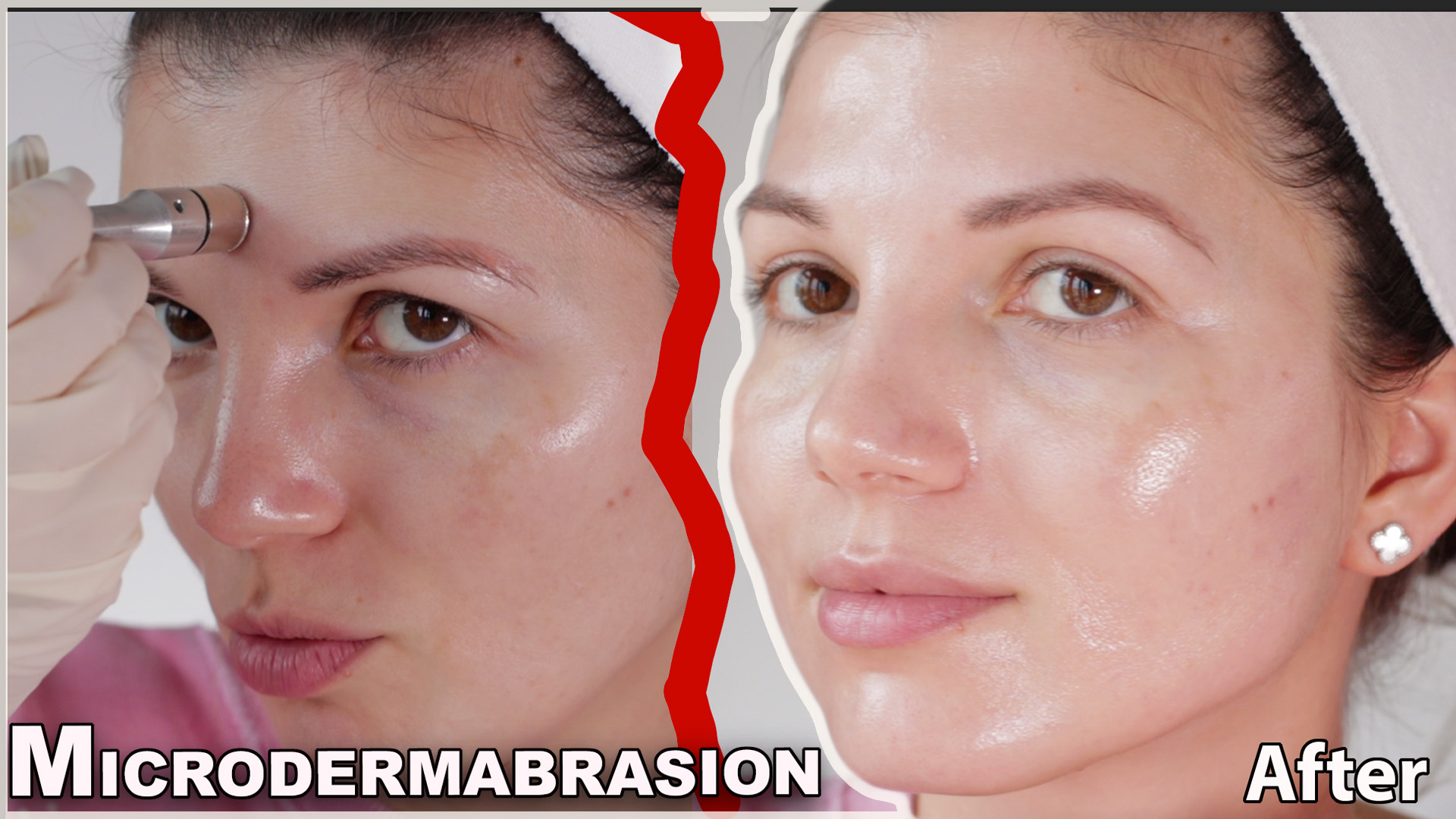
The Mechanics of Mechanical Exfoliation: How the Tech Works
At its core, microdermabrasion is a controlled form of mechanical friction designed to remove the stratum corneum (the outermost layer of the skin). However, the engineering required to do this safely and effectively is complex. The technology primarily utilizes two distinct delivery systems: crystal-based and diamond-tip systems.
Crystal vs. Diamond Tip Technology
The original microdermabrasion machines utilized crystal technology. These devices function via a high-pressure compressor that accelerates a stream of fine, medical-grade crystals (usually aluminum oxide or sodium bicarbonate) through a specialized handpiece. The physics involved here is akin to precision sandblasting; the crystals impact the skin at high velocity, dislodging dead cells, which are then immediately vacuumed away.
In contrast, the more modern “diamond-tip” technology replaces the loose crystals with a solid wand encrusted with industrial-grade diamond fragments. The tech shift here represents a move toward greater precision and less environmental waste. Diamond-tip systems allow the operator to control the level of abrasion through the grit size of the tip and the manual pressure applied, backed by the machine’s vacuum strength. This eliminates the risk of crystal inhalation or eye irritation, showcasing a significant leap in ergonomic design and safety engineering.
Vacuum Suction Systems and Fluid Dynamics
While the abrasive element handles the exfoliation, the vacuum component is arguably the most critical part of the hardware. The vacuum system in a microdermabrasion machine performs two essential functions: it removes the debris (dead skin and spent crystals) and it creates localized tension.
From a tech perspective, this is a study in fluid dynamics. The suction pulls the skin into the path of the abrasive head, ensuring consistent contact. Furthermore, this negative pressure triggers a biological response known as vasodilation—increasing blood flow to the treated area. Modern machines use high-sensitivity regulators to maintain a constant pressure, ensuring that the suction is strong enough to be effective but not so powerful that it causes sub-dermal bruising or “hickies.”
The Evolution of Med-Tech Devices: From Clinics to Gadgets
The trajectory of microdermabrasion technology mirrors the broader trend in the tech industry: the miniaturization of hardware and the democratization of professional-grade tools. What began as a bulky, $20,000 medical device found only in high-end dermatology clinics has now been condensed into portable, consumer-grade gadgets.
From Professional Clinics to Consumer-Grade Gadgets
The transition of microdermabrasion tech from the clinic to the home is a feat of modern electrical engineering. Developers had to solve the challenge of maintaining sufficient vacuum power while using smaller, battery-operated motors. Early home devices often lacked the “lift” necessary to be effective, but recent advancements in micro-motors and lithium-ion battery density have closed the gap.
These handheld gadgets now utilize the same diamond-tip technology found in professional units, albeit with lower suction levels to ensure safety for non-professional users. This segment of the “at-home tech” market has exploded, driven by consumers looking for professional results without the clinical price tag, representing a significant shift in how hardware is marketed to the modern digital consumer.
The Integration of Smart Sensors and AI Skin Analysis
We are currently witnessing the integration of microdermabrasion hardware with software ecosystems. The latest generation of professional resurfacing tools often features built-in cameras and sensors that sync with tablet-based software. These sensors can measure skin hydration levels, elasticity, and pore congestion in real-time.
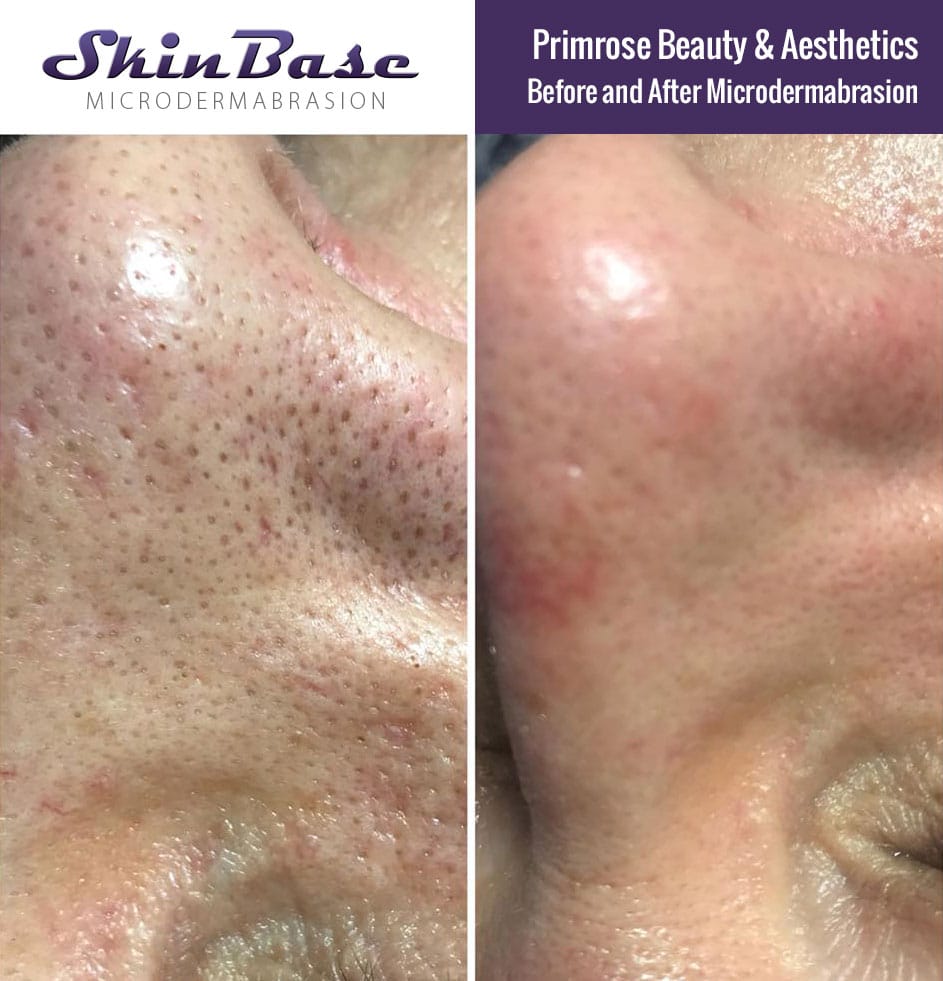
By using AI algorithms to analyze the data gathered by the handpiece, the machine can suggest specific vacuum pressures or abrasive grits tailored to the individual’s skin profile. This “smart” approach moves the technology away from a one-size-fits-all model toward a personalized, data-driven protocol. The integration of IoT (Internet of Things) capabilities allows practitioners to track patient progress over time through digital imaging, turning a mechanical procedure into a comprehensive digital health record.
Safety Standards and Digital Calibration in Modern Hardware
Because microdermabrasion involves the mechanical removal of biological tissue, the precision of the hardware is a matter of regulatory and technical importance. The “tech” behind the treatment is heavily focused on fail-safes and precision control.
Precision Control in Modern Microdermabrasion Hardware
Modern professional units feature digital interfaces that allow for granular control over the motor’s RPM and the vacuum’s mercury (inHg) level. Older analog systems relied on manual dials that were prone to mechanical drift. Digital calibration ensures that when a technician sets a machine to a specific level, the output is exact and repeatable.
This precision is vital when treating sensitive areas or when performing “serial” treatments where consistency across sessions is required to achieve a cumulative effect. The development of high-resolution touchscreens and micro-controller units (MCUs) within these machines has replaced the clunky mechanical switches of the 1990s, offering a more stable and user-friendly interface.
Regulatory Compliance and Software-Driven Safety Protocols
In many jurisdictions, microdermabrasion devices are classified as medical devices (Class I or II). This classification requires rigorous testing of the hardware components. One of the major technological hurdles is ensuring the sterility of the system.
Modern machines utilize closed-loop filtration systems and disposable tips to prevent cross-contamination. Software-driven safety protocols are also becoming standard; for example, some machines are programmed to shut down automatically if the vacuum pressure exceeds a certain threshold or if the sensor detects excessive heat buildup. This “smart” safety layer protects both the user and the manufacturer from the risks associated with mechanical failure or operator error.
The Future of Skin Resurfacing: Beyond Traditional Microdermabrasion
As we look toward the future, the technology of microdermabrasion is merging with other modalities to create multi-functional platforms. The focus is shifting from simple exfoliation to a more holistic “hydro-mechanical” approach.
Robotic Aesthetic Systems
The next frontier in this tech niche is the automation of the procedure. While currently in the experimental and high-end professional phase, robotic arms equipped with high-resolution 3D mapping cameras are being developed to perform resurfacing treatments. These systems use machine vision to identify areas of the skin that require more intensive treatment while avoiding sensitive zones like the eyes or areas with active inflammation.
Robotic microdermabrasion eliminates human error and provides a level of topographical precision that a human hand cannot match. It represents the ultimate intersection of robotics, AI, and dermatology.
Data-Driven Personalized Skincare Protocols
The future of what microdermabrasion “does” will be dictated by data. As wearable technology and smart mirrors become more prevalent, the data from these devices could theoretically be fed into a microdermabrasion system. Imagine a scenario where your smartwatch detects high levels of pollutants or UV exposure on your skin and automatically calibrates your next microdermabrasion session to address those specific environmental stressors.
This move toward a connected ecosystem means that microdermabrasion will no longer be viewed as a standalone mechanical event. Instead, it will be one part of a continuous, tech-enabled feedback loop that monitors, analyzes, and treats the skin based on real-world data.
Conclusion
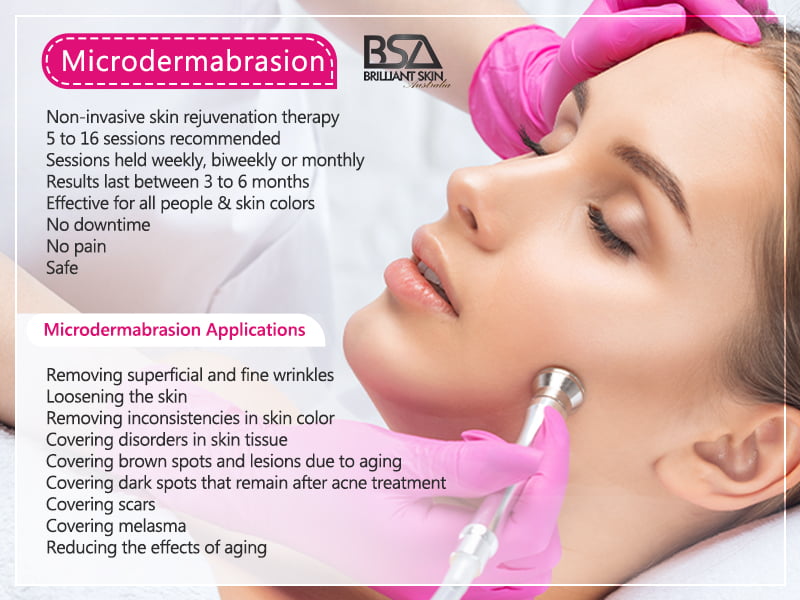
When asking “what does microdermabrasion do,” the answer lies in the sophisticated synergy between mechanical hardware and digital control systems. It is a technology that leverages the principles of physics—abrasion and vacuum pressure—to interface with human biology. From its origins as a heavy-duty clinical tool to its future as a data-integrated, potentially robotic procedure, microdermabrasion continues to be a leading example of how technology can be harnessed to optimize human health and aesthetics. As hardware continues to shrink and software continues to get smarter, the precision and accessibility of this resurfacing technology will only continue to increase, cementing its place in the high-tech future of the med-tech industry.
aViewFromTheCave is a participant in the Amazon Services LLC Associates Program, an affiliate advertising program designed to provide a means for sites to earn advertising fees by advertising and linking to Amazon.com. Amazon, the Amazon logo, AmazonSupply, and the AmazonSupply logo are trademarks of Amazon.com, Inc. or its affiliates. As an Amazon Associate we earn affiliate commissions from qualifying purchases.