
Gift cards have become ubiquitous in modern commerce, serving as convenient presents, customer loyalty incentives, and even practical tools for managing discretionary spending. Whether you’ve received one as a thoughtful gift, purchased one for a specific purpose, or are managing a collection, understanding the precise value remaining on these cards is a fundamental aspect of sound personal finance. Failing to check a balance can lead to underutilization, wasted potential, or even the loss of value over time. In a world where every dollar counts, mastering the simple act of checking a gift card balance is not just about convenience; it’s about maximizing your financial resources and ensuring you leverage every bit of value these versatile tools offer. This guide will walk you through the essential methods and financial considerations for effectively managing your gift card assets.
The Importance of Knowing Your Gift Card Balance
In the realm of personal finance, diligence and awareness are paramount. Gift cards, though seemingly minor financial instruments, are no exception. Proactively knowing their balances contributes significantly to smarter spending habits and overall financial organization.
Maximizing Spending Power
Imagine walking into a store, confident you have a certain amount on a gift card, only to find you have less – or worse, more – than you thought. Checking the balance beforehand eliminates this guesswork. By knowing the exact remaining value, you can strategically plan your purchases, ensuring you either spend precisely the amount available or supplement it with other funds without overspending. This precise knowledge prevents situations where you might leave a small, unusable balance on a card, or conversely, hesitate to make a larger purchase due to uncertainty, thereby maximizing the card’s utility. From a financial perspective, this ensures you extract every cent of value, just as you would with cash or a debit card.
Preventing Loss or Forgetting
One of the most common pitfalls with gift cards is simply forgetting about them or misplacing them. Many people have a drawer full of partially used or entirely unspent gift cards, slowly losing potential value to expiration dates or dormancy fees. Regular balance checks serve as a valuable reminder of these dormant assets. By staying on top of your balances, you can prevent cards from expiring or accumulating fees, which erode their value. This proactive approach helps consolidate your financial picture, ensuring no funds are unintentionally left behind.
Budgeting and Financial Planning
For those who meticulously manage their budgets, gift cards can sometimes pose an accounting challenge if their values are unknown. Incorporating gift card balances into your personal financial planning allows for a more comprehensive view of your spendable assets. If you have a gift card for groceries, for instance, knowing its balance means you can factor that into your weekly or monthly food budget, freeing up other cash flow for different expenses. This integration helps maintain accuracy in your financial forecasts and spending allocations, making gift cards an active part of your financial strategy rather than a forgotten afterthought.
Avoiding Point-of-Sale Embarrassment
Perhaps a minor point, but one that many can relate to: the awkwardness at the checkout counter when a gift card doesn’t cover the full purchase, or you’re unsure if it will. A quick balance check before shopping eliminates this potential discomfort. It allows for a smooth transaction, reflecting a well-prepared and organized approach to your financial interactions. This simple step contributes to a more confident and efficient shopping experience, saving you time and stress.
Common Methods for Checking Gift Card Balances
Fortunately, checking a gift card balance is usually a straightforward process, designed to be accessible and user-friendly. Most retailers and card issuers provide multiple avenues to obtain this crucial information.
Online Verification
The internet has revolutionized how we manage many aspects of our finances, and gift card balances are no exception. This is often the quickest and most convenient method.
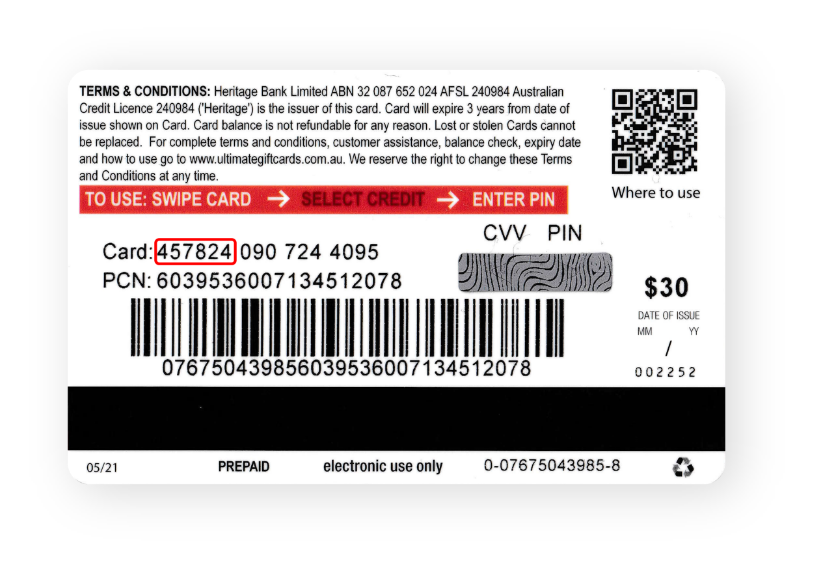
- Retailer’s Website: For store-specific gift cards (e.g., Target, Starbucks, Amazon), the most reliable method is typically to visit the issuing retailer’s official website. Look for sections labeled “Gift Cards,” “Check Balance,” or “My Account.” You’ll usually be prompted to enter the gift card number and, for security, often a PIN code (usually a scratch-off panel on the back of physical cards, or provided in the email for e-gift cards).
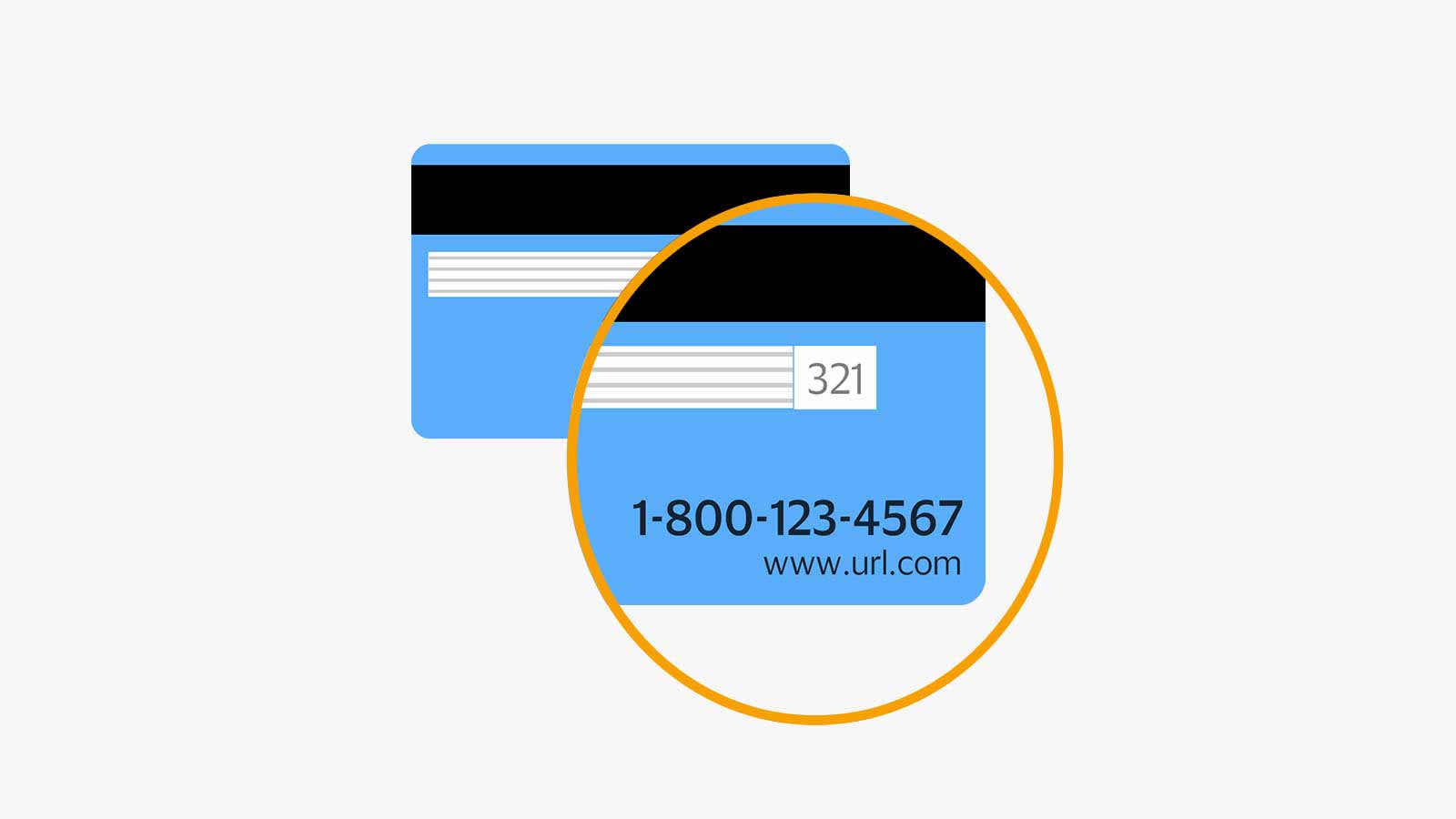
- Card Issuer’s Website (Open-Loop Cards): For open-loop cards like Visa, MasterCard, American Express, or Discover gift cards, you’ll need to visit the website of the card issuer, not a specific retailer. The website address is almost always printed on the back of the card. These sites have dedicated portals for balance checks, requiring the card number and sometimes a security code.
- Mobile Apps: Many major retailers and financial institutions now have mobile apps that allow users to manage their gift cards. If you frequently shop at a particular store, downloading their app might offer a convenient way to store and check balances directly from your smartphone. However, be cautious with generic “gift card balance checker” apps; always verify their legitimacy and security practices before inputting sensitive card information. Stick to official retailer apps or trusted financial tools.
In-Store Inquiry
For those who prefer a more direct, human interaction, or if you’re already at the store, checking your balance in person is a perfectly viable option.
- Customer Service Desk: Most large retail establishments have a dedicated customer service or guest services desk. Present your gift card to an associate, and they can typically scan it or manually enter the card number to provide you with the current balance.
- Cashier at Checkout: If you’re making a purchase, you can simply ask the cashier to scan your gift card to tell you the balance before completing the transaction. This is a common request and typically takes only a few seconds.
Phone Call to Customer Service
Almost every gift card, regardless of type, will have a toll-free customer service number printed on its back. This is an excellent option if you don’t have internet access or prefer to speak with a representative directly.
- Toll-Free Number: Locate the 1-800 or similar number on the reverse side of your gift card.
- Information Needed: When prompted, you will typically need to provide the full gift card number and, if applicable, the PIN. Automated systems are common for balance inquiries, but you can usually opt to speak with a live agent if you encounter difficulties.
Reviewing Purchase Receipts (Limited Use)
While not a primary method, some point-of-sale systems are configured to print the remaining balance of a gift card on the receipt after a partial purchase.
- Check Your Receipts: After using a gift card for a transaction, always check the printed receipt. If the system supports it, the remaining balance will be clearly displayed. Keep in mind this balance is only accurate up to the time of that specific transaction. For a truly current balance, especially if you’ve made subsequent purchases, use one of the other methods.
Tips for Efficient Gift Card Management
Beyond merely checking balances, adopting strategic practices can transform gift cards from potential liabilities into truly valuable financial assets. Efficient management minimizes waste and maximizes utility.
Immediate Balance Check Upon Receipt
A golden rule for gift card owners: check the balance as soon as you receive the card. This serves several purposes. First, it confirms the card has been properly activated and loaded with the expected amount. Second, it immediately brings the card into your financial awareness, reducing the chance of it being forgotten. For physical cards, it also allows you to verify that the PIN scratch-off hasn’t been tampered with.
Consolidate or Spend Promptly
Unused gift cards represent idle cash. To prevent value erosion due to dormancy fees or forgotten expiration dates, make it a habit to either use the card relatively quickly or, if possible, consolidate its value. Some retailers allow you to transfer balances from multiple cards onto a single card, or even convert physical cards to digital ones within their loyalty programs. If consolidation isn’t an option, plan to use the card within a reasonable timeframe. Consider the gift card as part of your available funds and incorporate it into your spending plans.

Digital Tracking Systems
For individuals with multiple gift cards, a simple tracking system can be invaluable. This doesn’t necessarily mean fancy software; a spreadsheet can suffice. Record the card number, initial balance, current balance (updated after each use), and expiration date. More sophisticated users might explore dedicated financial tracking apps that have features for managing gift cards, though direct live balance checks are usually limited to the official methods discussed earlier. The goal is to maintain a clear overview of your gift card portfolio, treating it as a component of your overall financial assets.
Keep Cards Secure
Treat gift cards like cash. Physical cards should be kept in a secure location, such as your wallet or a dedicated financial organizer. If you’ve received e-gift cards, ensure the emails or digital links are stored in an accessible yet protected manner. Losing a gift card can often mean losing its value, as many are non-replaceable, especially if they are “cash equivalent” cards like Visa gift cards. If you must write down card numbers or PINs for tracking, do so securely and separately from the physical card.
Understand Terms and Conditions
This is a critical financial literacy point often overlooked. All gift cards come with terms and conditions, usually printed in fine print on the back of the card or available on the issuer’s website. Pay close attention to:
- Expiration Dates: While many states have laws preventing retailer gift cards from expiring for a minimum of five years, some open-loop cards or promotional cards may still have shorter validities.
- Dormancy Fees: After a period of inactivity, some cards may begin to deduct a “dormancy fee” from the balance each month. Federal law provides some protections, but it’s essential to be aware of how these fees might affect your card’s value.
- Return Policies: Understand if the card can be returned for cash (rare) or if there are any limitations on its use (e.g., not valid for online purchases, or only at specific locations).
Understanding Different Types of Gift Cards and Their Nuances
While the methods for checking balances are similar, the specific characteristics and rules governing various types of gift cards can impact their usage and management.
Retailer-Specific Gift Cards
These are the most common type, issued by a specific store or chain (e.g., Best Buy, Sephora, Gap). They can only be used at the issuing merchant. Balance checking is usually straightforward via the retailer’s website, in-store, or phone number. These typically have stronger protections against expiration and dormancy fees due to state regulations, but it’s still wise to check the terms.
Open-Loop Gift Cards (Visa, MasterCard, Amex)
These are branded with a credit card network logo and can be used anywhere that network’s cards are accepted. They offer greater flexibility than retailer-specific cards, acting much like a pre-paid debit card.
- Balance Check: Always via the specific card issuer’s website (e.g., “activate.visa.com” or the URL printed on the card) or their toll-free number.
- Nuances: Open-loop cards often come with purchase activation fees. While federal laws largely protect against expiration of funds for five years after activation, and restrict dormancy fees, it’s crucial to understand these cards’ specific terms. Some may have an “expiration date” for the plastic card itself, but the funds are typically still usable by contacting the issuer for a replacement card.
Restaurant/Service-Specific Gift Cards
Similar to retailer cards, these are tied to a particular restaurant chain, spa, or service provider. Their balance checking methods mirror those of retailer cards: website, in-person, or phone. These often have the same protections regarding expiration and fees as general retailer cards.
Digital Gift Cards (eGift Cards)
Sent via email or text message, eGift cards are increasingly popular. They typically contain a code or barcode that can be used online or scanned in-store.
- Balance Check: Often through a link provided in the original email, or by visiting the merchant’s website and entering the e-gift card code. Some retailer apps allow you to load digital gift cards directly into a mobile wallet for easy access and balance tracking.
- Nuances: The primary concern with eGift cards is often security and organization. Ensure you store the email or message securely and don’t accidentally delete it. Forwarding them to yourself or printing them out can create backups.
Protecting Your Gift Card Value and Avoiding Pitfalls
Like any financial asset, gift cards can be susceptible to fraud or mismanagement. Understanding potential risks and taking preventive measures is crucial for preserving their value.
Beware of Scams
Gift cards have unfortunately become a common tool for scammers. Be highly skeptical of requests to pay for services, taxes, or debts using gift cards. Legitimate institutions like the IRS, law enforcement, or utility companies will never demand payment in gift cards. Additionally, be wary of phishing attempts asking for gift card details via unsolicited emails or texts. Always verify the legitimacy of a request through official channels if you suspect fraud. If a deal seems too good to be true, especially involving gift cards, it likely is.
Document Your Cards
For valuable gift cards, especially those with high balances, consider documenting their details. This could involve taking a clear photograph of the front and back of the card (including the card number and PIN), and securely storing this information. This documentation can be invaluable if a card is lost or stolen, as it might aid in reporting the loss to the issuer and potentially obtaining a replacement, although replacement policies vary widely and are often at the issuer’s discretion. Keep this information separate from the physical card to enhance security.
Understanding Expiration Dates and Fees
Reiterating this crucial point: proactively understanding the terms and conditions associated with each gift card is paramount. While consumer protections have significantly reduced the prevalence of short expiration dates and exorbitant dormancy fees, they haven’t eliminated them entirely, particularly for promotional cards or cards issued by smaller entities. Make it a habit to check for these details immediately upon receiving a card, and prioritize using cards that have stricter terms to avoid losing value.
What to Do If a Card Is Lost or Stolen
If a gift card is lost or stolen, immediate action can sometimes save its value.
- Contact the Issuer Immediately: Call the customer service number on the back of the card or look up the issuer’s contact information online.
- Provide Documentation: If you documented your card details (number, PIN, activation receipt), provide this information. This significantly increases the chances of the issuer being able to track the card, confirm its balance, and potentially issue a replacement.
- Understand Policies: Be aware that many gift cards, particularly those that are “cash equivalent” (like open-loop Visa/MasterCard), are treated like cash and may not be replaceable if lost or stolen without proof of purchase and activation. Store-specific cards might have better replacement policies, especially if registered to a loyalty account.
Conclusion
Managing gift cards effectively is a small but significant component of diligent personal finance. By understanding the straightforward methods for checking balances—whether online, in-store, or via phone—you empower yourself to make informed spending decisions, prevent the loss of value, and seamlessly integrate these financial tools into your overall budget. Beyond the transactional aspect, adopting habits like immediate balance checks, prompt usage, secure storage, and a thorough understanding of terms and conditions elevates gift card management from a mere chore to a strategic financial practice. In doing so, you ensure that every thoughtful gift or shrewd purchase of a gift card serves its intended purpose, contributing positively to your financial well-being rather than becoming a forgotten asset.
aViewFromTheCave is a participant in the Amazon Services LLC Associates Program, an affiliate advertising program designed to provide a means for sites to earn advertising fees by advertising and linking to Amazon.com. Amazon, the Amazon logo, AmazonSupply, and the AmazonSupply logo are trademarks of Amazon.com, Inc. or its affiliates. As an Amazon Associate we earn affiliate commissions from qualifying purchases.