
At its core, “Mi Vida Loca” translates directly from Spanish to “My Crazy Life.” However, for brand strategists, marketers, and anyone involved in corporate or personal identity, understanding this phrase goes far beyond a simple dictionary definition. Its true value, or potential pitfall, lies in its deep cultural connotations, historical usage, and the specific imagery it evokes within various demographics. Decoding such cultural idioms is paramount for authentic communication, effective market penetration, and safeguarding brand reputation in an increasingly globalized and culturally sensitive landscape.
Decoding the Phrase: Literal Translation vs. Cultural Connotation
The power of “Mi Vida Loca” in branding is not in its literal translation but in the layers of meaning accumulated through cultural association. A brand attempting to leverage or understand a message containing this phrase must grasp this distinction.

The Literal Interpretation
Literally, “Mi Vida Loca” is straightforward: “My Life” (Mi Vida) combined with “Crazy” (Loca). On the surface, it might suggest a life full of spontaneity, unpredictability, or even defiance of conventional norms. This base meaning sets a foundation, but it is merely the starting point for a brand’s strategic analysis. Without deeper insight, any brand application of the phrase risks being superficial or, worse, offensive.
Beyond the Words: Cultural Resonance and Imagery
The phrase “Mi Vida Loca” carries a weight of cultural resonance that far exceeds its dictionary meaning. Historically, it has been deeply associated with specific subcultures, particularly within Hispanic communities in the United States, often linked to street life, gang culture, or a rebellious, unconventional existence. It evokes images of passion, loyalty, struggle, and an unapologetic embrace of a life lived on the fringes, outside mainstream societal expectations. For a brand, this means the phrase isn’t neutral; it comes pre-loaded with a distinct narrative and an implied ethos. Understanding this allows a brand to either consciously align with, or carefully distance itself from, these powerful cultural undertones. Ignoring them can lead to significant missteps in marketing and identity formation.
“Mi Vida Loca” in Popular Culture and its Evolution
The enduring impact of “Mi Vida Loca” on popular culture has played a significant role in shaping its meaning and perception, making it a crucial case study for brand marketers analyzing cultural shifts and audience sentiment.
Cinematic and Musical Influences
The phrase gained widespread recognition, particularly in the early 1990s, through the film Mi Vida Loca (also known as My Crazy Life), which depicted the lives of young Chicana women in Los Angeles gang culture. This cinematic portrayal cemented an association with themes of sisterhood, hardship, resilience, and identity within a specific urban context. Concurrently, the phrase found its way into music, from hip-hop to Latin pop, further broadening its reach and solidifying its rebellious, often romanticized, image. For brands, this history means that using or referencing “Mi Vida Loca” taps into a collective memory and a pre-existing set of emotional responses shaped by these influential cultural artifacts.
From Subculture to Mainstream Acceptance
Over time, like many phrases originating in subcultures, “Mi Vida Loca” has seen a degree of mainstream adoption. It’s sometimes used more broadly to describe a wild or eventful life, detached from its grittier origins, often with a humorous or self-deprecating tone. This evolution presents both opportunities and risks for brands. While broader acceptance might make the phrase seem less niche, its original, powerful connotations can still resonate strongly with certain demographics. A brand’s strategic approach must consider which interpretation it wishes to evoke, and understand that for some audiences, the original meaning remains dominant, influencing their perception of any brand that uses it.
Strategic Branding Implications of Cultural Idioms
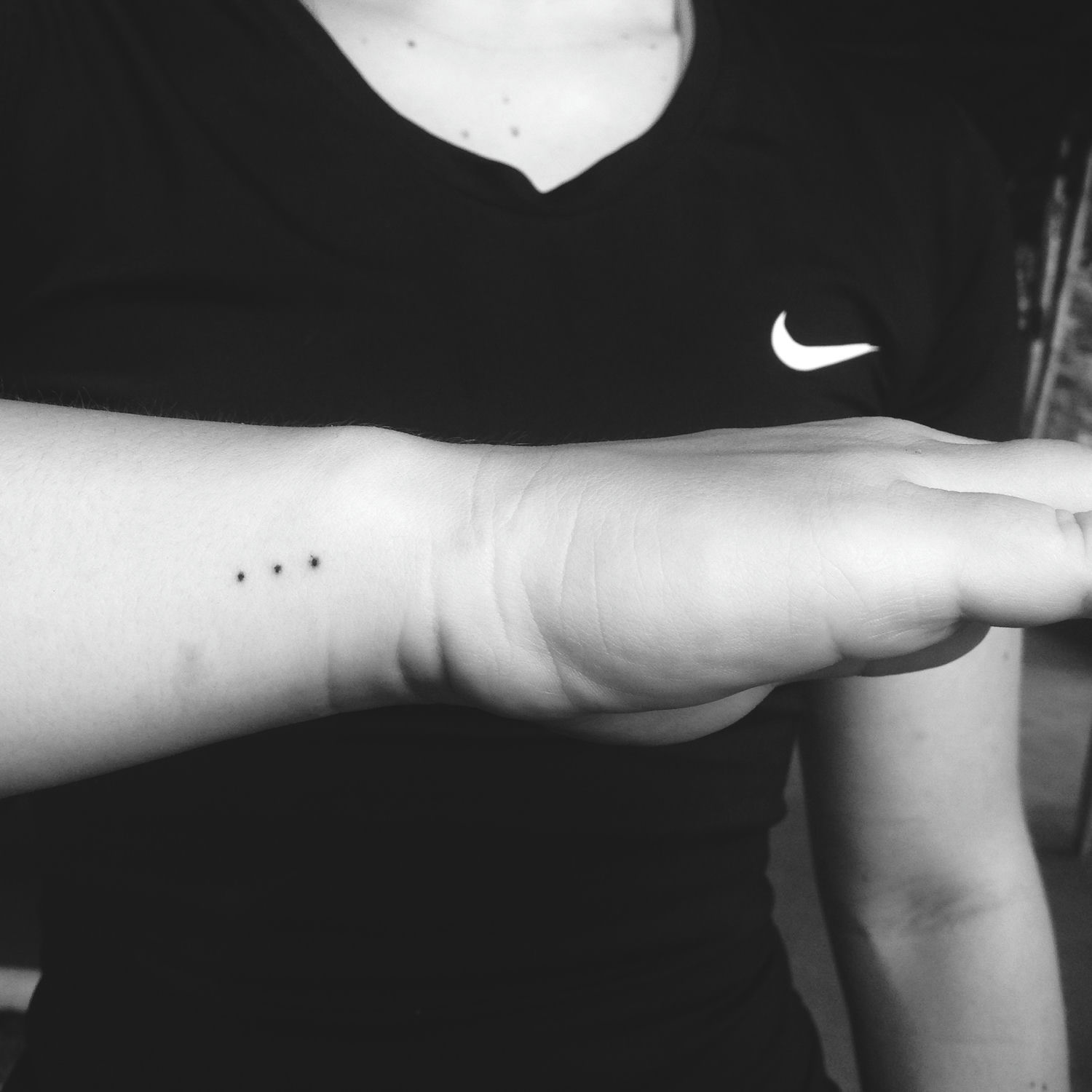
The case of “Mi Vida Loca” highlights a fundamental principle in branding: cultural idioms are not interchangeable with their literal translations. Their use demands a deep understanding of their embedded cultural capital.
Authenticity and Target Audience Connection
For brands aiming for authenticity, especially when targeting diverse markets, understanding phrases like “Mi Vida Loca” is non-negotiable. Using such an idiom correctly, with genuine appreciation for its cultural roots and nuances, can forge a powerful connection with a target audience. It signals respect, understanding, and a willingness to speak their language, both literally and figuratively. This can build trust and loyalty, vital components of strong brand equity. Conversely, superficial or inaccurate usage can be perceived as exploitative or ignorant, alienating the very audience the brand seeks to attract.
Avoiding Misappropriation and Stereotyping
A significant risk in deploying culturally rich phrases is the potential for misappropriation or the reinforcement of harmful stereotypes. “Mi Vida Loca” carries strong associations that, if used carelessly, could inadvertently perpetuate stereotypes about Hispanic culture, gang life, or marginalized communities. A brand must critically assess whether its use of such a phrase truly aligns with its values and desired image, or if it merely borrows from a culture without understanding or respecting its origins. Responsible branding requires sensitivity and an awareness of the socio-historical context to avoid causing offense or trivializing serious cultural experiences.
Crafting Brand Narratives with Cultural Nuance
Understanding the depth of a phrase like “Mi Vida Loca” empowers brands to craft more sophisticated and impactful narratives. Instead of simply adopting the phrase, a brand might draw inspiration from its underlying themes – resilience, passion, identity, community – and weave these into its messaging in a way that resonates broadly without directly invoking the specific subcultural imagery. This approach allows brands to tap into universal human experiences while respecting the origins of the idiom, creating narratives that are both compelling and culturally astute. It moves beyond mere translation to true cultural localization.
Personal Branding: Embracing or Avoiding the “Crazy Life”
Beyond corporate entities, individuals crafting their personal brand must also contend with the power of cultural phrases like “Mi Vida Loca” and their potential impact on perception.
Self-Expression vs. Professional Perception
For individuals, “Mi Vida Loca” can be a powerful statement of self-expression, signifying a free spirit, an unconventional path, or a life lived outside the norm. Artists, creatives, or those in less traditional fields might embrace such a phrase as part of their personal identity, using it to define their unique journey and differentiate themselves. However, the professional context often demands a careful calibration. While authenticity is valued, certain connotations of “Mi Vida Loca” might conflict with expectations in more conservative industries or roles. A personal brand strategy involves assessing whether the message conveyed by such a phrase aligns with professional aspirations and the perceptions one wishes to cultivate.
The Power of Intentional Language in Personal Identity
Intentionality is key in personal branding. Deciding whether to incorporate a phrase like “Mi Vida Loca” into one’s public persona requires a clear understanding of its implications and a readiness to own the narrative it creates. For some, it might perfectly encapsulate their journey and attract an aligned audience. For others, it might inadvertently send unintended signals that could hinder career progression or networking opportunities. The strategic use of language, particularly culturally loaded phrases, is a powerful tool in shaping one’s personal identity and the opportunities that follow.
Corporate Identity and Global Marketing
For large corporations and brands operating on a global scale, the complexities of cultural idioms like “Mi Vida Loca” multiply, making cross-cultural communication a critical pillar of corporate identity.
Localizing Messages for Impact
Effective global marketing is not about translating words, but localizing meaning. A campaign that resonates in one cultural context might fall flat or offend in another. The strategic identification and nuanced understanding of phrases like “Mi Vida Loca” in target markets enable brands to tailor their messaging for maximum impact. This includes knowing when to use such a phrase, when to allude to its themes, and crucially, when to avoid it entirely in favor of a culturally neutral or more appropriate alternative. This deep dive into cultural linguistics helps brands speak genuinely to local audiences, reinforcing a positive corporate identity worldwide.

Risk Mitigation and Brand Reputation
In an interconnected world, cultural missteps can quickly escalate into PR crises, severely damaging brand reputation. Ignorance of the nuanced meanings of cultural idioms like “Mi Vida Loca” poses a significant risk. For corporate identity, this means investing in robust cultural intelligence, employing local expertise, and conducting thorough due diligence before launching campaigns or product names that might touch upon culturally sensitive language. Proactively understanding these nuances is a core aspect of brand risk mitigation, ensuring that a brand’s global presence is built on respect and understanding rather than cultural gaffes. By navigating such phrases with care and insight, brands can foster trust, strengthen their identity, and ensure their message is received as intended across diverse cultural landscapes.
aViewFromTheCave is a participant in the Amazon Services LLC Associates Program, an affiliate advertising program designed to provide a means for sites to earn advertising fees by advertising and linking to Amazon.com. Amazon, the Amazon logo, AmazonSupply, and the AmazonSupply logo are trademarks of Amazon.com, Inc. or its affiliates. As an Amazon Associate we earn affiliate commissions from qualifying purchases.