
The seemingly simple phrase “make of vehicle” carries a profound weight within the automotive industry, serving as a cornerstone of corporate identity, market positioning, and consumer perception. Far more than just a label, the “make” represents the very essence of a manufacturer’s brand, encapsulating its history, values, design philosophy, and promise to the customer. To understand what the “make” means is to delve into the intricate world of brand strategy, where identity is meticulously crafted and relentlessly defended.
The Essence of Automotive Identity: Beyond the Badge
At its core, the “make” of a vehicle is its brand name – the primary identifier that distinguishes one manufacturer from all others. It’s the banner under which all products, services, and corporate communications operate.
Defining ‘Make’: The Manufacturer’s Signature
When asked for the “make” of a vehicle, one typically responds with names like Ford, Mercedes-Benz, Toyota, Tesla, or Volkswagen. These are not merely arbitrary designations; they are the corporate entities responsible for the design, engineering, production, and marketing of the vehicle. Each make represents a distinct business with a unique heritage, a set of core competencies, and a particular vision for the future of mobility. The make is the origin, the creator, the ultimate source of the vehicle’s identity. It embodies the collective effort of thousands of employees, decades of innovation, and billions in investment, all distilled into a recognizable nameplate and often, an iconic logo.
The Distinction: Make vs. Model
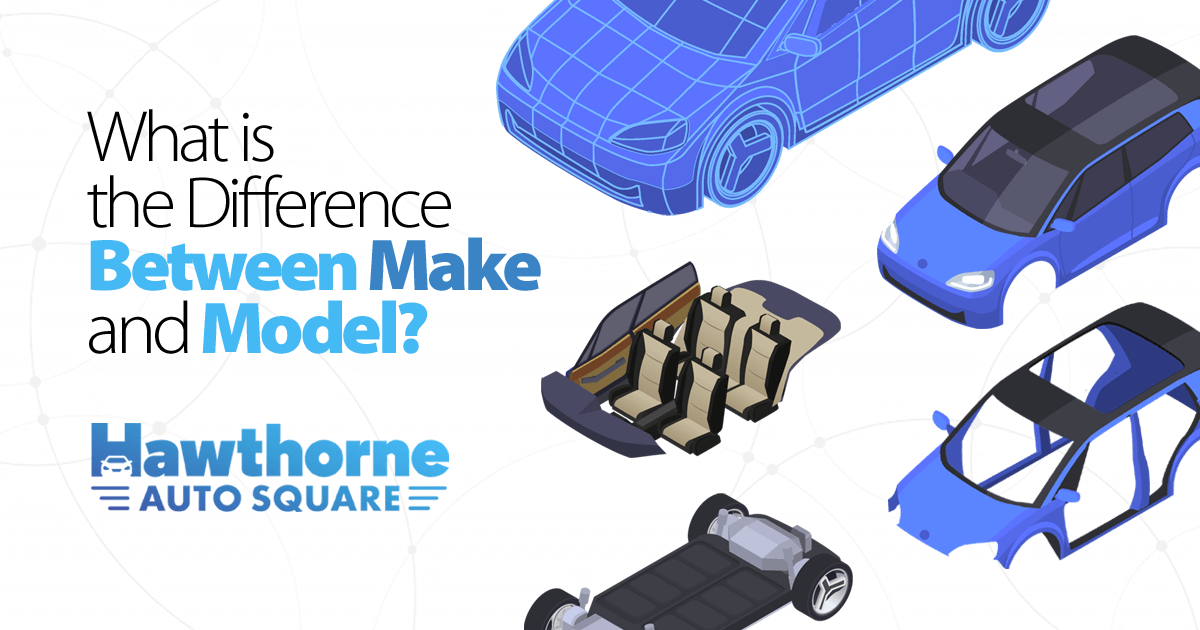
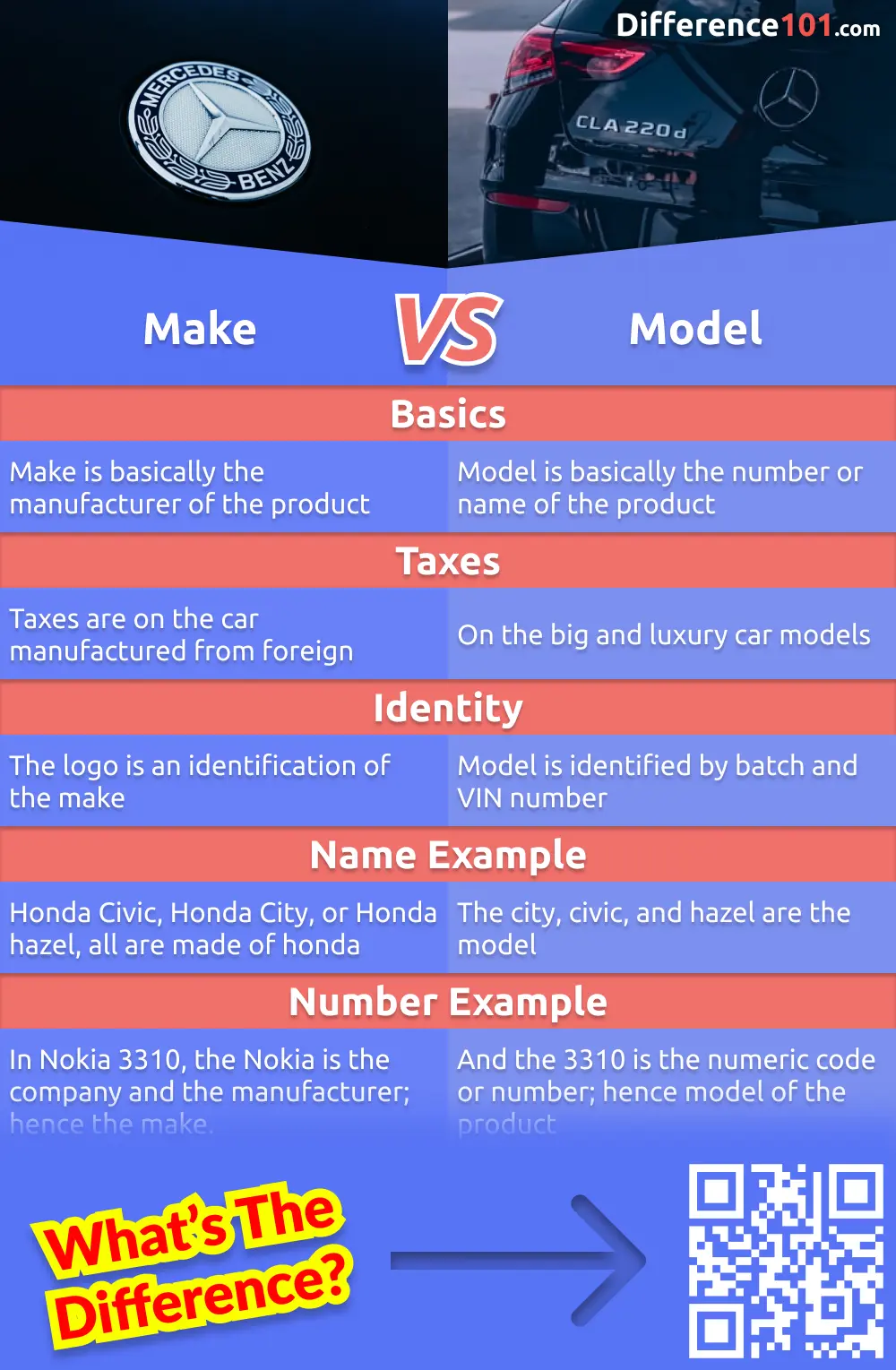
A common point of confusion arises between the “make” and the “model.” While intimately related, they serve different functions in brand architecture. The “make” is the overarching brand (e.g., BMW), while the “model” refers to a specific product line offered by that brand (e.g., the 3 Series, X5, or iX within BMW). Think of it like this: a publishing house (the make) releases various book titles (the models).
The make provides the overarching brand promise and quality assurance, while the model specifies the particular configuration, size, and intended purpose of the vehicle. For instance, a Honda Civic shares the general brand attributes of Honda (reliability, efficiency) but is distinct from a Honda CR-V or Accord in terms of its features, target demographic, and market segment. This clear distinction allows manufacturers to build a diverse product portfolio under a unified brand identity, catering to a wide range of consumer needs while maintaining brand cohesion.
Crafting Perception: The Strategic Role of a Vehicle’s Make
The choice of a vehicle’s make is a deliberate strategic exercise, designed to cultivate a specific perception in the minds of consumers. This perception is built upon a myriad of factors, from historical achievements to contemporary marketing campaigns.
Brand Heritage and Legacy
Many automotive makes boast a rich heritage that significantly contributes to their brand equity. Legacy brands like Porsche, with its roots in racing and engineering excellence, or Jeep, synonymous with rugged adventure and off-road capability, leverage their past to define their present and future. This heritage is not just a historical footnote; it’s a living narrative that informs design principles, performance targets, and brand storytelling. A make’s legacy can evoke powerful emotions of trust, nostalgia, and aspiration, creating a deep-seated connection with generations of consumers. Japanese brands often emphasize reliability and efficiency, German brands precision engineering and luxury, and American brands power and utility. This foundational narrative forms the bedrock of a make’s identity.
Market Positioning and Target Audience
Each automotive make strategically positions itself within the vast and competitive global market. This involves identifying a specific target audience and tailoring the entire brand experience – from product design and features to pricing and marketing messages – to resonate with that demographic. For example, Rolls-Royce positions itself at the absolute pinnacle of luxury and exclusivity, targeting ultra-high-net-worth individuals. In contrast, Kia has successfully transformed its make’s perception from an economy brand to one offering value-packed, stylish, and increasingly sophisticated vehicles, appealing to a broader, budget-conscious yet style-aware segment. This deliberate market positioning dictates every facet of a brand’s strategy, ensuring consistency and relevance for its intended consumer base.
Design Language and Aesthetics
Perhaps one of the most immediate and recognizable aspects of a vehicle’s make is its distinctive design language. Every major automotive brand develops a coherent aesthetic that permeates its entire product line, creating instant brand recognition. Think of BMW’s iconic kidney grille, Mercedes-Benz’s three-pointed star and elegant lines, or Volvo’s distinctive “Thor’s Hammer” headlights. These design cues are not accidental; they are meticulously crafted elements that communicate the make’s core values – be it sportiness, luxury, robustness, or innovation. A consistent design language reinforces the brand identity, making a vehicle instantly identifiable as belonging to a particular make, even without a visible badge. This visual branding is a powerful, non-verbal communication tool that evokes brand associations and reinforces perception.
The Emotional Connection: Why ‘Make’ Matters to Consumers
For consumers, the “make” of a vehicle transcends mere practicality; it taps into deeper psychological and emotional drivers, influencing purchase decisions, loyalty, and even self-identity.
Psychological Drivers and Aspiration
A vehicle is often one of the most significant purchases a person makes, and it’s frequently perceived as an extension of one’s personality and aspirations. The make of a car can symbolize status, success, a spirit of adventure, environmental consciousness, or a commitment to family values. Owning a Tesla, for instance, might signal an alignment with cutting-edge technology and sustainability, while a Land Rover might speak to an adventurous, explorer persona. These psychological associations are potent, transforming a functional object into a statement of identity and a source of emotional gratification. Brands meticulously cultivate these aspirations through evocative marketing and product development.
Trust, Reliability, and Perceived Quality
The make of a vehicle acts as a shorthand for expected levels of quality, reliability, safety, and durability. Years of consistent performance and positive experiences build a reservoir of trust in a brand. Consumers often rely on the established reputation of a make when making a purchase decision, even more so than the specific model. A make known for its engineering prowess or rigorous safety standards can command a premium and instill confidence, whereas a brand with a history of recalls or poor customer service will struggle to gain market share. This perceived quality, built over time, is an invaluable asset that directly influences consumer loyalty and repeat purchases.
Community and Affiliation
For many, owning a vehicle of a particular make creates a sense of community and affiliation. Enthusiast clubs, online forums, and social gatherings revolve around specific brands, fostering a powerful sense of belonging among owners. Whether it’s the camaraderie among Jeep Wrangler owners who wave at each other on the road, the passionate community surrounding classic Porsche models, or the active online groups dedicated to new electric vehicle brands, these shared experiences strengthen brand loyalty. This sense of collective identity transforms mere ownership into an experience of membership, reinforcing the emotional bond with the make.
The Business Imperative: Brand Equity and Corporate Strategy
From a corporate perspective, the “make” is not just a marketing concept; it’s a critical business asset that directly impacts valuation, strategic direction, and long-term sustainability.
Valuation and Investment
A strong automotive make represents significant brand equity, an intangible asset that profoundly influences a company’s market capitalization and investment appeal. A recognized, respected, and desired make allows a company to command premium pricing, gain market share, and expand into new segments or geographies more easily. Investors often look to brand strength as an indicator of a company’s competitive advantage and future growth potential. The value attributed to names like Ferrari, Toyota, or BMW goes far beyond their physical assets, reflecting the immense power of their brand identities in the marketplace.
Innovation and Future Direction
The brand promise embedded in a vehicle’s make serves as a guiding star for its research and development, influencing technological innovation and future product strategy. If a make is known for safety (e.g., Volvo), its R&D will prioritize advancements in active and passive safety systems. If it’s renowned for performance (e.g., Porsche), then engine development, handling dynamics, and lightweight materials will be key. This brand-led innovation ensures that new models align with existing brand values while pushing boundaries. Managing brand evolution, especially in times of rapid technological change (like electrification or autonomous driving), requires careful strategic planning to integrate new capabilities without diluting core identity.
Crisis Management and Reputation
A strong make with significant brand equity possesses a crucial advantage in times of crisis. The reservoir of goodwill and trust built over years can act as a buffer against negative publicity, product recalls, or economic downturns. Consumers are more likely to forgive or overlook minor issues if they have a strong, positive association with the brand. Conversely, a weak or poorly managed make can find its reputation irrevocably damaged by a single misstep, taking years, if not decades, to rebuild trust. Effective crisis management, therefore, heavily relies on the pre-existing strength and resilience of the automotive make’s brand.
The Evolving Landscape of Automotive Brands
The automotive industry is in a period of unprecedented transformation, which is profoundly reshaping the meaning and management of vehicle makes.
New Entrants and Disruptors
The rise of electric vehicles and autonomous technology has paved the way for new makes to challenge the established order. Brands like Tesla, Rivian, and Lucid have rapidly built strong identities by focusing on innovation, sustainability, and unique customer experiences. These disruptors have demonstrated that it is possible to create powerful new brands in a traditionally conservative industry, often by directly addressing the unmet desires of modern consumers for cleaner, smarter, and more integrated mobility solutions. Their success underscores the continuous importance of compelling brand building, even in a crowded market.
Consolidation and Diversification
Globally, the automotive sector has seen significant consolidation, with large groups like Volkswagen Group, Stellantis, and Hyundai-Kia managing a diverse portfolio of distinct makes. The strategic challenge for these conglomerates is to maintain the unique brand identity and market positioning of each make (e.g., Audi, Porsche, Skoda under VW; Chrysler, Fiat, Peugeot under Stellantis) while leveraging shared platforms, technologies, and supply chains for efficiency. Preventing brand dilution and ensuring each make retains its distinctive appeal requires sophisticated brand management and clear differentiation strategies.
The Shift to Mobility Services
As the industry pivots towards a future where vehicle ownership may become less dominant than mobility as a service, traditional makes are adapting their brand identities. Companies like Mercedes-Benz, BMW, and Ford are exploring and investing in ride-sharing, subscription services, and integrated multimodal transport solutions. This shift necessitates redefining what their “make” means, moving beyond merely manufacturing cars to providing holistic, seamless mobility experiences. The brands that successfully adapt their core identity to this new paradigm will be the ones that thrive, demonstrating that the meaning of a vehicle’s make is a dynamic, evolving concept.
In essence, the “make of vehicle” is the ultimate expression of an automotive brand. It’s the synthesis of history, strategic positioning, design, consumer psychology, and corporate vision, all working in concert to create a distinct and powerful identity in the minds of millions.
aViewFromTheCave is a participant in the Amazon Services LLC Associates Program, an affiliate advertising program designed to provide a means for sites to earn advertising fees by advertising and linking to Amazon.com. Amazon, the Amazon logo, AmazonSupply, and the AmazonSupply logo are trademarks of Amazon.com, Inc. or its affiliates. As an Amazon Associate we earn affiliate commissions from qualifying purchases.