
The acronym “MOS” stands for Military Occupational Specialty. Far more than just a job title, an MOS is the bedrock of a service member’s career in the armed forces, defining their specific role, required skills, training, and the path their professional life will take within their branch of service. While often seen through the lens of duty and national service, the choice and assignment of an MOS carry profound and often underestimated financial implications that shape a service member’s present earnings, long-term wealth, and post-military financial security. Understanding the MOS system is not merely about deciphering military jargon; it’s about recognizing a critical component of personal finance for millions of service members and veterans.

From the moment an individual enlists, their MOS sets a course for their financial trajectory. It determines their initial pay grade, the potential for specialized pay, the transferability of skills to the civilian workforce, and even eligibility for certain benefits and retirement considerations. For anyone contemplating military service, currently serving, or transitioning to civilian life, a thorough grasp of the MOS and its financial dimensions is indispensable for strategic financial planning and maximizing one’s economic potential. This article will delve into the multifaceted financial aspects of the MOS, revealing how this seemingly simple acronym underpins a vast landscape of financial opportunities and challenges.
Defining the MOS: The Blueprint of a Military Career
At its core, an MOS is a standardized classification system used by the U.S. Army, Marine Corps, and Space Force to identify a specific job or set of duties. The Navy uses “Ratings,” and the Air Force uses “Air Force Specialty Codes” (AFSCs), but the underlying concept of specialized roles remains consistent across all branches. An MOS dictates everything from the initial training a recruit receives to their daily responsibilities, potential deployment assignments, and even their promotional track. It is the military’s way of categorizing and managing its vast human resources, ensuring that every role, from infantry soldier to cyber operations specialist, is clearly defined and adequately staffed.
The Foundation of Service and Pay Grade
Upon enlisting, recruits are assigned an MOS, often based on a combination of their aptitude test scores (like the ASVAB), personal preferences, and the needs of the service. This assignment isn’t just about what job they’ll do; it directly impacts their initial pay. While base pay is primarily determined by rank (pay grade) and years of service, certain MOSs may allow for entry at a higher pay grade or offer signing bonuses to attract talent to critical or high-demand specialties. For instance, an individual enlisting into a challenging or highly technical MOS might receive a larger signing bonus than one entering a more common field, immediately boosting their initial financial standing.
The MOS also sets the stage for a service member’s career progression. Each MOS has a defined promotion ladder, outlining the ranks one can achieve within that specialty. Progression through these ranks directly corresponds to increases in base pay and other benefits. Therefore, an MOS that offers clearer or faster pathways to higher ranks can, over a career, lead to significantly greater earnings potential. Understanding the typical career progression within a chosen MOS is a crucial first step in projecting long-term income within the military.
Specialized Training and Skill Acquisition
One of the most valuable, yet often intangible, financial benefits of an MOS is the specialized training and education it provides. The military invests heavily in training its personnel, equipping them with highly sought-after skills that can range from advanced technical proficiencies (e.g., cybersecurity, aircraft maintenance, medical technology) to leadership, logistics, and project management expertise. This training is typically provided at no direct cost to the service member, representing a substantial financial investment by the government.
From a financial perspective, this training is equivalent to receiving a professional certification or a college degree without incurring tuition debt. Many military schools and courses are accredited, offering college credits or industry-recognized certifications that hold significant value in the civilian job market. The acquisition of these skills underpins future earning capacity, both during and after military service, making the MOS a critical determinant of human capital development. The more specialized and in-demand the skills acquired through an MOS, the higher the potential for enhanced pay during service and lucrative employment opportunities upon transition.
Immediate Financial Impact: Pay, Benefits, and Incentives
Beyond base pay, an MOS can significantly influence a service member’s immediate financial well-being through various forms of special pay, allowances, and incentives. These additional financial components are designed to compensate service members for demanding duties, hazardous conditions, or critical skill sets, effectively boosting their take-home pay and overall compensation package.
Base Pay and Advanced Skill Qualification (ASQ)
While base pay is universally applied, an MOS can open doors to opportunities for “Advanced Skill Qualification” (ASQ) pay. This refers to additional compensation for mastering particular skills within an MOS, often achieved through specialized schools or advanced certifications. For example, within a medical MOS, a service member might earn ASQ pay for obtaining advanced paramedic certifications or specialized surgical technologist qualifications. These qualifications not only make the service member more valuable to the military but also translate into higher earning potential.
Furthermore, some MOSs are considered “critical” or “hard-to-fill.” The military may offer Selective Reenlistment Bonuses (SRBs) to retain skilled personnel in these areas. An SRB can be a substantial lump sum payment or paid out over several years, serving as a powerful financial incentive for service members to continue their careers in specific MOSs, directly impacting their immediate and mid-term financial planning.
Special Duty Pay and Allowances
Many MOSs involve duties that qualify for various types of special pay and allowances. These can include:
- Hazardous Duty Pay (HDP): For MOSs involving dangerous activities such as flying, parachuting, demolition, or diving.
- Hostile Fire/Imminent Danger Pay (HFP/IDP): For service members deployed to designated combat zones or areas of heightened danger.
- Special Pay for Certain Skills (e.g., medical, dental, cyber): To attract and retain highly skilled professionals whose civilian counterparts command high salaries.
- Assignment Incentive Pay (AIP): For accepting difficult-to-fill assignments or extended tours.
In addition to these, many service members receive various allowances (e.g., Basic Allowance for Housing (BAH), Basic Allowance for Subsistence (BAS)) that are not taxed, effectively increasing their disposable income. While not directly tied to the MOS itself, the locations and duties associated with certain MOSs can influence eligibility for higher BAH rates in specific geographic areas or access to other location-dependent benefits, further augmenting financial resources.
Career Progression and Promotion Potential
The MOS structure inherently outlines a career progression path, which directly translates to financial growth. As service members advance in rank within their MOS, their base pay increases significantly. Different MOSs may have varying rates of promotion based on demand, attrition, and the availability of billets (positions). Some MOSs might offer quicker advancement opportunities due to high demand or critical skill shortages, allowing individuals to reach higher pay grades faster. Conversely, highly saturated MOSs might have slower promotion rates.

Strategic selection or management of one’s MOS can therefore be a critical factor in optimizing career progression and, consequently, long-term earnings. Understanding the typical time-in-service and time-in-grade requirements for promotions within an MOS allows service members to project their income growth over their military career, forming a solid basis for personal financial planning and investment strategies.
MOS as a Cornerstone for Post-Service Financial Success
Perhaps one of the most significant, yet often underutilized, financial benefits of an MOS lies in its ability to shape a service member’s post-military career and financial outlook. The skills, experience, and professional network developed through an MOS are invaluable assets when transitioning to civilian life, directly influencing earning potential and entrepreneurial ventures.
Translating Military Skills to Civilian Market Value
The specific technical and soft skills acquired through an MOS are highly sought after by civilian employers. For instance, a military intelligence analyst (MOS 35F) gains expertise in data analysis, critical thinking, and geopolitical assessment—skills highly valued in corporate security, financial analysis, and consulting roles. A combat medic (MOS 68W) acquires medical training and emergency response skills directly transferable to paramedic, nursing, or emergency room technician positions. Even leadership and management skills honed in any MOS are universally prized.
The financial impact here is clear: an MOS provides a direct pathway to a civilian career, often in fields that command competitive salaries. Service members need to proactively identify and articulate how their military experience and MOS-specific skills translate into the language of the civilian job market. This process, often aided by military transition programs, can significantly reduce the unemployment gap post-service and maximize initial civilian earning potential.
Leveraging MOS for Education and Entrepreneurship
The knowledge and certifications gained through an MOS can also be leveraged for further education and entrepreneurial pursuits. Many civilian educational institutions offer credits for military training, allowing veterans to expedite degree completion and reduce educational costs. The GI Bill, a substantial financial benefit, can then be used to fund further education that complements or builds upon the foundation provided by their MOS, enhancing marketability and earning power.
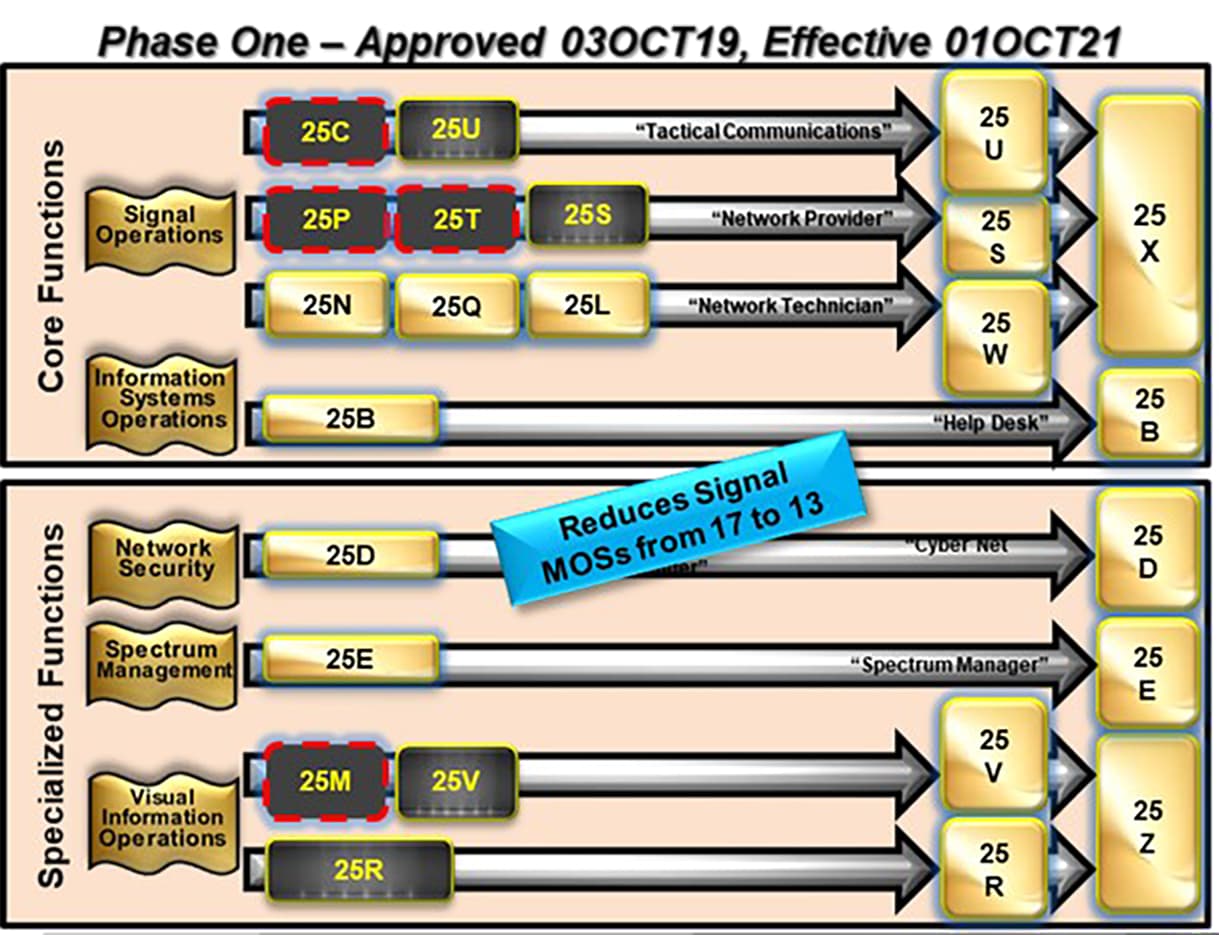
For those with an entrepreneurial spirit, an MOS can provide the foundational expertise for starting a business. A veteran with an MOS in logistics (e.g., MOS 92A, Logistics Specialist) might launch a successful freight or supply chain management company. An IT specialist (e.g., MOS 25B, Information Technology Specialist) could start a cybersecurity consulting firm. The discipline, leadership, and problem-solving skills ingrained through military service, combined with MOS-specific technical expertise, are critical ingredients for business success, offering a path to self-employment and wealth creation. Furthermore, veterans often have access to small business loans and resources specifically tailored to their unique background.
Navigating Retirement and Long-Term Financial Security
The entire military career, shaped by the MOS, contributes to a service member’s eligibility for a military pension and other veteran benefits, which are cornerstones of long-term financial security. While the pension amount is based on years of service and final pay grade, the career progression influenced by an MOS can lead to higher final pay, thus a more substantial pension.
Beyond the pension, veterans gain access to a range of benefits that have significant financial value, including VA healthcare, home loan guarantees, and educational support. These benefits significantly reduce living costs and provide safety nets that are crucial for comprehensive financial planning well into retirement. The cumulative financial impact of a well-managed military career, guided by the MOS, provides a robust foundation for a financially secure post-service life.
Strategic Financial Planning: Maximizing Your MOS Investment
Understanding what an MOS stands for is just the beginning. The real power lies in strategically leveraging its financial implications throughout a military career and beyond. Proactive financial planning, informed by the nuances of one’s MOS, can lead to substantial wealth accumulation and long-term security.
Understanding Total Compensation and Benefits
Service members should view their MOS not just as a job but as an investment that yields a “total compensation” package far beyond base pay. This includes special pays, allowances, healthcare, educational benefits, and the future pension. Regularly reviewing military pay statements, understanding tax implications of various pays, and utilizing financial counseling services (often available on base) can help service members fully grasp the monetary value of their service and MOS. This holistic understanding is crucial for making informed financial decisions, from budgeting and saving to investing.
Building a Financial Future Beyond Service
Even while serving, it’s vital to plan for the post-military financial landscape. This involves continuously assessing how an MOS aligns with civilian career goals and actively pursuing additional certifications or educational opportunities (e.g., through Tuition Assistance) that complement the MOS and boost its civilian marketability. Saving and investing strategically throughout military service, taking advantage of programs like the Thrift Savings Plan (TSP) which offers low-cost investment options, is paramount. The unique financial benefits tied to an MOS, such as reenlistment bonuses, can be significant catalysts for building substantial investment portfolios if managed wisely.
Financial Tools and Resources for Service Members
The military, VA, and various non-profit organizations offer a plethora of financial tools and resources specifically for service members and veterans. These include:
- Personal Financial Managers (PFMs) and Financial Counselors: Available on most installations, offering free, unbiased financial advice.
- Transition Assistance Program (TAP): Provides workshops and resources for veterans transitioning to civilian employment, including resume building, skill translation, and job search strategies that leverage their MOS.
- VA Benefits Counselors: Assist with understanding and applying for VA healthcare, education, and home loan benefits.
- Organizations like FINRA Foundation and Military OneSource: Offer financial education and planning resources tailored to the military community.
By actively engaging with these resources, service members can optimize their financial journey, ensuring that their MOS not only defines their role in uniform but also empowers a future of financial stability and prosperity. The MOS is more than an abbreviation; it is a financial roadmap waiting to be strategically navigated.
aViewFromTheCave is a participant in the Amazon Services LLC Associates Program, an affiliate advertising program designed to provide a means for sites to earn advertising fees by advertising and linking to Amazon.com. Amazon, the Amazon logo, AmazonSupply, and the AmazonSupply logo are trademarks of Amazon.com, Inc. or its affiliates. As an Amazon Associate we earn affiliate commissions from qualifying purchases.