
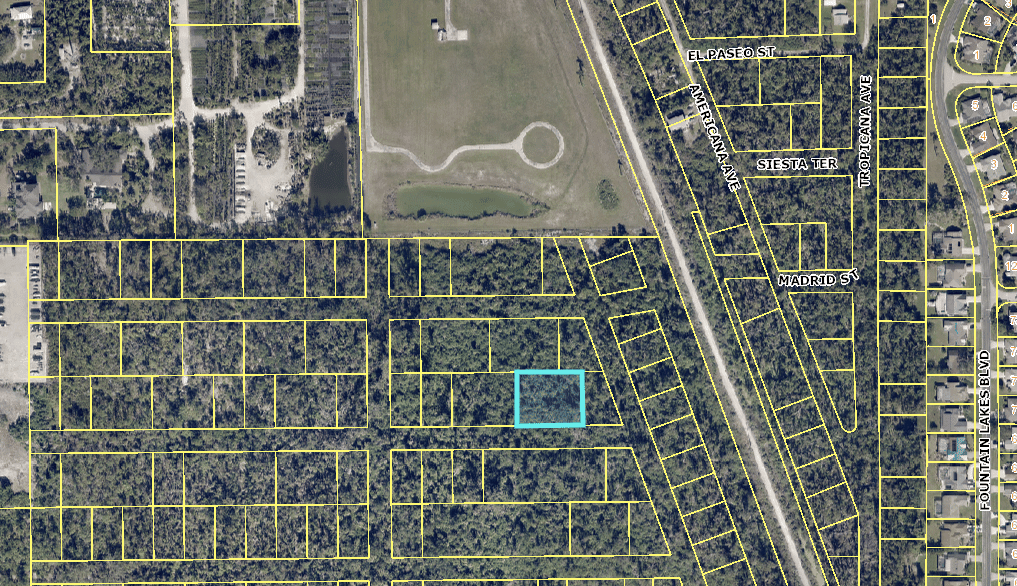
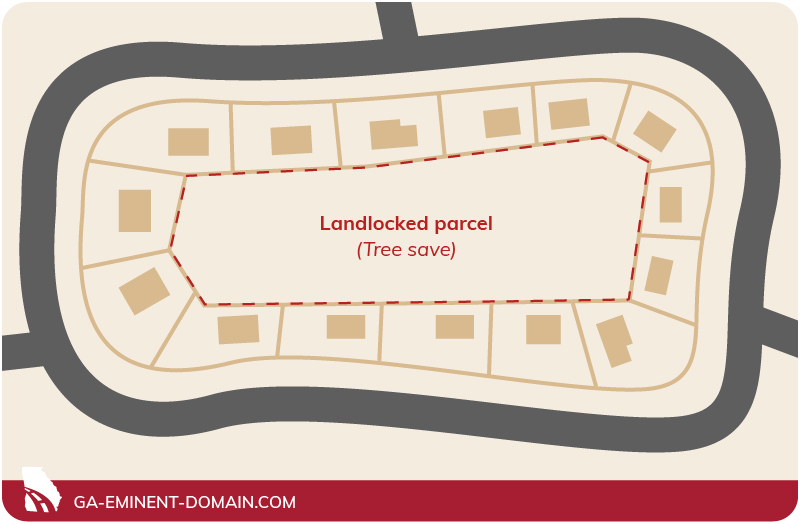
Landlocked property, in its most fundamental definition, refers to a parcel of land that has no direct legal access to a public road. This lack of physical access significantly impacts its value and usability, and for those involved in real estate investment, development, or even personal ownership, understanding the financial implications of landlocked property is crucial. This article delves into what landlocked property means from a financial perspective, exploring its challenges, opportunities, and the strategies for navigating its unique market.
The Financial Ramifications of Limited Access
The absence of direct access is not merely a physical inconvenience; it translates into tangible financial drawbacks. For any piece of real estate, accessibility is a cornerstone of its market value. Buyers and developers alike prioritize ease of ingress and egress for a multitude of reasons, all of which directly affect their potential return on investment.
Diminished Market Value and Investment Potential
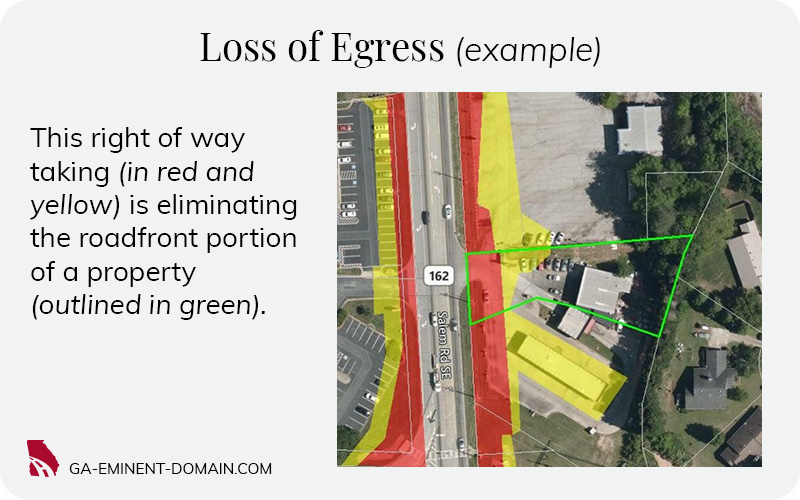
The most immediate financial consequence of being landlocked is a substantially lower market value compared to similar properties with road frontage. This is a direct result of the inherent limitations placed upon the land. Without road access, the property cannot be easily developed for residential, commercial, or industrial purposes. Building a home becomes an engineering and logistical nightmare, potentially requiring costly easements or even specialized construction. For commercial ventures, customer and employee access is paramount, and without it, the viability of most businesses is severely compromised.
Investors looking for quick flips or rental income streams will often shy away from landlocked parcels. The time, effort, and significant capital required to secure access can tie up funds for extended periods with no guaranteed return. Furthermore, the pool of potential buyers for landlocked property is significantly smaller, leading to longer marketing times and potentially deeper price concessions when a sale does occur. The speculative nature of investing in such properties is high, requiring a keen understanding of land use regulations and easement acquisition processes.
Increased Development Costs and Hurdles
For developers, landlocked property presents a formidable financial challenge. The first and foremost hurdle is securing legal and physical access. This often involves negotiating with adjacent landowners to obtain easements – legally recognized rights to use another person’s land for a specific purpose, in this case, passage. The cost of acquiring these easements can vary wildly, depending on the willingness of the landowner, the necessity of their land for access, and the legal complexities involved. In some cases, landowners may demand a substantial sum, effectively eating into the developer’s profit margins.
Beyond the easement acquisition, the physical creation of a road or access path can also be extremely expensive. This might involve clearing land, grading, paving, and potentially installing utilities along the access route. If the terrain is challenging, these costs can escalate dramatically. Furthermore, local zoning and building codes often have specific requirements for road access, adding another layer of compliance and potential expense. The financial burden of overcoming these access issues can make a once-promising development project financially infeasible.
The Cost of Legal Battles and Easement Acquisition
The process of securing access for landlocked property is frequently fraught with legal complexities. When negotiations with neighboring landowners fail, or when multiple parties are involved, legal action becomes a likely recourse. This can involve pursuing an “easement by necessity” or an “easement by prescription” through the courts.
An easement by necessity is granted by a court when a property was once part of a larger parcel and the division of that parcel resulted in one portion becoming landlocked. The law recognizes that the landlocked owner should have reasonable access. However, proving necessity can be a lengthy and expensive legal process, requiring legal representation, surveys, and expert testimony.
An easement by prescription, on the other hand, arises when someone has used a path across another’s land openly, continuously, and without permission for a statutory period (which varies by jurisdiction). Proving continuous and open use can also be a legal challenge.
The costs associated with these legal battles are substantial. Attorney fees, court costs, and expert witness fees can quickly accumulate. Even if successful, the time spent in litigation delays any potential development or sale, further impacting the financial outcomes. Therefore, the potential for costly legal disputes is a significant financial risk associated with landlocked property.
Exploring the Niche Opportunities of Landlocked Property
While landlocked property presents significant financial challenges, it is not entirely devoid of opportunity. For the savvy investor or developer with a deep understanding of the market and a willingness to take on greater risk, these parcels can offer unique advantages.
Below-Market Acquisition and Value Appreciation
One of the primary financial attractions of landlocked property is the potential for acquisition at a price significantly below comparable properties. Because of the inherent difficulties in accessing and utilizing the land, sellers are often motivated to accept lower offers. This creates an opportunity for investors to acquire property at a discount.
The true financial benefit arises if the investor can successfully secure legal and physical access. Once access is established, the property’s value can skyrocket. The transformation from an inaccessible, undervalued parcel to a buildable, usable plot of land can result in substantial capital appreciation. This requires meticulous planning, a thorough understanding of local land use regulations, and a strategic approach to easement acquisition. The investor essentially buys the problem and sells the solution, capturing the value created by overcoming the landlocked status.
Specialized Development and Unique Use Cases
The constraints of landlocked property can also lead to unique development opportunities that might not be feasible or as attractive on accessible land. For instance, large, undeveloped landlocked parcels might be suitable for conservation easements, agricultural uses where immediate public access is less critical, or even specialized recreational purposes like hunting preserves or private retreat centers, provided the owner can gain access for their own use or that of invited guests.
In some urban or semi-urban fringe areas, landlocked parcels might be strategically located for future development as surrounding areas grow. Developers might acquire these parcels with a long-term vision, anticipating that infrastructure development (roads, utilities) will eventually extend to or near their property, making access easier and more affordable in the future. This long-term, speculative approach can yield significant returns if the developer’s foresight proves accurate.
The Role of Adjacent Landowners and Strategic Partnerships
The financial success of dealing with landlocked property often hinges on relationships with adjacent landowners. In some cases, an adjacent landowner may see the benefit of an access agreement, especially if it involves a shared cost of road construction or if the landlocked owner is willing to sell a portion of their land at a premium for the access route.
Strategic partnerships can be particularly effective. A landlocked property owner might partner with an adjacent landowner who has road frontage. The landlocked owner could provide the capital for development on their land, while the adjacent landowner could provide the access, with profits shared based on a pre-agreed formula. This allows both parties to leverage their assets and mitigate risks, turning a potential conflict into a profitable venture. Thorough legal agreements are paramount in these partnerships to define responsibilities, profit sharing, and exit strategies.
Navigating the Financial Landscape of Landlocked Property
Successfully navigating the financial complexities of landlocked property requires a diligent and informed approach. It’s a market segment that demands patience, expertise, and a clear understanding of the risks and rewards.
Due Diligence: The Foundation of Financial Prudence
Before any financial commitment is made, comprehensive due diligence is paramount. This involves more than just a cursory inspection of the land. It requires a deep dive into legal records, zoning ordinances, and potential access routes.
- Title Search and Survey: A thorough title search is essential to confirm ownership and identify any existing easements, liens, or encumbrances that could affect access or future development. A professional survey will precisely define the property boundaries and identify any physical features that might impact access.
- Zoning and Land Use Regulations: Understanding local zoning laws is critical. Are there restrictions on what can be built? What are the requirements for road access, utility connections, and setbacks? Local planning departments are invaluable resources for this information.
- Environmental Assessments: Depending on the location and intended use, environmental assessments may be necessary to identify any potential contamination or ecological constraints that could add significant costs to development.
- Access Potential Assessment: This is perhaps the most crucial aspect of due diligence for landlocked property. Identifying potential routes for access, evaluating the feasibility and cost of acquiring easements, and understanding the legal precedent for obtaining easements by necessity or prescription in the specific jurisdiction are all vital. Consulting with real estate attorneys specializing in land use and access rights is highly recommended.
Financial Planning and Risk Mitigation Strategies
Given the inherent risks, meticulous financial planning and robust risk mitigation strategies are indispensable.
- Detailed Budgeting: Create a comprehensive budget that accounts for not only the purchase price but also all anticipated costs of securing access, potential legal fees, development expenses, and carrying costs (taxes, insurance) during the period of access acquisition and development.
- Contingency Funds: Always include a substantial contingency fund to cover unforeseen expenses that inevitably arise when dealing with complex land access issues.
- Phased Development: For larger parcels, consider a phased development approach. This allows for a more manageable allocation of capital and the generation of some revenue before the entire project is complete.
- Insurance: Explore specialized insurance policies that might cover risks associated with easement disputes or access challenges.
- Exit Strategies: Have clear exit strategies in place. What will you do if access cannot be secured? Can the property be sold as is, albeit at a lower price? Can it be repurposed for a use that requires minimal public access?
The Long-Term Perspective: Patience as a Financial Virtue
Investing in or developing landlocked property is rarely a short-term game. The process of securing access and preparing the land for its intended use often takes years. Therefore, a long-term financial perspective is essential.
Those who succeed in the landlocked property market are typically patient investors who are not deterred by initial hurdles. They understand that the value creation often comes from the patient unraveling of complexities. By diligently assessing the potential, meticulously planning, and executing with patience and expertise, landlocked property can transform from a financial liability into a significant asset. The key lies in recognizing that its “locked” status is not an insurmountable barrier, but rather a financial puzzle waiting to be solved by those with the vision and resources to do so.
aViewFromTheCave is a participant in the Amazon Services LLC Associates Program, an affiliate advertising program designed to provide a means for sites to earn advertising fees by advertising and linking to Amazon.com. Amazon, the Amazon logo, AmazonSupply, and the AmazonSupply logo are trademarks of Amazon.com, Inc. or its affiliates. As an Amazon Associate we earn affiliate commissions from qualifying purchases.