
In the era of rapid automotive evolution, where touchscreens replace physical knobs and semi-autonomous driving systems become standard, the traditional gear shifter remains a cornerstone of the driver-to-machine interface. For many drivers, the “D” (Drive) and “P” (Park) settings are the only ones that ever see use. However, nestled among the standard PRND labels is the often-misunderstood “L” gear. Standing for “Low,” this setting represents a sophisticated intersection of mechanical engineering and electronic control units. Understanding what L gear means requires a deep dive into transmission technology, torque management, and the software-driven systems that keep modern vehicles performing under pressure.
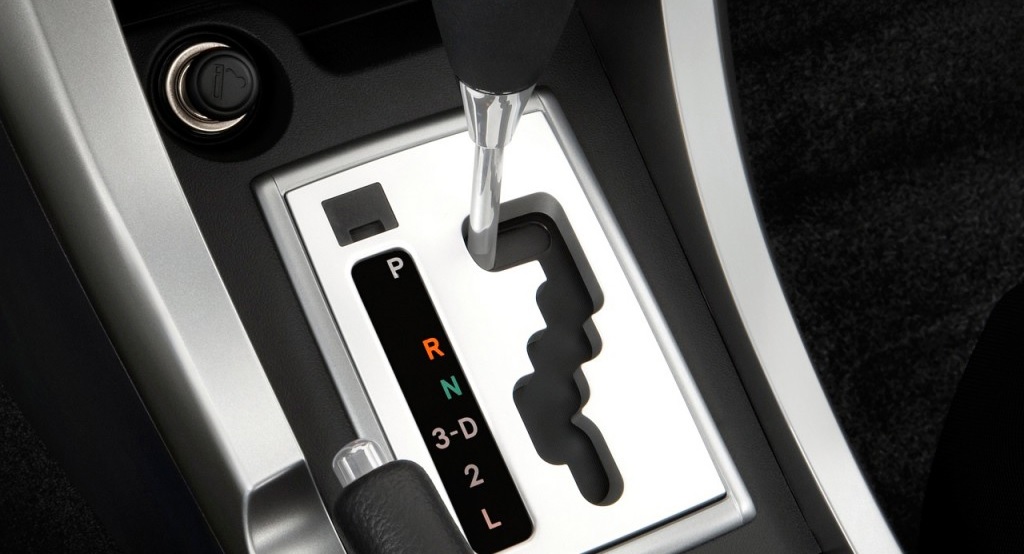
The Mechanics of Transmission Technology: What L Gear Does
At its core, the L gear is a specific configuration of the vehicle’s transmission designed to optimize power over speed. While the “Drive” setting allows the vehicle’s computer to cycle through all available gears to maximize fuel efficiency and smooth acceleration, selecting “L” locks the transmission into the lower gear ratios (usually the first or second gear). This technological choice fundamentally alters how the engine interacts with the wheels.
Understanding Gear Ratios and Torque Multiplication
In the world of mechanical engineering, gears function as force multipliers. When a vehicle is in a low gear, the engine’s crankshaft turns many times for every single rotation of the drive wheels. This is known as a high gear ratio. From a technical standpoint, this allows the engine to operate in its “power band,” where it produces maximum torque. Torque is the rotational force required to move heavy loads or overcome gravity on steep inclines. By staying in L, the vehicle prioritizes this force, ensuring that the engine does not upshift to a higher gear where torque would be sacrificed for speed.
The Role of the Transmission Control Unit (TCU)
Modern vehicles are essentially computers on wheels, and the transmission is no exception. The Transmission Control Unit (TCU) is the “brain” that manages gear shifts based on sensor data. When a driver selects L gear, they are sending a high-priority command to the TCU. The software interprets this input to override the standard fuel-saving algorithms. Instead of shifting at low RPMs to save gas, the TCU holds the lower gears, allowing the engine to rev higher. This digital oversight ensures that even when the driver requests “Low,” the vehicle’s software prevents the engine from exceeding its mechanical limits (redlining), demonstrating a fail-safe integration of hardware and software.
Scenarios for Using Low Gear Technology: Precision over Velocity
Technology is most effective when applied to the right problem. The L gear is not a performance booster for highway racing; rather, it is a specialized tool for high-resistance environments. The engineering behind the L setting is designed to handle thermal management and kinetic energy in ways that standard braking and driving cannot.
Engine Braking and Kinetic Energy Management
One of the most critical technical applications of L gear is “engine braking.” When descending a steep or long grade, relying solely on the friction-based braking system (pads and rotors) can lead to a dangerous phenomenon known as “brake fade.” Friction generates intense heat, which can eventually cause the brake fluid to boil or the pads to lose their grip.
By shifting into L, the driver uses the engine’s internal vacuum and compression to slow the vehicle. Because the transmission is locked in a lower gear, the wheels are forced to turn the engine against its own internal resistance. This technological approach converts kinetic energy into heat within the engine’s cooling system—which is designed to dissipate high temperatures—rather than the brakes, preserving the vehicle’s stopping power for emergencies.
Navigating Steep Inclines and Heavy Loads
When towing a trailer or ascending a mountain pass, the demand on the powertrain increases exponentially. If the transmission were left in “Drive,” the TCU might attempt to upshift to keep RPMs low, only to find the engine lacks the torque to maintain speed in a higher gear. This results in “gear hunting,” where the transmission constantly shifts back and forth, creating wear and tear on the clutch packs and gears. By manually selecting L, the driver provides the vehicle with a steady stream of torque, reducing mechanical strain and preventing the transmission fluid from overheating due to excessive shifting.
The Evolution from Manual to Automated Tech: Shift-by-Wire Systems
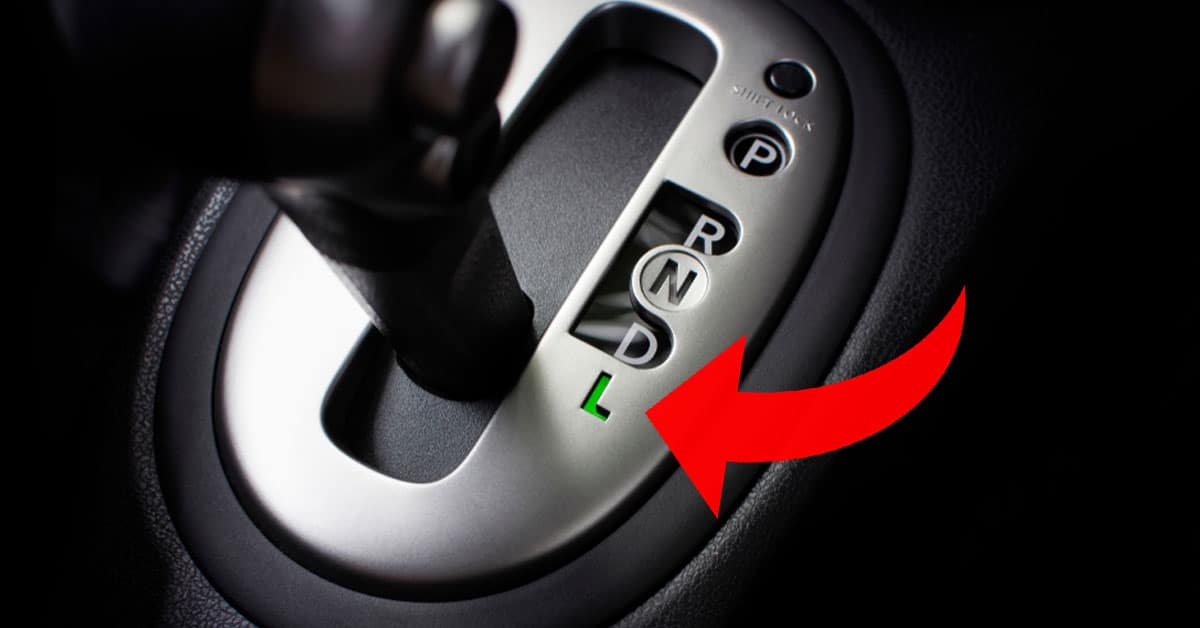
The “L” gear has transitioned from a physical mechanical link to a sophisticated digital command. In older vehicles, moving the lever to L physically moved a rod that adjusted the valves inside the hydraulic transmission. Today, most vehicles utilize “shift-by-wire” technology.
Electronic Shift-on-the-Fly Systems
In modern automotive tech, the gear selector is essentially a joystick or a series of buttons. When you move the selector to L, you are not moving a mechanical part inside the gearbox; you are sending an electronic signal to a solenoid. This shift-by-wire system allows for much greater precision. For example, it enables “downshift protection,” where the computer will refuse to engage L gear if the vehicle is traveling at a speed that would cause the engine to explode. This layer of digital security bridges the gap between driver intent and mechanical safety.
How Modern CVTs Emulate Low Gear
The rise of Continuously Variable Transmissions (CVTs) has changed the definition of a “gear.” CVTs do not have fixed cogs; instead, they use a belt and pulley system that can provide an infinite number of ratios. However, many CVTs still feature an “L” or “S” (Sport/Slope) mode. In this context, the “L” setting is a software-defined “virtual gear.” The TCU adjusts the pulleys to a specific ratio that mimics the behavior of a traditional first gear. This shows how automotive technology uses software to replicate physical mechanical advantages, providing drivers with familiar control mechanisms even as the underlying hardware changes.
Safety and Performance Tech Integration
The L gear does not operate in a vacuum. It is part of a holistic suite of vehicle dynamics technologies that work together to ensure stability and safety, particularly in adverse conditions like snow, mud, or gravel.
Integration with Traction Control Systems (TCS)
When driving on slippery surfaces, high-speed wheel rotation can lead to a loss of traction. While some believe L gear is for “starting” in snow, it is actually more useful for maintaining steady, low-speed progress. Modern Traction Control Systems (TCS) monitor the wheel speed sensors thousands of times per second. When L gear is engaged, the TCU and TCS work in tandem to ensure that the torque delivered to the wheels is consistent. By preventing the transmission from upshifting and then downshifting suddenly, L gear helps maintain a stable contact patch between the tire and the road.
Preventing Transmission Overheating through Sensor Data
Heat is the primary enemy of any mechanical system. Modern transmissions are equipped with temperature sensors that feed data back to the vehicle’s central computer. When a vehicle is under high load (such as climbing a hill in Drive), the transmission fluid can reach temperatures that degrade its lubricating properties. Using L gear reduces the amount of work the torque converter has to do to bridge the gap between engine speed and wheel speed. From a tech perspective, L gear is a proactive cooling strategy, reducing the thermal load on the transmission and extending the lifespan of the vehicle’s most expensive components.
The Future of Gear Selection in the EV Era
As the automotive industry shifts toward Electric Vehicles (EVs), the traditional concept of an “L” gear is being reimagined through the lens of power electronics and software engineering.
Single-Speed Transmissions vs. Virtual Low Gears
Most EVs use a single-speed transmission because electric motors provide 100% of their torque at zero RPM. They don’t “need” a low gear to get moving. However, many EV manufacturers are implementing a “Low” or “B” (Brake) mode. In an EV, this is purely a software-defined behavior. Instead of changing a physical gear ratio, the “Low” setting increases the intensity of regenerative braking.
Software-Defined Performance Profiles
In the future, “L gear” may disappear entirely, replaced by AI-driven terrain sensing. Using GPS data and onboard cameras, the vehicle’s software could automatically adjust the motor’s torque output and regenerative braking levels to match the incline of the road. We are moving toward an era where the mechanical benefits of L gear are fully automated, handled by algorithms that can react faster and more accurately than a human driver.
Conclusion: The Enduring Relevance of the “L” Command
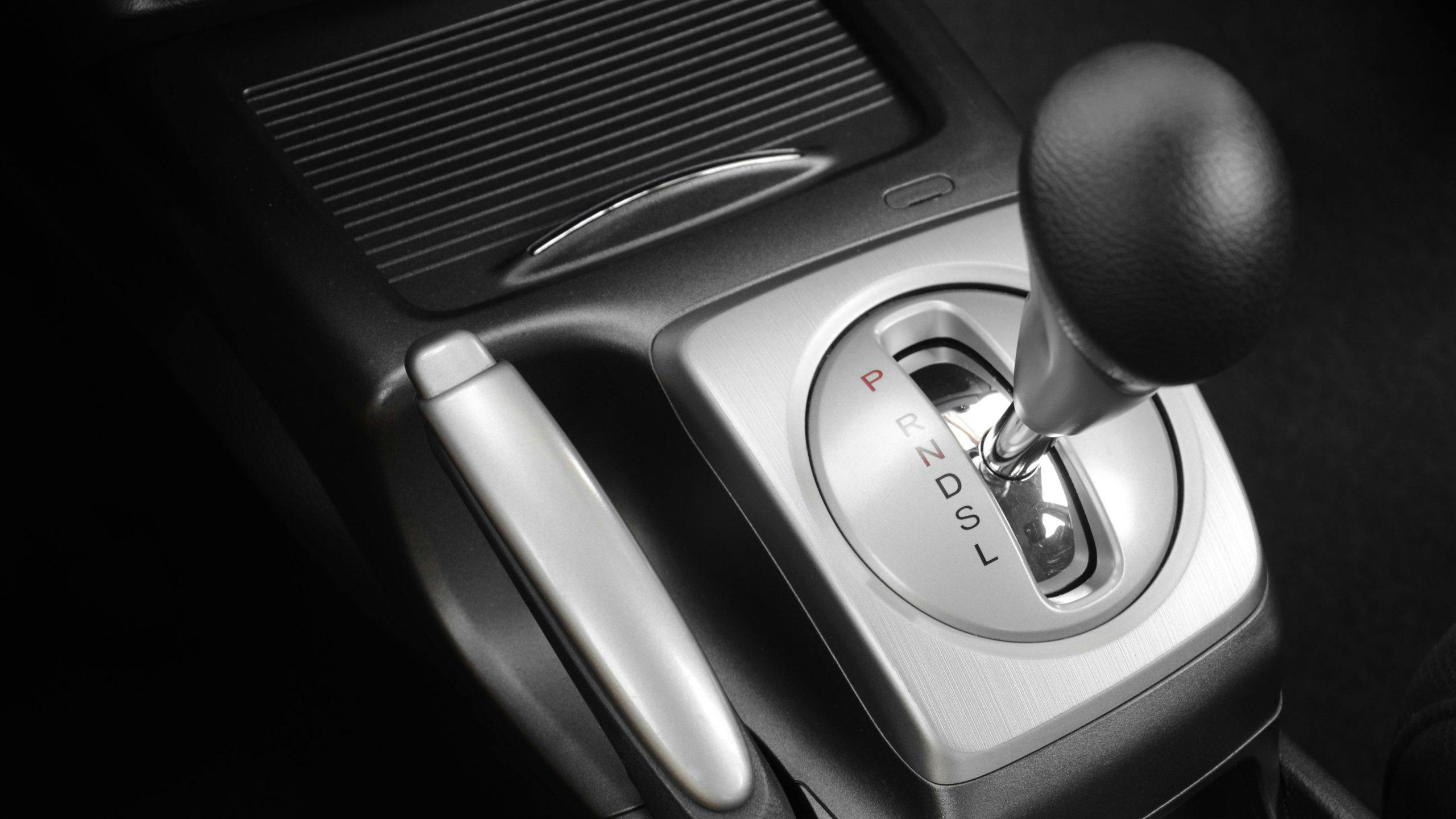
The “L” on your gear shifter is far more than a legacy feature of a bygone era. It represents a vital piece of automotive technology that allows for manual intervention in complex driving scenarios. Whether it is managed by a traditional hydraulic system, a sophisticated TCU, or a modern EV’s software-defined regenerative braking, the L gear serves as the bridge between raw mechanical power and precision control. By understanding the technology behind this setting, drivers can better utilize their vehicle’s engineering to ensure safety, performance, and longevity on the road.
aViewFromTheCave is a participant in the Amazon Services LLC Associates Program, an affiliate advertising program designed to provide a means for sites to earn advertising fees by advertising and linking to Amazon.com. Amazon, the Amazon logo, AmazonSupply, and the AmazonSupply logo are trademarks of Amazon.com, Inc. or its affiliates. As an Amazon Associate we earn affiliate commissions from qualifying purchases.