
The landscape of personal finance has undergone a seismic shift over the last decade. Traditional methods of credit—primarily revolving credit cards and high-interest personal loans—are increasingly being supplemented, or even replaced, by a financial phenomenon known as Buy Now, Pay Later (BNPL). At the epicenter of this shift is Klarna, a Swedish fintech giant that has redefined how consumers interact with their money at the point of sale. To understand what Klarna does is to understand the modernization of consumer credit, the psychology of spending, and the evolving tools available for personal liquidity management.

At its core, Klarna is a global payment provider and licensed bank that aims to make the shopping experience “smoooth” (as per their branding) by offering flexible payment solutions. However, for the financially conscious consumer, Klarna is more than just a checkout button; it is a suite of financial tools designed to manage cash flow without the immediate burden of high-interest debt typically associated with traditional credit.
Understanding the Core Mechanics of Klarna’s Financial Ecosystem
Klarna functions as an intermediary between the consumer and the merchant. When a shopper uses Klarna, the merchant receives the full payment for the goods immediately (minus a transaction fee), while Klarna assumes the credit risk and allows the consumer to pay back the balance over a predetermined period. This model is broken down into several distinct financial products, each tailored to different spending habits and financial needs.
The “Pay in 4” Model: Short-term Liquidity
The most popular feature of Klarna is the “Pay in 4” installment plan. This tool allows a consumer to split a purchase into four equal payments. The first payment is made at the time of purchase, and the remaining three are automatically charged every two weeks. For the user, the primary appeal is that this service is interest-free, provided payments are made on time. From a personal finance perspective, this serves as a tool for “smoothing” consumption—allowing a buyer to spread the cost of a significant purchase across two monthly pay cycles without dipping into savings or incurring credit card interest.
Pay in 30 Days: The Digital Try-Before-You-Buy
Another staple of Klarna’s offering is the “Pay in 30 Days” option. This is particularly prevalent in the fashion and home decor industries. It allows a consumer to receive an item, inspect it, or try it on before a single cent leaves their bank account. If the item is returned within the 30-day window, the invoice is cancelled. If kept, the consumer pays the full amount at the end of the month. This effectively digitizes the “fitting room” experience and provides a level of consumer protection and cash flow flexibility that traditional debit transactions cannot match.
Monthly Financing and Traditional Credit
For larger purchases, such as electronics or furniture, Klarna offers more traditional financing options that can extend from 6 to 36 months. Unlike the “Pay in 4” model, these long-term options often carry an Annual Percentage Rate (APR), making them more akin to a standard personal loan. This side of the business requires a more formal credit check and is regulated similarly to other banking products, providing a bridge between agile fintech solutions and established banking practices.
How Klarna Impacts Personal Budgeting and Financial Management
The rise of Klarna has sparked a significant debate among financial advisors regarding its impact on consumer health. While critics argue it encourages overspending, proponents see it as a sophisticated budgeting tool that offers an alternative to the “debt trap” of revolving credit cards.
Debt Management and Interest-Free Structures
One of the most profound ways Klarna changes the money management equation is through its interest-free structure on short-term plans. Unlike credit cards, which often charge upwards of 20% APR if the balance isn’t cleared in full, Klarna’s “Pay in 4” charges 0% interest. For a disciplined spender, this is a mathematically superior way to manage a purchase. By keeping more money in their own high-yield savings account for an extra six weeks while paying off the Klarna balance, the consumer essentially earns a small “arbitrage” on their own spending.
The Psychographics of Frictionless Payments
Klarna’s success is built on reducing “payment pain.” In behavioral economics, the physical act of handing over cash or entering credit card details creates a psychological barrier to spending. Klarna’s seamless integration into mobile apps and browser extensions reduces this friction. For those practicing mindful finance, this requires a higher level of self-discipline. Klarna provides a “Budgeting” feature within its app that allows users to set spending limits and track their upcoming “ghost” payments—debts that are scheduled but haven’t yet left the account—providing a transparent view of future liabilities.
Integration with Personal Finance Apps
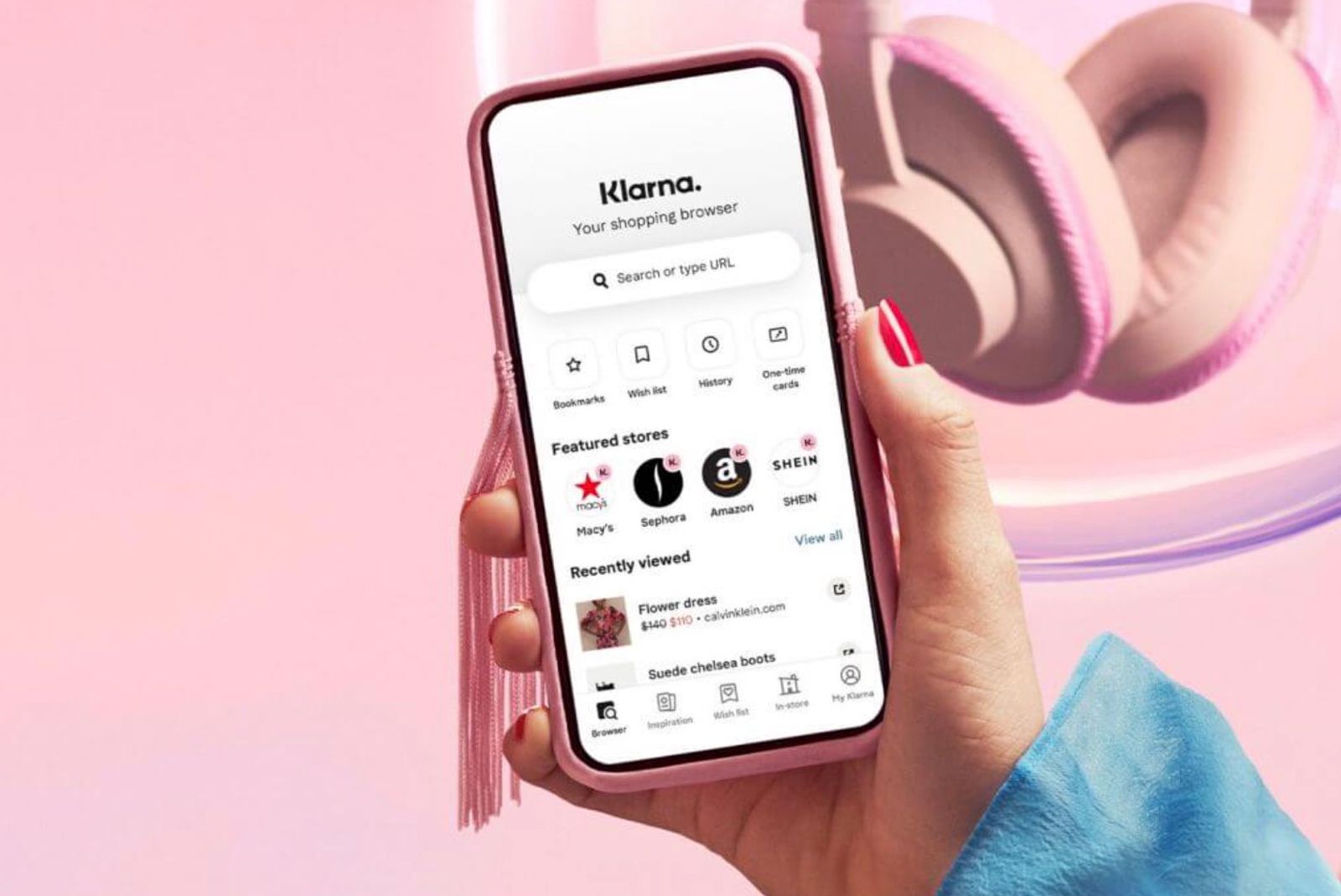
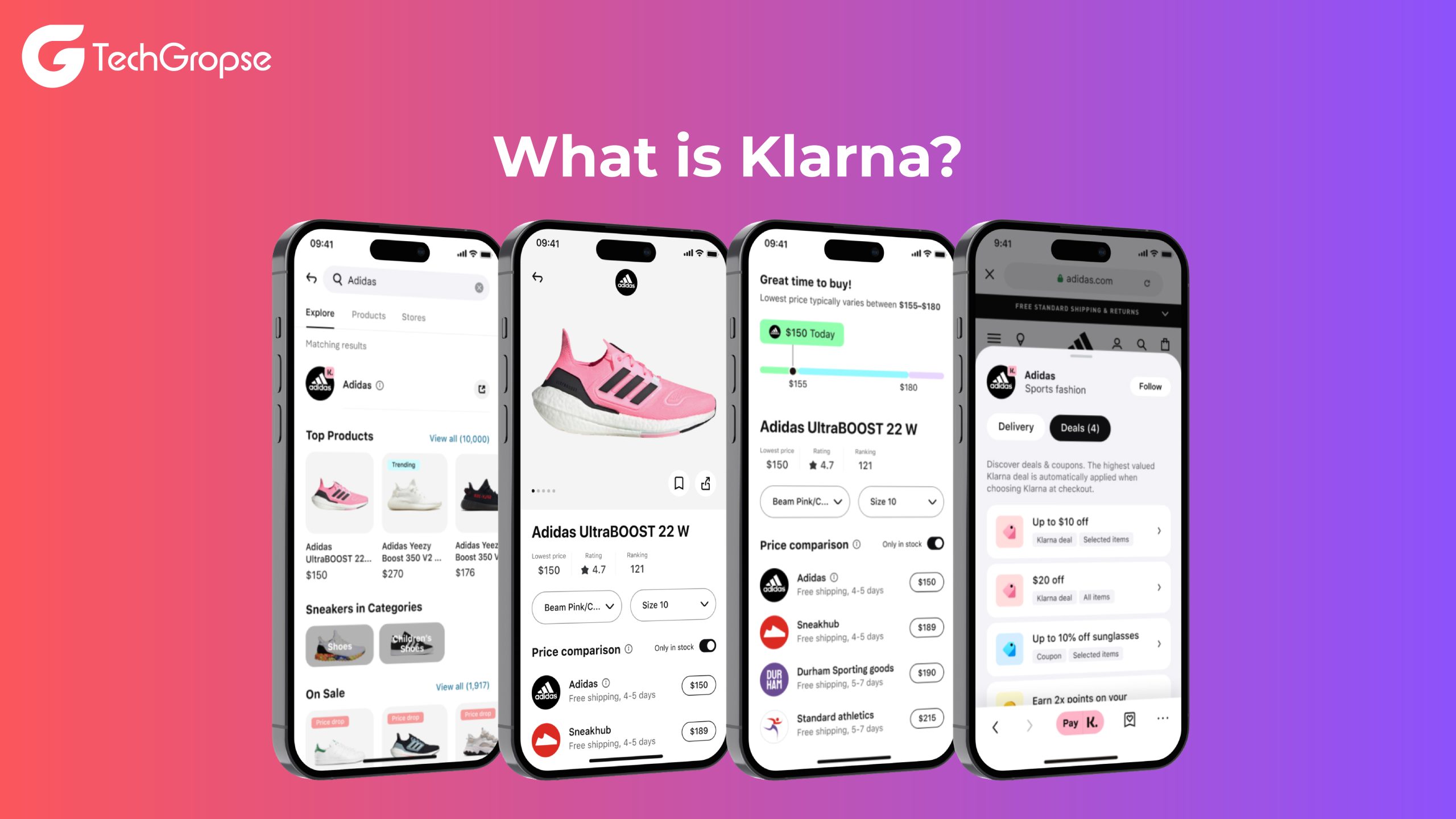
Modern wealth management often relies on a consolidated view of assets and liabilities. Klarna has evolved to offer more than just credit; its app now functions as a comprehensive financial hub. Users can link their external bank accounts to get a holistic view of their spending, receive price-drop notifications on watched items to ensure they are buying at the most efficient price point, and even manage deliveries. By centralizing the shopping and payment lifecycle, Klarna provides data-driven insights that can help users identify spending patterns that might otherwise go unnoticed across multiple credit card statements.
The Merchant Perspective: Why Businesses Integrate Klarna
To fully understand what Klarna does, one must look at the “hidden” side of the transaction: the relationship with the merchant. Klarna is not just a consumer tool; it is a powerful B2B financial service.
Boosting Average Order Value (AOV)
From a business finance standpoint, Klarna acts as a catalyst for growth. Statistics consistently show that when a merchant integrates BNPL options, their Average Order Value (AOV) increases. When a $200 coat is presented as “four payments of $50,” the psychological barrier is lowered, and consumers are more likely to add additional items to their cart. For the business, this translates to higher revenue and faster inventory turnover.
Conversion Optimization and Risk Transfer
Cart abandonment is one of the biggest challenges in e-commerce. Often, customers abandon their carts due to the total cost or a lack of preferred payment methods. Klarna solves this by providing immediate “micro-credit” at the point of sale. Crucially, Klarna takes on the entire risk of consumer default. The merchant gets paid immediately, and if the consumer fails to pay their installments, it is Klarna—not the merchant—who bears the financial loss. This transfer of risk is a valuable service for which merchants are willing to pay a percentage fee, typically higher than standard credit card processing fees.
Navigating the Risks and Rewards of Buy Now, Pay Later
As with any financial tool, the utility of Klarna depends entirely on the user’s financial literacy and discipline. There are specific risks associated with the BNPL model that differ from traditional banking products.
Impact on Credit Scores and Financial Health
A common question is whether using Klarna affects one’s credit score. For the “Pay in 4” and “Pay in 30 Days” options, Klarna typically performs a “soft” credit check, which does not impact the user’s credit score. This makes it accessible to those who are “credit invisible” or rebuilding their financial standing. However, failing to pay can lead to the debt being sent to collections, which will severely damage a credit profile. Conversely, Klarna’s longer-term financing options do involve “hard” credit inquiries, which can affect credit scores just like a standard loan application.
Late Fees and the Reality of Defaults
While Klarna is famous for being interest-free, it is not “consequence-free.” Late fees may apply if an automatic payment fails and the user does not rectify it within a grace period. For some users, the ease of making multiple “small” payments can lead to “debt stacking,” where several $20 or $30 installments across different retailers add up to an unmanageable monthly total. Responsible use of Klarna requires a robust understanding of one’s future cash flow to ensure that the “later” part of “Buy Now, Pay Later” is actually affordable.
The Future of Consumer Finance and Digital Wallets
Klarna is no longer just a payment button; it is moving toward becoming a “Super App” for the western world, similar to Alipay or WeChat Pay.
Beyond BNPL: The Super App Evolution
The strategic direction of Klarna involves integrating AI-driven shopping assistants, loyalty programs, and even high-yield savings accounts in certain markets. By offering a 360-degree financial ecosystem, Klarna aims to be the primary interface through which consumers interact with money. This includes the “Klarna Card,” a physical and virtual Visa card that allows users to apply BNPL logic to any purchase, even at retailers that haven’t officially partnered with the platform.
Comparison with Credit Cards and Traditional Banking
The ultimate role of Klarna in the financial world is as a disruptor of the traditional banking model. By eliminating the compound interest cycle that credit card companies rely on for profit, and instead generating revenue from merchant fees and transparent financing, Klarna offers a different value proposition. It represents a move toward “decentralized” credit—where credit is not a separate product you apply for at a bank, but a feature that is embedded directly into the act of commerce.
In conclusion, Klarna functions as a versatile financial bridge. For the savvy consumer, it is a tool for liquidity management and interest-free short-term financing. For the merchant, it is a conversion engine and a risk-mitigation partner. As the digital economy continues to evolve, Klarna’s role in shaping how we value, spend, and manage our money will only become more central to the global financial conversation. Understanding its mechanisms is the first step in leveraging these modern tools to build a more flexible and resilient personal financial strategy.
aViewFromTheCave is a participant in the Amazon Services LLC Associates Program, an affiliate advertising program designed to provide a means for sites to earn advertising fees by advertising and linking to Amazon.com. Amazon, the Amazon logo, AmazonSupply, and the AmazonSupply logo are trademarks of Amazon.com, Inc. or its affiliates. As an Amazon Associate we earn affiliate commissions from qualifying purchases.