
Johnson & Johnson (J&J) stands as a colossus in the global healthcare landscape, a name synonymous with household familiarity and medical innovation alike. Yet, for many, the sheer breadth of its operations and the diversity of its product offerings remain something of a mystery. Far from being a company focused on a single product line, J&J has cultivated a sprawling empire built on three core segments: Consumer Health, Pharmaceutical, and MedTech. Understanding what Johnson & Johnson makes is not just about listing products; it’s about dissecting a sophisticated brand strategy, a legacy of diversification, and an enduring commitment to health that has shaped its corporate identity for over a century.
A Legacy of Innovation and Diversification
Founded in 1886, Johnson & Johnson began with a focus on sterile surgical products, a revolutionary concept at the time. From these pioneering roots, the company quickly diversified, driven by a philosophy of meeting critical healthcare needs. This expansion wasn’t haphazard; it was a deliberate strategy to build a robust portfolio that could withstand market fluctuations and leverage synergies across different healthcare sectors. The brand’s enduring success lies in its ability to innovate within each segment while maintaining a cohesive corporate identity centered on health and well-being.
From Band-Aids to Biotech: An Enduring Vision
The journey from manufacturing the first commercial first aid kits and Band-Aid brand bandages to developing cutting-edge biotechnological drugs and advanced surgical robotics illustrates J&J’s dynamic evolution. This history of consistent innovation and strategic diversification has allowed J&J to touch virtually every aspect of human health, from everyday wellness products found in most homes to life-saving medicines and intricate medical devices used in hospitals worldwide. This expansive reach is not merely a collection of disparate businesses; it is a meticulously managed brand architecture designed to maximize impact and sustain growth.
The Three Pillars of a Global Healthcare Giant
To truly comprehend what Johnson & Johnson makes, one must examine its operations through the lens of its three primary business segments, each contributing distinctively to its global brand presence and financial strength. It’s important to note that, as of 2023, J&J executed a significant strategic move, spinning off its Consumer Health business into a new, publicly traded company called Kenvue. While J&J retains a substantial stake in Kenvue, its core focus has sharpened to Pharmaceuticals and MedTech, though the legacy and impact of its consumer brands remain integral to its history and public perception.
Consumer Health: Household Staples and Everyday Wellness
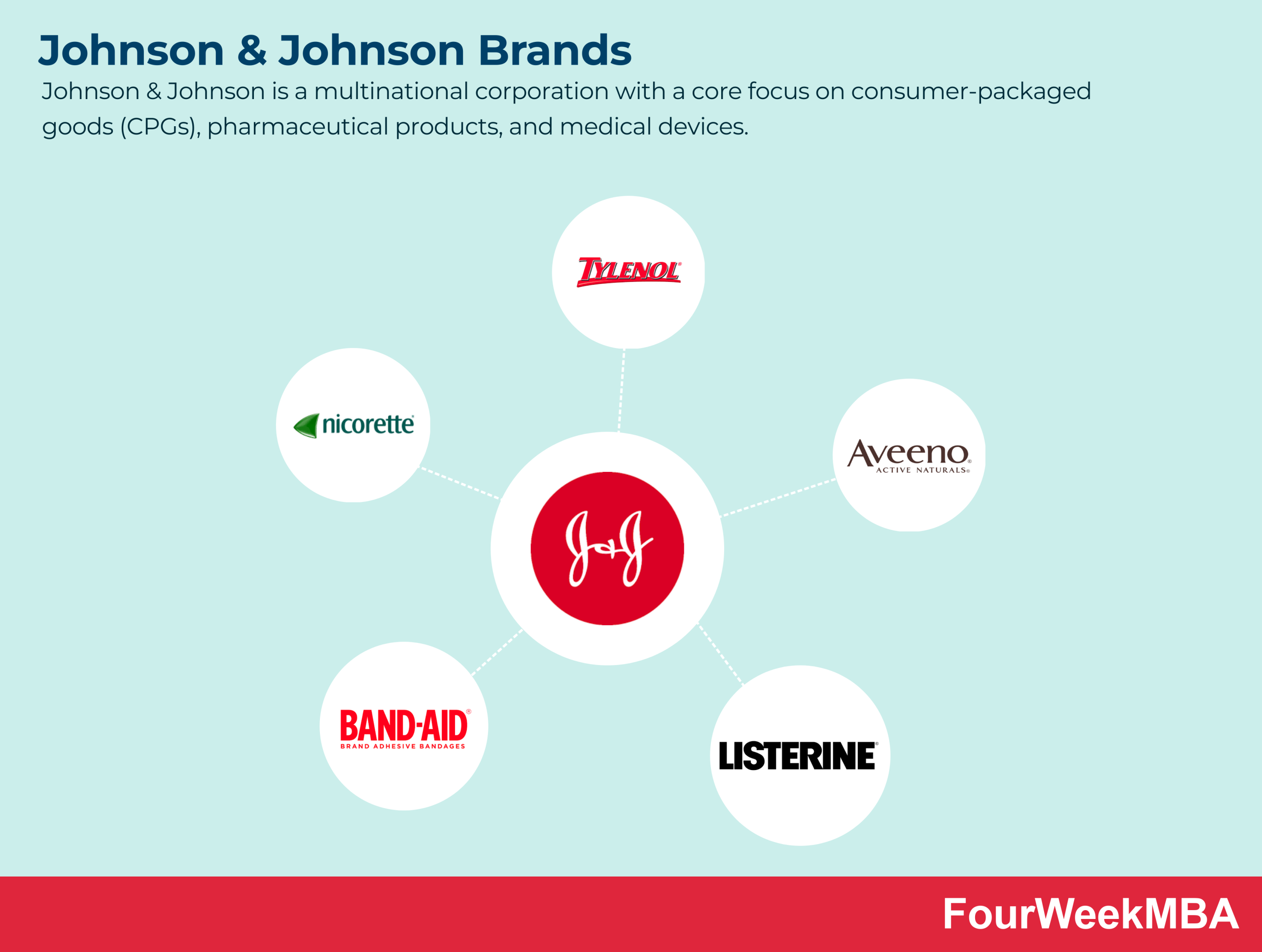
Historically, this segment was perhaps the most visible face of Johnson & Johnson to the general public. While now operating as Kenvue, the collection of brands under this umbrella represented an enormous part of J&J’s brand recognition. These products addressed common ailments, personal care, and hygiene, becoming household names globally. They included:
- Pain Relief: Tylenol (acetaminophen)
- Oral Care: Listerine
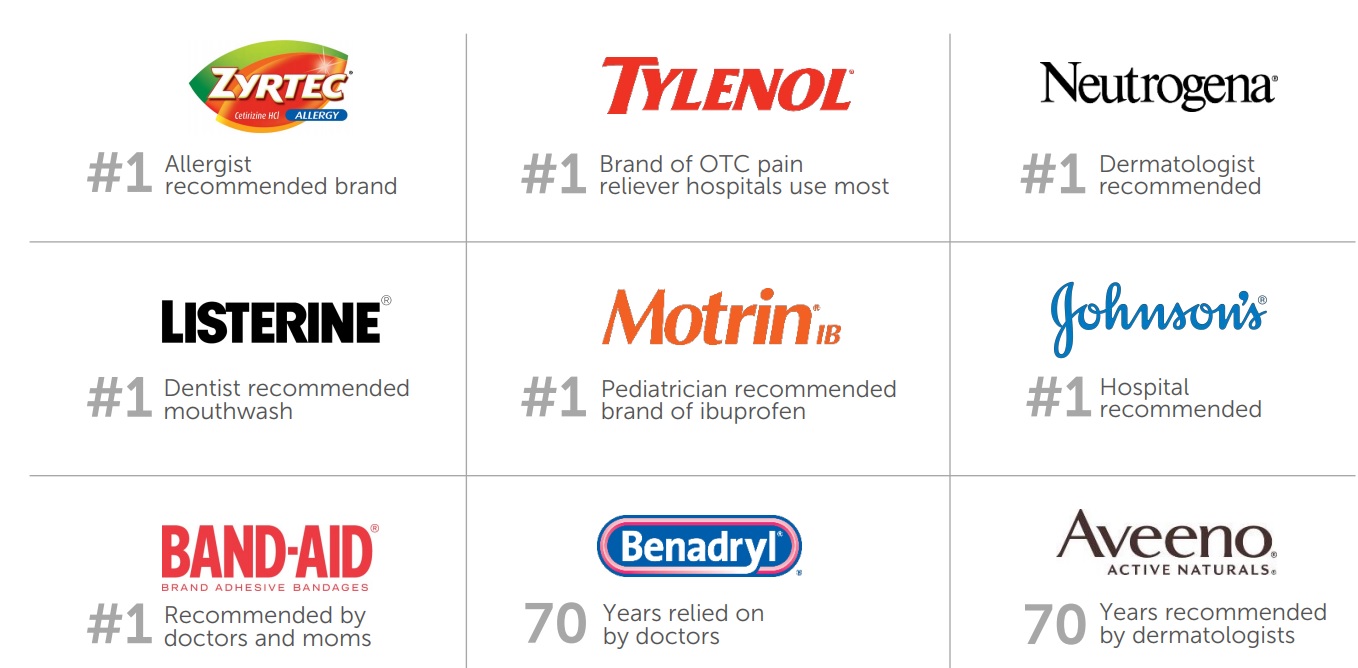
- Skin Care: Neutrogena, Aveeno, Clean & Clear, Le Petit Marseillais
- Baby Care: Johnson’s Baby
- Wound Care: BAND-AID Brand Adhesive Bandages, Neosporin
- Allergy & Cold: Zyrtec, Sudafed, Benadryl
- Women’s Health: Stayfree, Carefree
These brands, built on decades of trust and consistent quality, established J&J as a reliable partner in everyday health. Their marketing strategies often emphasized safety, efficacy, and family well-being, reinforcing a corporate identity deeply rooted in care. The decision to spin off Kenvue reflects a strategic shift by J&J to focus on higher-growth, research-intensive segments, but the consumer legacy remains a powerful component of its overall brand narrative.
Pharmaceutical: Pioneering Medical Breakthroughs
The pharmaceutical arm of Johnson & Johnson, known as Janssen Pharmaceutical Companies, is a powerhouse of medical research and drug development. This segment is dedicated to discovering, developing, and commercializing innovative medicines for some of the world’s most challenging diseases. Their portfolio spans several critical therapeutic areas, representing billions in revenue and countless lives improved. Key areas of focus include:
- Immunology: Treatments for autoimmune diseases like psoriasis, psoriatic arthritis, Crohn’s disease, and ulcerative colitis (e.g., Stelara, Tremfya).
- Infectious Diseases: Including HIV, tuberculosis, and hepatitis, with ongoing efforts in vaccine development (e.g., HIV treatments, the COVID-19 vaccine).
- Neuroscience: Medications for mental health conditions such as schizophrenia, major depressive disorder, and multiple sclerosis.
- Oncology: A robust pipeline and portfolio of cancer treatments targeting various types, including prostate cancer, multiple myeloma, and lung cancer (e.g., Darzalex, Imbruvica, Erleada).
- Cardiovascular & Metabolism: Solutions for heart failure, pulmonary hypertension, and diabetes.
- Pulmonary Hypertension: Specialized treatments for a rare but severe lung condition.
The brand strategy for Janssen emphasizes scientific rigor, clinical excellence, and a deep commitment to addressing unmet medical needs. It’s a brand built on trust within the medical community, with a focus on data, efficacy, and patient outcomes, differentiating it significantly from the consumer-facing brands.
MedTech: Advancing Surgical and Interventional Care
Johnson & Johnson’s MedTech (Medical Devices) segment is at the forefront of surgical innovation, providing tools, technologies, and solutions that transform patient care. This segment is crucial for hospitals, surgeons, and healthcare professionals worldwide, enabling more precise, less invasive, and more effective treatments. The products here range from complex surgical instruments to vision care solutions. Key offerings include:

- Orthopaedics: Implants, instruments, and digital solutions for joint reconstruction, trauma, spine, and sports medicine (e.g., DePuy Synthes).
- Surgery: Advanced surgical instruments, energy devices, stapling products, wound closure, and digital surgery solutions, including robotic-assisted surgery platforms (e.g., Ethicon, Biosense Webster, Mentor).
- Vision Care: Contact lenses (Acuvue), surgical products for cataracts and refractive error, and other eye health solutions (e.g., Johnson & Johnson Vision).
- Interventional Solutions: Devices for treating cardiovascular diseases, peripheral artery disease, and neurovascular conditions.
The MedTech brand strategy focuses on innovation, clinical outcomes, and partnerships with healthcare providers. It positions J&J as a leader in advancing the science of surgery and intervention, constantly striving to improve patient recovery and quality of life through technological advancements.
Brand Architecture and Portfolio Management
Managing a brand as vast and varied as Johnson & Johnson requires a sophisticated brand architecture. For decades, J&J operated under a “house of brands” strategy, where individual product brands (like Tylenol or Neutrogena) held strong identities, often with a subtle endorsement from the overarching “Johnson & Johnson” name. This allowed for targeted marketing and brand building within specific niches.
Sub-Brands and Endorsements: Managing a Vast Portfolio
The company’s ability to successfully manage hundreds of brands, some achieving multi-billion-dollar status, speaks to a strong portfolio management strategy. Each product line has its own brand managers, marketing teams, and R&D pipelines, yet all historically operated under the umbrella of the J&J credo and corporate values. The “J&J” logo often served as an assurance of quality and trust, even if not prominently displayed on every consumer product. In the pharmaceutical and MedTech sectors, the J&J endorsement is more overt, lending credibility derived from the company’s extensive research and development capabilities and ethical standing.
Strategic Divestitures and Acquisitions: Shaping the Future
J&J’s brand strategy is not static; it constantly evolves through strategic mergers, acquisitions, and divestitures. The spin-off of Kenvue is a prime example of this dynamic approach. By separating the slower-growth, but stable, consumer health business, J&J aims to sharpen its focus and allocate resources more effectively to the high-growth, innovation-driven Pharmaceutical and MedTech segments. This strategic maneuver is intended to unlock value for shareholders and allow the core J&J brand to be more singularly defined by its role as a leader in advanced medical solutions. This agility in portfolio management is a hallmark of a robust and forward-looking brand.
The Core Identity Beyond the Products
While “what Johnson & Johnson makes” often refers to its tangible products, the company’s true essence and brand power extend far beyond its portfolio. Its corporate identity is deeply embedded in its values, ethics, and global impact.
Trust, Ethics, and the Credo: Guiding Principles
At the heart of Johnson & Johnson’s brand identity is its credo, a set of ethical principles written in 1943. This credo outlines the company’s responsibilities, first to patients, doctors, and nurses, then to its employees, the communities in which it operates, and finally to its shareholders. This unique, stakeholder-first approach has guided J&J through various challenges and crises, helping to build and maintain an immense reservoir of public trust. The credo is not merely a statement; it’s a living document that informs strategic decisions, product development, and corporate behavior, serving as a powerful differentiator in a competitive industry.
Impact on Global Health and Corporate Responsibility
Beyond commercial success, J&J’s brand is also defined by its extensive global health initiatives and corporate social responsibility efforts. This includes access to medicines in developing countries, humanitarian aid, environmental sustainability programs, and a commitment to diversity, equity, and inclusion. These initiatives reinforce the company’s image as a responsible global citizen dedicated to improving human health on a broader scale, further solidifying its brand reputation.
What Johnson & Johnson Really Makes: A Future-Oriented Brand
Ultimately, Johnson & Johnson makes solutions. It makes health. It makes innovation. It makes trust. From the most basic first-aid necessities to the most complex surgical procedures and life-saving drugs, J&J’s mission has consistently been to address global health challenges. The strategic decision to streamline its focus on Pharmaceutical and MedTech signifies a brand that is continuously adapting, refining its purpose, and investing in the areas where it believes it can make the most profound difference in the future of healthcare.
Adapting to Market Dynamics and Healthcare Evolution
The evolution of Johnson & Johnson’s portfolio is a testament to its ability to adapt to changing market dynamics, scientific advancements, and global health needs. By concentrating on specialized medical treatments and innovative technologies, the “new” Johnson & Johnson is positioning its brand for continued leadership in highly scientific, research-intensive fields. It is a brand that doesn’t just make products; it shapes the future of medicine and patient care, driven by a legacy of innovation and an unwavering commitment to its foundational credo.
aViewFromTheCave is a participant in the Amazon Services LLC Associates Program, an affiliate advertising program designed to provide a means for sites to earn advertising fees by advertising and linking to Amazon.com. Amazon, the Amazon logo, AmazonSupply, and the AmazonSupply logo are trademarks of Amazon.com, Inc. or its affiliates. As an Amazon Associate we earn affiliate commissions from qualifying purchases.