
The gentle rasp of a cat’s tongue against your skin, often accompanied by a soft purr, is a universally recognized sign of affection. While most cat owners intuitively understand this behavior as a positive interaction, the underlying motivations and evolutionary significance can be surprisingly complex. When a cat grooms you, it’s not simply a random act of hygiene; it’s a nuanced form of communication steeped in their natural instincts and social structures. Understanding these signals can deepen your bond with your feline companion and offer fascinating insights into their world.
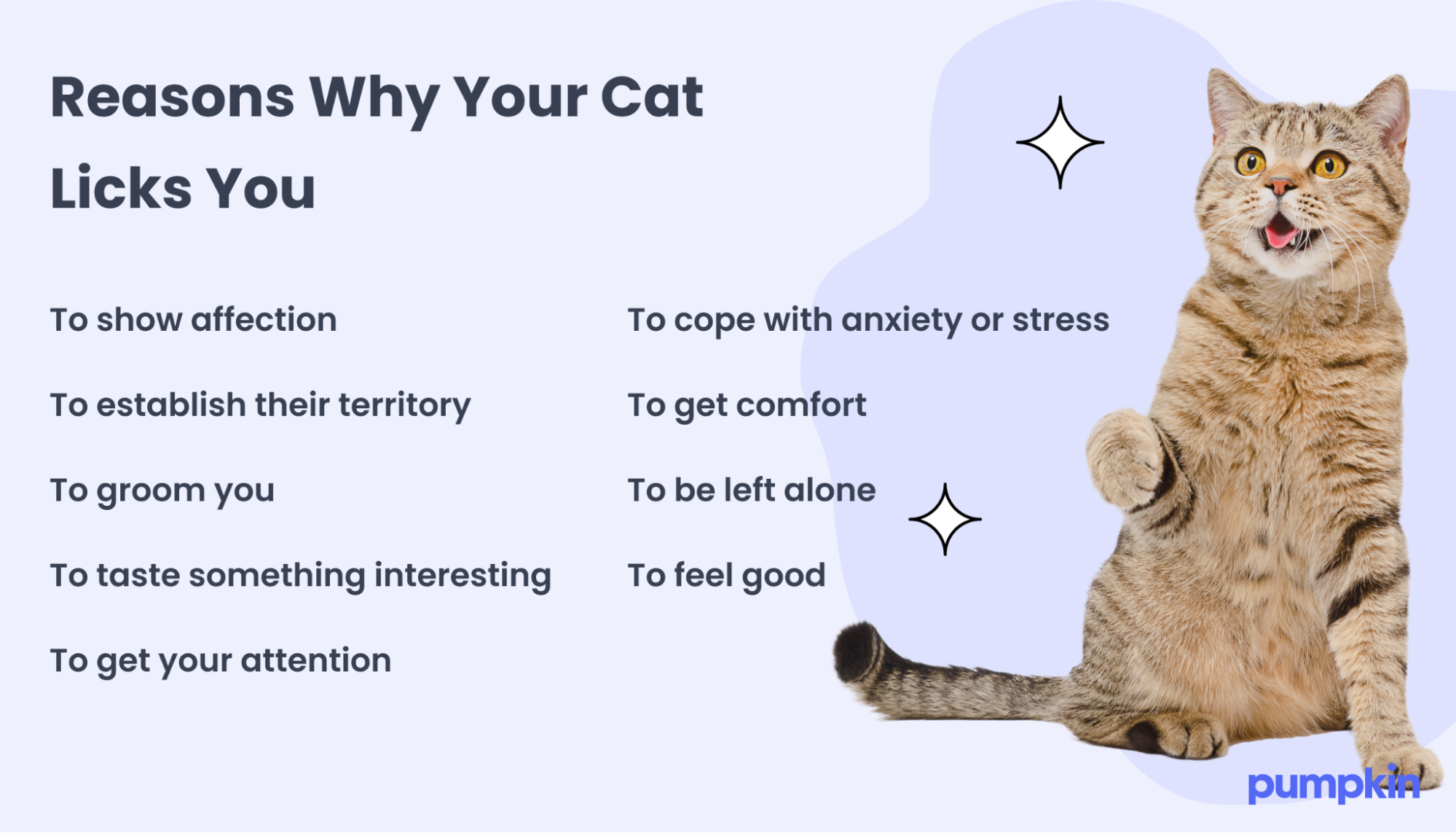
This behavior, known as allogrooming (grooming another individual), is a cornerstone of feline social dynamics. Within cat colonies, both wild and domestic, allogrooming plays a crucial role in maintaining social bonds, reducing tension, and reinforcing group cohesion. When your cat extends this behavior to you, they are effectively incorporating you into their social circle, treating you as an integral member of their “family” or “colony.” It’s a testament to the trust and comfort they feel in your presence.
The act of grooming itself is more than just cleaning. It’s a deeply ingrained behavioral pattern for cats, essential for maintaining their physical health and for navigating their social landscape. For a domestic cat, your skin becomes a canvas for their social grooming. This seemingly simple act is, in fact, a multi-layered communication, reflecting their innate drives and their learned associations with you.
The Social Significance of Allogrooming
At its core, allogrooming is a social lubricant. In wild cat populations, grooming each other reinforces social bonds, allowing individuals to recognize each other by scent and to reduce friction within the group. This mutual grooming helps to maintain a collective identity and signals that all members are part of the same social unit. When your cat grooms you, they are extending this social grooming ritual to you, acknowledging your place within their established social hierarchy and their perceived “family” unit.
Building Trust and Reinforcing Bonds
The act of mutual grooming is a slow, deliberate process that requires a degree of vulnerability. For a cat to allow another individual, or in this case, a human, to be close enough for grooming, implies a significant level of trust. This trust is built over time through consistent positive interactions, providing a safe environment, and meeting their needs. When your cat grooms you, they are actively participating in strengthening the bond between you. It’s a reciprocal act that fosters a sense of security and belonging for both parties. They are essentially saying, “You are safe, and I care about you.”
Marking Territory and Scent Exchange
Cats have a sophisticated olfactory system, and scent plays a vital role in their understanding of the world. When your cat grooms you, they are not only cleaning but also exchanging scents. By licking you, they are depositing their scent onto your skin. This can be seen as a way for them to mark you as part of their territory or, more accurately, as part of their social group. It’s a subtle way of claiming you and reinforcing their sense of ownership and belonging. Simultaneously, they are taking in your scent, further integrating you into their olfactory map of their environment. This scent exchange is crucial for their social recognition and for understanding who belongs to their group.
The Underlying Motivations Behind Cat Grooming
While the social aspect is paramount, there are other intrinsic motivations that drive a cat to groom you. These can range from instinctual behaviors inherited from their ancestors to learned responses based on their experiences with you. Understanding these motivations provides a richer appreciation for this common feline behavior.
Instinctual Hygiene and Comfort
Grooming is a fundamental instinct for cats. They are meticulous groomers of themselves, spending a significant portion of their day maintaining their coats. This self-grooming is not just about cleanliness; it also stimulates blood circulation, distributes natural oils for a healthy coat, and helps them to regulate their body temperature. When they extend this instinctual behavior to you, it can be an expression of care and a desire to keep you “clean” in their own feline way. It’s a projection of their own innate need for cleanliness and order onto their trusted human companion.
Calming and Stress Reduction
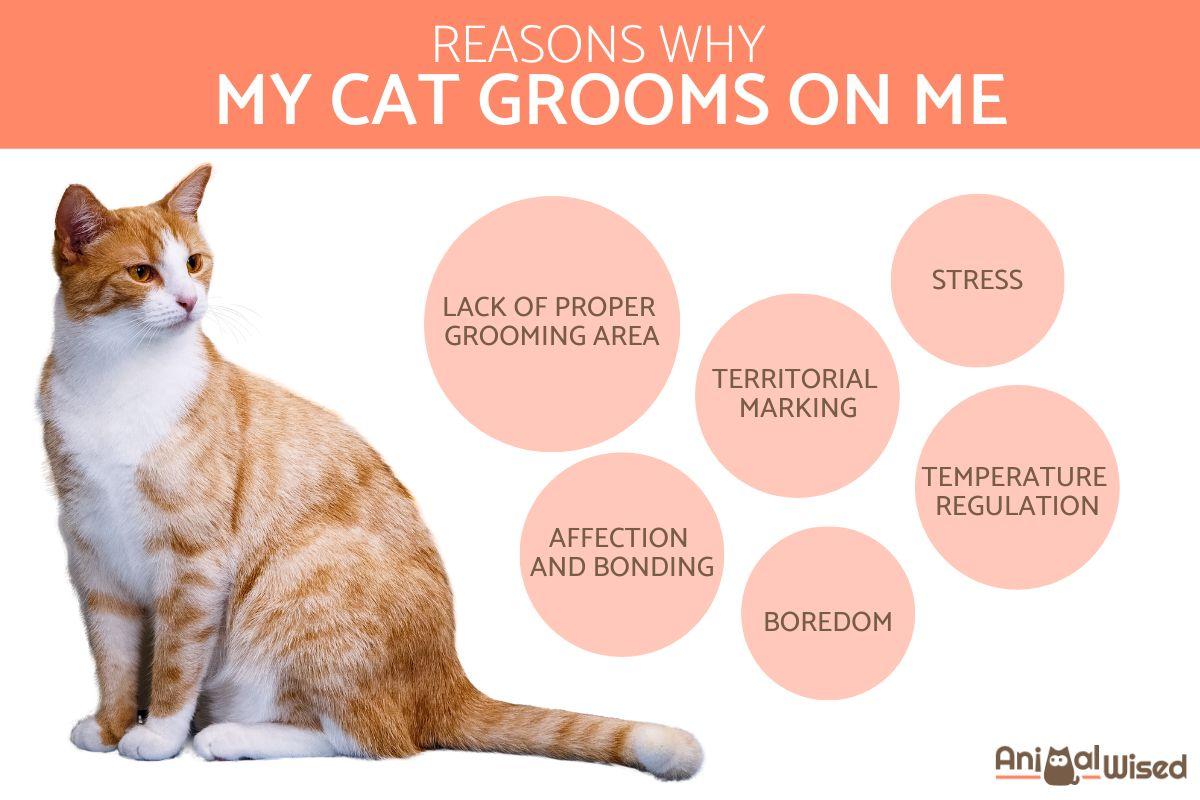
Grooming is a self-soothing behavior for cats. The repetitive motion and the physical sensation can help them to relax and reduce stress. This is why you might see a cat grooming themselves excessively after a stressful event. When they groom you, it can also be a way for them to calm themselves in your presence, especially if they feel particularly comfortable and secure. It’s a way for them to engage in a familiar, comforting activity, and by doing so in your presence, they are sharing that sense of peace with you. It can also be a way for them to de-escalate a situation if they are feeling slightly anxious or overstimulated.
Soliciting Attention and Affection
Sometimes, a cat might groom you as a subtle way of seeking your attention. While they might also rub against your legs or meow, grooming can be a quieter, more intimate way to solicit interaction. They might start grooming you and then look at you expectantly, waiting for you to respond with pets or playtime. This is a learned behavior; if grooming you has previously resulted in positive attention from you, they will likely repeat it to achieve the same outcome. It’s their way of initiating contact and reinforcing the positive feedback loop of your interaction.
Interpreting the Nuances of Grooming Behavior
While the general meaning of being groomed by a cat is positive, there are subtle variations in the behavior that can offer even deeper insights into your cat’s current mood and intentions. Paying attention to the context and the specific way they groom can help you understand their communication more precisely.
The Intensity and Duration of Grooming
The length and intensity of the grooming can be telling. A quick, gentle lick might be a simple acknowledgment or a brief expression of affection. However, prolonged, dedicated grooming, where your cat seems intensely focused on a particular spot, can indicate a deeper level of care and trust. Conversely, if the grooming becomes a bit too vigorous or starts to feel like nipping, it might be a sign that they are overstimulated or that their playful instincts are taking over. It’s important to gauge their reaction and respond appropriately to ensure the interaction remains positive for both of you.
The Location of the Grooming
Where your cat chooses to groom you can also be significant. Grooming your hands and arms is common, as these are the parts of you they interact with most frequently. However, if they groom your hair, your face, or even your ears, it can be seen as a more intimate gesture. These areas are often considered vulnerable, and for them to groom you there signifies a high degree of comfort and trust. They are essentially extending their grooming instincts to the areas they consider most important for social bonding within their own species.
When Grooming Becomes Problematic
While overwhelmingly positive, there are rare instances where a cat’s grooming behavior might become a cause for concern. These situations often indicate an underlying issue that needs to be addressed, either behavioral or medical.
Excessive or Compulsive Grooming
If your cat begins to groom themselves excessively to the point of causing skin irritation or hair loss, it’s a sign of a potential problem. This can be due to stress, anxiety, boredom, or underlying medical conditions like allergies or parasites. If they are also grooming you excessively or obsessively, it could be a sign that they are transferring their anxieties or compulsions onto you. In such cases, it’s crucial to consult with a veterinarian or a feline behaviorist to identify the root cause and implement appropriate solutions.

Aggression During Grooming
While rare, it’s possible for a cat to become aggressive during grooming. This can manifest as biting, scratching, or hissing. This behavior is often a signal that the cat is feeling overwhelmed, overstimulated, or in pain. They might be experiencing “petting-induced aggression,” where prolonged petting, even if initially enjoyed, can lead to overstimulation and a defensive reaction. If your cat exhibits aggression during grooming, it’s important to stop the interaction immediately and reassess the situation. Understanding their body language is key to preventing these incidents and ensuring a safe and positive relationship.
In conclusion, when a cat grooms you, it’s a profound expression of their social instincts, their trust, and their affection. It’s a behavior rooted in their evolutionary history, designed to foster bonds, reduce tension, and maintain group cohesion. By understanding the social significance, the underlying motivations, and the subtle nuances of their grooming, you can foster a deeper, more meaningful connection with your feline companion, appreciating the complex and beautiful ways they communicate their love and belonging.
aViewFromTheCave is a participant in the Amazon Services LLC Associates Program, an affiliate advertising program designed to provide a means for sites to earn advertising fees by advertising and linking to Amazon.com. Amazon, the Amazon logo, AmazonSupply, and the AmazonSupply logo are trademarks of Amazon.com, Inc. or its affiliates. As an Amazon Associate we earn affiliate commissions from qualifying purchases.