
In the digital age, numbers are everywhere. From tracking stock prices and managing personal finances to analyzing software performance and understanding technological advancements, precision is often key. However, not all numbers are created equal, and sometimes, we need to simplify them for easier comprehension and practical application. This is where the concept of “rounding” comes into play, and specifically, “rounding to two decimal places” is a common and crucial skill across various domains, especially those touched by technology, branding, and finance.
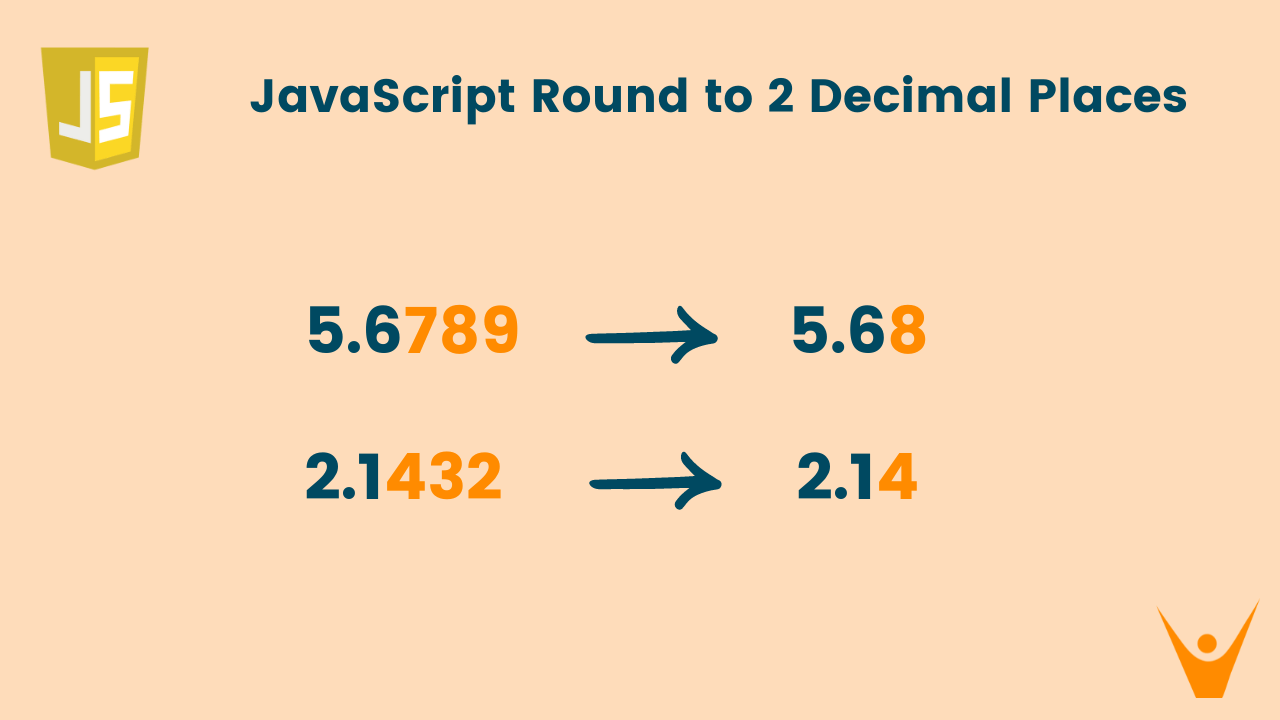
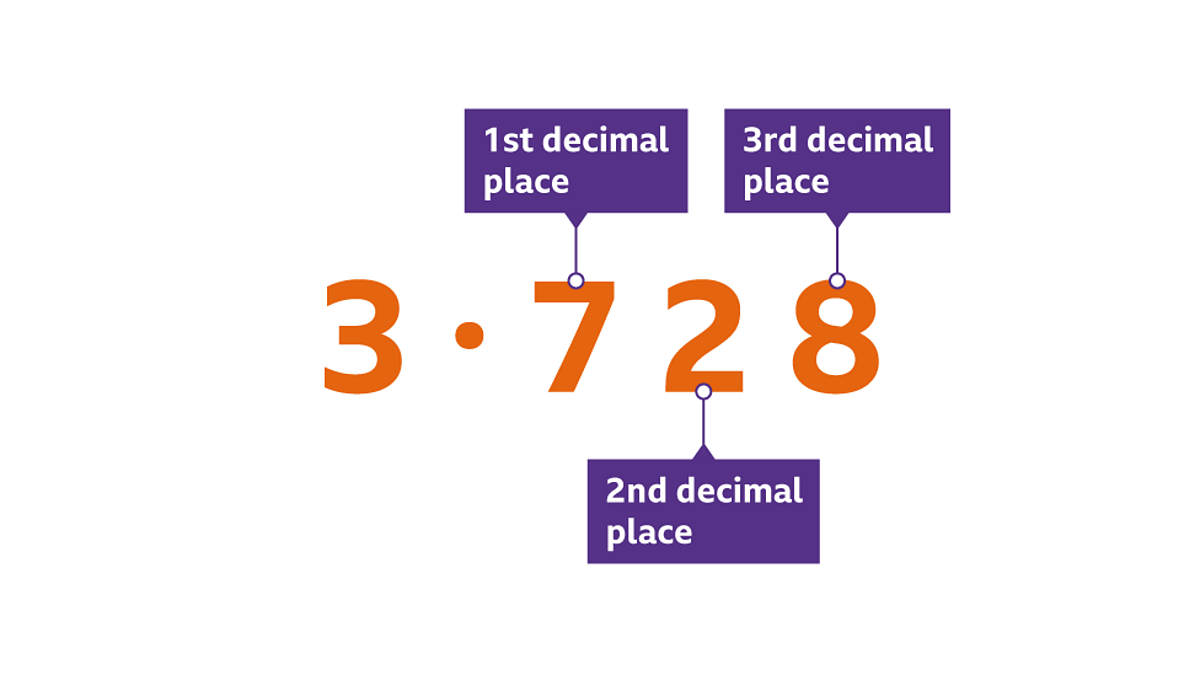
At its core, rounding to two decimal places means expressing a number with only two digits after the decimal point. This process involves either increasing or decreasing the last retained digit based on the value of the digit that follows it. While seemingly simple, understanding the nuances of this technique unlocks a deeper appreciation for how data is managed, presented, and utilized in our increasingly data-driven world.
The Fundamental Logic of Rounding
Before diving into the specific context of two decimal places, let’s establish the bedrock of rounding. The primary goal of rounding is approximation. We take a more complex number and represent it with a simpler, more manageable one, while minimizing the loss of significant information. This is particularly important when dealing with:
- Calculations: Intermediate results in complex calculations might carry many decimal places. Rounding them at each step can introduce cumulative errors. However, rounding the final result to a desired precision is often necessary for presentation.
- Data Presentation: Large datasets with numerous decimal places can be overwhelming. Rounding simplifies charts, graphs, and reports, making them more accessible to a wider audience.
- Measurements and Quantities: In many practical scenarios, extreme precision is not required. Rounding to a sensible number of decimal places reflects the inherent limitations of measurement tools or the practical needs of the situation.
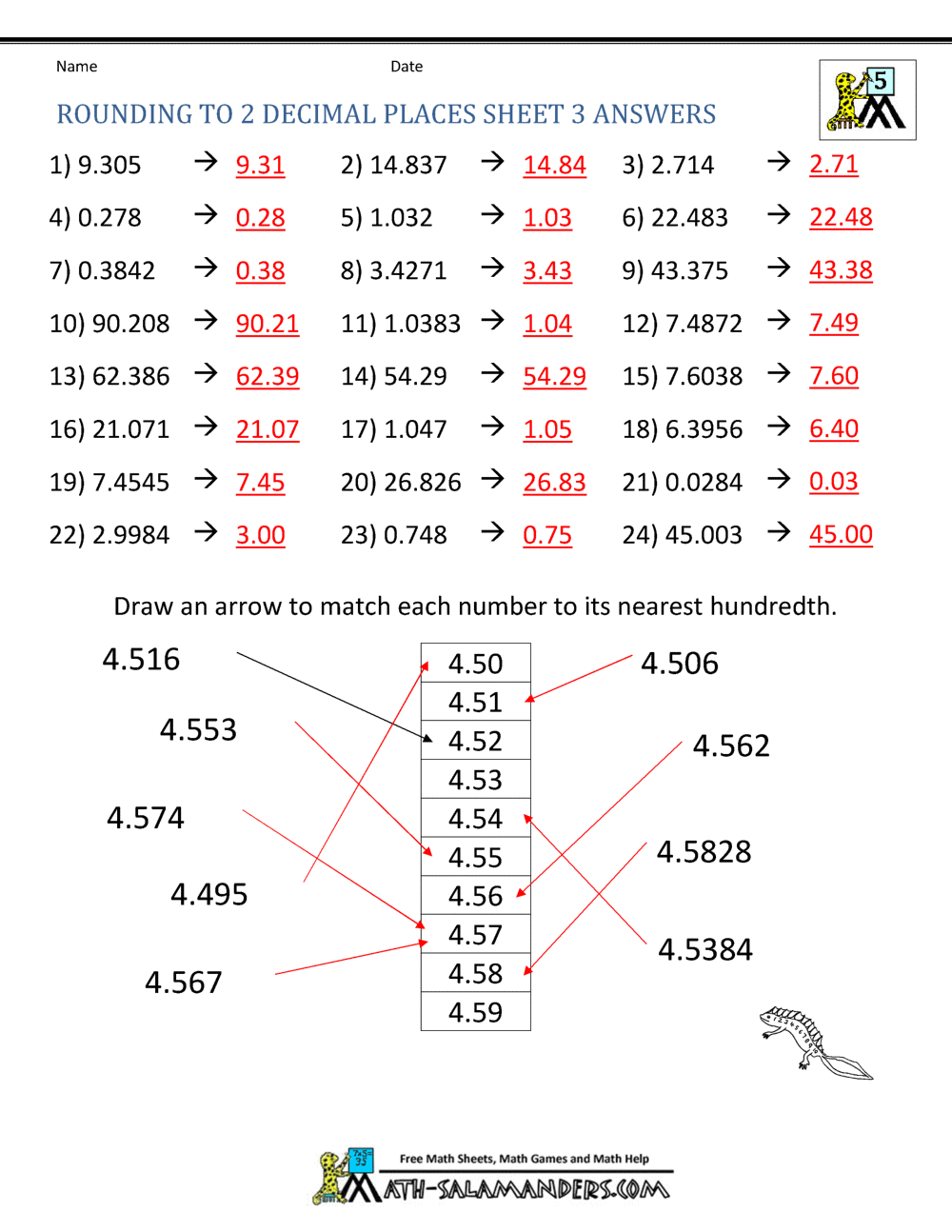
The “rule” of rounding is straightforward: we look at the digit immediately to the right of the last digit we want to keep.
- If this digit is 5 or greater, we round the last retained digit up by one.
- If this digit is less than 5, we keep the last retained digit as it is (effectively rounding down).
For example, if we want to round 3.14159 to two decimal places:
The last digit we want to keep is ‘4’. The digit immediately to its right is ‘1’. Since ‘1’ is less than 5, we keep ‘4’ as it is. The rounded number is 3.14.
If we want to round 3.14782 to two decimal places:
The last digit we want to keep is ‘4’. The digit immediately to its right is ‘7’. Since ‘7’ is 5 or greater, we round ‘4’ up to ‘5’. The rounded number is 3.15.
Special Case: The “Round Half Up” Convention
While the rule above is the most commonly taught and used, it’s worth noting that there are different rounding conventions. The most prevalent is “round half up,” which is what we’ve described. Another common one, particularly in some scientific and financial contexts, is “round half to even” (also known as banker’s rounding). In this method, if the digit to be rounded is exactly 5, it is rounded to the nearest even digit. For example, 2.5 would round to 2, and 3.5 would round to 4. However, for the vast majority of everyday applications and what’s typically implied by “rounding to two decimal places” without further specification, the “round half up” rule prevails.
Rounding to Two Decimal Places in Technology
Technology is a field where numbers are paramount. From the tiniest components in a microchip to the vast datasets analyzed by AI, precision matters. Rounding to two decimal places plays a significant role in various technological applications:
Performance Metrics and Benchmarking
When evaluating the performance of software, hardware, or algorithms, metrics are often expressed with decimal points. For instance, a processor’s speed might be measured in Gigahertz (GHz), and a graphics card’s performance might be reported in Frames Per Second (FPS). Often, these raw figures can have many decimal places.
- Example: A benchmark test might report an average FPS of 59.7834. For most practical comparisons and user understanding, this would be rounded to 59.78 FPS. This simplification makes it easier to compare different graphics cards or to convey the expected gaming experience.
- AI and Machine Learning: In machine learning, accuracy scores, precision, recall, and F1-scores are frequently calculated. These metrics are often expressed as percentages or fractions with many decimal places. Rounding these to two decimal places allows for clear comparison of model performance. For example, an accuracy score of 0.9276 would be presented as 0.93 or 92.76%. This makes it easier to track improvements in model training or to select the best-performing model.
- Network Speeds: Internet speeds are commonly advertised and measured in Mbps (Megabits per second). While actual speeds can fluctuate and have many decimal places, they are often presented rounded to make them more digestible. For example, a download speed of 98.765 Mbps might be simplified to 98.77 Mbps.
Software Development and Error Handling
In software development, rounding is essential for displaying numerical data to users and for internal calculations.
- User Interface (UI) Design: When displaying prices, measurements, or any numerical data, presenting excessive decimal places can clutter the interface and confuse users. Rounding to two decimal places is standard for monetary values and many other units of measurement, ensuring a clean and professional look.
- Data Storage and Precision: While computers can handle a high degree of precision, sometimes, for efficiency or to conform to specific data formats, numbers are rounded. For example, when storing financial data, rounding to two decimal places is often mandated by accounting standards.
- Calculations involving Floating-Point Numbers: Computers represent decimal numbers using floating-point arithmetic, which can sometimes lead to tiny inaccuracies. While these are usually negligible, in critical calculations, developers might explicitly round intermediate or final results to a specific number of decimal places to maintain consistency and avoid unexpected behavior.
Gadgets and Everyday Technology
Even the most common gadgets rely on rounding principles.
- Displaying Battery Life: While a phone’s battery percentage might seem precise, the underlying calculations of remaining charge often involve complex algorithms. The displayed percentage is usually an integer, but the internal calculations might be rounded to a few decimal places.
- GPS and Location Services: GPS devices and apps often calculate distances and coordinates. While the raw data can be highly precise, for user display, these figures are typically rounded. A distance to a destination might be shown as 5.25 miles, even if the exact calculation is 5.2537 miles.
Rounding to Two Decimal Places in Branding and Marketing
Branding and marketing are all about perception and communication. Numbers, when presented effectively, can significantly influence how a brand is perceived and how its message is received. Rounding to two decimal places is a subtle but important tool in this domain.
Communicating Value and Pricing
For businesses, how they present their prices can impact consumer perception.
- Product Pricing: When setting prices, businesses often consider psychological pricing strategies. While some prices might end in .99, others might be set with a specific number of decimal places to convey a sense of precision or quality. For instance, a luxury item might be priced at $150.50, subtly suggesting a higher level of care and detail than a round $150.
- Discounts and Promotions: When offering discounts, the final price needs to be clear. Rounding to two decimal places ensures that customers understand the exact amount they are saving and the final cost. For example, a 20% discount on a $75.55 item would result in a saving of $15.11 and a final price of $60.44. Presenting this clearly is crucial for transparency.
- Subscription Services and Recurring Payments: Businesses that offer subscription services often deal with recurring payments. These are almost always presented and processed to two decimal places to ensure consistency and accuracy in billing.
Brand Storytelling and Case Studies
Numbers can be powerful storytelling tools. When presenting the success of a brand or a product, data is often used to quantify achievements.
- Key Performance Indicators (KPIs): In case studies and reports, brands showcase their successes using KPIs. Rounding these figures to two decimal places can make them more impactful and easier to grasp. For example, reporting a growth in market share of 4.75% is more compelling and precise-looking than 4.758%.
- Customer Satisfaction Scores: When a brand highlights customer satisfaction, metrics like Net Promoter Score (NPS) or customer satisfaction surveys are used. While the raw scores might have many decimal places, presenting them rounded to two decimal places (e.g., 85.50%) provides a clean and memorable figure.
- Investment and ROI: For B2B brands or those seeking investment, demonstrating Return on Investment (ROI) is critical. An ROI of 25.37% is more impactful and conveys a sense of careful calculation than a less precise number.
Reputation Management and Transparency
In today’s transparent world, brands are expected to be upfront with their data.
- Financial Reporting (for publicly traded companies): While financial statements are highly detailed, summaries and key figures presented to the public are often rounded for ease of understanding. Earnings per share (EPS), for example, is typically reported with a specific number of decimal places to allow for comparison.
- Sustainability and Ethical Practices: Brands increasingly report on their environmental and social impact. Metrics like carbon footprint reduction or waste diversion rates are often presented with decimal places, and rounding to two ensures a clean presentation of these important figures.
Rounding to Two Decimal Places in Finance
The world of finance is inherently numerical. Precision and accuracy are paramount, and rounding to two decimal places is not just a convention; it’s often a necessity dictated by the very nature of money.
Personal Finance Management
For individuals, managing money effectively often involves dealing with currencies that have a fixed subdivision, typically cents.
- Budgeting: When creating a budget, tracking expenses and income down to the cent is crucial. If your income is $3567.89 and your expenses are $3567.60, the remaining balance is $0.29. This level of detail is essential for effective personal finance.
- Savings and Investments: Even small differences in interest rates or investment returns can compound over time. When calculating interest, dividends, or capital gains, accuracy to two decimal places is standard. A savings account might offer 0.05% interest, which, when applied to your balance, will result in earnings calculated to the cent.
- Loan Repayments: Mortgages, car loans, and personal loans all involve precise calculations of principal and interest. The monthly payments are calculated to ensure that the loan is repaid with the correct amount of interest over the agreed term, and these calculations are performed to two decimal places.
Online Income and Side Hustles
With the rise of the gig economy and online businesses, many individuals are earning money through various digital avenues.
- Freelancing and E-commerce: When pricing services or products online, businesses and freelancers typically set prices in the local currency’s smallest denomination (e.g., cents in USD, pence in GBP). An invoice for a freelance project might list services totaling $125.75.
- Online Payment Processors: Platforms like PayPal, Stripe, and Square all handle transactions and display balances to two decimal places. When you receive a payment, it will be credited to your account with the precise amount, including cents.
- Affiliate Marketing and Royalties: Earnings from affiliate marketing or royalties are often calculated based on sales or clicks, with the final payout rounded to two decimal places according to the terms of the agreement.
Business Finance and Accounting
For businesses, financial accuracy is vital for survival and growth.
- Invoicing and Billing: All business invoices must be accurate to the smallest currency unit. A company selling goods or services will issue invoices detailing each item and its price, all rounded to two decimal places.
- Accounting Software: Accounting software is designed to handle financial transactions with precision. Every ledger entry, balance sheet, and income statement will reflect figures rounded to two decimal places. This ensures compliance with accounting standards and facilitates accurate financial analysis.
- Stock Market and Trading: While stock prices can be quoted with more decimal places, the actual transactions are executed at a specific price. For reporting and analysis, stock prices and trading volumes are often presented in a way that is easily understandable, and the final realized profit or loss on a trade will be calculated to two decimal places.
- Currency Exchange Rates: When businesses operate internationally, they deal with currency exchange rates. These rates are crucial for calculating the cost of goods, sales revenue, and profits in different currencies. While the displayed exchange rates might have more decimal places, the actual conversion of funds will be precise.
In conclusion, rounding to two decimal places is more than just a mathematical operation; it’s a fundamental practice that underpins precision, clarity, and practicality across technology, branding, and finance. Whether we are analyzing the performance of a cutting-edge AI, crafting a compelling brand message, or managing our personal budget, understanding and applying this simple yet powerful concept ensures that the numbers we work with are both accurate and easily comprehensible. It’s a testament to how even seemingly small details can have a significant impact on how we understand and interact with the world around us.
aViewFromTheCave is a participant in the Amazon Services LLC Associates Program, an affiliate advertising program designed to provide a means for sites to earn advertising fees by advertising and linking to Amazon.com. Amazon, the Amazon logo, AmazonSupply, and the AmazonSupply logo are trademarks of Amazon.com, Inc. or its affiliates. As an Amazon Associate we earn affiliate commissions from qualifying purchases.