
Securing a position in today’s competitive professional landscape often feels like navigating a labyrinth. You craft the perfect resume, tailor your cover letter to specific requirements, and click “submit” on dozens of applications, only to be met with silence. When an email finally lands in your inbox indicating that you have been “shortlisted,” it marks a critical pivot point in your professional narrative. It is the moment the abstract possibility of employment transforms into a tangible, strategic opportunity.
In the realm of personal branding and corporate recruitment, being shortlisted is not merely a bureaucratic milestone; it is a validation of your professional identity. It signals that your personal brand—as expressed through your credentials, experience, and value proposition—has successfully resonated with the gatekeepers of a specific organizational culture.

Defining the Shortlist: Beyond the Applicant Tracking System
The shortlist represents the transition from the “quantity” phase of recruitment to the “quality” phase. To understand what this means for your career trajectory, one must first understand how companies filter talent.
The Mechanism of Selection
Most modern recruitment processes begin with Applicant Tracking Systems (ATS). These algorithms scan for keywords, tenure, and specific technical proficiencies. When you are shortlisted, you have effectively cleared the technical hurdle. You are no longer a digital footprint or a collection of bullet points; you have been identified as a human candidate whose professional story aligns with the company’s current strategic needs.
The Signal of Competitive Standing
Being shortlisted confirms that you are in the top tier of the applicant pool. Typically, recruiters might review hundreds of applications for a single role, narrowing them down to a shortlist of five to fifteen candidates. By landing on this list, you have outperformed the vast majority of applicants. This is a crucial moment for your personal brand: it confirms that your messaging, tone, and positioning are effective. It serves as an objective benchmark that your market value is recognized by high-level decision-makers.
The Strategic Significance for Your Personal Brand
Once you reach the shortlist, your focus must shift from “getting noticed” to “getting selected.” This is where your personal branding efforts pay off, as the interview process is essentially a test of whether your brand promise matches the reality of your professional demeanor.
Aligning Your Narrative with Corporate Identity
Companies do not hire roles; they hire solutions to problems. When a hiring manager looks at a shortlist, they are looking for the person who best integrates with their existing corporate identity. If your personal brand is built on innovation and disruption, but you are shortlisted for a firm that values tradition and stability, you must pivot your communication style to show how your strengths can support their existing culture. The shortlist is the stage where you prove that you aren’t just a skilled professional, but the right professional for their unique ecosystem.
Strengthening Your Perceived Value
The fact that you were shortlisted creates a psychological effect known as social proof. The recruiters have already validated your candidacy. Use this to your advantage. Walk into the next stage of the process with the confidence that you belong there. Your personal brand should project a high level of professional agency. When you know you are a top-tier candidate, your body language, your questions, and your negotiation stance naturally shift, reinforcing the impression that you are an elite professional.
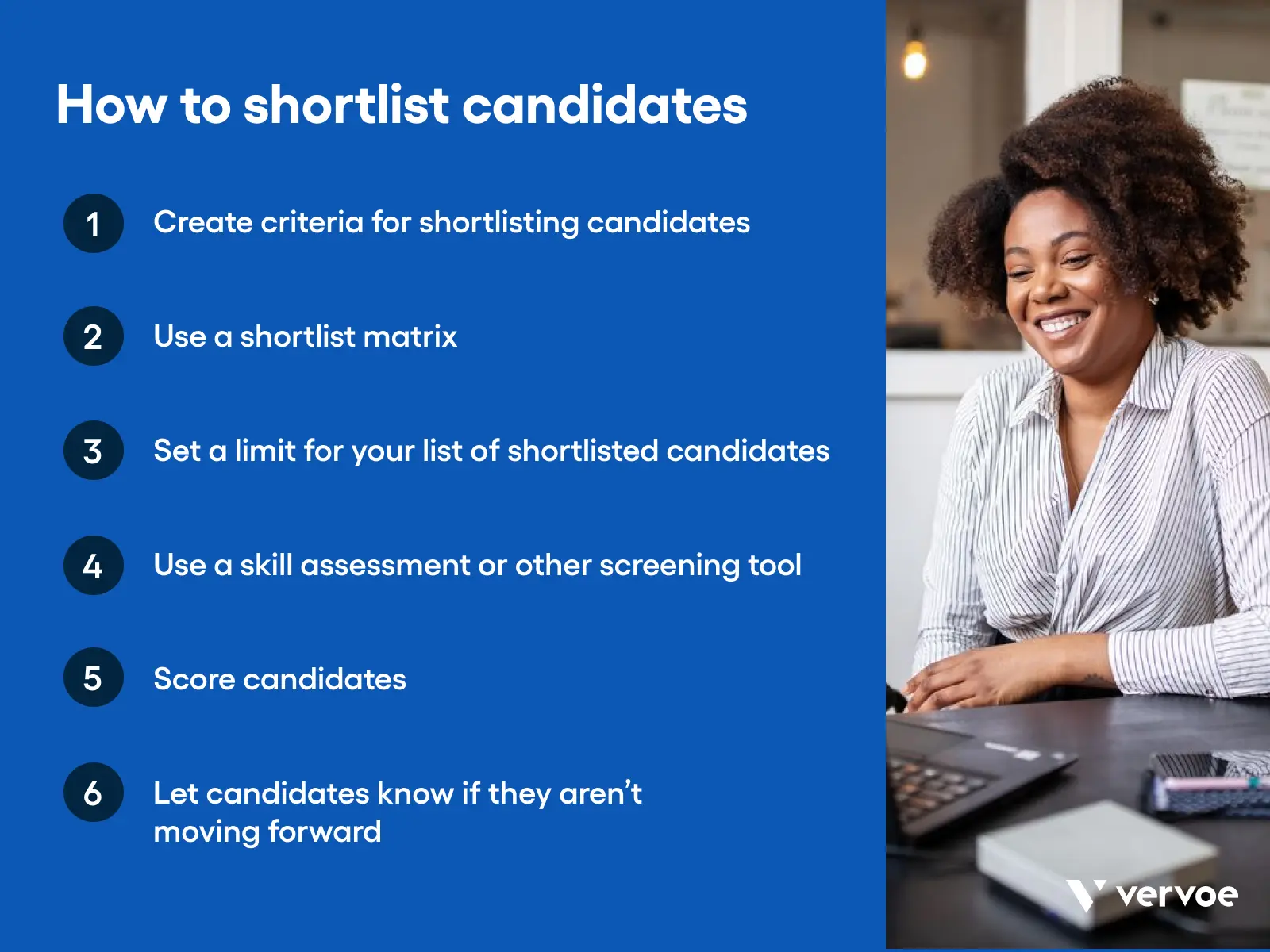
Navigating the Post-Shortlist Phase
Being shortlisted is not a job offer, and the journey from the list to the signature requires a different set of strategies. This phase is about deepening the connection between your personal expertise and the company’s specific business challenges.
Deep-Dive Due Diligence
At this stage, you should move beyond general research. Investigate the specific challenges of the department you are applying to. If you are shortlisted, you are likely competing against peers with similar qualifications. The difference-maker is often the degree to which you can articulate a vision for the role. How will you solve their pain points within the first ninety days? Your ability to articulate this strategy is the ultimate test of your professional competence and brand maturity.
The Art of Professional Consistency
Throughout the screening and interview process, ensure your personal branding remains consistent. If your LinkedIn profile highlights leadership and strategic foresight, your interview responses should mirror that depth. A disconnect between your curated brand and your interview performance is the fastest way to drop off the shortlist. Every touchpoint—from your email correspondence to your thank-you notes—is an extension of your personal brand identity. Treat these as opportunities to reinforce why you were shortlisted in the first place: as a reliable, high-value asset.
Mitigating the Risks of Being Shortlisted
While being shortlisted is an achievement, it also brings the risk of complacency. It is easy to assume that because you were chosen from a large pool, the role is essentially yours to lose. This mindset is dangerous in a competitive job market.
Avoid the “Winner’s Curse”
The “winner’s curse” in a recruitment context occurs when a candidate relaxes because they feel they have already proven their worth. Remember that once you are on the shortlist, you are starting from a level playing field with other high-caliber candidates. Your competitors are likely just as qualified, if not more so. Continue to refine your pitch. Analyze the company’s recent press releases, their shifts in leadership, and their competitive landscape. Being shortlisted means you have earned the right to have a deeper, more substantive conversation; use that opportunity to differentiate your brand from the rest of the list.
Handling Rejection After Being Shortlisted
Sometimes, you will be shortlisted and still not receive an offer. This can feel like a professional setback, but when viewed through the lens of personal branding, it is a data point. Perhaps the internal needs shifted, or a candidate with a slightly different skill set was a better fit for the team chemistry. Always solicit feedback. A thoughtful, professional inquiry into why you were not selected can provide invaluable insights for your brand development. It allows you to refine your approach for the next shortlist, ensuring that your next opportunity doesn’t just result in an interview, but in a career advancement.
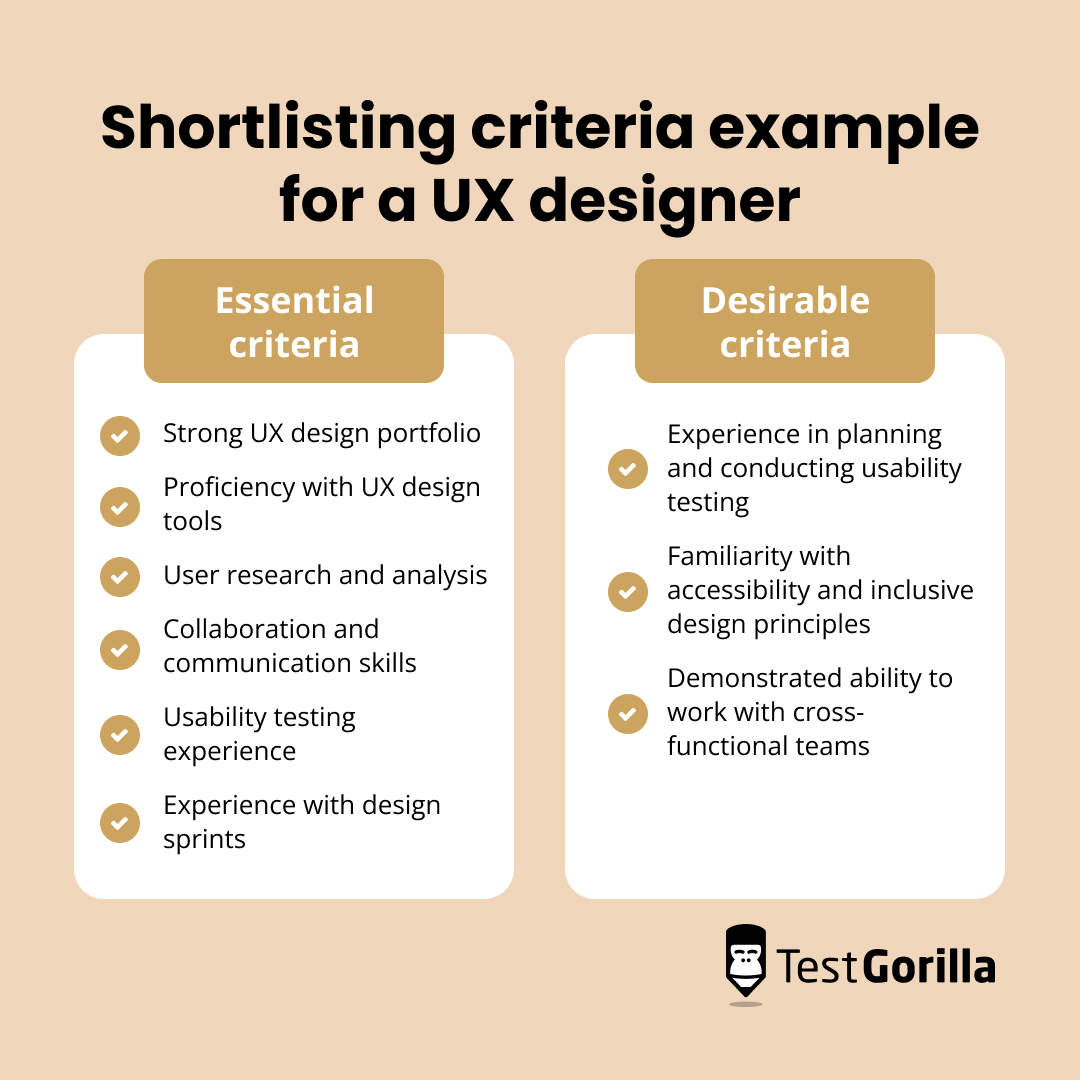
Transforming the Shortlist into a Career Milestone
Ultimately, being shortlisted is the best evidence that your professional trajectory is heading in the right direction. It confirms that your resume, your portfolio, and your reputation are working in synergy to attract the attention of industry leaders.
As you move forward, view every shortlist invitation as a diagnostic tool. It tells you what is working. If you are regularly hitting the shortlist but failing to close, the bottleneck is likely in your interview performance or your ability to translate your brand into interpersonal connection. If you are rarely shortlisted, the bottleneck is in your initial marketing—your resume, your networking, or your digital presence.
Being shortlisted is an invitation to engage. It is the company saying, “We see your value, and we want to see if it fits our future.” By maintaining a consistent, confident, and strategy-oriented personal brand, you ensure that being shortlisted is not the end of the journey, but the penultimate step toward your next great professional chapter. Approach it with the seriousness of a strategist and the confidence of an expert, and you will find that the shortlist is the most effective stepping stone in your career growth.
aViewFromTheCave is a participant in the Amazon Services LLC Associates Program, an affiliate advertising program designed to provide a means for sites to earn advertising fees by advertising and linking to Amazon.com. Amazon, the Amazon logo, AmazonSupply, and the AmazonSupply logo are trademarks of Amazon.com, Inc. or its affiliates. As an Amazon Associate we earn affiliate commissions from qualifying purchases.