
The question “how much is one stock of Apple?” is far more complex than a simple numerical answer. It’s a gateway into the dynamic world of stock market investing, personal finance, and understanding the valuation of one of the planet’s most influential companies. For aspiring investors, seasoned traders, or simply curious individuals, comprehending the price of a single share of Apple (ticker symbol: AAPL) involves delving into market mechanics, investment strategies, and the broader economic landscape.
Apple Inc. isn’t just a technology giant; it’s a financial behemoth whose stock performance often reflects broader market trends and consumer sentiment. Its valuation is a product of its innovative products, vast ecosystem, robust financials, and investor confidence. This article will demystify the “how much” question, providing a comprehensive guide to understanding AAPL’s stock price, the various ways to invest, and the strategic considerations for incorporating Apple into your financial portfolio.
Understanding Apple’s Stock (AAPL) in the Market
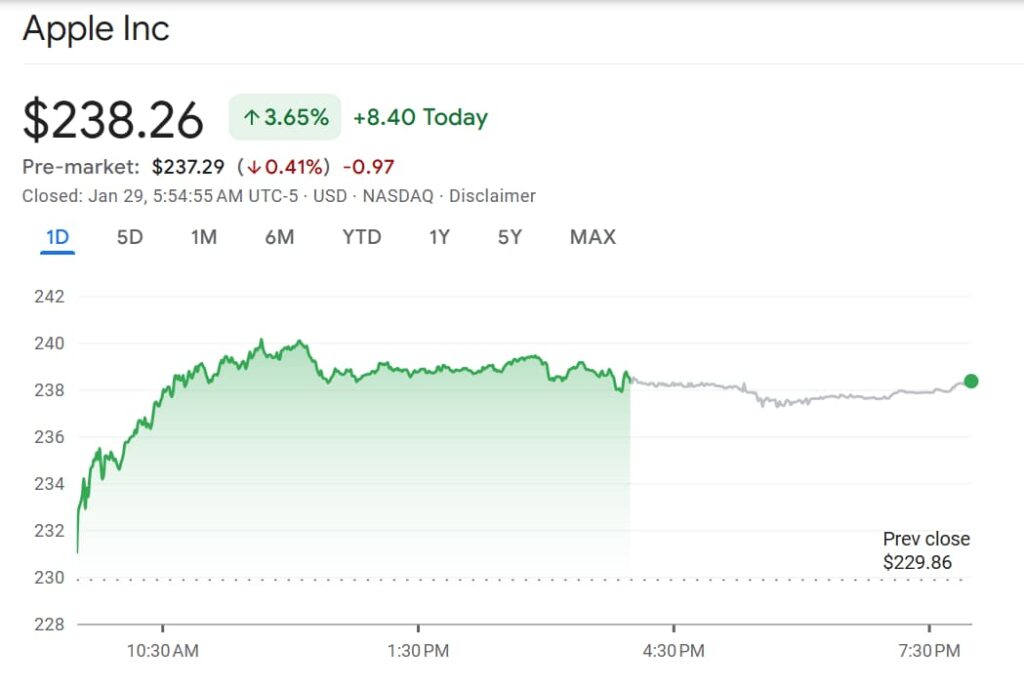
The price you see for one share of Apple stock on any given day is a snapshot of countless market forces at play. It’s not a static number but a constantly fluctuating figure that reflects a sophisticated interplay of supply, demand, company performance, and macroeconomic factors.
More Than Just a Number: The Dynamics of Stock Price
At its core, the price of a single share of Apple is determined by what buyers are willing to pay and what sellers are willing to accept at a particular moment. This collective negotiation happens billions of times a day across global stock exchanges. Each share represents a tiny ownership stake in the company. When you purchase AAPL stock, you’re not just buying a number; you’re buying a piece of Apple’s future earnings, assets, and innovation.
The total value of Apple as a company, its market capitalization, is calculated by multiplying its current share price by the total number of outstanding shares. This figure, often soaring into the trillions of dollars, underscores Apple’s immense economic influence and its status as one of the world’s most valuable corporations. The share price itself is a reflection of this vast valuation, broken down into manageable units for individual investors.
Factors Influencing AAPL’s Valuation
Apple’s stock price is a sensitive barometer, reacting to a multitude of internal and external stimuli. Understanding these drivers is crucial for anyone considering an investment in AAPL.
- Company Earnings and Financial Performance: Quarterly earnings reports, revenue figures, profit margins, and projections are paramount. Strong financial results typically boost investor confidence, leading to higher demand and an increased share price. Conversely, missed targets or weak outlooks can trigger sell-offs.
- Product Launches and Innovation: Apple’s reputation is built on innovation. The anticipation and actual launch of new iPhones, Macs, iPads, Apple Watches, or services can significantly impact the stock. Perceived success or failure of these products directly influences future revenue expectations.
- Market Sentiment and Investor Psychology: Beyond hard data, the collective mood of investors plays a huge role. Positive news, analyst upgrades, or general market optimism can drive prices up, while fear, uncertainty, or negative headlines can cause declines.
- Economic Indicators: Broader economic health, including interest rates, inflation, consumer spending, and GDP growth, affects all companies, including Apple. A strong economy generally bodes well for consumer discretionary spending, which benefits Apple’s product sales.
- Competition and Regulatory Landscape: Apple operates in highly competitive markets. Actions by rivals or new regulatory challenges (e.g., antitrust investigations, app store policies) can introduce risks and influence investor perception.
- Stock Splits: Historically, Apple has executed several stock splits (e.g., 4-for-1 in 2020). While a split doesn’t change the company’s overall market capitalization or an investor’s total ownership percentage, it reduces the price of individual shares, making them more accessible to a wider range of investors and increasing liquidity.
Historical Context: Apple’s Journey to Trillions
Apple’s stock journey has been nothing short of phenomenal. From its humble beginnings to becoming the first company to hit a $1 trillion, then $2 trillion, and even $3 trillion market capitalization, AAPL has demonstrated consistent long-term growth. Early investors have reaped substantial rewards, benefiting from the company’s relentless innovation, global expansion, and strong brand loyalty. This historical performance, while no guarantee of future returns, underpins much of the long-term investor confidence in the company. Understanding this trajectory provides valuable perspective on its current valuation and potential.
Beyond the Sticker Price: Different Ways to Invest in Apple
While the question focuses on “one stock,” the reality is there are several avenues to gain exposure to Apple’s financial performance, catering to different budgets and investment philosophies.
Direct Stock Purchase: The Traditional Route
The most straightforward way to invest in Apple is to buy its stock directly through a brokerage account. This involves purchasing whole shares (e.g., 1 share, 10 shares, 100 shares) at the prevailing market price. This method gives you direct ownership and voting rights (if applicable) and allows you to participate fully in any stock appreciation and dividends. You’ll need a brokerage account with a reputable firm, funds to cover the purchase price, and a basic understanding of market orders (to buy at the current price) or limit orders (to buy at a specific target price).
Fractional Shares: Making Investing Accessible
For many new investors or those with smaller budgets, the price of a single share of a high-value company like Apple can seem prohibitive. This is where fractional shares come in. Many modern brokerage platforms now allow investors to buy a fraction of a share. Instead of needing to afford a full share, you can invest a specific dollar amount (e.g., $50 or $100) into AAPL, and your broker will purchase the corresponding fraction of a share for you. This democratizes investing, making it possible to own a piece of Apple even if you can’t afford a full share, allowing for greater diversification with less capital.
ETFs and Mutual Funds: Diversifying with Apple Exposure
Another popular approach is to invest in exchange-traded funds (ETFs) or mutual funds that include Apple as one of their holdings. These funds pool money from many investors to buy a basket of different stocks, offering built-in diversification.
- Tech-focused ETFs: Many ETFs specialize in the technology sector, and given its market cap, Apple is often a significant holding in such funds.
- S&P 500 Index Funds: Apple is a prominent component of the S&P 500 index. Investing in an S&P 500 index fund or ETF gives you exposure to Apple along with 499 other large U.S. companies, providing broad market diversification.
- Growth Funds: Funds specifically targeting growth stocks will almost certainly include Apple due to its consistent innovation and market leadership.
Investing in funds offers diversification benefits, reducing the specific risk associated with owning only one company’s stock, even a dominant one like Apple. You benefit from Apple’s performance without the concentrated risk.
The Mechanics of Buying Apple Stock
Once you’ve decided on your preferred method of investment, understanding the practical steps involved in purchasing AAPL is essential.

Choosing the Right Brokerage Account
The first step is to open a brokerage account. There are numerous online brokers available, each with different features, fee structures, and platforms. When choosing, consider:
- Fees: Many brokers offer commission-free trading for stocks and ETFs, but be aware of other potential charges like account maintenance fees or fees for certain transaction types.
- User Interface: A platform that is intuitive and easy to navigate is crucial, especially for beginners.
- Research Tools and Resources: Look for brokers that offer robust research tools, educational materials, and investment insights to help you make informed decisions.
- Customer Support: Responsive and helpful customer service can be invaluable.
- Fractional Shares: If you plan to invest smaller amounts, ensure the broker supports fractional share purchases.
Placing Your Order: A Step-by-Step Guide
After funding your brokerage account (which typically involves linking a bank account), placing an order for AAPL is relatively straightforward:
- Search for AAPL: Use the brokerage platform’s search bar to find Apple’s stock using its ticker symbol (AAPL).
- Enter the Quantity: Decide how many shares you want to buy (or the dollar amount if buying fractional shares).
- Choose Order Type:
- Market Order: Buys shares immediately at the best available current price. This is quick but the price might fluctuate slightly from what you see.
- Limit Order: Allows you to specify the maximum price you’re willing to pay per share. Your order will only execute if the stock reaches or falls below that price. This offers more control but your order might not be filled immediately or at all if the price doesn’t hit your limit.
- Review and Confirm: Double-check all the details of your order before confirming.
- Execute Trade: Once confirmed, your order will be sent to the market. If it’s a market order, it usually executes within seconds.
Understanding Trading Hours and Market Volatility
Stock markets typically operate during specific hours (e.g., 9:30 AM to 4:00 PM Eastern Time for U.S. markets). Prices can fluctuate significantly during these hours. There’s also “after-hours” trading, but liquidity might be lower, leading to wider price spreads. Understanding market volatility—the degree of price fluctuation—is also important. High volatility means prices can swing rapidly, presenting both opportunities and risks. It’s crucial to be aware of these dynamics when planning your investment.
Is Investing in Apple Right for You? Strategic Considerations
While Apple is a dominant and historically successful company, investing in its stock requires careful consideration of your personal financial situation and investment philosophy.
Assessing Your Investment Goals and Risk Tolerance
Before investing in AAPL or any stock, define your investment goals. Are you saving for retirement, a down payment on a house, or simply looking to grow your wealth over the long term?
- Long-Term Growth: Apple is often considered a core holding for long-term growth-oriented portfolios due to its strong fundamentals and innovation pipeline.
- Income (Dividends): Apple pays a modest dividend, which can be an additional source of income, especially if reinvested.
Your risk tolerance is also key. While Apple is a relatively stable large-cap stock, all stock investments carry risk. Be comfortable with the possibility of price fluctuations and potential losses.
The Importance of Diversification
Even the most successful companies can face headwinds. Putting all your investment capital into a single stock, no matter how strong, concentrates your risk. Diversification—spreading your investments across various companies, industries, and asset classes—is a fundamental principle of sound investing. By diversifying, you reduce the impact of any single investment underperforming. Apple can be an excellent component of a diversified portfolio, but it’s rarely wise to make it your sole investment.
Long-Term Growth vs. Short-Term Speculation
Apple is generally viewed as a long-term growth stock. Its consistent innovation, brand strength, and ability to generate massive free cash flow make it attractive for investors looking to compound their wealth over years, even decades. While it’s possible to attempt short-term trades based on news or technical analysis, this carries significantly higher risk and is generally not recommended for novice investors. Focusing on Apple’s long-term potential aligns better with a stable investment strategy.
Staying Informed: Research and Due Diligence
Successful investing is rooted in knowledge. Continuously research Apple’s financial reports, analyst ratings, product announcements, and competitive landscape. Follow reputable financial news sources. Understand the company’s competitive advantages, potential threats, and future growth drivers. While external advice can be helpful, ultimately, your investment decisions should be based on your own informed due diligence.
The Broader Implications: Apple’s Role in a Diversified Portfolio
Apple’s immense size and influence extend beyond its own balance sheet, impacting broader market dynamics and serving as a bellwether for the technology sector and consumer economy.
Tech Giant Influence: Sectoral Weighting
As one of the largest companies globally and a leading technology firm, Apple carries significant weight in major stock market indices, particularly those focused on technology. Its performance can sway the direction of tech-focused ETFs and mutual funds. Investors looking for exposure to the technology sector will almost inevitably have Apple as a substantial component of their portfolio, whether through direct ownership or indirectly via funds. Understanding this sectoral influence helps in constructing a balanced portfolio.
Dividend Income: A Secondary Benefit
While primarily known for its growth, Apple also offers a regular quarterly dividend to its shareholders. Although the dividend yield (the annual dividend payment divided by the share price) might be modest compared to some dividend-focused stocks, it represents a tangible return on investment and can contribute to overall portfolio gains, especially when reinvested. Reinvesting dividends allows you to purchase more shares, compounding your investment over time.
Economic Bellwether: Broader Market Insights
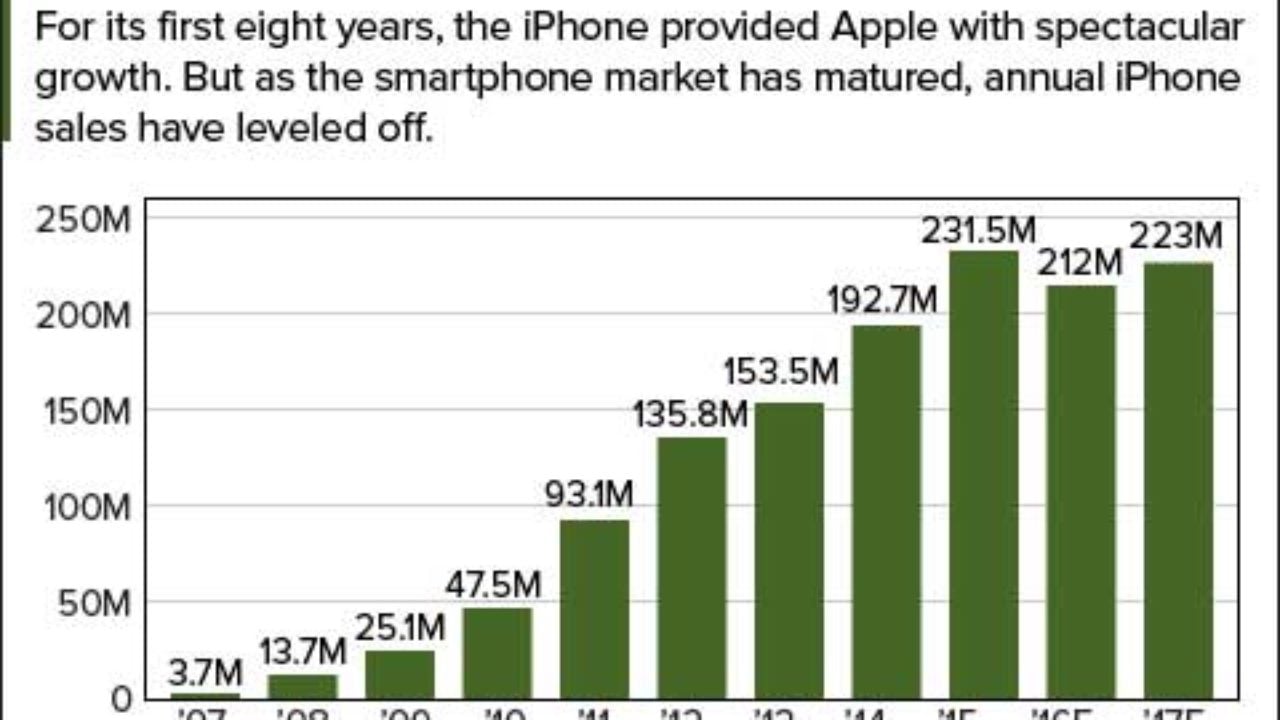
Apple’s massive consumer base and global supply chain make it a sensitive indicator of broader economic health. Strong iPhone sales often correlate with robust consumer spending, while supply chain disruptions can signal economic vulnerabilities. Observing Apple’s performance and executive commentary can offer insights into consumer trends, global manufacturing, and the overall health of the technology sector, providing a broader lens for evaluating other investment opportunities.
In conclusion, asking “how much is one stock of Apple?” opens a Pandora’s box of financial insights. The answer is a fluid number, reflecting a complex interplay of market forces, company performance, and investor sentiment. More importantly, understanding the question requires grasping the various investment avenues available, the mechanics of buying stock, and the strategic considerations necessary for responsible and effective participation in the financial markets. For many, investing in AAPL represents an opportunity to own a piece of a globally transformative company, contributing to a diversified portfolio aimed at long-term financial growth.
aViewFromTheCave is a participant in the Amazon Services LLC Associates Program, an affiliate advertising program designed to provide a means for sites to earn advertising fees by advertising and linking to Amazon.com. Amazon, the Amazon logo, AmazonSupply, and the AmazonSupply logo are trademarks of Amazon.com, Inc. or its affiliates. As an Amazon Associate we earn affiliate commissions from qualifying purchases.