
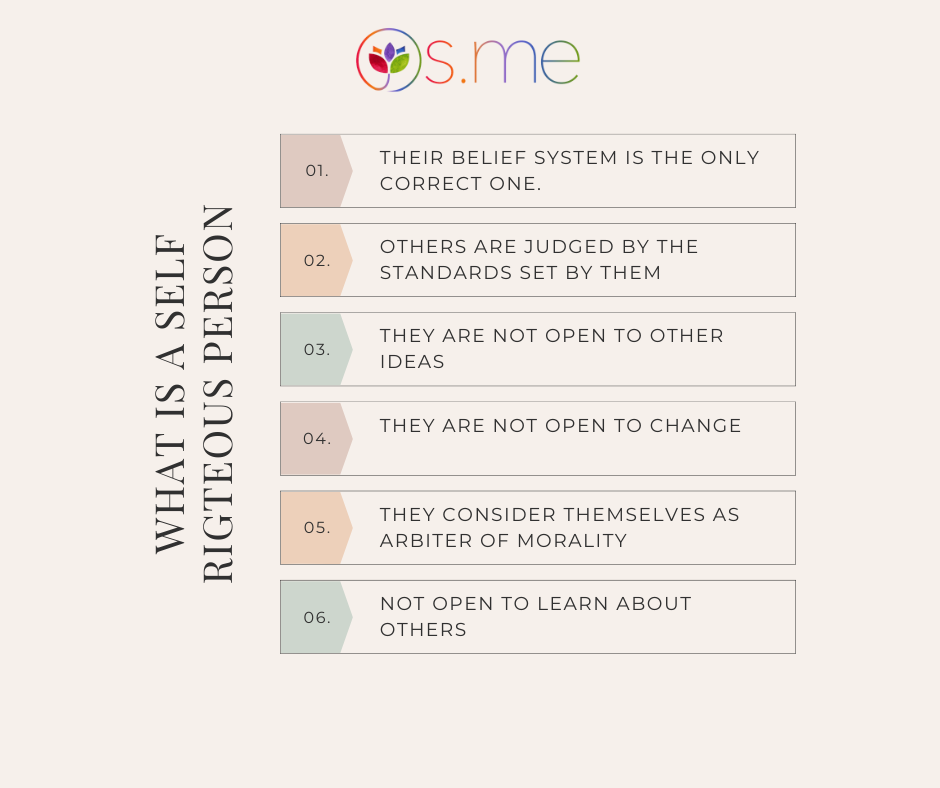
In an increasingly interconnected and transparent world, the character and ethos of a brand—whether personal or corporate—are under constant scrutiny. Authenticity, empathy, and humility have become cornerstones of successful brand building. Yet, lurking in the shadows of leadership, marketing, and public relations is a dangerous trait that can subtly, or not so subtly, undermine even the most well-intentioned efforts: self-righteousness. To be self-righteous is to possess an unwavering conviction of one’s own moral superiority, often accompanied by a condescending judgment of others. It’s a belief that one’s own views, actions, or products are inherently correct and beyond reproach, rendering alternative perspectives invalid or inferior. In the realm of branding, this trait is not merely an unfortunate personal flaw; it’s a strategic liability, a corrosive force that can alienate audiences, stifle innovation, and ultimately dismantle the very trust a brand strives to build. Understanding its manifestations and mitigating its impact is crucial for any brand aiming for sustained relevance and genuine connection in the modern marketplace.

The Anatomy of Self-Righteousness in Branding
Self-righteousness isn’t always overt; it often manifests in nuanced ways that, over time, sculpt a brand’s public persona into something rigid and unapproachable. Identifying these manifestations is the first step toward a more authentic and engaging brand presence.
Defining the Trait: Superiority and Judgment
At its core, self-righteousness is a cognitive bias towards one’s own perceived moral or intellectual correctness. For a brand, this translates into an implicit or explicit message that “we know best.” It can permeate marketing language, customer service interactions, and even internal corporate communications. This superior stance often leads to judgmental attitudes towards competitors, market trends, or even the very customers a brand seeks to serve. Instead of understanding customer needs, a self-righteous brand might dictate them, believing its solutions are universally optimal without genuine input or adaptation. This often stems from a deep-seated belief in the brand’s unique mission, product, or leadership vision, which, while valuable for internal conviction, can become detrimental when projected externally without humility. The danger lies in conflating conviction with infallibility, transforming passion into a patronizing tone that drives audiences away.
Manifestations in Personal Branding
For individuals, especially leaders, founders, and influencers, self-righteousness can dramatically warp their personal brand. A leader who consistently positions themselves as the sole fount of wisdom, dismissing feedback or challenging ideas as misguided, projects an image of arrogance rather than authority. Their personal brand becomes defined by an unwillingness to learn, adapt, or admit error. Consider the “guru” who preaches a single, immutable path to success, often subtly shaming those who haven’t achieved it, implying their failures are due to a lack of understanding rather than systemic challenges or differing approaches. This brand of personal branding, while initially attracting followers seeking definitive answers, ultimately alienates those who value dialogue, growth, and a more relatable, human touch. It creates a transactional relationship built on perceived infallibility rather than a collaborative community fostered by mutual respect.
Corporate Identity and Communication Pitfalls
When self-righteousness seeps into a corporate identity, its effects are amplified across an entire organization. Marketing campaigns might adopt a preachy tone, lecturing consumers on their choices rather than offering solutions or benefits. For example, a brand promoting eco-friendly products might inadvertently shame consumers who cannot afford or access them, rather than celebrating steps towards sustainability. This judgmental approach, instead of inspiring change, often breeds resentment and defensiveness. Furthermore, a self-righteous corporate identity can hinder innovation, as internal teams become resistant to market research or feedback that contradicts their established “correct” way of doing things. It can manifest in rigid internal policies, an inability to adapt to changing consumer preferences, and a general disconnect between the brand’s self-perception and its public reality, leading to a static, anachronistic image in a dynamic marketplace.
The Damaging Impact on Brand Perception and Engagement
The subtle venom of self-righteousness, once injected into a brand’s DNA, quickly begins to erode its most vital assets: trust, engagement, and the potential for growth. The consequences are far-reaching, affecting everything from customer loyalty to market responsiveness.
Erosion of Trust and Authenticity
Trust is the bedrock of any enduring brand relationship. Self-righteousness, by its very nature, shatters this foundation. When a brand acts superior, dismisses criticism, or refuses to acknowledge shortcomings, it sacrifices authenticity. Audiences today are highly discerning; they can detect insincerity and condescension from a mile away. A brand that consistently communicates from a position of “always right” struggles to be seen as genuine or relatable. This lack of authenticity doesn’t just make a brand less appealing; it actively undermines its credibility. Why should a customer trust a brand that appears to believe it has nothing to learn, nothing to improve upon, and no capacity for empathy? The perceived invulnerability inherent in self-righteousness creates an emotional distance, making it impossible for the audience to truly connect, leading to a slow but steady leakage of trust.
Alienation of Audiences and Customer Disengagement
Perhaps the most direct consequence of self-righteous branding is the alienation of its audience. No one enjoys being lectured, judged, or made to feel inferior. When a brand adopts such a tone, whether in its advertising, its social media interactions, or its public statements, it actively pushes away potential customers and disengages existing ones. Instead of fostering a sense of community and shared values, a self-righteous brand creates an “us vs. them” dynamic. Customers who feel misunderstood, criticized, or simply unimportant will seek alternatives that offer respect, understanding, and a willingness to engage on equal terms. This disengagement manifests not just in reduced sales but also in a silent withdrawal from social channels, a reluctance to participate in feedback, and ultimately, a complete lack of loyalty. The brand becomes an echo chamber, talking only to itself or a dwindling group of fervent, unquestioning followers, while the broader market moves on.
Stifling Innovation and Growth

Internally, self-righteousness can be a growth killer. A brand that believes it has perfected its approach, product, or service will naturally resist feedback, criticism, or new ideas that challenge the status quo. This mindset closes the door to innovation, making the brand complacent and slow to adapt in dynamic markets. Why invest in R&D, market research, or employee training if the current way is already deemed flawless? This rigidity prevents the brand from evolving, responding to changing consumer demands, or leveraging emerging technologies. In the long run, brands afflicted by self-righteousness find themselves outmaneuvered by agile competitors who are humble enough to listen, learn, and iterate. The belief in inherent correctness becomes a blind spot, leading to stagnation and eventual irrelevance.
Cultivating a Humbler, More Engaging Brand Narrative
Overcoming self-righteousness requires a deliberate and ongoing commitment to introspection and a fundamental shift in how a brand perceives its role and interacts with the world. The goal is to build a narrative rooted in genuine connection and mutual respect.
Embracing Empathy and Active Listening
The antidote to judgment is empathy. A brand narrative built on empathy seeks to understand its audience’s needs, challenges, and aspirations from their perspective, rather than projecting its own. This means moving beyond superficial demographic data to truly listen to customer stories, feedback, and grievances. Active listening involves more than just hearing; it’s about internalizing, validating, and responding thoughtfully. For brands, this translates into dedicated channels for feedback, responsive customer service, and market research that doesn’t just confirm biases but actively seeks out dissenting opinions. By demonstrating an understanding of the customer’s world, a brand can tailor its products, services, and communications to genuinely resonate, fostering a sense of being heard and valued rather than talked down to.
The Power of Vulnerability and Transparency
In an age of curated perfection, vulnerability has become a powerful differentiator. Brands that are brave enough to admit mistakes, share struggles, or reveal their learning journey come across as refreshingly human and authentic. This isn’t about wallowing in self-pity but about demonstrating a willingness to be imperfect, to grow, and to evolve. Transparency, similarly, builds trust by demystifying processes, sharing insights into challenges, and being forthright about intentions. When a brand shows its human side, it invites connection rather than demanding admiration. This creates a stronger emotional bond with the audience, making them feel like partners in the brand’s journey rather than passive recipients of its proclamations. It shifts the dynamic from a one-way lecture to a two-way conversation, reinforcing the idea that the brand values interaction and shared experience.
Fostering a Culture of Continuous Learning and Collaboration
Internally, a brand must cultivate a culture that actively resists the allure of self-righteousness. This means promoting an environment where continuous learning is celebrated, and diverse perspectives are not just tolerated but actively sought out. Leaders must model humility, acknowledging their own learning curves and empowering teams to experiment and even fail without fear of judgment. Collaboration, both within the organization and with external partners, should be prioritized, recognizing that collective intelligence often surpasses individual brilliance. By embedding this culture, the brand ensures that its identity remains dynamic, adaptable, and open to improvement. It transforms from a static monument to its own perceived greatness into a living, breathing entity capable of evolving with the market and its audience.
Practical Strategies for Self-Correction and Brand Enhancement
Transforming a potentially self-righteous brand into one that is humble, empathetic, and engaging requires deliberate action and consistent effort across multiple touchpoints. It’s about auditing existing practices and proactively implementing new ones.
Conduct a Brand Tone Audit
A critical first step is to objectively assess all outward-facing communications for any trace of self-righteousness. This includes website copy, social media posts, advertising campaigns, press releases, customer service scripts, and internal communications. Engage external, unbiased parties if possible, as internal teams may be too close to the messaging to spot subtle biases. The audit should look for language that is preachy, condescending, overly prescriptive, or dismissive of alternative viewpoints. Identify instances where the brand might be lecturing instead of conversing, or judging instead of understanding. This process provides a clear picture of where corrective action is most needed and helps establish a baseline for refining brand voice guidelines.
Prioritize Inclusive Language and Imagery
To counteract self-righteousness, a brand must actively embrace inclusivity in its language and imagery. This means moving beyond generic or exclusionary terminology and visuals to ensure that messaging resonates with a diverse audience without alienating any segment. Avoid jargon that only an insider would understand, and strive for clear, accessible communication. Use imagery that reflects the true diversity of your audience and avoids stereotypes. Inclusive language is inherently humble; it recognizes that not everyone shares the same experiences, beliefs, or backgrounds. It aims to invite rather than exclude, making the brand feel approachable and welcoming to a broader range of individuals, thereby dismantling the “us vs. them” mentality that self-righteousness fosters.
Lead by Example: Humility from the Top Down
Ultimately, a brand’s character often mirrors its leadership. For a brand to shed its self-righteous tendencies, humility must be championed from the highest levels of the organization. Leaders must consciously practice empathy, active listening, and a willingness to be vulnerable. This involves encouraging open dialogue, soliciting honest feedback from employees and stakeholders, and being prepared to admit when a strategy or decision needs adjustment. When leaders model humility, it cascades throughout the organization, empowering employees to adopt a similar approach in their interactions. This top-down commitment to humility becomes a cornerstone of the brand’s internal culture and, subsequently, its external identity, proving that a brand can be confident in its vision without being arrogant in its delivery.
In conclusion, self-righteousness is far more than a personality quirk; it is a profound impediment to effective branding in the modern era. While conviction in a brand’s mission and values is vital, an unwavering belief in one’s own moral or intellectual superiority, coupled with a tendency to judge others, is a direct path to alienation and irrelevance. Brands, whether personal or corporate, that exude self-righteousness risk eroding trust, disengaging their audiences, and stifling their own capacity for growth and innovation. The path to enduring brand success lies not in proclaiming infallibility but in embracing humility, cultivating genuine empathy, practicing active listening, and fostering a culture of continuous learning and transparency. By consciously rejecting the allure of self-righteousness and instead prioritizing authentic connection, brands can build not just loyal customers, but vibrant communities that thrive on mutual respect and shared progress. This strategic pivot from superiority to service is not merely a moral imperative but a commercial necessity for any brand seeking to truly flourish in the hearts and minds of its audience.
aViewFromTheCave is a participant in the Amazon Services LLC Associates Program, an affiliate advertising program designed to provide a means for sites to earn advertising fees by advertising and linking to Amazon.com. Amazon, the Amazon logo, AmazonSupply, and the AmazonSupply logo are trademarks of Amazon.com, Inc. or its affiliates. As an Amazon Associate we earn affiliate commissions from qualifying purchases.