
The Silent Architect of Choice: Understanding Digital Autonomy
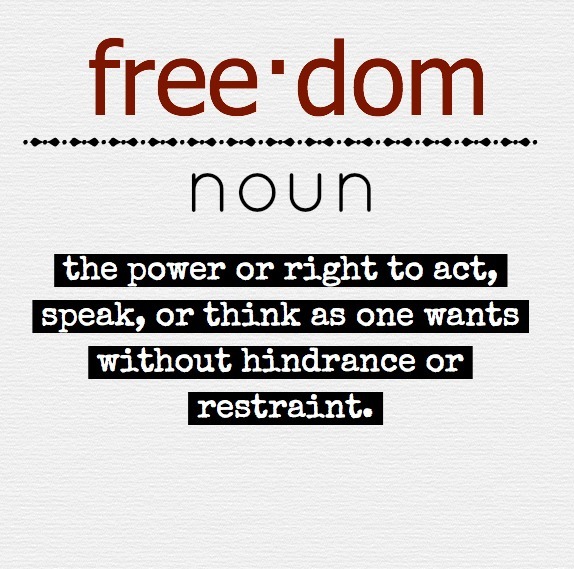
The concept of freedom, in its purest form, is deeply personal and multifaceted. It’s the unburdened ability to make choices, to pursue aspirations, and to live without undue constraint. In the 21st century, a significant dimension of this freedom has become inextricably linked to our digital lives. This isn’t just about having access to the internet; it’s about the nuanced ways in which technology shapes, enables, and sometimes limits our autonomy. To truly understand what it means to be free in this era, we must delve into the architecture of our digital existence and critically examine the forces at play.

The Digital Ecosystem: A Labyrinth of Interconnectedness
Our lives are increasingly mediated by technology. From the way we communicate and consume information to how we work and even govern ourselves, digital systems form the bedrock of modern society. This pervasive integration, while offering unprecedented opportunities, also presents complex challenges to our sense of freedom. Understanding the underlying structure of this digital ecosystem is the first step towards reclaiming and safeguarding our autonomy.
The Illusion of Control: Navigating the Algorithmic Landscape
One of the most profound paradoxes of modern digital life is the illusion of control we often experience. We believe we are making independent choices when browsing the web, selecting content, or interacting with online platforms. However, behind the scenes, sophisticated algorithms are constantly at work, curating our experiences, shaping our perceptions, and subtly influencing our decisions. These algorithms, designed to maximize engagement and profit, can inadvertently create echo chambers, amplify biases, and limit our exposure to diverse perspectives. This algorithmic sculpting of our reality can erode our capacity for genuine critical thought and autonomous decision-making, making us susceptible to manipulation, whether intended or not.
Data as the New Currency: The Price of “Free” Services
Many of the digital services we use daily are offered at no direct monetary cost. Social media platforms, search engines, and countless apps are provided free of charge. However, this “free” comes at a significant price: our personal data. Every click, every search, every interaction generates data that is collected, analyzed, and often monetized. This data provides valuable insights into our preferences, behaviors, and even our vulnerabilities. The aggregation and sale of this information to advertisers, data brokers, and other third parties raise serious questions about privacy and consent. When our digital footprint is constantly being tracked and commodified, our freedom to exist online without perpetual surveillance is significantly curtailed. This raises the imperative to understand how our data is being used and to advocate for stronger data protection regulations.
Reclaiming Digital Sovereignty: Strategies for Empowered Engagement
The idea of digital freedom isn’t about rejecting technology outright; it’s about engaging with it consciously and deliberately. It’s about understanding the mechanisms of influence and actively seeking to regain control over our digital lives. This requires a proactive approach, a commitment to digital literacy, and a willingness to make informed choices about our online presence.
Cultivating Digital Literacy: The Foundation of Informed Choice

In an era of pervasive digital influence, digital literacy is not just a desirable skill; it’s a fundamental requirement for exercising freedom. This encompasses a broad range of competencies, including the ability to critically evaluate online information, understand privacy settings, recognize persuasive techniques used by platforms and advertisers, and grasp the basic principles of how algorithms and data collection work. Without this foundational knowledge, we are like ships adrift in a sea of digital currents, easily steered by unseen forces. Investing time in learning about these concepts empowers us to make more informed decisions about which platforms to use, what information to share, and how to protect our digital selves.
The Power of Conscious Consumption: Curating Your Digital Diet
Just as we are mindful of our physical diet for health and well-being, so too should we be conscious of our digital diet. This involves actively curating the content we consume, the platforms we engage with, and the information we allow to shape our perspectives. It means seeking out diverse sources of information, challenging our own biases, and being aware of the potential for algorithmic amplification of narrow viewpoints. It also means understanding the business models of the platforms we use and choosing those that align with our values regarding privacy and data ownership. Deliberately stepping away from constant notifications, setting boundaries for screen time, and actively seeking out offline experiences are all crucial components of a healthy and free digital life.
Embracing Open-Source and Privacy-Focused Alternatives
The landscape of technology is not monolithic. Alongside proprietary platforms driven by data monetization, there exists a vibrant ecosystem of open-source software and privacy-focused alternatives. These technologies are often developed with user autonomy and security at their core. By choosing and supporting these alternatives, we can actively contribute to a digital future that prioritizes individual freedom over corporate interests. Whether it’s opting for open-source operating systems, using privacy-respecting browsers and search engines, or exploring encrypted communication tools, these choices represent tangible steps towards reclaiming digital sovereignty and reducing our reliance on systems that may compromise our autonomy.
The Ethical Imperative: Building a Freer Digital Future
The pursuit of digital freedom is not merely an individual endeavor; it has profound societal implications. The way we design, regulate, and interact with technology shapes the very fabric of our democratic societies and our collective future. A truly free digital future requires a commitment to ethical considerations at every level.
Advocating for Policy and Regulation: Shaping the Digital Commons
Individual choices are important, but they are not sufficient to address the systemic challenges to digital freedom. Effective policy and robust regulation are essential to create an environment where our digital autonomy is protected. This includes advocating for stronger data privacy laws, promoting net neutrality, demanding transparency from technology companies regarding their algorithms and data practices, and supporting initiatives that foster competition and prevent monopolistic control over digital infrastructure. Engaging in civic discourse and supporting organizations that champion digital rights are crucial steps in shaping a digital commons that respects and upholds the freedom of its users.
Designing for Autonomy: The Responsibility of Innovators
The responsibility for fostering digital freedom also rests heavily on the shoulders of those who create technology. Innovators and developers have an ethical obligation to design systems that prioritize user control, privacy, and transparency. This means moving beyond a sole focus on engagement metrics and profit maximization to consider the broader societal impact of their creations. Designing with “privacy by design” and “ethics by design” principles can lead to technologies that empower rather than exploit users. Fostering a culture of ethical innovation within the tech industry is paramount to building a digital future where freedom is not an afterthought, but a core tenet.
Conclusion: The Ongoing Journey Towards Digital Liberation
The question “What does it mean to be free?” in the digital age is not a static one; it’s a continuously evolving exploration. It’s a journey that requires vigilance, critical thinking, and a proactive commitment to safeguarding our autonomy. True digital freedom is not about an absence of technology, but about a conscious and empowered relationship with it. It’s about understanding the forces that shape our online experiences, making informed choices that protect our privacy and enhance our control, and advocating for a digital landscape that values human freedom above all else. By cultivating digital literacy, practicing conscious consumption, supporting ethical alternatives, and demanding responsible innovation and policy, we can collectively move towards a future where technology serves humanity, empowering us to be truly free.
aViewFromTheCave is a participant in the Amazon Services LLC Associates Program, an affiliate advertising program designed to provide a means for sites to earn advertising fees by advertising and linking to Amazon.com. Amazon, the Amazon logo, AmazonSupply, and the AmazonSupply logo are trademarks of Amazon.com, Inc. or its affiliates. As an Amazon Associate we earn affiliate commissions from qualifying purchases.