
In an increasingly digital world, the way we manage, send, and receive money has undergone a profound transformation. Gone are the days when cash and checks dominated every transaction. Today, digital payment platforms have become indispensable financial tools, and Venmo stands out as a pioneering force in this revolution. For millions, Venmo isn’t just an app; it’s an integral part of their personal finance ecosystem, simplifying everything from splitting dinner bills to sending emergency funds to family. Understanding how to open a Venmo account is therefore not merely a technical step, but a critical move towards embracing modern financial convenience and efficiency.
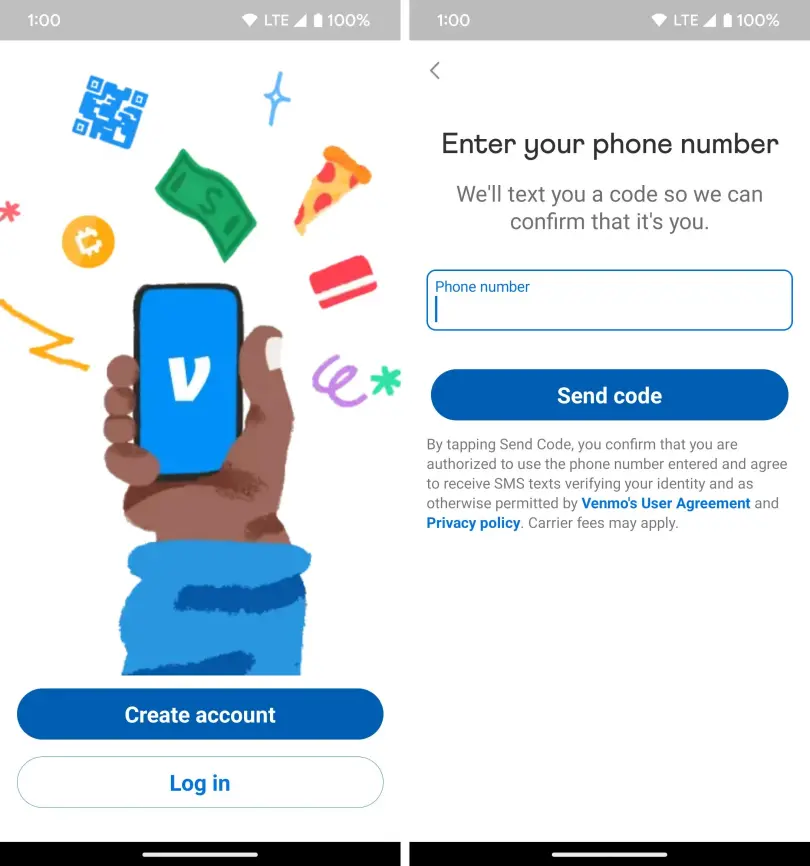
This comprehensive guide will walk you through the process of setting up your Venmo account, delving into why this financial tool has become so popular, how to get started, and crucial financial practices to ensure a smooth and secure experience. By the end, you’ll be equipped to confidently navigate the world of digital payments with Venmo, making it a powerful ally in your personal financial management strategy.
Why Venmo? Understanding Its Place in Your Financial Toolkit
The proliferation of smartphones and the internet has fundamentally reshaped our relationship with money. Venmo emerged as a direct response to the need for a more immediate, social, and user-friendly way to handle everyday financial transactions. It has transcended being just a payment app to become a cultural phenomenon, deeply embedded in the financial habits of a generation.
The Evolution of Personal Finance: From Cash to Digital Wallets
For centuries, personal finance revolved around tangible assets: coins, banknotes, and paper checks. While effective, these methods often involved physical presence, delays, and a lack of real-time visibility. The rise of online banking brought a degree of digital convenience, but peer-to-peer (P2P) payments remained cumbersome, often requiring bank transfers that could take days to clear.
Venmo, launched in 2009 and later acquired by PayPal, capitalized on the smartphone boom, offering an intuitive mobile-first experience. It transformed casual money exchanges from an awkward request for exact change or a promise to “get you back later” into a seamless, instantaneous digital transaction. This shift has not only made managing personal expenses easier but has also fostered a more transparent and trackable approach to individual financial interactions. It’s a testament to how technology can profoundly enhance our financial tools.
Core Benefits for Everyday Financial Transactions
At its heart, Venmo excels at simplifying the most common financial interactions. Its key benefits for personal finance include:
- Effortless Peer-to-Peer Payments: This is Venmo’s flagship feature. Whether you’re splitting a restaurant bill, contributing to a group gift, or paying back a friend for concert tickets, Venmo makes sending and receiving money almost instant and remarkably easy. This eliminates the need for cash, checks, or complex bank transfers for casual exchanges.
- Social Integration: With an optional social feed, Venmo adds a unique dimension to financial transactions. While often viewed as a novelty, this feature makes money transfers feel less transactional and more communal, allowing users to add notes, emojis, and share experiences related to their payments (with privacy settings fully customizable, of course).
- Budgeting Aid (Indirectly): While not a dedicated budgeting app, Venmo provides a clear, categorized history of your transactions. This digital ledger can be invaluable for tracking where your money goes, helping you understand spending patterns and reconcile shared expenses without manual logging.
- Convenient Bill Splitting: Integrated tools often allow for easy calculation and request of specific amounts from multiple individuals, streamlining the process of communal expense management.
Beyond P2P: Venmo’s Broader Financial Offerings
While P2P payments remain core, Venmo has evolved into a more comprehensive financial tool, expanding its utility beyond simple peer-to-peer transfers:
- Venmo Debit Card: This Mastercard-branded debit card allows users to spend money directly from their Venmo balance wherever Mastercard is accepted, earning cashback rewards on eligible purchases. It effectively turns your Venmo balance into a fully functional checking account.
- Venmo Credit Card: Offered in partnership with Synchrony Bank, the Venmo Credit Card provides tiered cash back rewards on top spending categories, paid directly into your Venmo account. It integrates seamlessly with the app, offering a digital-first credit experience.
- Business Profiles: For freelancers, small business owners, or those running side hustles, Venmo Business Profiles offer a distinct financial tool to accept payments from customers. This provides separation from personal transactions, enhances professionalism, and can streamline income tracking.
- Cryptocurrency Purchases: Recognizing the growing interest in digital assets, Venmo allows users to buy, hold, and sell a selection of cryptocurrencies directly within the app, democratizing access to this emerging financial frontier.
- Direct Deposit: Users can set up direct deposit to have their paychecks or government payments sent directly to their Venmo account, further solidifying its role as a primary financial hub.
- In-App Shopping and QR Code Payments: Venmo also facilitates direct payments to participating businesses both online and in-store via QR codes, extending its convenience to retail transactions.
These additional features illustrate Venmo’s ambition to be more than just a payment app; it aims to be a versatile financial platform catering to a broad spectrum of money management needs.
Step-by-Step: Registering for Your Venmo Account
Opening a Venmo account is a straightforward process designed to be user-friendly, ensuring you can quickly access its financial benefits. Here’s a detailed guide to getting started.
Pre-Registration Checklist: What You’ll Need
Before you begin, gather the following essentials to ensure a smooth signup process:
- A Smartphone (iOS or Android): Venmo is a mobile-first platform, so you’ll need a compatible device to download and use the app.
- A Valid Email Address: This will be used for account verification and communication.
- A Phone Number: Your mobile number is crucial for account security and verification.
- A U.S. Bank Account or Debit Card: To send money from your Venmo account and cash out your balance, you’ll need to link a funding source. While you can receive money without one, linking a bank account is essential for full functionality.
- Personal Information: You’ll eventually need to provide details like your full legal name, date of birth, and potentially the last four digits of your Social Security Number (SSN) for identity verification, especially if you plan to send or receive larger sums or use features like the Venmo Debit Card. This is a standard Know Your Customer (KYC) requirement for financial services.
The Mobile App Download and Initial Setup
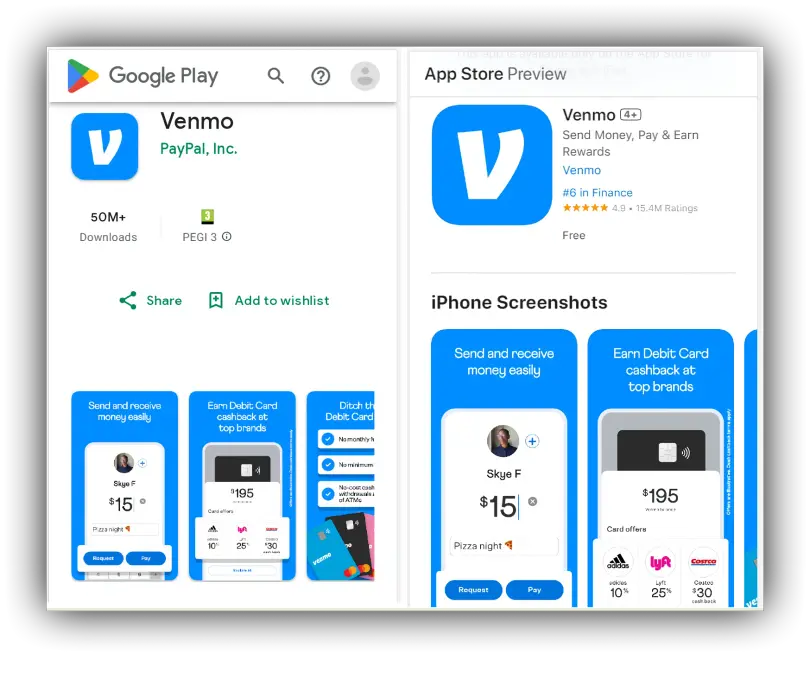
- Download the Venmo App: Head to the Apple App Store (for iOS devices) or Google Play Store (for Android devices). Search for “Venmo” and download the official app.
- Sign Up: Open the app and tap “Get Started” or “Sign Up.” You’ll be prompted to choose how you want to sign up: using your phone number, email address, or Facebook account. Using your phone number is often the most straightforward.
- Create a Secure Password: Choose a strong, unique password for your Venmo account to protect your financial information.
- Verify Your Phone Number/Email: Venmo will send a verification code to the phone number or email you provided. Enter this code into the app to confirm your contact details.
- Set Up Your Profile: Create a username (this is how others will find you on Venmo), and add your legal first and last name. You can also upload a profile picture if you wish.
Verifying Your Identity for Enhanced Financial Security
To comply with federal regulations (like the PATRIOT Act) and to protect both you and Venmo from fraud, you may be required to verify your identity. This becomes mandatory if you exceed certain transaction limits or want to access advanced financial features such as the Venmo Debit Card or direct deposit.
- What Information is Needed: You’ll typically be asked for your full legal name, date of birth, physical address, and the last four digits of your Social Security Number (SSN). In some cases, you might be asked for a full SSN or even a photo ID.
- Why It’s Important: This process helps confirm you are who you say you are, preventing identity theft and ensuring the integrity of the financial system. It’s a standard practice for virtually all legitimate financial tools and services. Rest assured that Venmo uses robust encryption and security protocols to protect your sensitive data.
Linking Your Funding Source: Bank Accounts and Debit Cards
To fully utilize Venmo and manage your money effectively, you need to link a payment method.
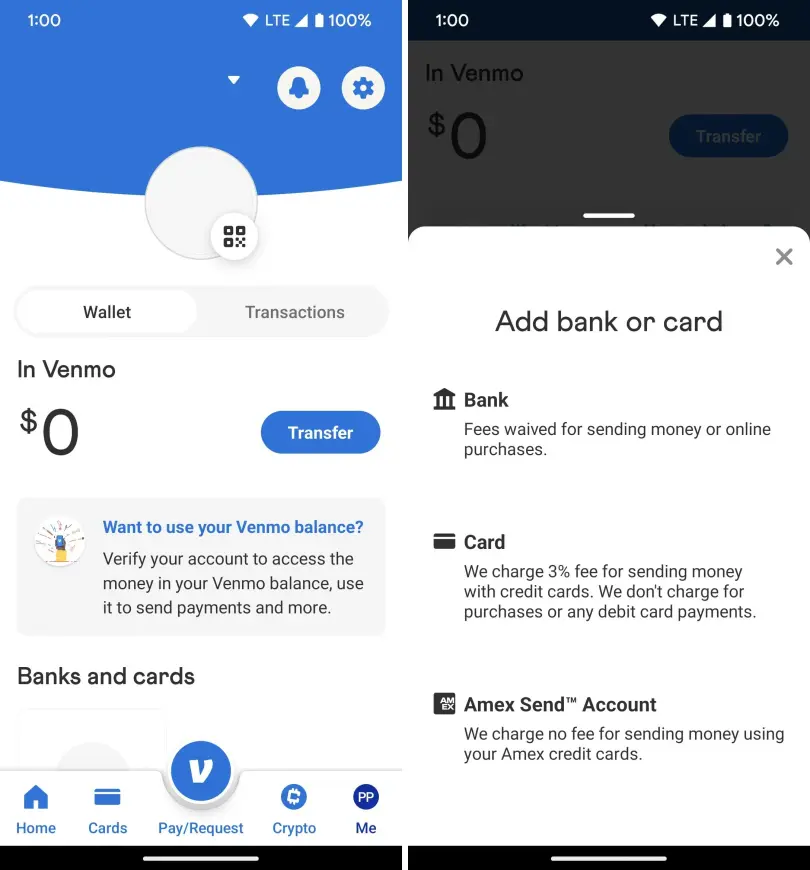
- Navigate to Settings: Once logged in, go to the “Me” tab (your profile icon) and tap the “Settings” gear icon.
- Select “Payment Methods”: Here, you’ll see options to add a bank account or a debit/credit card.
- Link a Bank Account:
- Tap “Add a bank or card” then “Bank.”
- You can instantly verify your bank account by logging in with your online banking credentials (recommended for speed and security).
- Alternatively, you can manually enter your bank’s routing and account numbers. Venmo will then send two small deposits (under $1.00) to your bank account. You’ll need to return to the Venmo app within 3 days to verify the exact amounts of these deposits, a process that usually takes 1-3 business days.
- Link a Debit Card:
- Tap “Add a bank or card” then “Card.”
- Enter your debit card number, expiration date, and CVV. Debit cards are typically verified instantly.
- Linking a debit card allows for quick transactions and often serves as a primary funding source.
While credit cards can also be linked, Venmo charges a 3% fee for sending money using a credit card, making debit cards or bank accounts the more financially prudent choice for P2P payments.
Maximizing Your Venmo Experience: Smart Financial Practices
Opening your account is just the beginning. To truly leverage Venmo as an effective financial tool, understanding its nuances and adopting smart practices is key.
Understanding Venmo Balances and Transfers
Your Venmo balance holds money received from others. You can use this balance for future payments or transfer it to your linked bank account.
- Standard Transfers: These are free and typically take 1-3 business days to reach your bank account.
- Instant Transfers: For a small fee (typically 1.75% with a minimum fee of $0.25 and a maximum fee of $25), you can transfer your Venmo balance to your linked debit card or eligible bank account in minutes. This can be invaluable for accessing funds quickly when financial urgency arises.
- Direct Payments from Linked Accounts: When your Venmo balance is insufficient, Venmo will automatically draw funds from your linked bank account or debit card to complete a payment.
Managing your balance wisely means understanding these options and choosing the one that best fits your financial timing and needs.
Managing Privacy and Transaction Visibility
Venmo’s social feed is a distinguishing feature, but it’s crucial to manage your privacy settings to protect your personal financial details.
- Transaction Visibility: By default, many Venmo transactions are set to “Public,” meaning anyone on Venmo can see them. You can (and often should) change this to “Friends” (only your Venmo friends can see) or “Private” (only you and the recipient can see). You can set a default privacy level in your settings and change it for individual transactions.
- Friend Lists and Profile Visibility: Regularly review your Venmo friends list. Be mindful of what information is visible on your profile. For personal finance, discretion is often the best policy.
Taking control of your privacy settings ensures your financial interactions remain as private as you desire, aligning with responsible money management.
Leveraging Business Profiles for Financial Efficiency
For individuals managing side hustles, freelance work, or small businesses, a Venmo Business Profile offers significant advantages:
- Separate Finances: It allows you to accept payments from customers under a business name, keeping your personal and business transactions separate. This is crucial for accurate bookkeeping, tax preparation, and generally clearer financial oversight.
- Professionalism: A business profile lends a more professional appearance than simply requesting payments to a personal account.
- Tax Documentation: Venmo may issue 1099-K forms for business profiles that meet certain transaction thresholds, simplifying tax reporting for your earnings.
- Customer Features: Business profiles often come with tools like QR codes for easy payment acceptance, analytics, and customer support for business-related inquiries.
Embracing a Business Profile turns Venmo from a casual P2P app into a potent financial tool for entrepreneurs and small enterprises.
Exploring Venmo’s Advanced Financial Features
Beyond the basics, Venmo continues to integrate new features that enhance its financial utility:
- QR Codes: Generate personal QR codes for easy payment requests or scan business QR codes for swift, contactless payments in stores.
- In-App Shopping: Discover and pay for goods and services directly within the app from participating merchants.
- Crypto Access: For those interested in diversifying their financial portfolio, Venmo provides an accessible entry point to buying and selling select cryptocurrencies. However, users should approach crypto with caution and educate themselves on its volatility.
These features expand Venmo’s reach beyond simple transfers, making it a more versatile component of your overall financial strategy.
Common Pitfalls and How to Navigate Them for Financial Peace of Mind
While Venmo is a powerful and convenient financial tool, like any platform dealing with money, it comes with potential risks. Awareness and proactive measures are key to protecting your financial well-being.
Avoiding Scams and Fraudulent Transactions
The convenience of digital payments unfortunately attracts scammers. Be vigilant:
- Verify Recipients: Always double-check the username and profile picture of the person you’re sending money to. A single digit or letter wrong can send your money to an unintended recipient, and Venmo transactions are generally irreversible.
- Beware of “Buyer Protection” Scams: Venmo is primarily designed for payments between friends and family. It does not offer buyer protection for goods and services (unless a business profile is used in an eligible transaction). Do not use Venmo for transactions with strangers for goods unless through a verified business profile, and be extremely cautious of requests to send money for items not yet received or verified.
- Phishing Attempts: Be wary of suspicious emails or messages claiming to be from Venmo. Always check the sender’s email address and look for official Venmo channels. Venmo will never ask for your password or sensitive financial details via unsolicited email or text.
- “Accidental” Payments: If someone claims to have “accidentally” sent you money and asks you to return it, be very careful. It could be a scam where they used a stolen credit card, and once you send the money back, the original payment is reversed, leaving you out of pocket. Contact Venmo support first.
Troubleshooting Account Access and Funding Issues
Encountering issues can be frustrating, but many common problems have straightforward solutions:
- Forgot Password: Use the “Forgot password?” link on the login screen to reset your password via your linked email or phone number.
- Funding Source Issues: If a payment fails, check if your linked bank account or debit card has sufficient funds or if the card has expired. Sometimes, banks may flag Venmo transactions as suspicious, requiring you to approve them with your bank.
- Account Freezes: Venmo may temporarily freeze an account if they detect unusual activity or suspect a security breach. Contact Venmo support immediately if this happens. Be prepared to provide identity verification.
- Transaction Limits: Be aware of Venmo’s weekly rolling limits for sending money, especially if your identity hasn’t been fully verified. These limits are in place to manage risk and fraud.
Understanding Transaction Limits and Fees
Being informed about Venmo’s financial policies is crucial for smart money management:
- Sending Limits: Unverified accounts typically have lower weekly sending limits (e.g., $299.99). Verifying your identity significantly increases these limits (e.g., up to $7,000 weekly).
- Instant Transfer Fees: Remember the 1.75% fee for instant transfers to your bank account or debit card. Plan ahead to use free standard transfers when time isn’t critical.
- Credit Card Fees: Sending money using a linked credit card incurs a 3% fee. Using your Venmo balance, bank account, or debit card for P2P payments is free.
- Cryptocurrency Fees: There are fees associated with buying and selling cryptocurrencies on Venmo. Ensure you understand these before engaging in crypto transactions.
By being mindful of these operational details, you can avoid unexpected costs and manage your finances more efficiently within the Venmo ecosystem.
Conclusion
Opening a Venmo account is more than just downloading an app; it’s a step towards embracing a modern, convenient, and often indispensable financial tool for managing your personal finances. From effortlessly splitting bills with friends to receiving payments for your side hustle and even exploring new financial frontiers like cryptocurrency, Venmo has carved out a significant niche in how we interact with our money.
By following the simple steps outlined, verifying your identity, and adopting smart financial practices, you can unlock the full potential of Venmo. Remember to prioritize privacy, remain vigilant against scams, and understand the platform’s features and fees to ensure a secure and satisfying experience. As digital payments continue to evolve, Venmo stands ready to be a central component of your financial toolkit, streamlining your monetary interactions and providing a gateway to seamless digital living.
aViewFromTheCave is a participant in the Amazon Services LLC Associates Program, an affiliate advertising program designed to provide a means for sites to earn advertising fees by advertising and linking to Amazon.com. Amazon, the Amazon logo, AmazonSupply, and the AmazonSupply logo are trademarks of Amazon.com, Inc. or its affiliates. As an Amazon Associate we earn affiliate commissions from qualifying purchases.