
The word “cute” is tossed around so casually, yet it carries a surprising depth of meaning. It’s an adjective that can describe anything from a fluffy kitten and a perfectly designed app icon to a clever marketing campaign and a surprisingly accessible financial tool. But what truly underlies this perception of cuteness? Is it an innate biological response, a learned cultural construct, or a strategic design choice? In a world increasingly shaped by technology, brand perception, and financial well-being, understanding the essence of cuteness offers fascinating insights into how we engage with the world around us.
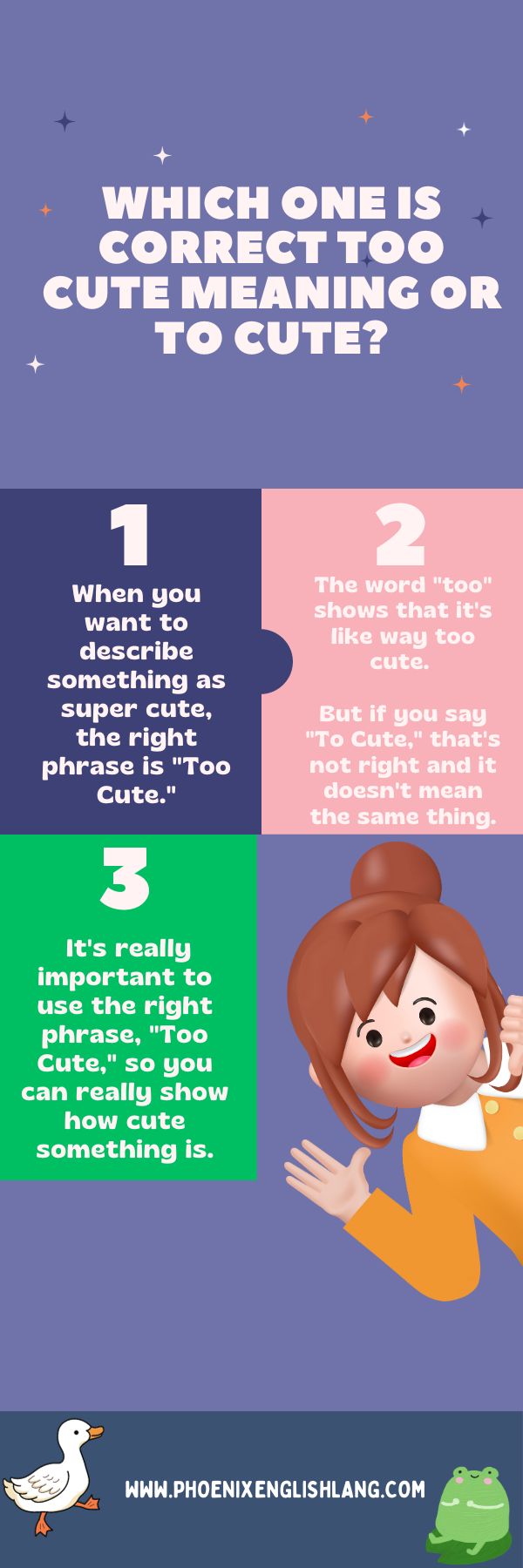
This exploration will delve into the multifaceted nature of cuteness, examining its roots, its application in the digital realm, its impact on brand perception, and even how it can subtly influence our financial decisions. We’ll dissect what makes something inherently appealing, and how this appeal can be leveraged across various domains, from the sleekest gadget to the most relatable personal brand.
The Psychology and Biology of Cuteness: Innate Attraction and Learned Responses
At its core, the concept of “cute” often triggers a positive emotional response. This isn’t entirely accidental. Evolutionary psychology suggests that certain features, often associated with infants and young animals, elicit nurturing and protective instincts. This “baby schema” – characterized by large eyes, round faces, small noses, and a proportionately large head – is believed to be hardwired into our brains, promoting caregiving behavior essential for species survival.
The “Baby Schema” and Our Instincts
Think about the creatures that are almost universally deemed cute: puppies, kittens, babies, pandas. They share these pronounced infantile features. This isn’t just aesthetic appreciation; it’s a biological imperative. When we encounter these characteristics, our brains release oxytocin, often called the “love hormone,” which fosters feelings of warmth, trust, and bonding. This primal response is a powerful driver behind our initial attraction to things we perceive as cute.
However, cuteness isn’t solely dictated by biology. Our cultural experiences and societal norms also play a significant role in shaping what we find appealing. What is considered cute in one culture might not be in another, and our exposure to various media and trends can certainly influence our preferences.
Beyond Biology: Cultural Influences and Contextual Cuteness
As we mature and interact with the world, our understanding of cuteness expands. We learn to associate certain styles, behaviors, and even abstract concepts with positive feelings. This is where the more subjective and learned aspects of cuteness come into play. For instance, a character with a quirky personality, a well-designed user interface that feels intuitive and friendly, or even a brand that communicates with a sense of playfulness can all be perceived as cute, even if they don’t strictly adhere to the infant schema.
This contextual cuteness is crucial. It highlights that while an innate biological predisposition exists, our appreciation for cuteness is also a learned behavior, influenced by our environment, upbringing, and exposure to different forms of media and expression. It’s this blend of instinct and learned perception that makes the concept of cuteness so pervasive and potent.
Cuteness in the Digital Age: From Apps to AI
The digital landscape is a fertile ground for the expression and utilization of cuteness. From the design of our favorite apps and the characters that inhabit our games to the very algorithms that power our online experiences, cuteness plays a significant role in user engagement and overall appeal.
User Interface (UI) and User Experience (UX): The Friendly Digital Frontier
In the realm of technology, cuteness is often strategically employed to enhance user experience. A well-designed app isn’t just functional; it’s often a delight to interact with. This can manifest in several ways:
- App Icons and Branding: Think of instantly recognizable app icons. Many utilize soft shapes, rounded corners, and vibrant, friendly color palettes to convey approachability and ease of use. This visual appeal makes them more memorable and less intimidating for the user.
- Character Design in Games and Software: Many games and even productivity software incorporate charming characters, animated avatars, or playful animations. These elements can make a task feel less arduous, add personality to an otherwise sterile interface, or simply provide a visual reward for progress.
- Microinteractions and Animations: Small, delightful animations that occur when you perform an action – like a button subtly bouncing or a loading bar filling with a playful animation – can inject a sense of cuteness and whimsy into the digital experience, making it more engaging and less frustrating.
- Onboarding Flows: Even the initial onboarding process for new software or apps can be made more inviting through cute illustrations, friendly language, and a step-by-step guide that feels like a helpful companion rather than a daunting manual.
The goal here isn’t just to be visually pleasing; it’s about creating an emotional connection. When a digital product feels “cute,” it often feels more accessible, less intimidating, and ultimately, more enjoyable to use. This can lead to increased user adoption, longer engagement times, and greater customer loyalty.
AI and the Cuteness Factor: Building Trust and Empathy
Artificial intelligence is rapidly integrating into our lives, and the way AI presents itself can significantly impact how we perceive and trust it. Cuteness can be a powerful tool in building this trust:
- AI Companions and Chatbots: As AI companions become more sophisticated, their visual representation and conversational style are often designed to be endearing. Think of AI assistants with friendly voices, customizable avatars, or conversational tones that mimic human empathy and warmth. This “cute” persona can make interactions feel less robotic and more like engaging with a helpful entity.
- AI-Generated Art and Content: The rise of AI-generated art and even creative writing has seen the emergence of styles that are intentionally cute and whimsical. This can be a way to make AI outputs more palatable and appealing to a wider audience.
- Ethical Considerations: While cuteness can foster positive interactions with AI, it’s also important to acknowledge the ethical implications. Over-reliance on cuteness might mask the complexities of AI or create a false sense of security. However, when used judiciously, it can be a valuable element in making AI more approachable and less alienating.
In essence, in the tech world, cuteness is a sophisticated design strategy that leverages our innate psychological responses to create engaging, intuitive, and trustworthy digital experiences.
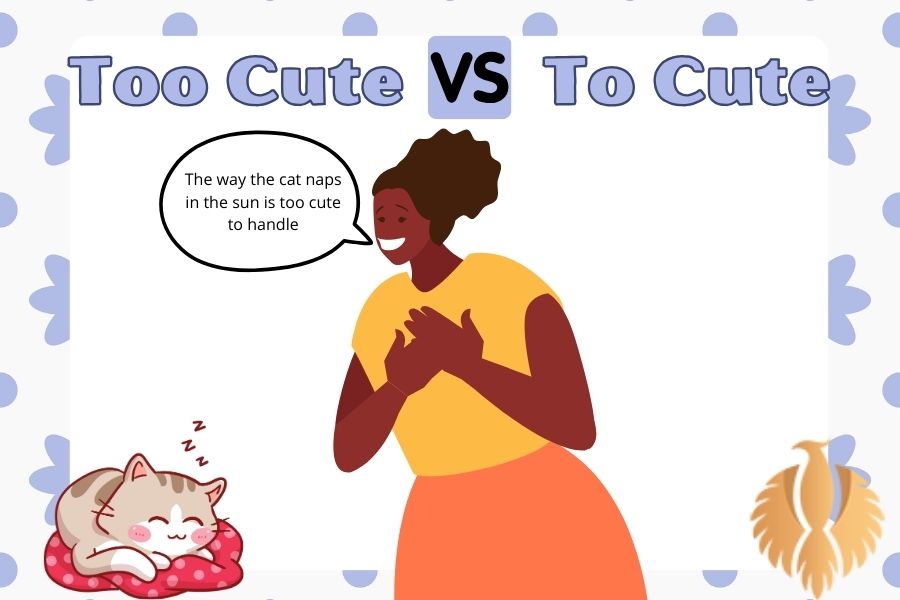
Brand Building and Reputation: The Power of an Endearing Identity
Cuteness is not just about aesthetics; it’s a powerful tool in the arsenal of brand strategy and personal branding. A well-executed touch of cuteness can significantly influence how a brand is perceived, how it connects with its audience, and ultimately, its reputation.
The Charm of Cute Brands: Creating Emotional Connections
Brands that successfully incorporate cuteness into their identity often stand out in a crowded marketplace. This isn’t about being childish; it’s about evoking positive emotions and creating a memorable, relatable persona.
- Logo Design and Visual Identity: Many successful brands utilize elements of cuteness in their logos. Think of rounded shapes, friendly color palettes, or even playful mascots. These visual cues can immediately communicate a brand’s personality – perhaps approachable, innovative, or even whimsical.
- Marketing Campaigns and Storytelling: Cuteness can be a central theme in marketing campaigns. Advertisements featuring adorable characters, heartwarming narratives, or humorous, lighthearted scenarios can resonate deeply with consumers, fostering brand loyalty and positive sentiment.
- Product Design: Beyond the digital realm, product design often incorporates cute elements to enhance appeal. From toys and stationery to even kitchen appliances, a touch of cuteness can make a product more desirable and giftable.
- Customer Service and Communication: Brands that adopt a friendly, approachable tone in their customer service interactions, perhaps using emojis or informal language (where appropriate), can also be perceived as “cute” in their helpfulness. This fosters a sense of genuine connection and makes customers feel valued.
The power of a cute brand lies in its ability to bypass purely rational decision-making and tap into emotional resonance. It creates a feeling of warmth, familiarity, and even affection, which can be incredibly persuasive.
Personal Branding: Cultivating an Approach able Persona
For individuals looking to build a strong personal brand, incorporating elements of cuteness can be a strategic advantage, particularly in certain professions or online spaces.
- Online Presence: On social media platforms, individuals can cultivate a “cute” persona through their choice of profile pictures, the use of playful language, or the sharing of relatable, charming content. This can attract a specific audience and create a sense of approachability.
- Content Creation: Bloggers, YouTubers, and other content creators often use cute elements in their thumbnails, video intros, and on-screen graphics to make their content more inviting and engaging.
- Professional Image: While it’s important to maintain professionalism, a touch of relatable charm or a friendly demeanor can be perceived as a positive attribute, especially in roles that involve public interaction or customer service. This can make individuals seem more trustworthy and likable.
However, it’s crucial to strike a balance. Excessive or inauthentic cuteness can be perceived as unprofessional or insincere. The key is to integrate it naturally and in a way that aligns with the individual’s true personality and brand goals.
In the competitive landscape of brands and personal identities, cuteness serves as a powerful differentiator, fostering emotional connections, enhancing memorability, and ultimately contributing to a positive and lasting reputation.
Cuteness and Money: Subtlety in Financial Appeal
While the association between cuteness and finance might seem unusual at first glance, there are subtle yet significant ways in which “cute” can influence our perception and engagement with money, investing, and financial tools.
Financial Tools and Platforms: Making Money Approachable
The world of finance can often feel intimidating and complex. Cuteness, in its ability to simplify and endear, can play a role in making financial tools and platforms more accessible and less daunting.
- Fintech App Design: Many modern financial apps, particularly those targeting younger demographics, employ design principles that incorporate elements of cuteness. This can include vibrant color schemes, playful illustrations, gamified features (like progress bars or achievement badges), and user-friendly interfaces with rounded corners and intuitive navigation. This design strategy aims to make managing money feel less like a chore and more like an engaging, even enjoyable, activity.
- Educational Content: Financial education platforms often use relatable characters, animated explainer videos, and simplified language to break down complex financial concepts. These “cute” elements make learning about personal finance, investing, or budgeting more palatable for individuals who might otherwise be discouraged by traditional, dry financial literature.
- Saving and Budgeting Tools: Some budgeting apps or savings platforms might incorporate cute visual metaphors or rewards systems to incentivize good financial habits. For example, a savings goal might be represented by a growing plant or a character that gets happier as you save more. This gamification, often infused with cute aesthetics, can encourage consistent engagement.
The underlying principle here is to reduce the perceived barrier to entry. By making financial tools visually appealing and emotionally engaging, companies can encourage wider adoption and empower individuals to take greater control of their finances.
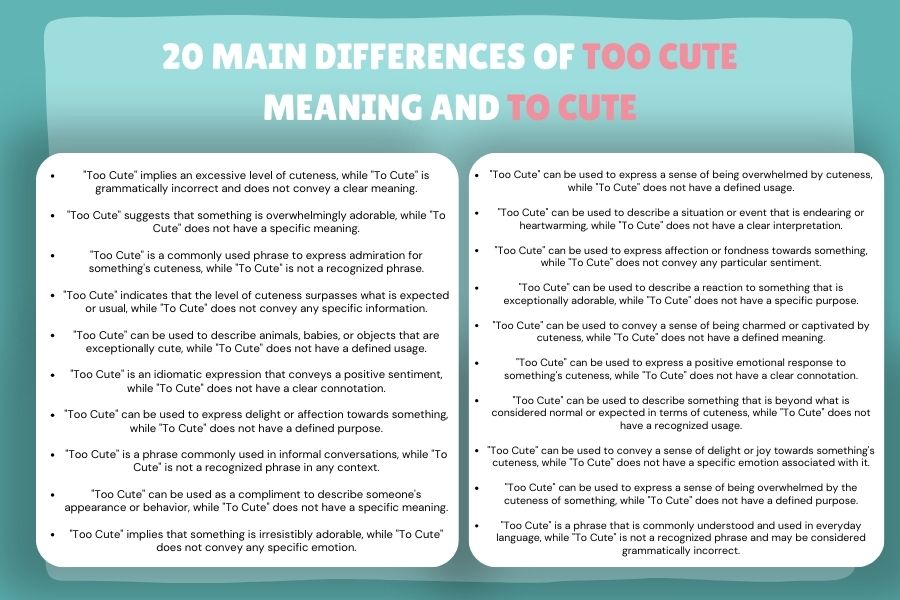
Marketing and Consumer Behavior: The Subtle Influence of Cute
Beyond the direct use of cute in financial platforms, the broader marketing of financial products can also leverage the power of cuteness.
- Investment Advertising: While not always overt, some investment firms or financial advisors might use subtle cues in their advertising – perhaps a friendly illustration or a warm, approachable tone – to convey trustworthiness and a less aggressive, more supportive approach to investing. This can appeal to individuals who are hesitant to dive into the stock market.
- Insurance and Banking: Similarly, insurance and banking institutions might employ cute mascots or characters in their campaigns to create a sense of reliability and friendliness, making these often-perceived necessities feel less like obligations and more like helpful services.
- Online Income and Side Hustles: For those exploring online income opportunities or side hustles, the marketing for courses, tools, or platforms related to these ventures often employs energetic and visually appealing designs that can be perceived as “cute” or fun, making the prospect of earning extra money more attractive.
It’s important to note that in the financial realm, cuteness is rarely the sole selling point. It typically works in conjunction with perceived reliability, security, and tangible benefits. However, when used effectively, cuteness can be a powerful differentiator, helping to build trust, reduce apprehension, and ultimately influence consumer choice in the complex world of personal finance.
In conclusion, the meaning of “cute” extends far beyond superficial charm. It’s a deeply ingrained psychological response, a learned cultural appreciation, and a strategic design element that permeates our digital interactions, shapes our perception of brands, and subtly influences our relationship with money. By understanding the multifaceted nature of cuteness, we gain a richer insight into what makes us feel connected, engaged, and ultimately, drawn to the world around us.
aViewFromTheCave is a participant in the Amazon Services LLC Associates Program, an affiliate advertising program designed to provide a means for sites to earn advertising fees by advertising and linking to Amazon.com. Amazon, the Amazon logo, AmazonSupply, and the AmazonSupply logo are trademarks of Amazon.com, Inc. or its affiliates. As an Amazon Associate we earn affiliate commissions from qualifying purchases.