
In the fast-paced world of technology, the term “broken” is often relegated to the status of a temporary inconvenience—a bug to be patched, a server to be rebooted, or a link to be redirected. However, for those deep in the trenches of software engineering, systems architecture, and product management, “brokenness” carries a far deeper, more structural meaning. To be broken in a technological sense is rarely about a single point of failure; rather, it is a reflection of systemic instability, the accumulation of technical debt, and the erosion of a product’s core integrity.

As we move toward an increasingly digitized society, understanding what it means for technology to be broken is essential for leaders and developers alike. It is the difference between a minor glitch and a catastrophic failure that can devalue a company or alienate a user base.
The Anatomy of a Broken System: Beyond Surface-Level Bugs
When a user encounters an error, they see a symptom. For the technologist, however, being “broken” refers to the underlying pathology. A system isn’t broken because it crashed once; it is broken when it can no longer support the demands placed upon it or when its complexity has outstripped the team’s ability to manage it.
Identifying the Weight of Technical Debt
Technical debt is perhaps the most common reason a system becomes “broken.” It refers to the implied cost of additional rework caused by choosing an easy, short-term solution now instead of using a better approach that would take longer. When a startup is in its “move fast and break things” phase, technical debt is often viewed as a necessary evil. However, when this debt remains unpaid, the system becomes brittle.
A “broken” system in this context is one where the “interest” on that debt has become so high that the team can no longer ship new features. Every new line of code introduces three new bugs. This is a state of structural brokenness where the software is no longer a tool for innovation but a barrier to it.
The Fragility of Modern Interdependence
In the age of microservices and third-party APIs, being “broken” often stems from external dependencies. No piece of software is an island. A modern application might rely on dozens of external libraries, cloud providers, and data streams.
When one of these links fails—or when a “breaking change” is introduced in a dependency—the entire system can cascade into failure. This is known as fragility. A fragile system is “broken” by design because it lacks the redundancy or error-handling capabilities to manage the inevitable volatility of the internet. In this light, “broken” means a lack of resilience.
Why “Broken” Is the New Normal in Software Development
Paradoxically, many of the most successful tech platforms today exist in a state of perpetual brokenness. We have shifted from a “Gold Master” era, where software was shipped on physical discs and had to be perfect, to a “Continuous Delivery” era, where software is updated hourly.
The Pressure of Rapid Deployment
The market demands speed. Investors demand growth. This pressure creates a culture where “broken” is tolerated as long as it is “functional enough.” In many Agile environments, the Minimum Viable Product (MVP) is often just a collection of barely-functioning features held together by “duct-tape code.”
While this allows for rapid market entry, it creates a baseline of brokenness. When we ask what it means to be broken today, it often refers to this state of “good enough.” The danger is that “good enough” eventually hits a ceiling where the architecture can no longer scale, leading to a complete system overhaul that can cost millions and take years.
Legacy Systems and the Weight of the Past
In the enterprise world, “broken” often describes legacy systems—ancient COBOL mainframes or monolithic Java applications that underpin global banking and logistics. These systems are “broken” not because they don’t work, but because they are incompatible with modern security standards, user expectations, and integration needs.
They are “frozen in time.” For a business, having a broken legacy system means being unable to pivot. If your backend takes six months to update a single field, your business model is effectively broken, regardless of how stable the uptime might be.
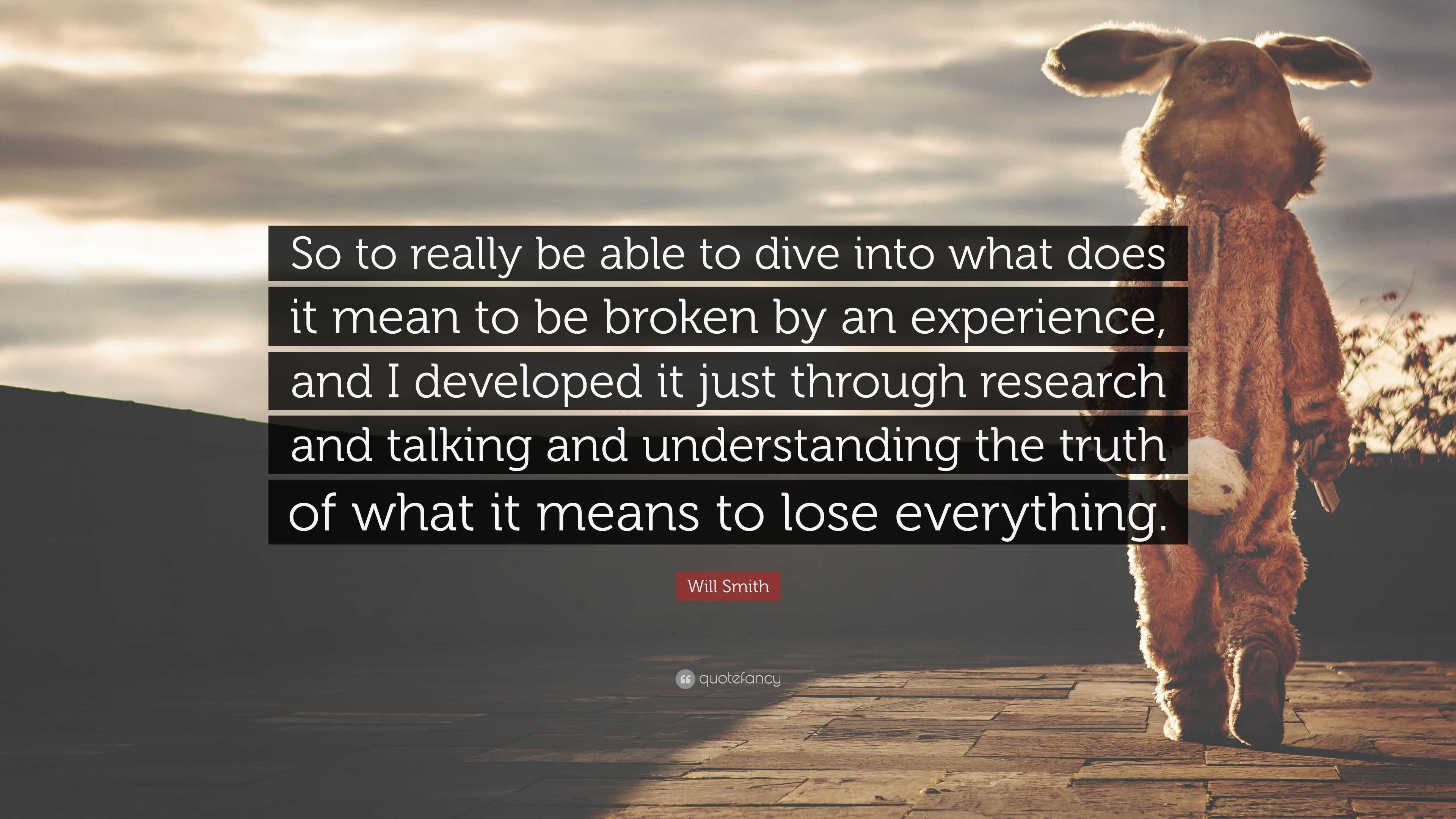
The Human Cost of Broken Tech
We often discuss technology as if it exists in a vacuum of silicon and code, but the reality is that “broken” tech has a profound impact on the people who build and use it.
Developer Burnout and Maintenance Fatigue
There is a specific kind of psychological exhaustion that comes from working on a broken system. When a codebase is “broken”—meaning it is poorly documented, unnecessarily complex, and prone to random failure—developers spend 80% of their time on “toil” (manual, repetitive operational work) and only 20% on innovation.
This leads to burnout. High turnover rates in tech companies are often a direct result of “broken” internal processes and architectures. Engineers want to build; they don’t want to spend their careers patching a sinking ship. When the tech is broken, the culture eventually breaks, too.
User Erosion and the Trust Deficit
From the user’s perspective, “broken” means a breach of the digital contract. Users grant companies their data, time, and money in exchange for a seamless experience. Every time an app freezes, a checkout button fails, or a data breach occurs due to a “broken” security protocol, that trust is eroded.
In the digital economy, trust is the most valuable currency. A “broken” user experience (UX) is more than just an annoyance; it is a brand-killer. Once a user perceives a platform as unreliable or “broken,” the friction required to bring them back is often insurmountable, regardless of how many new features are added later.
Architecting for Resilience: Fixing What is Broken
If being “broken” is an inherent risk of the tech industry, how do we move toward healing and stability? It requires a shift from reactive patching to proactive architecture.
Refactoring as a Strategic Investment
The cure for a system broken by technical debt is refactoring—the process of restructuring existing computer code without changing its external behavior. For many stakeholders, refactoring is a hard sell because it doesn’t result in “new” features. However, it is the only way to fix a broken foundation.
Insightful tech leadership recognizes that refactoring is not a luxury; it is maintenance. Just as a physical bridge requires structural inspections and repairs to prevent collapse, software requires regular refactoring to remain viable. Fixing what is broken means acknowledging that code is a living organism that decays over time if not tended to.
Adopting a Culture of Quality
To prevent systems from becoming broken, organizations must “shift left”—a term in software development that refers to moving testing, security, and quality assurance to the earliest possible stages of the development lifecycle.
A system is less likely to be “broken” if it is built with:
- Automated Testing: Ensuring that new changes don’t break existing functionality.
- Observability: Implementing tools that allow developers to see why something is breaking in real-time before the user does.
- Chaos Engineering: Intentionally breaking parts of the system to see how the rest of it responds, thereby building “muscle memory” for failure.

Conclusion: Embracing Iterative Healing
What does it mean to be broken in technology? It means that the gap between what a system should do and what it can do has become too wide to ignore. It is a state of technical, structural, and often human exhaustion.
However, in the tech world, “broken” is not an end state. Unlike a shattered glass, a broken system can be rebuilt, optimized, and made stronger than it was before. The most resilient systems—the ones that power our world—are not those that never break, but those that are designed to fail gracefully and recover quickly.
To be broken is to be presented with a diagnostic map. It highlights the weaknesses in our logic, the flaws in our priorities, and the limits of our current infrastructure. By understanding the deep-seated causes of technological brokenness, we can move beyond the “patch-work” mentality and begin building a digital future that is not just functional, but truly robust.
aViewFromTheCave is a participant in the Amazon Services LLC Associates Program, an affiliate advertising program designed to provide a means for sites to earn advertising fees by advertising and linking to Amazon.com. Amazon, the Amazon logo, AmazonSupply, and the AmazonSupply logo are trademarks of Amazon.com, Inc. or its affiliates. As an Amazon Associate we earn affiliate commissions from qualifying purchases.