
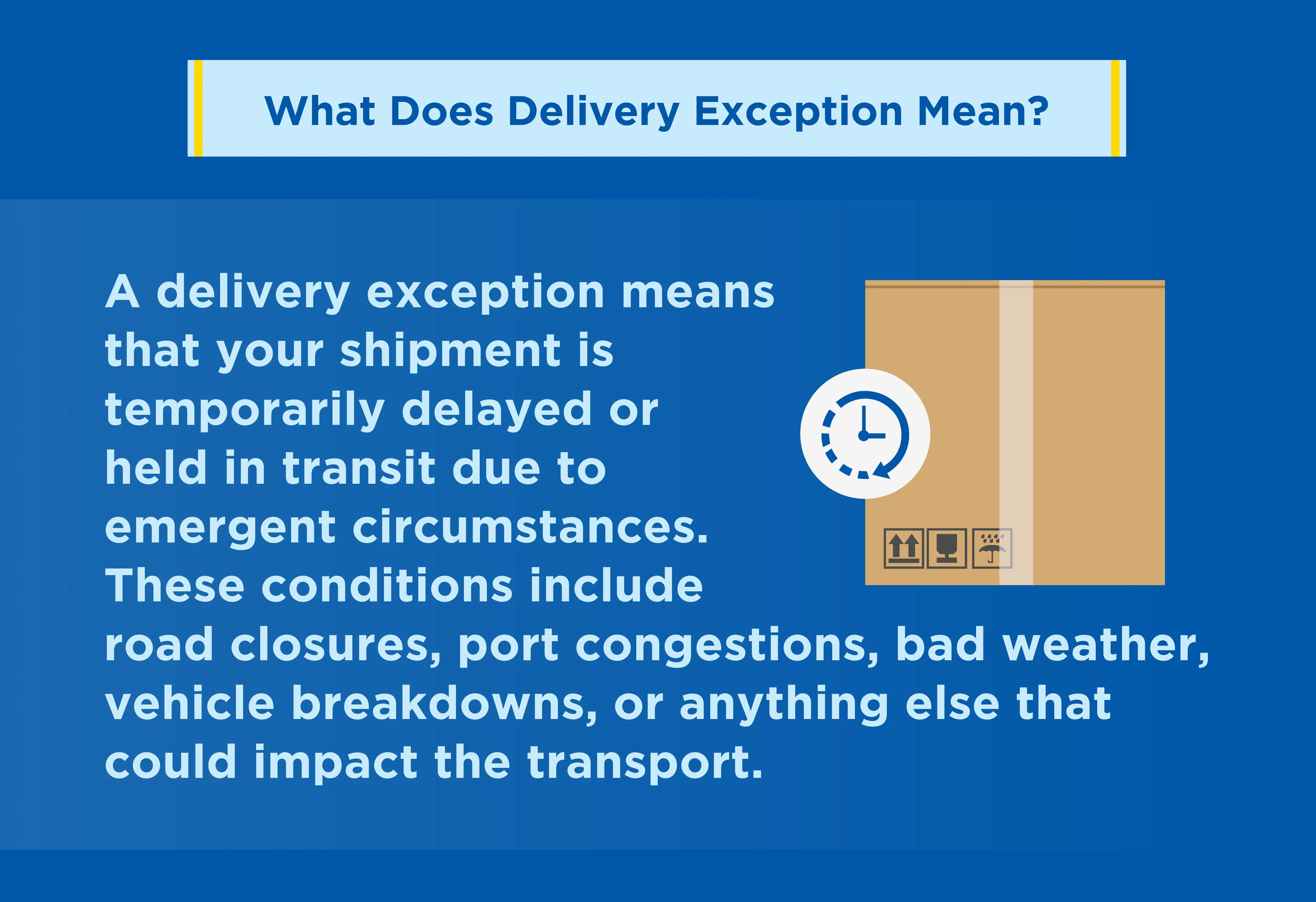
In the realm of e-commerce and supply chain management, the term “delivery exception” can cause a ripple of concern for businesses and consumers alike. It signifies a deviation from the planned or expected delivery schedule, indicating that a package has encountered an unforeseen issue that will likely delay its arrival. Understanding the nuances of delivery exceptions, their common causes, and how to navigate them effectively is crucial for maintaining customer satisfaction, optimizing logistics, and mitigating potential financial losses.
At its core, a delivery exception is a red flag in the tracking system of a shipment. It’s more than just a minor delay; it’s an event that requires attention and often intervention. These exceptions can arise at various points in the supply chain, from the initial pickup by the carrier to the final mile delivery to the customer’s doorstep. Their impact can range from a slight inconvenience to significant disruptions, depending on the nature of the exception and the strategies in place to resolve it.
Understanding the Mechanics of Delivery Exceptions
Delivery exceptions are not random occurrences. They are the result of specific events that impede the normal progression of a shipment. The modern logistics landscape, while highly sophisticated, is susceptible to a multitude of variables, both predictable and unpredictable. Recognizing the underlying mechanisms that trigger these exceptions is the first step towards proactive management.
The Journey of a Package and Potential Roadblocks
A package’s journey from sender to receiver is a complex ballet of interconnected processes. It begins with the order being placed, followed by fulfillment, packaging, and handover to a logistics provider. This provider then undertakes a series of sorting, transportation, and final delivery stages. At each of these junctures, potential roadblocks can emerge:
- Origin and Fulfillment Issues: While not always classified as a carrier “delivery exception,” issues at the origin can lead to delays that are perceived as such. This could include incorrect item picking, packaging errors, or a delay in the item being ready for pickup by the carrier. Inaccurate or incomplete shipping labels can also lead to the package being misrouted from the outset.
- Carrier Network Disruptions: The vast networks operated by shipping carriers are susceptible to a wide array of disruptions. These can include:
- Weather Events: Severe weather conditions such as hurricanes, blizzards, floods, or extreme heat can render certain transportation routes impassable, leading to widespread delays.
- Natural Disasters: Earthquakes, wildfires, and volcanic eruptions can disrupt transportation infrastructure and pose safety risks, forcing carriers to reroute or temporarily halt operations.
- Mechanical Failures: Aircraft malfunctions, truck breakdowns, or issues with sorting machinery at distribution centers can create bottlenecks and delays.
- Labor Disputes: Strikes or industrial action by logistics personnel can significantly impact delivery schedules.
- Traffic Congestion and Road Closures: Unforeseen traffic jams, accidents, or planned road maintenance can add significant time to transit.
- Sorting and Handling Errors: Human error or system glitches during the sorting process at distribution hubs can lead to a package being misrouted to the wrong destination or being incorrectly scanned, creating an exception in its tracking.
- Customs and Border Issues: For international shipments, customs clearance can be a significant source of delays. This can occur due to incomplete or incorrect documentation, inspection requirements, or regulatory changes.
- Address and Delivery Errors: This is a common category of delivery exceptions. It can include:
- Incorrect or Incomplete Address: Typos in street names, incorrect zip codes, missing apartment numbers, or ambiguous directions can prevent the delivery driver from locating the intended recipient.
- Recipient Not Available: If a signature is required and the recipient is not home, or if the delivery location is inaccessible due to security measures or gated communities, the package may be returned to a depot or an attempt will be made on a subsequent day.
- Failed Delivery Attempt: In some cases, the delivery driver may encounter obstacles such as a locked gate, a barking dog, or a lack of safe place to leave the package, leading to a failed delivery attempt.
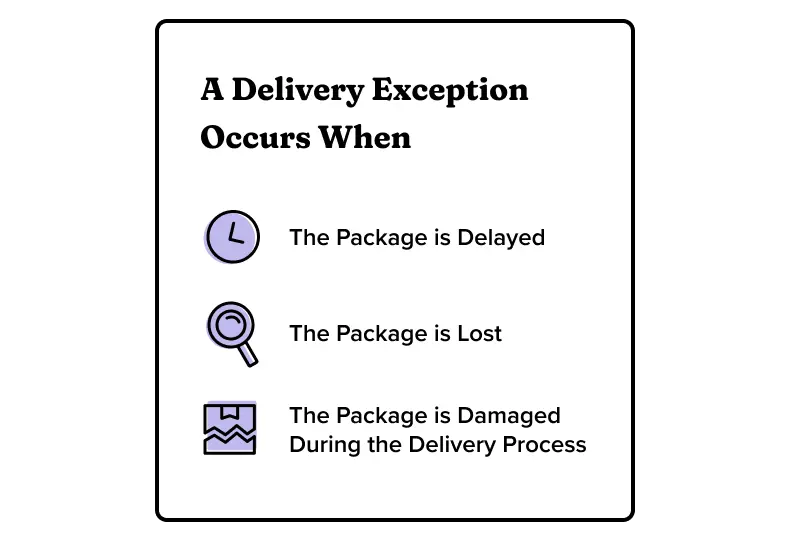
- Lost or Damaged Packages: While not strictly a “delivery exception” in the sense of a scheduled event, a lost or damaged package fundamentally disrupts the expected delivery. This can occur due to mishandling during transit, insufficient packaging, or theft.
Common Types of Delivery Exceptions and Their Implications
The term “delivery exception” is an umbrella term that encompasses a variety of specific issues. Each type of exception carries its own set of implications for both the sender and the recipient, and often necessitates different resolution strategies.
Categorizing the Disruptions
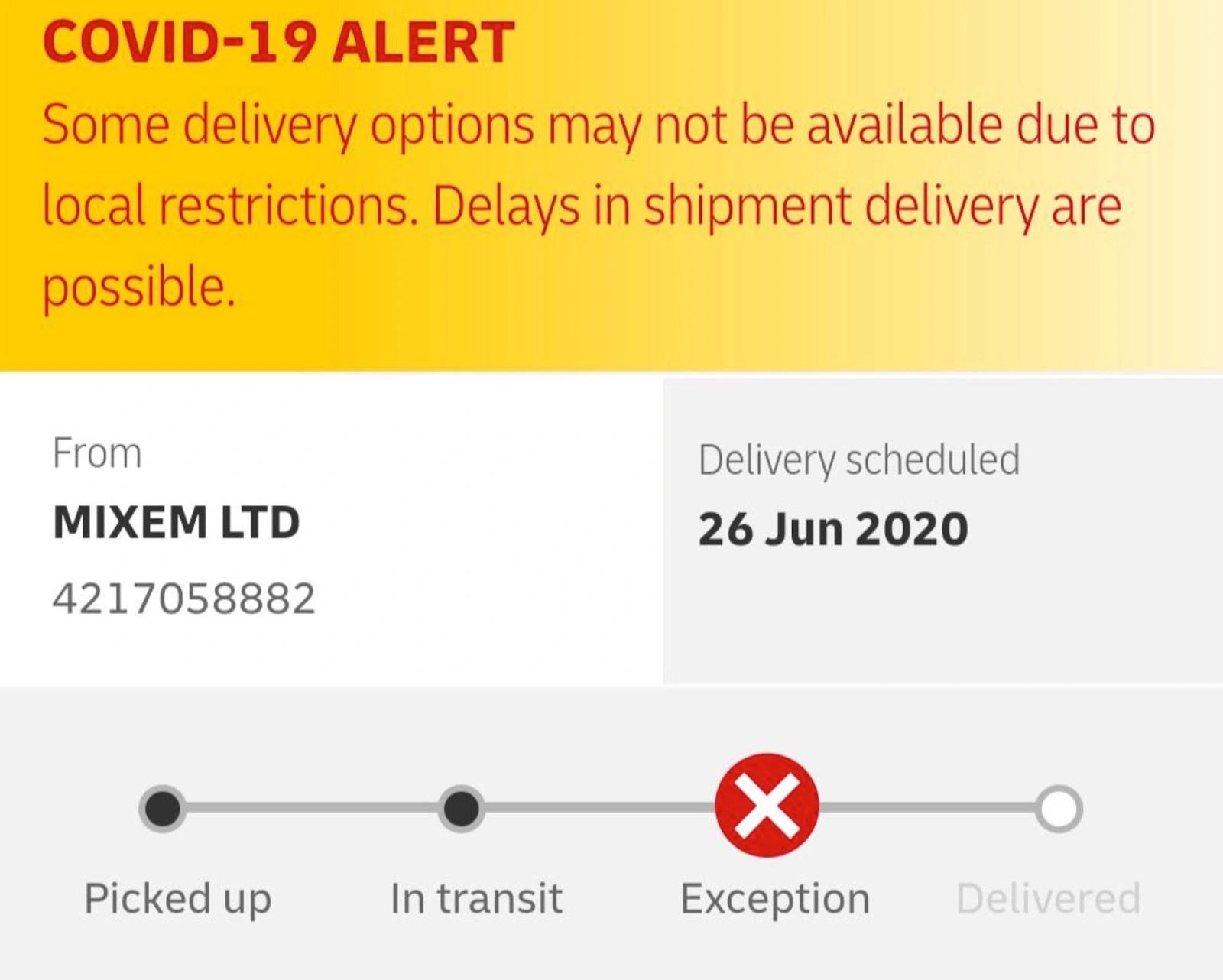
While the specific terminology can vary slightly between different logistics providers, delivery exceptions can generally be grouped into several common categories:
- Address Correction/Notification: This exception is triggered when the carrier identifies an issue with the provided shipping address. They may attempt to correct it if possible or contact the sender/recipient for clarification. The implication is an immediate delay as the address is verified and potentially updated.
- Held at Location: This can occur for several reasons, such as customs delays, the need for recipient pickup at a post office or distribution center, or if the package is being held for further processing or investigation. The implication is that the recipient will need to take action or wait for the carrier to resolve the holding issue.
- Undeliverable as Addressed: This is a more serious exception, indicating that the address is fundamentally incorrect or the recipient cannot be located even with reasonable effort. The package is often returned to the sender. The implication is a significant delay and potential costs associated with rerouting or returning the item.
- Weather Delay: As mentioned earlier, adverse weather conditions can halt transportation, leading to this common exception. The implication is a temporary pause in the delivery progress until conditions improve.
- Stuck in Transit/Delayed: This is a broad category that signifies a package has not moved within the expected timeframe during its transit. It can be a symptom of various underlying issues, from network congestion to a lost scan. The implication is uncertainty and the need for investigation.
- Delivery Attempted, Not Completed: This exception occurs when the carrier attempts to deliver the package but is unsuccessful due to reasons like the recipient not being present, access issues, or safety concerns. The implication is that a second attempt will likely be made, or the package will be available for pickup.
- Package Damaged: This exception signals that the package has sustained physical damage during transit. This often leads to the package being pulled from its delivery route for inspection or disposal, and a claim may need to be initiated.
The implication of any delivery exception is a deviation from the promised delivery date, which can lead to customer frustration, negative reviews, and increased customer service overhead for businesses. For the sender, it can also mean additional shipping costs for redelivery or returns, and potential loss of revenue if the delay impacts sales or leads to cancelled orders.
Navigating and Resolving Delivery Exceptions
The ability to effectively manage and resolve delivery exceptions is a hallmark of efficient logistics operations and a key differentiator for customer-centric businesses. It requires a proactive approach, clear communication, and well-defined processes.
Strategies for Minimizing and Managing Disruptions
Addressing delivery exceptions effectively involves a multi-pronged strategy that focuses on prevention, swift identification, and efficient resolution.
-
Proactive Prevention: The most effective way to deal with delivery exceptions is to prevent them from occurring in the first place. This involves:
- Accurate Address Verification: Implementing robust address validation tools at the point of sale can significantly reduce errors. This technology can check for completeness, correct formatting, and even suggest corrections for common typos.
- Clear Packaging Standards: Ensuring that packages are adequately protected and clearly labeled with durable, scannable labels minimizes the risk of damage and misrouting.
- Robust Carrier Partnerships: Collaborating with reliable logistics providers who have a proven track record and transparent tracking systems is essential. Understanding their operational strengths and limitations helps in setting realistic delivery expectations.
- Optimized Fulfillment Processes: Streamlining internal fulfillment operations to ensure timely order processing and accurate picking and packing reduces the chances of delays originating from the sender’s end.
-
Swift Identification and Monitoring: Once a shipment is in transit, continuous monitoring of tracking information is crucial.
- Automated Alerts: Many shipping platforms offer automated alerts for delivery exceptions, notifying businesses immediately when a problem arises. This allows for rapid response.
- Dedicated Logistics Teams: For businesses handling a high volume of shipments, having a dedicated team responsible for monitoring tracking and addressing exceptions can be invaluable.
-
Efficient Resolution Processes: When an exception does occur, a structured approach to resolution is key:
- Immediate Investigation: Upon receiving an exception alert, the first step is to investigate the specific cause. This might involve contacting the carrier for more details or reviewing the shipment’s tracking history.
- Customer Communication: Transparency and proactive communication with the customer are paramount. Informing the customer about the exception, the reason for the delay, and the estimated new delivery time can manage expectations and mitigate dissatisfaction. Offering solutions, such as a discount on a future purchase or expedited shipping on their next order, can further help in retaining customer loyalty.
- Carrier Liaison: Working closely with the shipping carrier to expedite the resolution process is critical. This may involve providing additional information, authorizing rerouting, or initiating a trace for lost packages.
- Contingency Planning: Having established contingency plans for common exception types can streamline the resolution process. For example, knowing the procedure for rerouting a package, initiating a lost package claim, or arranging for a redelivery.
- Data Analysis and Continuous Improvement: Regularly analyzing the types of delivery exceptions encountered, their frequency, and their root causes can provide valuable insights for process improvement. This data can inform decisions about carrier selection, packaging improvements, and address validation strategies, ultimately leading to a more robust and reliable delivery process.
By embracing these strategies, businesses can transform the challenge of delivery exceptions from a source of customer frustration into an opportunity to demonstrate operational excellence and build lasting customer trust. The ability to anticipate, manage, and resolve these unforeseen events is a critical component of success in today’s competitive e-commerce landscape.
aViewFromTheCave is a participant in the Amazon Services LLC Associates Program, an affiliate advertising program designed to provide a means for sites to earn advertising fees by advertising and linking to Amazon.com. Amazon, the Amazon logo, AmazonSupply, and the AmazonSupply logo are trademarks of Amazon.com, Inc. or its affiliates. As an Amazon Associate we earn affiliate commissions from qualifying purchases.