
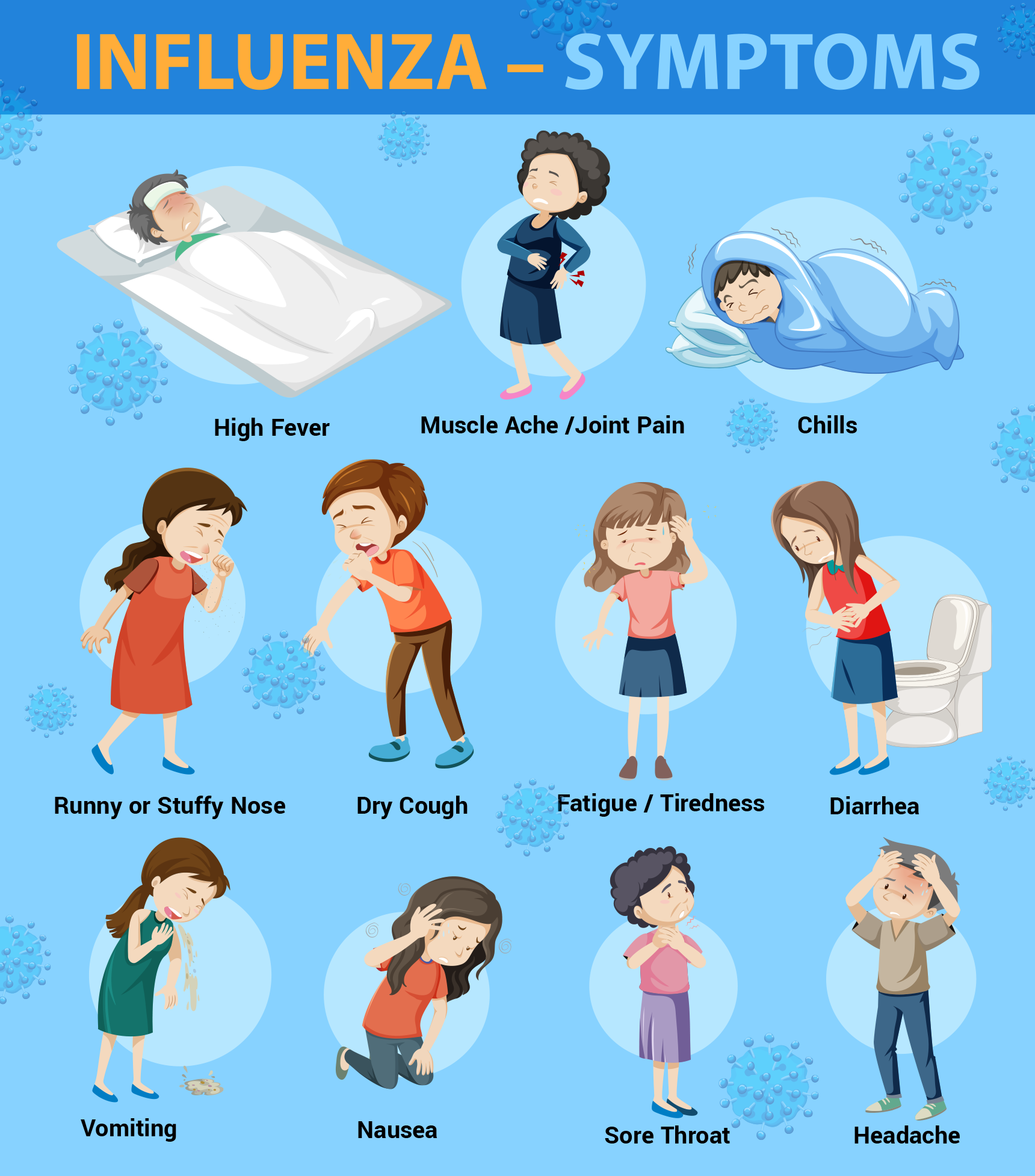
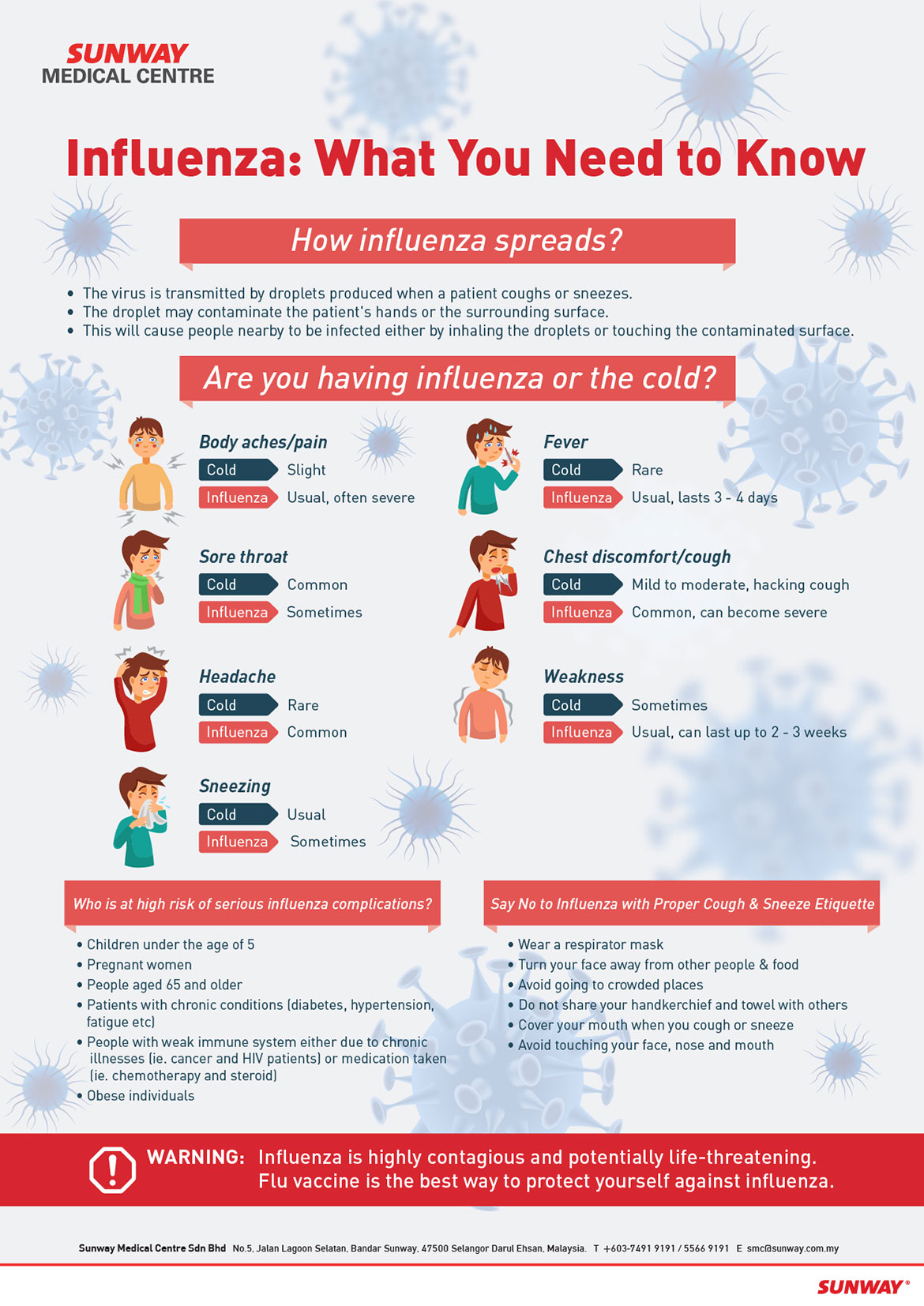
When we ask “what does influenza mean,” our minds typically turn to its medical definition: a highly contagious viral infection that attacks the respiratory system, causing symptoms ranging from fever and body aches to severe pneumonia. While understanding the clinical aspects is crucial for personal health, the true meaning of influenza extends far beyond the realm of medicine. It carries a profound and often underestimated financial significance, impacting individuals, businesses, and entire economies on a global scale.
This article delves into what influenza truly means from a financial perspective. We will explore the tangible and intangible costs it imposes, the systemic strains it creates, and the critical strategies for financial preparedness and resilience. By understanding influenza through the lens of money, we can better appreciate its broader implications and empower ourselves with the knowledge to mitigate its economic fallout.

The Personal Financial Burden of Influenza
For the individual and their household, a bout of influenza can be more than just physically debilitating; it can be a significant drain on personal finances. The costs accumulate through various direct and indirect avenues, often striking when a family is least prepared.
Direct Medical Costs: From Co-pays to Hospital Stays
The immediate and most apparent financial impact of influenza comes from direct medical expenses. Even for routine cases, these can quickly add up. A trip to the doctor or urgent care center to confirm a diagnosis, especially in systems with co-pays or deductibles, incurs an initial cost. Prescriptions for antiviral medications, if prescribed, and over-the-counter remedies like pain relievers, fever reducers, and cough suppressants further contribute to the bill. Diagnostic tests, such as rapid flu tests, also carry a price tag.
However, the financial burden escalates dramatically in more severe cases. Influenza can lead to complications such as bacterial pneumonia, myocarditis, or encephalitis, necessitating emergency room visits, extended hospital stays, or even intensive care. For individuals without robust health insurance, or those with high deductibles that haven’t been met, these scenarios can quickly lead to crippling medical debt. Even with good insurance, out-of-pocket maximums can still be substantial, emptying savings accounts or forcing difficult financial choices. The recovery period may also involve follow-up appointments, physical therapy, or additional medications, prolonging the financial strain long after the initial infection has passed.
Indirect Costs: Lost Wages and Productivity
Beyond the direct medical expenses, influenza inflicts a heavy toll through lost income and reduced productivity. When an individual is too ill to work, they face the immediate reality of lost wages. This is particularly impactful for hourly wage earners, freelancers, or small business owners who do not have paid sick leave or a steady salary to fall back on. Even salaried employees, depending on their company’s policies, might exhaust their sick leave and face unpaid days off, or accrue negative balances that affect future leave.
The impact isn’t limited to complete absenteeism. Even when attempting to work from home during recovery, or returning to the office while not fully recovered, an individual’s productivity is significantly diminished. This “presenteeism”—being physically present but not fully functional—can lead to missed deadlines, errors, and a general drag on performance. Over time, repeated or prolonged absences due to illness can even impact career progression, promotion opportunities, or performance reviews, leading to longer-term financial implications. For those running their own businesses, lost workdays translate directly into lost revenue and potentially damaged client relationships.
The Hidden Costs of Caregiving and Recovery
The ripple effect of influenza often extends beyond the sick individual to their caregivers. Parents caring for sick children or adults caring for elderly or vulnerable family members may also need to take time off work, incurring their own lost wages. This double burden—dealing with a sick family member while simultaneously sacrificing income—can be particularly challenging for single-income households or families with tight budgets.
Furthermore, there are myriad “hidden” costs associated with recovery and managing illness at home. These can include increased utility bills from running heating or air conditioning more frequently, expenses for special comfort foods or dietary supplements, and additional cleaning supplies to prevent further spread. The mental and emotional toll of dealing with a severe illness, either personally or as a caregiver, can also be significant. While not directly financial, the stress can lead to decreased work performance, relationship strain, and, in some cases, necessitate professional psychological support, adding another layer of expense. These often-overlooked costs underscore the pervasive financial reach of influenza within the household.
Influenza’s Broader Economic Impact
The financial ripples of influenza extend far beyond individual households, impacting entire sectors of the economy and national budgets. When a significant portion of the workforce is affected, or when public health systems become overwhelmed, the aggregate effect can be substantial.
Strain on Healthcare Systems and National Budgets
Widespread influenza outbreaks place immense pressure on healthcare systems. Hospitals experience surges in patient admissions, particularly in emergency rooms and intensive care units, leading to overcrowding and staffing shortages. This necessitates increased spending on temporary staff, overtime pay, medical supplies, and equipment. National and regional governments often bear a significant portion of these costs, diverting funds from other public services or increasing healthcare budgets.
Beyond direct patient care, governments invest heavily in public health initiatives aimed at mitigating influenza. This includes funding for disease surveillance programs, vaccine procurement and distribution campaigns, and public awareness campaigns. While these are critical preventative measures, they represent a substantial line item in national budgets. The opportunity cost is also significant: resources and personnel diverted to manage flu outbreaks could otherwise be allocated to addressing other pressing health issues or contributing to long-term economic development. The financial resilience of a nation’s healthcare infrastructure is severely tested during widespread influenza seasons, highlighting the economic imperative of robust public health investment.
Business Losses and Supply Chain Disruptions
Businesses, from small local shops to multinational corporations, face significant losses during severe influenza seasons. Absenteeism among employees directly impacts productivity, manufacturing output, and service delivery. Industries reliant on direct customer interaction, such as retail, hospitality, and entertainment, often experience a sharp decline in revenue as people reduce social outings and avoid crowded places. This can lead to reduced sales, temporary closures, and even job losses if prolonged.
Beyond individual businesses, widespread illness can trigger disruptions across complex supply chains. Manufacturing plants may slow or halt production due to a lack of available workers. Transportation networks, from trucking to shipping, can be affected by sick drivers or port workers, leading to delays in the movement of goods. Such disruptions can cascade through various industries, causing shortages of critical components or finished products, increasing costs, and impacting global trade. Small and medium-sized enterprises (SMEs) are particularly vulnerable, often lacking the financial reserves or diversified supply chains to weather these downturns.
Macroeconomic Effects: GDP, Tourism, and Trade
On a macroeconomic level, the cumulative impact of influenza can be measured in terms of reduced Gross Domestic Product (GDP). Decreased labor productivity, lower consumer spending, and business losses collectively contribute to a slowdown in economic growth. Historical analyses of past pandemics, including severe influenza outbreaks, consistently demonstrate a measurable drag on national economies.
The tourism industry is exceptionally susceptible to influenza outbreaks. Fears of contagion, coupled with potential travel restrictions or advisories, can lead to a dramatic drop in international and domestic travel. Airlines, hotels, restaurants, and entertainment venues suffer significant revenue losses, impacting employment in these sectors. International trade can also be affected, not just by supply chain disruptions but by reduced demand for goods and services in impacted regions, or by trade barriers implemented to control the spread of disease. Investor sentiment can also turn negative during severe outbreaks, leading to stock market volatility and a general climate of economic uncertainty, further dampening growth prospects.
Financial Preparedness and Mitigation Strategies
Understanding the financial risks posed by influenza is the first step; the next is implementing strategies to build financial resilience at both personal and systemic levels. Proactive planning can significantly reduce the economic fallout of future outbreaks.
Personal Financial Resilience: Insurance and Emergency Funds
For individuals, robust financial planning is paramount. The cornerstone of personal financial resilience against health crises like influenza is comprehensive health insurance. Adequate coverage helps absorb the shock of direct medical costs, significantly reducing out-of-pocket expenses for doctor visits, medications, and potential hospital stays. Understanding one’s policy—deductibles, co-pays, and out-of-pocket maximums—is crucial to anticipating potential financial exposure.
Equally vital is building and maintaining a strong emergency fund. Financial advisors typically recommend having three to six months’ worth of living expenses saved in an easily accessible account. This fund acts as a critical buffer against lost wages due to illness, unexpected caregiving responsibilities, or unforeseen medical bills not covered by insurance. For those in professions without paid sick leave, or with volatile incomes, a larger emergency fund may be advisable. Additionally, considering supplemental insurance, such as short-term disability insurance, can provide a safety net for prolonged periods of incapacitation.
Business Continuity Planning for Flu Season and Beyond
Businesses must develop comprehensive continuity plans to safeguard their operations and financial health during influenza outbreaks. This includes implementing robust sick leave policies that encourage employees to stay home when ill, thereby preventing further spread and reducing overall workforce disruption. Investing in technology to enable remote work capabilities is also essential, allowing operations to continue even if physical workplaces are inaccessible or employees need to isolate.
Cross-training employees for critical roles ensures that essential functions can be maintained even if key personnel are absent. Diversifying supply chains and building inventory buffers can mitigate the impact of external disruptions. Financially, businesses should maintain adequate cash reserves or establish lines of credit to cover operational costs during periods of reduced revenue. Promoting employee vaccination programs, often at no cost to staff, is also a highly effective preventative measure, reducing both the incidence and severity of influenza within the workforce, and demonstrating a commitment to employee well-being.
Investing in Public Health as an Economic Imperative
At the societal level, consistent and substantial investment in public health infrastructure is not merely a social good; it is a vital economic imperative. Governments must prioritize funding for robust disease surveillance systems that can rapidly detect and track influenza strains, enabling early warnings and targeted responses. Investment in vaccine research and development, as well as the capacity for swift vaccine production and equitable distribution, offers an enormous return on investment by preventing illness, hospitalization, and death.
Public health campaigns that educate the populace on hygiene, vaccination benefits, and symptom recognition contribute to a more resilient society. International cooperation in pandemic preparedness and response is also critical, as pathogens do not respect national borders. Viewing public health spending as an investment—rather than merely an expense—allows societies to mitigate the devastating economic consequences of outbreaks, protect their workforces, stabilize markets, and foster long-term economic stability and growth.
Learning from History: Economic Lessons from Past Pandemics
To truly grasp what influenza means financially, we must look to history. Past pandemics, particularly those involving influenza viruses, offer stark warnings and invaluable lessons about the interconnectedness of public health and economic well-being.
Echoes of the 1918 Spanish Flu and Recent Pandemics
The 1918 Spanish Flu pandemic stands as a sobering historical benchmark. While often remembered for its staggering death toll, its economic impact was equally profound. Beyond the direct costs of illness and death, the pandemic led to severe labor shortages, disruptions in manufacturing and agriculture, and a sharp decline in economic activity. Businesses closed, trade slowed, and public services faltered. Studies have shown that regions hit harder by the 1918 flu experienced more severe and prolonged economic contractions. The pandemic illustrated that widespread illness can trigger a cascade of economic vulnerabilities that go far beyond medical expenses.
More recent outbreaks, such as SARS, MERS, H1N1, and most significantly, COVID-19, have reinforced these lessons. While not all were influenza viruses, they highlighted shared economic vulnerabilities: the fragility of global supply chains, the impact of travel restrictions on tourism, the burden on healthcare systems, and the profound effects on consumer behavior and employment. The development of financial instruments like “pandemic bonds” reflects a growing global awareness of the need for dedicated financial resources and strategies to address such crises.
The Cost of Inaction vs. Proactive Investment
One of the most critical lessons from history is the immense cost of inaction versus the long-term financial benefits of proactive investment in pandemic preparedness. Delays in response, underinvestment in public health, and insufficient stockpiles of essential supplies invariably lead to higher economic costs down the line. The economic toll of widespread lockdowns, overwhelmed hospitals, and lost productivity far outweighs the upfront investment required for early detection systems, vaccine research, and robust public health infrastructure.
Quantifying the economic benefits of vaccination campaigns, for instance, consistently shows a substantial return on investment through averted healthcare costs, preserved productivity, and reduced societal disruption. The ability to rapidly develop, manufacture, and distribute effective vaccines and treatments not only saves lives but also safeguards economies. History teaches us that viewing health as a cornerstone of wealth, and investing in it accordingly, is not just a moral imperative but a fundamental principle of sound financial governance. The health of a nation’s people directly translates to the health of its economy.
Conclusion
When we ask “what does influenza mean,” the answer extends far beyond a clinical definition. It means a direct and indirect assault on personal finances, from mounting medical bills to lost wages and caregiving burdens. It means significant strains on national healthcare budgets and disruptions to businesses and global supply chains. It means a measurable drag on macroeconomic indicators like GDP, tourism, and trade.
Understanding the multifaceted financial implications of influenza is not merely an academic exercise; it is an essential step towards building a more resilient financial future. By prioritizing personal financial preparedness through robust insurance and emergency savings, by implementing comprehensive business continuity plans, and by making sustained investments in public health infrastructure, we can collectively mitigate the profound economic fallout of influenza and other widespread illnesses. In doing so, we recognize that health investments are, in fact, fundamental economic investments, paving the way for a more stable and prosperous world.
aViewFromTheCave is a participant in the Amazon Services LLC Associates Program, an affiliate advertising program designed to provide a means for sites to earn advertising fees by advertising and linking to Amazon.com. Amazon, the Amazon logo, AmazonSupply, and the AmazonSupply logo are trademarks of Amazon.com, Inc. or its affiliates. As an Amazon Associate we earn affiliate commissions from qualifying purchases.