
The automotive landscape is increasingly defined by sophisticated electronics, and at the heart of many of these systems lies the Body Control Module (BCM). While often an unsung hero, the BCM is a critical component that orchestrates a vast array of functions related to a vehicle’s comfort, convenience, and safety. Far from being a simple switchboard, it’s a powerful microcontroller responsible for interpreting inputs from various sensors and switches, processing this information, and then commanding actuators to perform specific actions. This article will delve into the intricate workings of a BCM, exploring its primary responsibilities, the technology that underpins its operation, and the impact it has on the modern driving experience.
The Central Nervous System of Vehicle Electronics
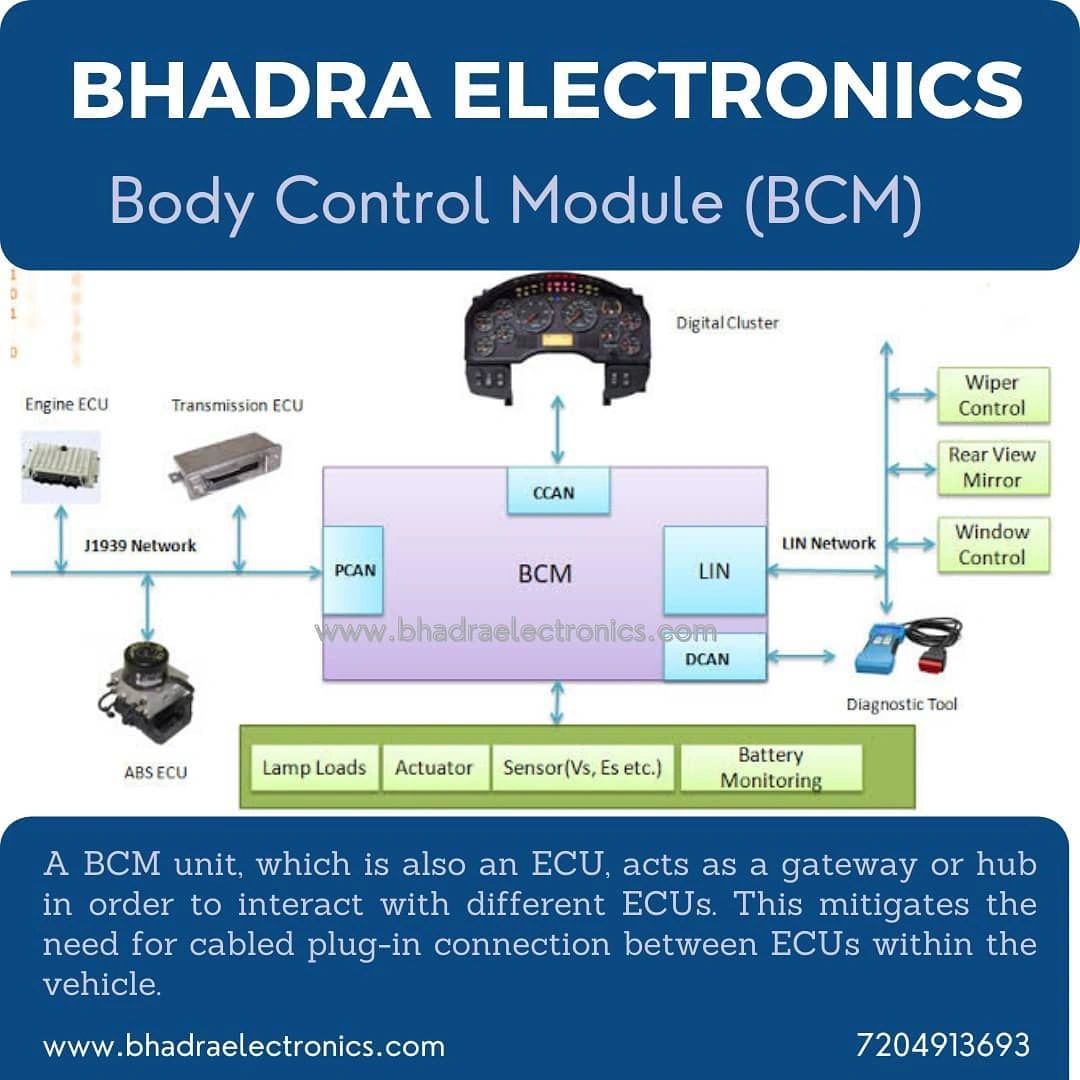
The BCM acts as the central hub for numerous electrical systems within a vehicle. Imagine it as the vehicle’s nervous system, receiving signals from the “sensory organs” (switches, sensors, key fobs) and relaying commands to the “muscles” (motors, lights, solenoids). Its location varies by manufacturer but is typically found within the dashboard, under the steering column, or in the passenger compartment. Modern vehicles can have multiple BCMs, each specialized for certain functions, but the core principle of centralized control remains. The BCM’s primary role is to manage and integrate these diverse electrical systems, ensuring they operate harmoniously and efficiently.
Input Processing: The BCM Listens to the Vehicle
The BCM’s initial and ongoing task is to continuously monitor and process inputs from a multitude of sources. These inputs provide the BCM with the information it needs to make decisions and execute commands.
Switches and Buttons: User Intentions Interpreted
A significant portion of the BCM’s input comes from the various switches and buttons that drivers and passengers interact with daily. This includes:
- Door Lock/Unlock Switches: When you press the lock or unlock button on your door panel or key fob, the signal is sent to the BCM.
- Window Switches: Lowering or raising power windows involves the BCM receiving input from these switches and then controlling the window motors.
- Interior Light Switches: Turning on dome lights, reading lights, or even activating courtesy lights when a door is opened falls under the BCM’s purview.
- Ignition Switch/Start Button: The BCM plays a crucial role in the starting sequence, verifying the key fob’s presence (in keyless entry systems) and signaling the starter motor.
- Climate Control Buttons: While the climate control head unit might have its own processor, the BCM often receives commands for fan speed, temperature settings, and air recirculation, then relays them to the appropriate actuators.
- Steering Wheel Controls: Buttons for audio, cruise control, and infotainment systems send their signals to the BCM for processing and forwarding to their respective systems.
Sensors: The Eyes and Ears of the BCM
Beyond user-initiated commands, the BCM also relies on a network of sensors to gather environmental data and system status.
- Door Ajar Sensors: These sensors detect if a door is not fully closed, informing the BCM to illuminate the interior lights and potentially trigger a warning on the dashboard.
- Hood and Trunk Sensors: Similar to door sensors, these inform the BCM if the hood or trunk is open, critical for security and preventing accidental openings.
- Rain Sensors: In vehicles equipped with automatic wipers, the rain sensor detects precipitation and signals the BCM to activate the wipers at an appropriate speed.
- Light Sensors: For automatic headlights, a light sensor detects ambient light levels and signals the BCM to turn the headlights on or off.
- Ambient Temperature Sensors: The BCM uses this data to inform the climate control system and can also display the outside temperature on the instrument cluster.
- Vehicle Speed Sensors: Crucial for various functions, including automatic door locking at speed, controlling interior light dimming, and sometimes even for cruise control initiation.
Keyless Entry and Immobilizer Systems: Security Gatekeeper
The BCM is intrinsically linked to the vehicle’s security systems, particularly keyless entry and immobilizer functions. It receives signals from the key fob, verifies its authenticity, and then communicates with other modules to unlock doors, disarm the alarm, and allow the engine to start. Without proper BCM programming and communication with the immobilizer module, the vehicle will not start, even with the correct key.
Output Control: The BCM Commands the Vehicle
Once the BCM has processed the incoming information, it then takes action by sending commands to various actuators, bringing the vehicle’s systems to life.
Lighting Systems: Illuminating the Way
One of the most visible functions managed by the BCM is the control of the vehicle’s lighting.
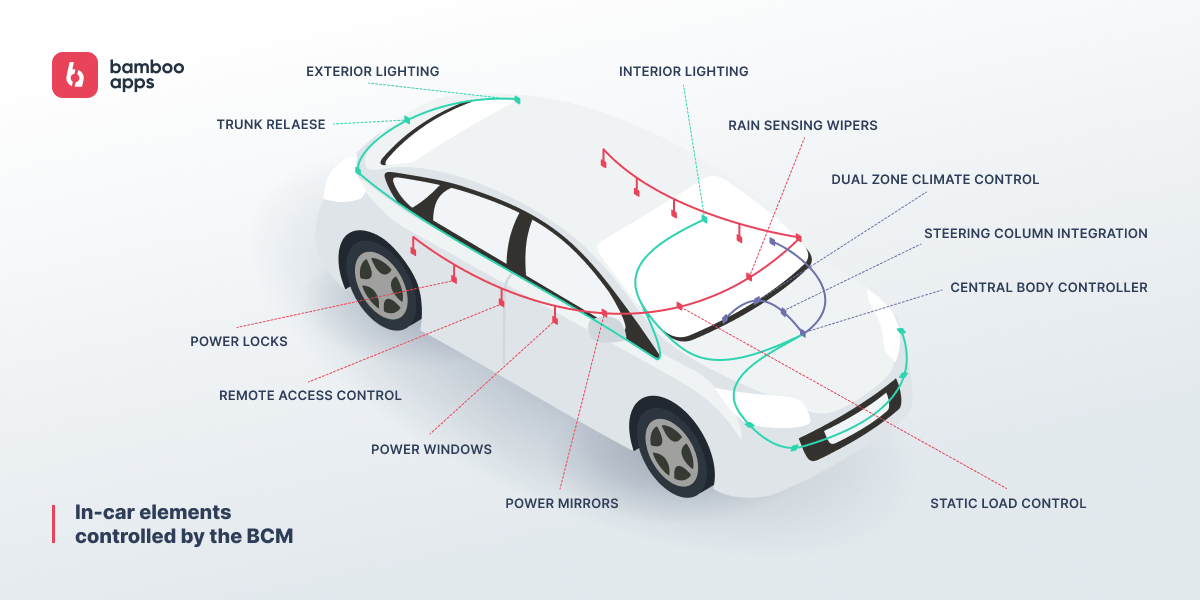
- Interior Lighting: This includes dome lights, map lights, vanity mirror lights, and footwell lighting. The BCM controls their activation based on door openings, ignition status, and user input.
- Exterior Lighting: The BCM manages headlights (low and high beam), taillights, brake lights, turn signals, hazard lights, and even ambient exterior lighting like puddle lights. It ensures these lights function correctly and respond to driver inputs or automatic conditions (like headlights activating at dusk).
- Daytime Running Lights (DRLs): Many modern vehicles utilize DRLs, and the BCM is responsible for their activation and deactivation based on vehicle status and ambient light.
Power Windows and Sunroof: Convenience Features
The BCM plays a pivotal role in the operation of power windows and sunroofs. It interprets the signals from the window switches, including the “auto-up” and “auto-down” functions, and precisely controls the electric motors to move the glass to the desired position. It also handles safety features like anti-pinch, where the BCM detects resistance and reverses the window’s movement to prevent injury or damage.
Central Locking and Security: Protecting the Vehicle
The BCM is the brain behind the vehicle’s central locking system. It receives commands from key fobs, interior door lock switches, and can even be programmed to automatically lock doors when the vehicle reaches a certain speed. It also manages the vehicle’s alarm system, coordinating with sensors to detect unauthorized entry and triggering the alarm.
Wipers and Washers: Clearing the View
In vehicles with automatic or intermittent wiper functions, the BCM receives input from the rain sensor and wiper stalk to control the speed and operation of the windshield wipers. It also manages the washer fluid pump to spray fluid onto the windshield.
Horn and Other Accessories: Audible and Convenience Functions
The BCM can also be responsible for controlling the vehicle’s horn, often in conjunction with the airbag module. Additionally, it might manage other accessory functions like power mirrors, seat adjustments (in some cases), and even the operation of the rear defroster.
Communication with Other Modules: The Networked Vehicle
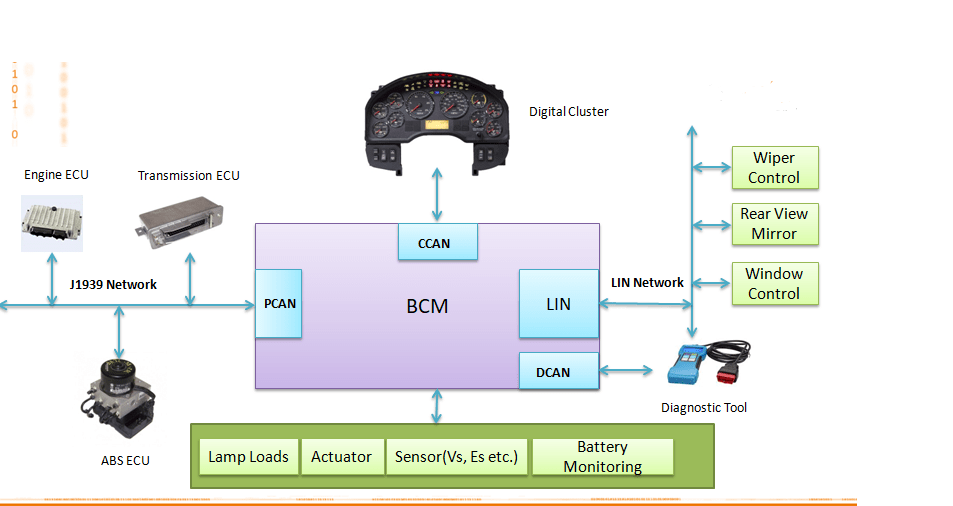
Modern vehicles are highly networked, with numerous electronic control units (ECUs) communicating with each other. The BCM is a critical node in this network, often communicating with other modules such as:
- Engine Control Module (ECM): While the ECM handles engine performance, the BCM might provide inputs related to vehicle speed or driver demand that influence engine operation.
- Transmission Control Module (TCM): The BCM’s inputs regarding vehicle speed can affect transmission shift points.
- Anti-lock Braking System (ABS) / Electronic Stability Control (ESC) Module: The BCM can relay vehicle speed and wheel speed sensor data to these systems.
- Infotainment System: The BCM often facilitates communication for steering wheel controls and can provide information like vehicle speed for navigation.
- Instrument Cluster: The BCM sends data to the instrument cluster for displaying information like door ajar warnings, fuel level, and turn signal indicators.
The primary communication protocol used between these modules is typically the Controller Area Network (CAN) bus, a robust and efficient system for in-vehicle communication.
The Technology Behind the BCM: Microcontrollers and Software
At its core, a BCM is a sophisticated electronic device built around a microcontroller. This microcontroller is essentially a small computer on a chip that contains a CPU, memory, and input/output peripherals. The BCM’s functionality is defined by the software programmed onto this microcontroller.
Microcontrollers: The Brains of the Operation
The choice of microcontroller for a BCM depends on the complexity of the vehicle’s systems and the manufacturer’s design philosophy. These microcontrollers are designed to be robust and capable of operating in the harsh automotive environment, which can experience extreme temperatures, vibrations, and electrical noise. They are programmed to execute specific algorithms and respond to predefined conditions.
Software and Programming: The BCM’s Intelligence
The software running on the BCM is what dictates its behavior. This software is developed by automotive engineers and is highly specific to the vehicle model and trim level. It contains the logic for interpreting sensor inputs, processing user commands, and generating the appropriate output signals.
Diagnostic Capabilities: Self-Monitoring and Troubleshooting
Modern BCMs are equipped with diagnostic capabilities. They can monitor their own internal functions and detect faults within the systems they control. This allows for fault codes (Diagnostic Trouble Codes or DTCs) to be stored, which can be read by diagnostic scan tools. This is invaluable for mechanics when troubleshooting issues, significantly speeding up the diagnostic process.
Programmability and Customization: Tailoring to Vehicle Needs
The BCM is a programmable module, meaning its functions can be adjusted or added to through software updates or programming. This allows manufacturers to:
- Implement Vehicle-Specific Features: Different trim levels or optional packages will have unique features controlled by the BCM, and the software is tailored accordingly.
- Introduce New Features: Software updates can sometimes introduce new functionalities or improve existing ones.
- Address Recalls and Issues: In some cases, BCM software updates can be used to resolve safety recalls or address performance issues.
This programmability also means that aftermarket modifications or repairs need to be performed carefully to avoid disrupting the BCM’s intended operation.
The Evolution and Impact of the BCM
The Body Control Module has undergone significant evolution since its inception. Early vehicles had separate, simpler control units for individual functions like door locks or wipers. The advent of the BCM consolidated these functions into a single, more intelligent module, leading to greater integration, efficiency, and the development of more advanced features.
Increased Integration and Complexity
As vehicles have become more complex with the addition of features like advanced lighting systems, keyless entry, and integrated infotainment, the role of the BCM has expanded dramatically. It now acts as a crucial interface between the driver, the vehicle’s various electrical systems, and increasingly, the external world through connected car technologies.
The Foundation for Advanced Features
The BCM is the fundamental building block for many modern automotive conveniences and safety features. Without its ability to process complex inputs and control multiple outputs in real-time, features like automatic headlights, rain-sensing wipers, one-touch power windows, and sophisticated alarm systems would not be possible. It’s the silent orchestrator that makes the modern driving experience so seamless and user-friendly.
Future Trends and the BCM
Looking ahead, the BCM is likely to become even more integral as vehicles embrace greater levels of autonomy, connectivity, and electrification. It will play a key role in managing power distribution in electric vehicles, communicating with advanced driver-assistance systems (ADAS), and facilitating over-the-air software updates. The BCM will continue to be a critical component in the ever-evolving automotive landscape, ensuring that vehicles remain safe, convenient, and intelligent. Understanding what a BCM does provides a deeper appreciation for the intricate technology that powers our daily commutes.
aViewFromTheCave is a participant in the Amazon Services LLC Associates Program, an affiliate advertising program designed to provide a means for sites to earn advertising fees by advertising and linking to Amazon.com. Amazon, the Amazon logo, AmazonSupply, and the AmazonSupply logo are trademarks of Amazon.com, Inc. or its affiliates. As an Amazon Associate we earn affiliate commissions from qualifying purchases.