
In an age increasingly defined by algorithms, artificial intelligence, and digital interfaces, the question “what does humanistic mean?” takes on profound significance, particularly within the realm of technology. Far from being an abstract philosophical concept, humanism in technology is a call to action—a guiding principle that prioritizes human well-being, dignity, and flourishing above all else. It challenges us to design, develop, and deploy technological solutions that serve humanity, rather than merely automating tasks or generating profit.
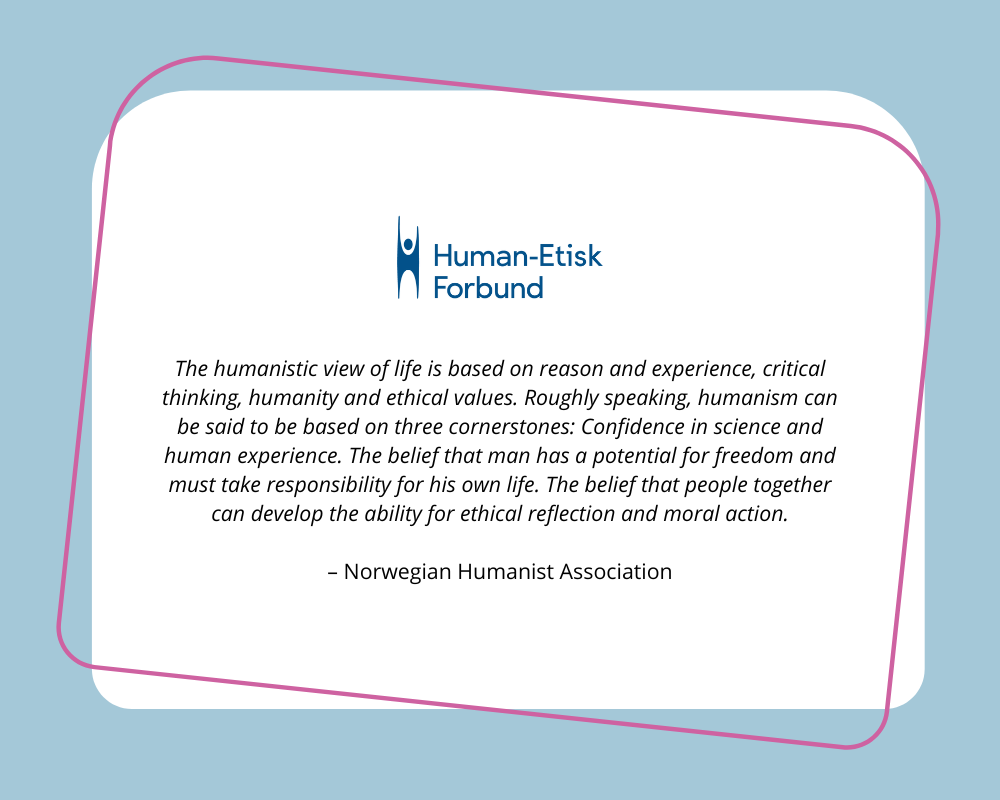
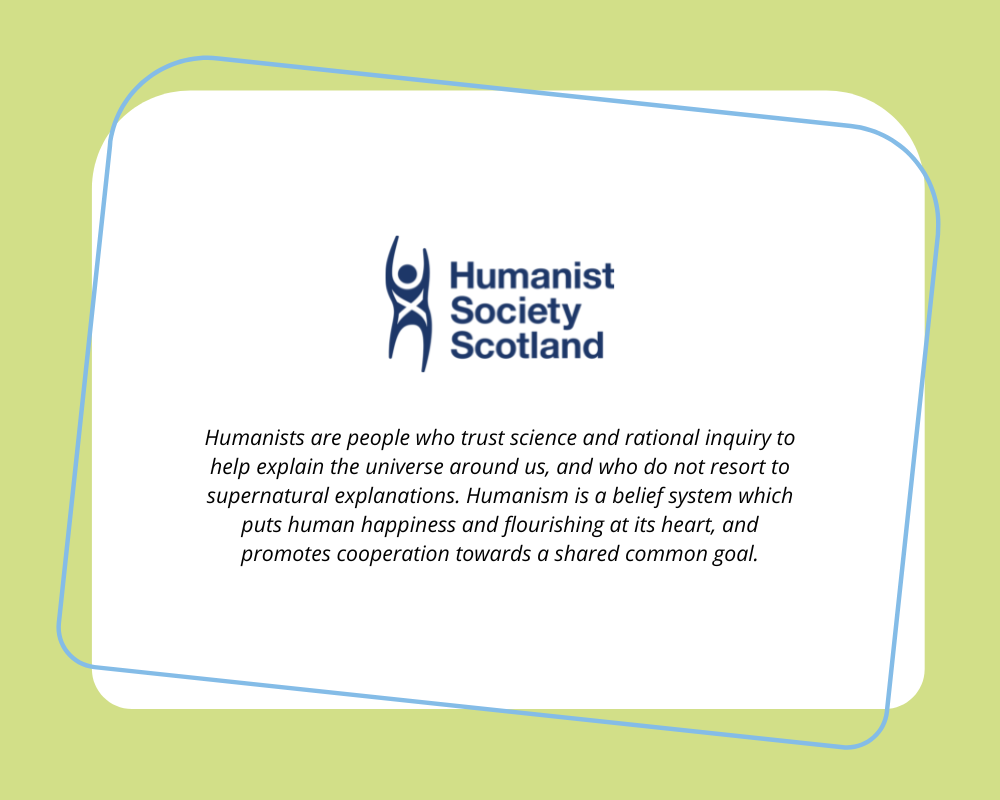
At its core, humanism advocates for human values, reason, and an ethical approach to understanding and improving the human condition. When applied to technology, it shifts the focus from purely technical capabilities to the human experience. It asks critical questions: Does this technology enhance human potential? Does it respect individual autonomy? Does it promote equity and justice? Is it designed with empathy for the user’s needs and context? As we stand at the precipice of unprecedented technological advancements, particularly with the rapid evolution of AI, understanding and embedding a humanistic ethos into our tech development is not just desirable—it’s imperative for shaping a future that truly benefits all. This article will delve into the multifaceted meaning of humanistic within the technological sphere, exploring its core principles, practical applications, and the vital role it plays in fostering a more ethical, inclusive, and beneficial digital world.

The Core Principles of Humanistic Technology
Humanistic technology is built upon a foundation of key principles that elevate human considerations to the forefront of the design and development process. These principles guide creators and innovators in ensuring that their technological outputs are not only functional but also deeply empathetic, ethical, and equitable.
Empathy and User-Centered Design
At the heart of humanistic technology lies empathy. This means understanding and sharing the feelings, experiences, and perspectives of the end-users. User-Centered Design (UCD), a methodology long championed in product development, perfectly embodies this principle. It mandates that design decisions be driven by a deep understanding of users’ needs, behaviors, and motivations, gathered through extensive research, testing, and feedback loops. A humanistic approach to UCD goes beyond mere usability; it considers the emotional, psychological, and social impact of the technology. It asks: Does this interface reduce cognitive load? Does this app alleviate stress or create it? Does the user journey feel intuitive and empowering, or confusing and frustrating? By centering the human experience, designers ensure that technology genuinely addresses real-world problems and integrates seamlessly, and positively, into people’s lives. This includes prioritizing accessibility for individuals with disabilities, designing for diverse cultural contexts, and ensuring that the technology is genuinely helpful rather than just habit-forming.
Ethical AI and Algorithmic Fairness
The proliferation of Artificial Intelligence has brought the ethical dimension of technology into sharper focus. Humanistic AI demands that these powerful systems are developed and deployed with a strong ethical compass. This encompasses several crucial aspects. First, algorithmic fairness ensures that AI systems do not perpetuate or amplify existing societal biases. This requires meticulous attention to training data, model design, and ongoing auditing to prevent discriminatory outcomes, especially in critical areas like finance, healthcare, and criminal justice. Second, privacy and data sovereignty are paramount. Humanistic AI respects an individual’s right to control their personal data, demanding transparent data collection practices, informed consent, and robust security measures. Third, human agency and oversight must be maintained. AI should augment human capabilities, not diminish human control or decision-making. There must be clear mechanisms for human intervention and accountability, ensuring that autonomous systems remain accountable to human values and legal frameworks.
Transparency and Accountability
A humanistic approach to technology necessitates transparency in its operations and clear accountability for its impact. Users should be able to understand how a technology works, especially when it involves complex algorithms or data processing. This includes providing clear explanations of how data is collected, stored, and used, and how AI systems make decisions. “Explainable AI” (XAI) is a burgeoning field dedicated to making AI models more interpretable and understandable to humans. Beyond transparency, accountability ensures that creators and deployers of technology take responsibility for its effects, both intended and unintended. This means establishing clear lines of responsibility for ethical lapses, data breaches, or harm caused by technological systems. It also involves creating mechanisms for redress and recourse for individuals negatively impacted by technology. Without transparency and accountability, trust erodes, and technology’s potential to serve humanity is severely undermined.
Beyond Functionality: Fostering Human Flourishing
Humanistic technology aims higher than mere utility; it aspires to contribute to overall human flourishing. This means designing tools that not only perform tasks efficiently but also enhance our lives, support our well-being, and empower us to reach our full potential.
Enhancing Human Capabilities, Not Replacing Them
The fear of technology replacing human jobs and diminishing human relevance is a significant concern. A humanistic perspective counters this by focusing on how technology can augment human capabilities. Instead of building systems that aim to fully automate human roles, the goal is to create tools that empower humans to be more creative, more productive, and more insightful. For instance, AI can assist doctors in diagnosing diseases more accurately, allowing them more time to focus on patient care and empathy. Educational technologies can personalize learning experiences, making education more accessible and engaging. This approach recognizes the unique strengths of human intelligence—creativity, critical thinking, emotional intelligence—and designs technology to amplify these rather than render them obsolete. It’s about a synergistic relationship where humans and technology collaborate for superior outcomes.
Promoting Well-being and Mental Health
In an increasingly connected yet sometimes isolating digital world, humanistic technology prioritizes the mental and physical well-being of its users. This means actively designing against features known to foster addiction, anxiety, or comparison culture. Examples include implementing “digital well-being” features that allow users to monitor and limit screen time, designing interfaces that reduce cognitive overload, and promoting responsible use through thoughtful notifications and prompts. Furthermore, technology can be a powerful tool for well-being, such as mental health apps that provide accessible support, fitness trackers that encourage healthy habits, or social platforms designed to foster genuine community and positive interactions rather than superficial engagement. The focus here is on creating technology that truly enriches life and supports a healthy lifestyle, recognizing that constant digital engagement can have detrimental effects if not managed thoughtfully.
Inclusivity and Accessibility
True humanism dictates that technology should be accessible to all, regardless of their physical abilities, socioeconomic status, or geographical location. Inclusivity means actively designing for diversity from the outset, considering a broad spectrum of user needs and preferences. This goes beyond simply complying with accessibility standards; it embeds universal design principles into the core development process. For example, ensuring screen readers can interpret content, providing captions for videos, offering customizable font sizes and color contrasts, and designing intuitive navigation for various input methods are all facets of humanistic accessibility. Moreover, it extends to addressing the digital divide, making technology affordable and available to underserved communities, and designing interfaces that are culturally relevant and understandable across different linguistic and social contexts. An inclusive technological landscape is one where every individual has the opportunity to participate and benefit.
Practical Applications: Bringing Humanism to Life in Tech
Translating these humanistic principles into practice requires concrete methodologies and frameworks throughout the technology lifecycle. It’s not just about good intentions but about robust processes.
Design Thinking and Participatory Design
Methodologies like Design Thinking inherently embody a humanistic approach. They start with empathy, defining problems from the user’s perspective, ideating creative solutions, prototyping, and rigorously testing. This iterative process ensures that solutions are genuinely user-centered and refined based on real human feedback. Taking this a step further, Participatory Design actively involves end-users and other stakeholders in the design process itself. Rather than merely being subjects for research, users become co-creators, contributing their insights, experiences, and expertise directly to shape the technology. This approach not only ensures that the final product meets genuine needs but also empowers users, fostering a sense of ownership and relevance. It democratizes the design process, making technology a truly collaborative human endeavor.
AI Ethics Frameworks and Governance
To operationalize ethical AI, companies and governments are increasingly developing comprehensive AI ethics frameworks and governance structures. These frameworks typically outline principles such as fairness, transparency, accountability, privacy, safety, and human oversight. They then translate these principles into actionable guidelines for data scientists, engineers, and product managers. This might include mandatory bias detection tools, regular ethical audits of AI models, clear documentation requirements for AI systems, and dedicated ethics committees or roles within organizations. Governments are also stepping in with regulations like the EU’s AI Act, which aims to classify AI systems by risk and impose corresponding requirements, ensuring a baseline level of humanistic consideration across the industry. Effective governance is crucial to ensure that ethical considerations are not an afterthought but are embedded into every stage of AI development and deployment.
Building Trust Through Data Stewardship
In an era of pervasive data collection, responsible data stewardship is a cornerstone of humanistic technology. This involves treating user data not as a commodity to be exploited, but as a sacred trust. It goes beyond mere legal compliance with regulations like GDPR or CCPA; it cultivates a culture of respect for user privacy and autonomy. Practical applications include clear, understandable privacy policies, easy-to-use privacy controls that empower users to manage their data, robust data security measures to prevent breaches, and a commitment to using data solely for the benefit of the user, as agreed upon. Companies that demonstrate genuine care for data stewardship build stronger trust with their users, fostering a relationship based on respect and mutual benefit rather than suspicion.
The Challenges and Opportunities of a Humanistic Future
The journey towards a truly humanistic technological future is not without its hurdles, but these challenges also present immense opportunities for innovation and positive societal impact.
Navigating Bias and Unintended Consequences
One of the most significant challenges is identifying and mitigating bias embedded in data and algorithms, which can lead to discriminatory outcomes. Historical data often reflects societal biases, and if fed into AI systems without careful consideration, these systems can perpetuate or even amplify discrimination. Addressing this requires continuous vigilance, diverse teams, interdisciplinary research, and a commitment to auditing systems for fairness. Furthermore, all technological interventions can have unintended consequences—effects that were not foreseen by their creators. A humanistic approach acknowledges this complexity, advocating for rigorous impact assessments, extensive pilot testing, and ongoing monitoring post-deployment to identify and rectify negative externalities promptly. It’s an ongoing learning process that demands humility and adaptability.
Balancing Innovation with Responsibility
The tech industry is often driven by a relentless pursuit of innovation, speed, and disruption. The challenge lies in balancing this drive with a deep sense of responsibility. Moving fast and breaking things might work for some aspects of software development, but when technology impacts human lives and societal structures, a more cautious and ethical approach is required. Humanistic leadership fosters a culture where ethical considerations are integrated into the earliest stages of ideation, not bolted on at the end. It encourages developers to ask “should we?” alongside “can we?” This balance ensures that progress is sustainable, equitable, and ultimately beneficial for humanity, preventing a race to the bottom where ethical considerations are sacrificed for market share.
Education and Public Engagement
Achieving a humanistic future in tech also requires broad education and public engagement. This means equipping the next generation of technologists with a strong foundation in ethics, philosophy, and social sciences, alongside their technical skills. It also means educating the general public about how technology works, its implications, and empowering them to be informed and critical users and citizens in a digital society. Digital literacy, critical thinking about online information, and understanding data privacy are essential for everyone. By fostering a more informed and engaged public, we can collectively steer technological development towards more humanistic outcomes, creating a demand for ethical products and holding tech companies accountable.
Conclusion
The question “what does humanistic mean?” in the context of technology serves as a powerful reminder that our tools are extensions of our intentions. It’s a call to move beyond purely functional or profit-driven development towards a vision where technology genuinely serves to enhance human life, preserve dignity, and foster flourishing. By embedding empathy, ethical considerations, transparency, and a commitment to well-being into every layer of technology creation—from initial design to final deployment—we can build systems that truly augment human potential, bridge divides, and contribute positively to the fabric of society.
A humanistic approach is not a limitation on innovation; it is, in fact, the ultimate catalyst for creating technology that is more resilient, more trustworthy, and more profoundly impactful. As AI continues its exponential growth, and digital interfaces become ever more integrated into our lives, embracing a humanistic ethos is not merely an option—it is the moral imperative for building a future where technology uplifts all of humanity. It’s a shared responsibility for designers, engineers, policymakers, and users alike to collectively champion and demand technology that reflects our highest human values.
aViewFromTheCave is a participant in the Amazon Services LLC Associates Program, an affiliate advertising program designed to provide a means for sites to earn advertising fees by advertising and linking to Amazon.com. Amazon, the Amazon logo, AmazonSupply, and the AmazonSupply logo are trademarks of Amazon.com, Inc. or its affiliates. As an Amazon Associate we earn affiliate commissions from qualifying purchases.