
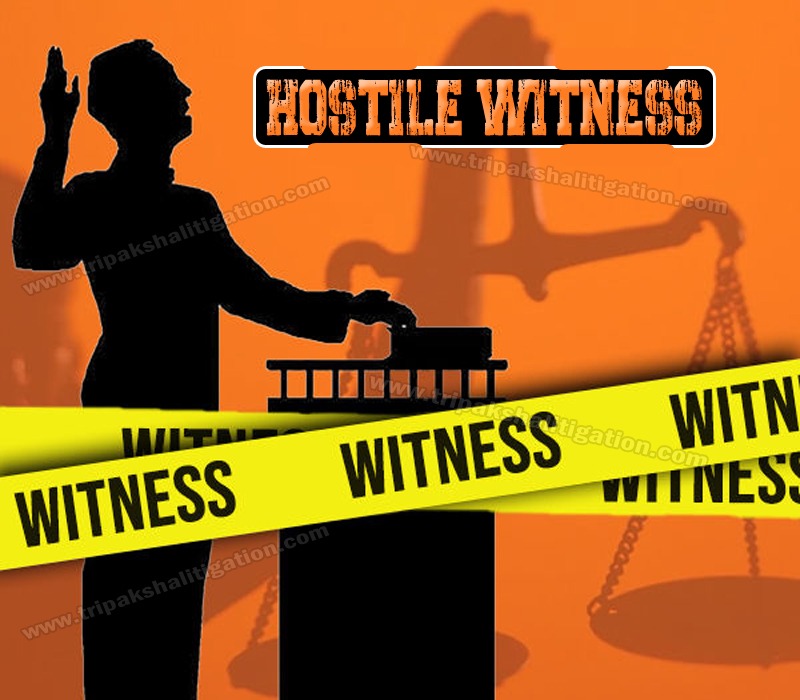
In the realm of legal proceedings, the term “hostile witness” carries significant weight, directly impacting the presentation of evidence and the overall trajectory of a case. Far from being a mere descriptor, it signifies a witness whose testimony is actively working against the party who called them to the stand. This phenomenon is not about a witness’s general demeanor or personality; it’s about their sworn statements contradicting the expected or necessary evidence for the party’s case. Understanding what constitutes a hostile witness, why they emerge, and the legal ramifications is crucial for anyone involved in the legal system, from seasoned litigators to individuals navigating the complexities of a trial.

The Legal Definition and Characteristics of a Hostile Witness
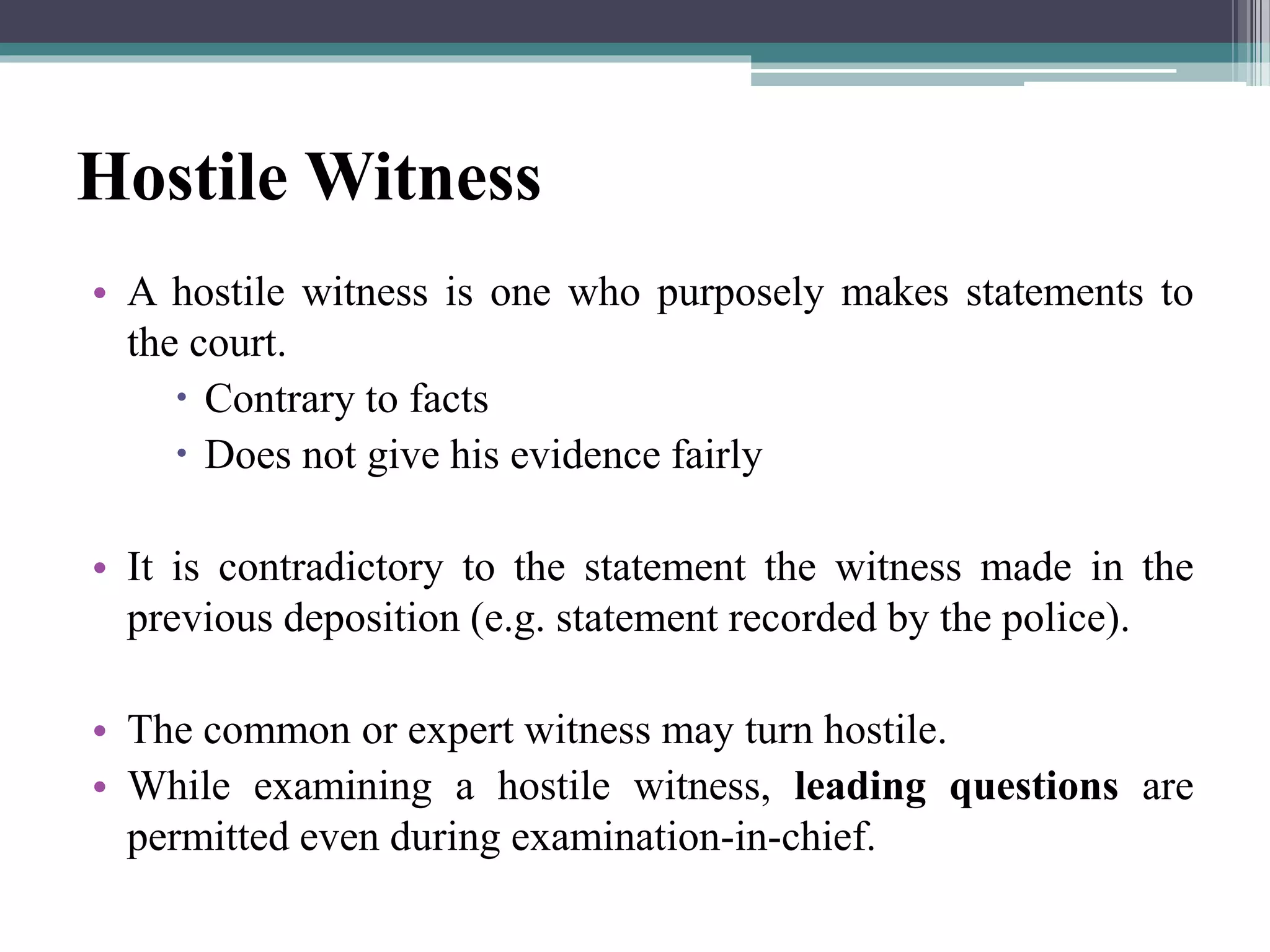
At its core, a hostile witness is an individual called to testify by one party who demonstrates an unwillingness or an adverse disposition towards that party’s case. This is not a judgment on the witness’s character but rather an assessment of their testimony’s impact. The key differentiator lies in the nature of their testimony.
Unfavorable Testimony and Unexpected Contradictions
The primary characteristic of a hostile witness is their tendency to provide testimony that is unfavorable to the party that subpoenaed them. This unfavorability can manifest in several ways:
- Direct Contradiction: The witness may directly contradict previous statements they made to the party, in depositions, or in affidavits. For instance, a witness who previously identified a defendant in a police lineup might testify on the stand that they are no longer certain or even identify someone else.
- Evasive or Unresponsive Answers: Instead of providing clear and direct answers to questions posed by the calling party, the witness may evade, equivocate, or offer vague responses that do not advance the party’s narrative. This can be a subtle but effective way of undermining the case.
- Affirmative Testimony for the Opposing Side: In some instances, a witness called by one party might, intentionally or unintentionally, provide testimony that directly benefits the opposing side. This is a stark indicator of hostility.
- Demonstrated Bias or Ill Will: While not the sole defining factor, a witness who displays overt bias, animosity, or a clear intent to harm the calling party’s case can be deemed hostile, especially if this attitude influences their testimony.
The Crucial Distinction: Hostile vs. Uncooperative
It’s important to distinguish a hostile witness from one who is simply uncooperative or forgetful. A witness who genuinely cannot recall details due to memory lapses, or who is simply nervous and hesitant, is not necessarily hostile. The court will look for a pattern of testimony that actively undermines the party’s case, rather than mere inability to provide the desired evidence. The intent or effect of the testimony is paramount.
When and Why Does a Witness Become Hostile?
The emergence of a hostile witness is not typically a random occurrence. There are often underlying reasons, both practical and strategic, that can lead to this situation. Understanding these causes can help legal teams anticipate and mitigate such challenges.
Strategic Implications and Prior Relationships
The initial decision to call a witness often hinges on their perceived alignment with the case. However, circumstances can change, and prior relationships can evolve in unexpected ways.
- Witness Re-evaluation or Recantation: A witness might have initially agreed to testify based on a certain understanding or memory, only to later reconsider their position. This could be due to feeling pressured, realizing the potential consequences of their testimony, or having their memory refreshed by new information – or even by the opposing counsel.
- Shifting Alliances or Perceived Betrayal: In complex litigation, especially involving multiple parties or witnesses with interlinking relationships, a witness might feel that the party calling them has not acted in their best interest or has somehow betrayed them. This can foster resentment and lead to a desire to actively work against that party.
- Influence of Opposing Counsel: Opposing counsel may engage with a witness before they testify, subtly or overtly influencing their perspective. This can involve highlighting potential downsides to their testimony, offering a different narrative, or simply creating doubt in the witness’s mind. This is a legitimate, albeit sometimes aggressive, tactic.
- Fear or Intimidation: A witness might be genuinely fearful of repercussions from either party or from associates of the parties involved. This fear can manifest as a desire to distance themselves from the calling party or to actively assist the opposing side to ensure their own safety or well-being.
Pre-Trial Conduct and Discovery
The seeds of hostility can often be sown long before a witness takes the stand, during the discovery phase of a lawsuit.
- Inconsistent Statements During Depositions: Depositions are formal, sworn interviews where attorneys for all parties have the opportunity to question witnesses. If a witness provides statements during a deposition that are later contradicted by their testimony in court, this is a strong indicator of potential hostility. The deposition record serves as critical impeachment material.
- Withholding Information or Obstructing Investigations: A witness who has been uncooperative during pre-trial investigations, has deliberately withheld relevant information, or has actively obstructed the discovery process can often be predicted to be a less-than-ideal witness on the stand.
- Communications with Opposing Party or Counsel: If a witness has communicated with the opposing party or their legal team without the knowledge or consent of the calling party, this can be a red flag. Such communications might reveal a shift in allegiance or an intent to undermine the case.
The Legal Implications: Allowing Leading Questions
The primary procedural consequence of a witness being declared hostile by the court is that the attorney who called them is permitted to ask “leading questions.” This is a critical departure from the general rule in direct examination, which typically prohibits such questions.
Understanding Leading Questions
A leading question is one that suggests the answer the examiner is seeking. Instead of asking “What did you see?” a leading question might be phrased as “You saw the blue car speed away, didn’t you?”
- The General Rule: On direct examination, attorneys are generally prohibited from asking leading questions. This rule is designed to prevent attorneys from putting words into the mouths of their own witnesses, ensuring that the testimony is genuinely coming from the witness’s own recollection and not being suggested by the examiner.
- The Exception for Hostile Witnesses: When a witness is declared hostile, the court allows the attorney who called them to use leading questions. This is because the witness is already demonstrating an adverse disposition. The purpose of leading questions in this context is not to elicit favorable testimony (which is unlikely) but rather to efficiently extract any factual information that might be present, or more importantly, to establish the witness’s unwillingness to cooperate and the adverse nature of their testimony. It allows the attorney to move through unfavorable testimony quickly and avoid lengthy, unproductive questioning.
Strategic Use of Leading Questions
For the attorney who has declared their witness hostile, the ability to ask leading questions offers a tactical advantage:
- Efficiently Exposing Inconsistencies: Leading questions can be used to highlight discrepancies between the witness’s current testimony and their prior statements or known facts. For example, “Isn’t it true that you told Detective Smith on July 15th that the suspect was wearing a red hat?”
- Speeding Up Examination: When a witness is clearly not on your side, prolonged, open-ended questioning can be a waste of valuable court time. Leading questions allow the attorney to get to the point, establish the adverse facts, and move on.
- Impeachment: The ability to ask leading questions is often a prelude to impeachment. If the witness continues to deny or evade, the attorney can then introduce prior inconsistent statements (e.g., from a deposition or a written affidavit) to challenge the witness’s credibility.
Navigating the Hostile Witness Scenario: Strategies for Counsel
Encountering a hostile witness is a common challenge in litigation, and seasoned legal professionals have developed strategies to manage these situations effectively. The key lies in preparation, astute observation, and a clear understanding of procedural rules.
Pre-Trial Preparation and Due Diligence
The best defense against a hostile witness is often proactive. Thorough preparation can help identify potential issues before they derail a case.
- Comprehensive Witness Interviews: Beyond initial conversations, conduct in-depth interviews with all potential witnesses. Explore their perspectives, potential biases, and any prior interactions with the opposing party or counsel.
- Scrutinizing Prior Statements: Meticulously review all prior statements made by the witness, including affidavits, depositions, police reports, and any written communications. These documents are invaluable for identifying inconsistencies and potential grounds for declaring hostility.
- Investigating Witness Background: In certain circumstances, it may be prudent to investigate the witness’s background for any potential conflicts of interest, personal relationships with opposing parties, or past behaviors that might suggest an untrustworthy or biased disposition.
- Understanding the Witness’s Role: Clearly define the witness’s role and the specific facts they are expected to provide. This helps identify deviations from expected testimony early on.
On-the-Stand Tactics and Courtroom Procedure
Once a witness is on the stand and their testimony begins to deviate, attorneys must be prepared to act swiftly and strategically.
- Timely Objections and Motions: If a witness is actively working against your case, do not hesitate to approach the bench and request a sidebar to argue for the witness to be declared hostile. The judge will then decide based on the witness’s testimony and the attorney’s argument.
- Strategic Use of Leading Questions: As mentioned, once declared hostile, leverage leading questions to efficiently elicit facts, expose inconsistencies, and control the narrative as much as possible.
- Impeachment Techniques: Be prepared to impeach the witness with their prior inconsistent statements. This involves confronting the witness with their earlier testimony and highlighting the discrepancies, which can severely damage their credibility in the eyes of the judge or jury.
- Redirect Examination: If the opposing counsel effectively uses the hostile witness to their advantage on cross-examination, the attorney who initially called the witness will have an opportunity for redirect examination. This is a chance to re-examine the witness on issues raised during cross-examination and to clarify any misleading impressions.
- Knowing When to Conclude: Sometimes, the best strategy with a hostile witness is to ask only the essential questions, establish the necessary facts (or lack thereof), and then conclude your examination quickly to minimize further damage to your case.
In conclusion, the concept of a hostile witness is a fundamental aspect of trial procedure. It recognizes that not all individuals called to testify will do so in a manner that supports the party who summoned them. By understanding the definition, the causes, and the legal implications, legal professionals can better navigate these challenging situations, ensuring that justice is served through a fair and accurate presentation of evidence.
aViewFromTheCave is a participant in the Amazon Services LLC Associates Program, an affiliate advertising program designed to provide a means for sites to earn advertising fees by advertising and linking to Amazon.com. Amazon, the Amazon logo, AmazonSupply, and the AmazonSupply logo are trademarks of Amazon.com, Inc. or its affiliates. As an Amazon Associate we earn affiliate commissions from qualifying purchases.