
When consumers ask, “What does HomeGoods sell?” the literal answer—furniture, rugs, and kitchenware—only scratches the surface of the brand’s actual market impact. From a brand strategy perspective, HomeGoods does not merely sell physical products; it sells an experience, a psychological thrill, and a specific identity of “accessible luxury.” Owned by TJX Companies, HomeGoods has carved out a unique space in the retail landscape by mastering the art of the “treasure hunt” brand identity.
This article explores the strategic brand pillars that define HomeGoods, analyzing how their product selection serves a larger corporate identity and why their marketing strategy has successfully disrupted the traditional home decor market.
The Brand Identity of the “Treasure Hunt”
The core of the HomeGoods brand is built on a foundation of discovery. Unlike traditional retailers like West Elm or Pottery Barn, which rely on seasonal catalogs and consistent stock, HomeGoods thrives on inconsistency. This is a deliberate brand strategy known as the “Treasure Hunt” model.
Curating Scarcity and Urgency
The brand identity of HomeGoods is inextricably linked to the concept of FOMO (Fear Of Missing Out). By maintaining a rapidly rotating inventory, the brand communicates to the consumer that if they see an item today, it will likely be gone tomorrow. This creates a high-velocity sales environment. Strategically, this reduces the need for heavy markdowns because the “scarcity” is built into the procurement process. The brand sells the idea that every visit is a unique opportunity to find a “steal.”
The Psychology of Off-Price Branding
HomeGoods positions itself as an “off-price” retailer, but its brand strategy avoids the “discount” or “bargain bin” aesthetic. Instead, it leans into a “smart shopper” identity. The branding emphasizes that the consumer is getting high-quality, often designer labels, for 20% to 60% less than department store prices. This allows the brand to appeal to a wide demographic—from budget-conscious college students to affluent homeowners looking for a high-end aesthetic without the high-end price tag.
Product Categorization as a Marketing Tool
To understand what HomeGoods sells, one must look at how they categorize their products to reinforce their brand promise. Their inventory is a mix of high-end overstock, designer closeouts, and private-label goods, all curated to present a cohesive “lifestyle” image.
High-End Aspirations at Entry-Level Prices
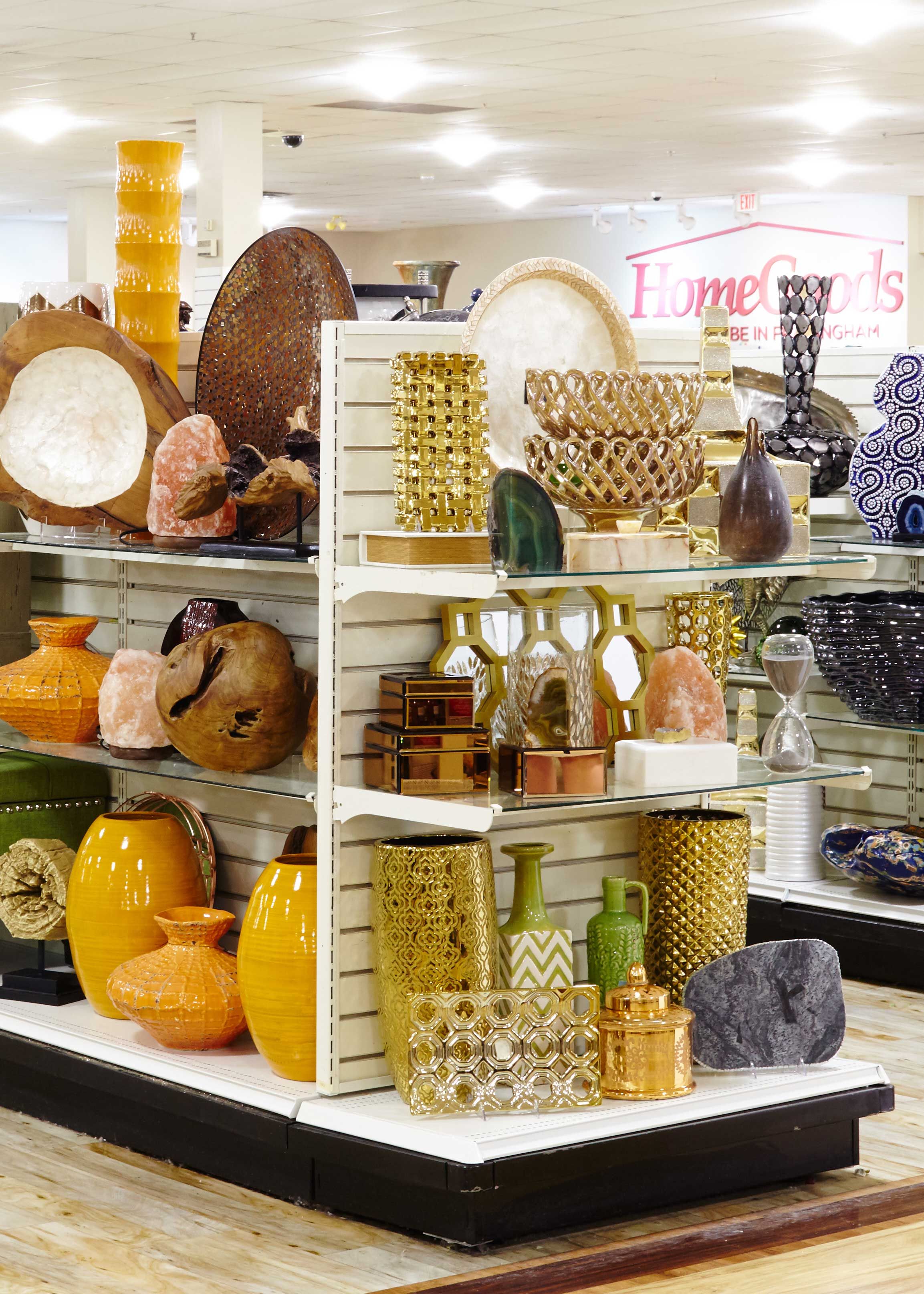
The brand’s primary categories—furniture, rugs, and lighting—are selected to mirror current interior design trends seen in high-end magazines. By selling “on-trend” items rather than “dated” closeouts, HomeGoods maintains a brand image of being fashion-forward. They sell the ability for a consumer to refresh their home’s “look” frequently. This positioning transforms home decor from a long-term investment into a form of “fast fashion” for the home, encouraging repeat visits and higher brand engagement.
Seasonal Rotation and Brand Freshness
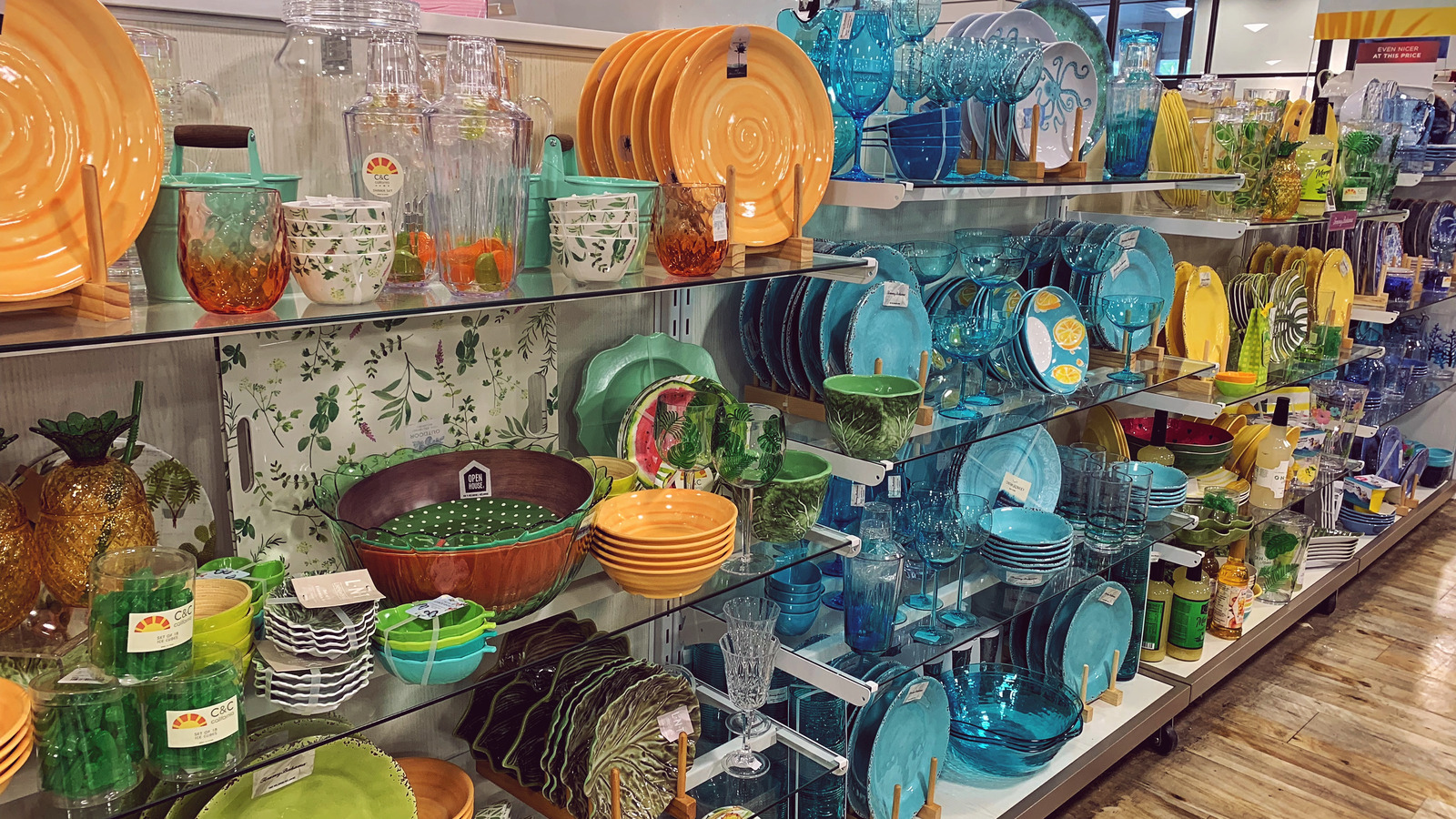
HomeGoods is a leader in seasonal marketing. What they sell changes dramatically based on the calendar—from outdoor patio sets in the spring to elaborate holiday displays in the autumn. This seasonal rotation is a key component of their brand strategy, ensuring the store environment feels fresh and new every few weeks. This strategy reinforces the “destination” aspect of the brand; consumers don’t just go to HomeGoods when they need a specific item; they go to see what’s new for the season.
The Strategic Role of Lifestyle Extensions
One of the most interesting aspects of the HomeGoods brand is its expansion into categories that aren’t strictly “furniture.” The inclusion of gourmet food, pet accessories, and stationery is a calculated brand move.

Building Brand Loyalty through Sensory Experiences
The “Gourmet” section of HomeGoods—selling artisanal olive oils, imported pastas, and high-end coffees—serves to elevate the overall brand experience. It transforms a furniture store into a lifestyle destination. This cross-merchandising strategy encourages “basket building,” where a customer who came in for a throw pillow leaves with a decorative bowl and a box of Belgian chocolates. From a branding perspective, this creates a holistic “lifestyle” brand rather than a narrow “utility” brand.
The Cross-Merchandising Strategy
HomeGoods excels at “visual merchandising,” a strategy where disparate items are grouped to suggest a lifestyle. A velvet chair might be paired with a specific lamp, a coffee table book, and a ceramic candle. By selling the scene rather than just the object, HomeGoods provides a design service to the consumer. This reinforces the brand’s identity as a source of inspiration, positioning HomeGoods as a partner in the consumer’s creative process.
Digital Brand Evolution: Social Media and the “HomeGoodshaven”
In an era where e-commerce is king, HomeGoods resisted a full online storefront for years. Their brand strategy was historically rooted in the physical, tactile experience of the “hunt.” However, their digital strategy has evolved significantly through social media and community building.
User-Generated Content as Brand Advocacy
The HomeGoods brand is amplified by a massive community of “HomeGoods-aholics” and influencers. The brand encourages the use of hashtags like #HomeGoodsFinds, which turns customers into brand advocates. This is a cost-effective marketing strategy that relies on social proof. When a consumer posts a photo of a “find,” they are validating the brand’s promise of quality and value. This organic word-of-mouth marketing is more powerful than traditional advertising because it feels authentic and peer-driven.
Navigating the Bricks-and-Mortar vs. E-commerce Divide
While HomeGoods eventually launched an e-commerce platform, its primary brand strength remains in its physical locations. The digital strategy serves as a “teaser” for the in-store experience. The website and app are designed to drive foot traffic, maintaining the brand’s core identity as a physical destination. This highlights a sophisticated understanding of their brand equity: the joy of HomeGoods is not in the “click,” but in the “find.”
The Competitive Moat: Maintaining Brand Integrity
What HomeGoods sells is protected by a significant “competitive moat” created by their buying power and vendor relationships. As part of the TJX umbrella, they have access to a global network of over 21,000 vendors.
The Vendor Relationship Strategy
A key part of the HomeGoods brand strategy is its relationship with manufacturers. They offer vendors a way to clear inventory discreetly without devaluing the vendor’s own brand in high-end department stores. Because HomeGoods does not rely on “promotional” periods or coupons—their prices are “always on”—they maintain a consistent brand message of value. This consistency builds trust with both the vendor and the consumer.
Corporate Identity and Market Resilience
HomeGoods has shown remarkable resilience during economic downturns. This is because their brand is positioned as a “value” play. When consumers tighten their belts, they don’t stop wanting a beautiful home; they simply shift their spending from luxury retailers to HomeGoods. This counter-cyclical brand strength is a result of their clear positioning: they are the bridge between “affordable” and “aspirational.”
Conclusion: The Future of the HomeGoods Brand Strategy
In conclusion, asking “What does HomeGoods sell?” reveals a complex and highly successful brand strategy. They sell the excitement of the find, the pride of the bargain, and the ability to curate a stylish life on a budget. By focusing on a rotating inventory, sensory lifestyle merchandising, and a powerful community-driven social media presence, HomeGoods has moved beyond being a simple retailer.
They have become a cultural touchstone in the interior design world. Their brand strategy proves that in a world of standardized e-commerce, there is still immense value in the unpredictable, the physical, and the curated. As they continue to expand, the core of their brand remains the same: offering the consumer a “treasure” that makes their house feel more like a home, at a price that makes the purchase feel like a victory. For HomeGoods, the product is the hook, but the brand experience is the true sale.
aViewFromTheCave is a participant in the Amazon Services LLC Associates Program, an affiliate advertising program designed to provide a means for sites to earn advertising fees by advertising and linking to Amazon.com. Amazon, the Amazon logo, AmazonSupply, and the AmazonSupply logo are trademarks of Amazon.com, Inc. or its affiliates. As an Amazon Associate we earn affiliate commissions from qualifying purchases.