
In the rapidly evolving landscape of modern technology, the boundary between “software” and “biology” is beginning to blur. While we traditionally associate technology with silicon chips, fiber optics, and neural networks, some of the most sophisticated engineering is currently happening at the molecular level. Monoclonal antibodies (mAbs) represent the pinnacle of this biological tech revolution. Far from being simple “medicines,” monoclonal antibodies are precision-engineered biological tools designed to identify, neutralize, or modify specific targets within a complex system—much like a highly specialized piece of code designed to find and patch a bug in a multi-million-line operating system.
As we move deeper into the era of biotechnology, understanding monoclonal antibodies through the lens of technology is essential. They are the “hardware” of the future’s personalized medicine and the primary output of a massive computational and synthetic biology infrastructure.
The Architecture of Synthetic Immunity: How Monoclonal Antibody Technology Works
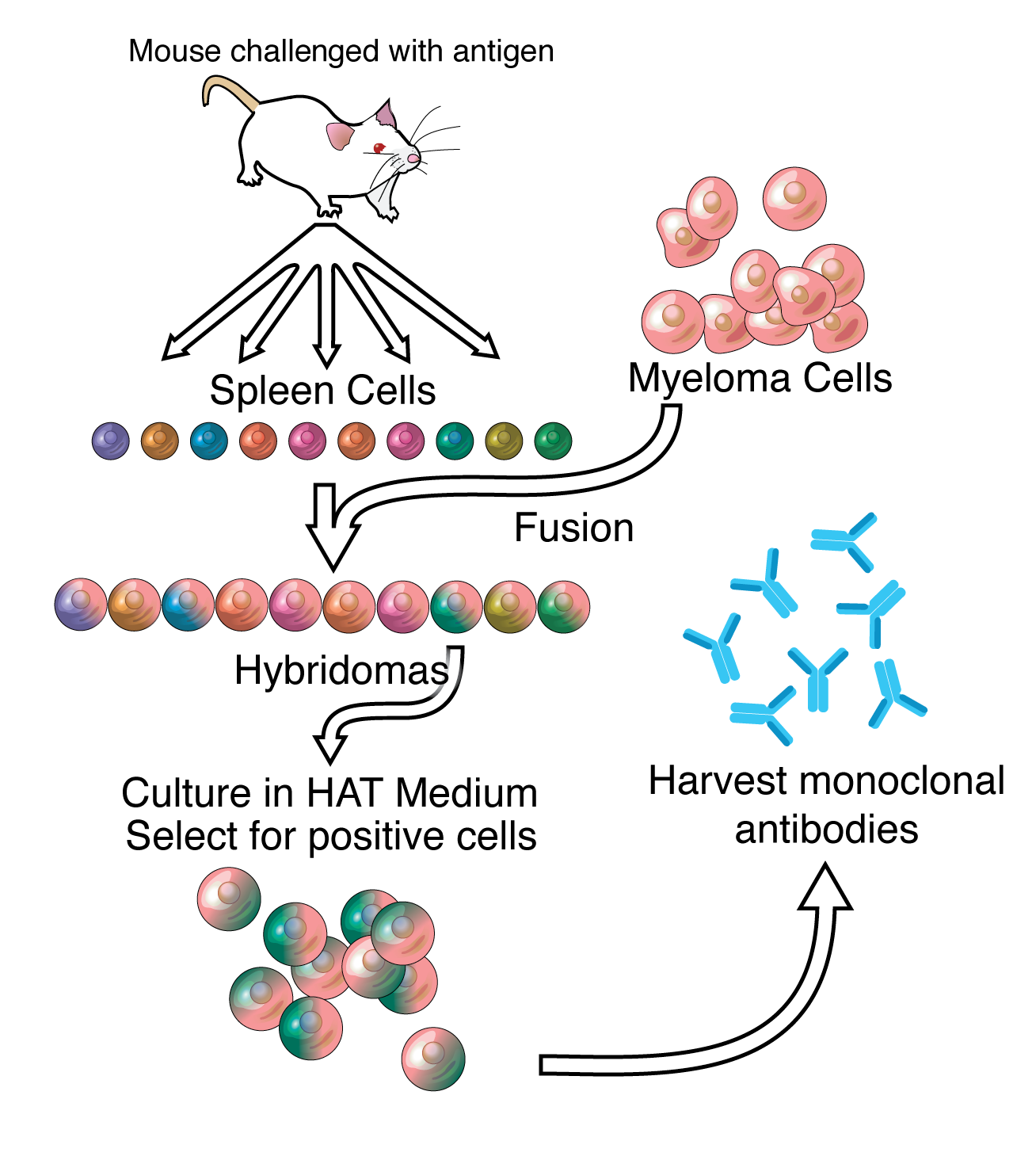
At its core, a monoclonal antibody is a laboratory-produced molecule designed to serve as a substitute antibody. In the natural world, your immune system produces millions of different antibodies to fight off various pathogens. However, monoclonal antibody technology allows scientists to “clone” a single, highly effective antibody and mass-produce it.
From Biological Templates to Lab-Grown Precision
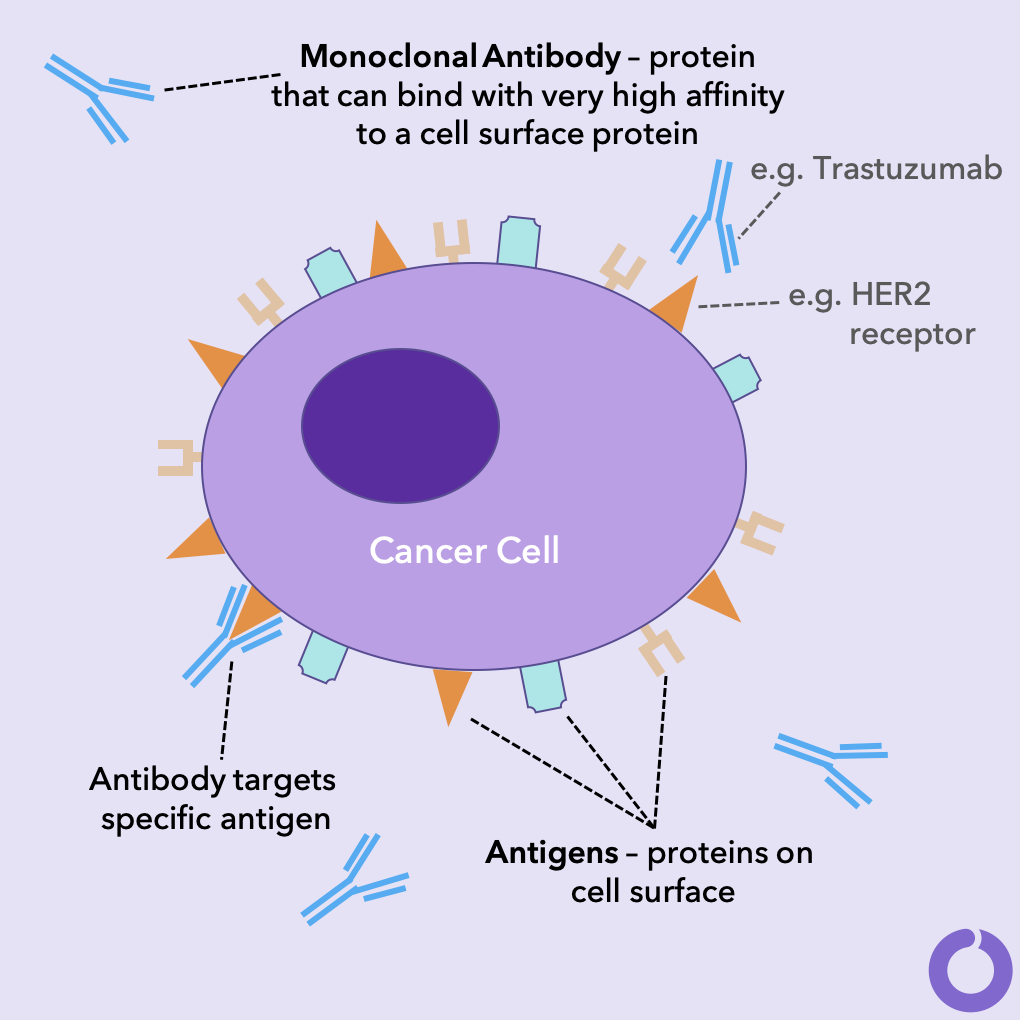
The “tech” of monoclonal antibodies begins with the identification of a target—typically a specific protein on the surface of a cancer cell or a virus. Once this target (or antigen) is identified, engineers use various platforms to generate an antibody that fits into that protein like a key into a lock. This is not a random process; it is a high-tech mapping exercise. By utilizing advanced imaging and protein sequencing, researchers can visualize the exact topography of the target protein and design a molecule that binds to it with 100% specificity.
The Engineering Process: Hybridoma Technology and Beyond
The classic method for producing these tools, known as hybridoma technology, involves fusing a specific antibody-producing white blood cell with a “donated” myeloma cell (a type of lab-grown cell that can multiply indefinitely). This creates a “factory” cell that produces identical—monoclonal—antibodies. Today, this has evolved into “Phage Display” and transgenic mouse platforms, which are essentially high-throughput biological screening systems that allow for the rapid iteration and optimization of antibody designs. This shift from manual discovery to automated, high-throughput screening marks the transition of mAb development into a true technology sector.
AI and Machine Learning: Accelerating Antibody Discovery
The most significant technological trend in the biopharmaceutical space is the integration of Artificial Intelligence (AI) and Machine Learning (ML) into the discovery phase of monoclonal antibodies. Historically, developing a new mAb could take a decade and cost billions. Today, AI tools are rewriting that timeline.
Predictive Modeling for Protein Folding
One of the greatest challenges in bio-tech has been the “protein folding problem”—predicting how a string of amino acids will fold into a complex 3D shape. In recent years, tools like Google DeepMind’s AlphaFold have revolutionized this. By using deep learning, researchers can now predict the structure of an antibody and its target with unprecedented accuracy. This means that instead of physically testing ten thousand different antibody variations in a wet lab, engineers can run “in silico” simulations to narrow the field to the top ten candidates.
Reducing the R&D Lifecycle through Computational Bio-Simulations
AI-driven platforms are now being used to optimize the “developability” of antibodies. This involves using algorithms to predict if a designed antibody will be stable, if it will clump together (aggregation), or if it will be cleared by the body too quickly. By treating the antibody design as a data optimization problem, tech-driven biotech firms are drastically reducing the R&D lifecycle, making the production of specialized antibodies faster and more cost-effective than ever before.
Next-Gen Delivery Systems: Smart Tech for Smart Drugs
Just as a powerful software application requires a robust operating system and hardware to run, monoclonal antibodies require sophisticated delivery systems to ensure they reach their target without being degraded by the body’s natural defenses.
Antibody-Drug Conjugates (ADCs): The “Guided Missile” Tech
Perhaps the most exciting “hardware” integration in this field is the development of Antibody-Drug Conjugates (ADCs). If a monoclonal antibody is a “GPS-guided drone,” the ADC is that drone carrying a payload. These are complex molecules where a monoclonal antibody is chemically “linked” to a potent drug or toxin. The antibody handles the navigation—finding the specific cancer cell or infected site—and once it binds to the target, it releases the payload. This tech minimizes “collateral damage” to healthy cells, representing a massive leap forward in the engineering of targeted therapies.
Bispecific Antibodies: Multi-Tasking at the Cellular Level
In the world of software, we value multi-threading and multi-tasking. In biotech, this concept is mirrored in “Bispecific Antibodies.” Standard mAbs have one “arm” that binds to one target. Bispecific tech engineers a molecule with two different binding sites. For example, one arm might grab a cancer cell, while the other arm grabs a T-cell (an immune system soldier), physically pulling the two together to ensure the immune system destroys the threat. This is a level of mechanical engineering at a cellular scale that was unthinkable twenty years ago.
Scaling the Bio-Fab: The Technology of Large-Scale Biomanufacturing
Once an antibody is designed, the challenge shifts from “design” to “manufacturing.” This is where the world of monoclonal antibodies meets industrial technology. Producing these complex proteins requires a level of environmental control that exceeds even that of semiconductor fabrication.
Bioreactors and the Digital Twin in Manufacturing
The “factories” for mAbs are massive stainless-steel bioreactors where genetically modified cells are grown in a carefully controlled broth. Modern facilities use “Digital Twin” technology—a virtual model of the bioreactor that uses real-time sensor data (pH, oxygen levels, temperature) to predict and optimize the yield. This fusion of Internet of Things (IoT) sensors and biological production ensures that the final “product” is consistent across every batch, a critical requirement for regulatory approval and patient safety.
The Future of Distributed Bio-Production
We are also seeing a trend toward “modular” or “distributed” manufacturing. Instead of one massive factory, companies are developing containerized, automated “mini-fabs” that can be deployed closer to the point of care. These units rely on high-level automation and remote monitoring technology, allowing for the rapid production of specific antibodies in response to local outbreaks or specific patient needs, much like how edge computing brings data processing closer to the user.
Digital Security and Ethical Guardrails in Genetic Data
As monoclonal antibodies become increasingly digitized—with their “blueprints” stored as genetic sequences in cloud databases—digital security becomes a paramount concern.
Protecting Intellectual Property in the Age of Bio-Hacking
The sequence of a highly effective monoclonal antibody is essentially the “source code” of a multi-billion dollar asset. Protecting this data from cyber-espionage and bio-piracy is a major focus for the tech departments of biotech firms. We are seeing the implementation of blockchain for supply chain transparency and advanced encryption to protect the genomic data used to design these therapies.
The Rise of Synthetic Biology Platforms
The convergence of tech and biology also raises ethical and security questions regarding synthetic biology. As tools for “printing” DNA become more accessible, the technology used to create life-saving antibodies could, in theory, be repurposed. This has led to the development of “digital guardrails” and screening algorithms that check synthesized DNA orders against databases of known pathogens, ensuring that the technology remains a force for good.

Conclusion: The Programmable Future of Medicine
Monoclonal antibodies represent a fundamental shift in how we approach problem-solving in the biological realm. By treating the human immune response as a system that can be upgraded, patched, and optimized, we have moved from the era of “discovery” into the era of “engineering.”
The development of mAbs is no longer just a medical endeavor; it is a high-tech discipline fueled by AI, robotics, data science, and advanced manufacturing. As our ability to design these molecular tools grows, we are looking at a future where we can “program” a biological response to almost any threat—be it a new virus, a stubborn cancer, or an autoimmune malfunction. In the intersection of technology and biology, monoclonal antibodies are the premier example of how precision engineering is redefining what it means to be human in the 21st century.
aViewFromTheCave is a participant in the Amazon Services LLC Associates Program, an affiliate advertising program designed to provide a means for sites to earn advertising fees by advertising and linking to Amazon.com. Amazon, the Amazon logo, AmazonSupply, and the AmazonSupply logo are trademarks of Amazon.com, Inc. or its affiliates. As an Amazon Associate we earn affiliate commissions from qualifying purchases.