
In the lexicon of modern marketing, the word “gratifying” is often used to describe the pinnacle of a customer’s interaction with a business. But what does gratifying mean when applied to brand strategy? At its core, gratification refers to the sense of pleasure, satisfaction, or fulfillment a consumer derives from an experience. In a branding context, it is the bridge between a functional transaction and an emotional connection.
To build a brand that is truly gratifying, a company must move beyond simply delivering a product. It must design experiences that reward the consumer’s time, money, and emotional investment. In an era of infinite choice and shortening attention spans, gratification has become the primary currency of brand loyalty.

The Psychology of Gratification in the Modern Market
Understanding gratification requires a deep dive into consumer psychology. Human beings are biologically wired to seek rewards. When a brand provides a solution to a problem or a moment of delight, the brain releases dopamine—the “feel-good” neurotransmitter. For brands, the challenge is balancing the need for immediate rewards with the necessity of long-term satisfaction.
Instant Gratification vs. Delayed Brand Loyalty
We live in the age of instant gratification. From one-hour delivery to streaming services that play the next episode automatically, brands have trained consumers to expect immediate results. In brand strategy, providing instant gratification means reducing the “time to value.” If a customer interacts with your brand and feels an immediate sense of ease or success, the brand is perceived as gratifying.
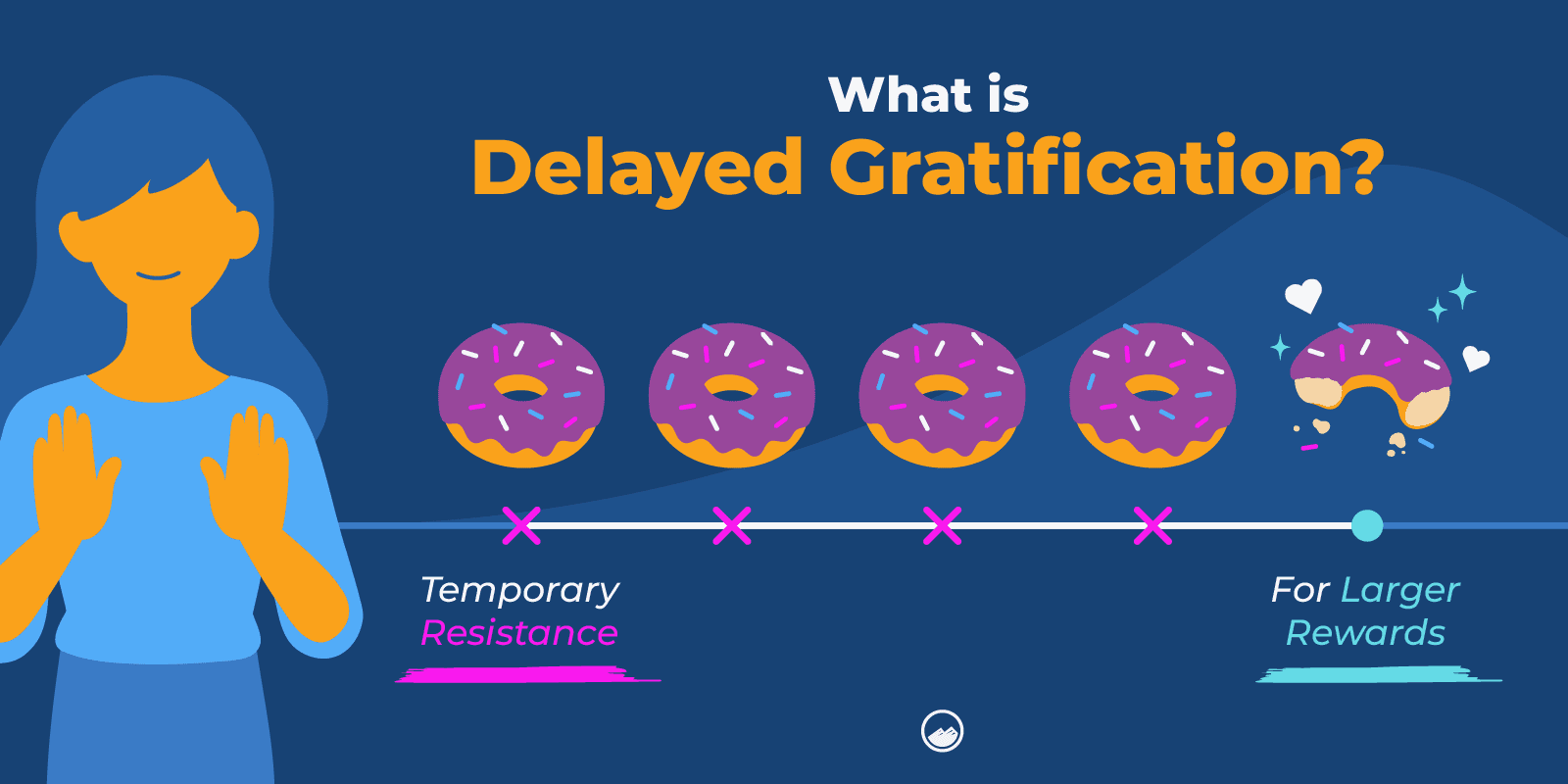
However, a brand built solely on instant gratification can become a commodity. True brand equity is built when a brand also offers delayed gratification—the sense of pride or belonging that comes from being associated with a premium or value-driven brand over many years. A gratifying brand strategy masters both: the quick win of a seamless purchase and the long-term reward of being part of a community.
The Neurological Impact of a Satisfying Brand Interaction
When a brand experience is described as “gratifying,” it usually means the brand has exceeded the customer’s expectations in a way that feels personal. Neurologically, this happens when the “Prediction Error” is positive—meaning the reality of the brand experience was better than what the brain anticipated.
By consistently delivering these “positive surprises,” a brand can move from being a utility to being a preferred partner. This neurological shortcut is what leads to habit formation. When a consumer finds a brand gratifying, they stop looking for alternatives because the brain prefers the guaranteed reward of the known entity over the risk of a new, unknown competitor.
Designing a Gratifying User Experience (UX)
In the digital landscape, the brand is the experience. Whether it is an app, a website, or a physical storefront, the user experience (UX) is the primary vehicle for delivering gratification. If a brand’s identity promises luxury and ease, but its digital interface is clunky and frustrating, the brand promise is broken.
Reducing Friction to Enhance Satisfaction
Nothing kills gratification faster than friction. Friction is any hurdle—a slow-loading page, a confusing checkout process, or unhelpful customer support—that stands between the consumer and their goal. A gratifying brand is one that feels invisible because it works so perfectly.
By auditing the “customer journey,” brand strategists can identify pain points where gratification is being lost. For example, brands like Apple and Airbnb have built multi-billion dollar identities not just on their products, but on the extreme gratification of their interfaces. The simplicity of their design provides a sense of calm and control to the user, which is inherently gratifying.
Micro-interactions and the “Aha!” Moment
Gratification often lives in the small details, known in design as micro-interactions. These are the subtle animations, the satisfying “click” of a button, or the personalized “Welcome back” message that greets a returning user.
The “Aha!” moment is the specific point in a brand interaction where the user realizes the full value of the service. For a brand like Slack, the “Aha!” moment might be the first time a team completes a project without using email. Identifying and accelerating this moment is key to making a brand feel gratifying early in the relationship.
Gratifying Brand Identities: Emotional Connection and Storytelling
Beyond the functional aspects of a product, a brand must offer emotional gratification. This is the sense of fulfillment a consumer feels when they align themselves with a brand that represents their values, status, or aspirations.

Aligning Values for Deep-Seated Gratification
Modern consumers, particularly Millennials and Gen Z, find gratification in “conscious consumption.” They want to know that their purchases are contributing to a better world. When a brand like Patagonia or Toms makes a sale, the gratification for the consumer is twofold: they receive a high-quality product, and they receive the psychological reward of knowing they supported an ethical cause.
This is why brand purpose is no longer a “nice-to-have” but a strategic imperative. A brand that stands for something provides a platform for the consumer to express their own identity. This form of gratification is much deeper and more resilient than the fleeting joy of a discount or a flashy advertisement.
Case Studies of High-Gratification Brands
-
Nike: Nike doesn’t just sell shoes; it sells the gratification of athletic achievement. Their brand messaging focuses on the “Just Do It” spirit, making every customer feel like an athlete. The gratification comes from the emotional empowerment the brand provides.
-
Starbucks: The gratification of Starbucks isn’t just the caffeine; it’s the “Third Place” experience—the consistency of the environment, the personalization of the order, and the reward system that gamifies the experience.
-
Tesla: Tesla provides gratification through status and innovation. Owners feel they are part of a technological elite, contributing to a sustainable future while enjoying a high-performance vehicle. The gratification is both sensory (the speed of the car) and ideological (the mission of the company).
Measuring Gratification: Beyond Simple Metrics
If a brand’s goal is to be gratifying, how does it measure success? Traditional metrics like sales and conversion rates tell you what happened, but they don’t necessarily tell you how the customer felt. To understand gratification, brand managers must look at more nuanced data.
Net Promoter Score (NPS) and Sentiment Analysis
The Net Promoter Score (NPS) is a classic metric for measuring gratification because it asks a simple question: “Would you recommend this brand to a friend?” Recommendation is the ultimate sign of a gratifying experience; no one recommends something that they found frustrating or mediocre.
Furthermore, modern brands use AI-driven sentiment analysis to scour social media and reviews. By analyzing the language customers use, brands can determine if they are being described as “helpful,” “delightful,” and “gratifying,” or merely “fine.” A gratifying brand aims for high emotional resonance in its customer feedback.
The Lifecycle of a Gratified Customer
A gratified customer follows a specific lifecycle:
-
Discovery: They find the brand and feel a spark of interest.
-
Validation: Their first interaction is seamless and rewarding.
-
Habitualization: They return because the brand provides a reliable reward.
-
Advocacy: They become a brand ambassador because the association with the brand is personally gratifying.
Tracking retention rates and Customer Lifetime Value (CLV) provides the hard data to back up these emotional shifts. High retention is the clearest indicator that a brand is consistently gratifying its audience.
The Future of Brand Gratification in an AI-Driven World
As we move into a future dominated by artificial intelligence and machine learning, the definition of what is gratifying is shifting. We are moving from a world of “mass gratification” to “hyper-personalization.”
Hyper-Personalization as the Ultimate Reward
In the past, brands tried to gratify as many people as possible with a single message. Today, technology allows brands to gratify the individual. When Netflix recommends exactly the right movie, or Spotify creates a “Discover Weekly” playlist that feels like it was curated by a close friend, the gratification is immense because it feels personal.
The future of brand strategy lies in “predictive gratification”—using data to anticipate a customer’s needs before they even express them. If a brand can solve a problem for a customer before they realize they have it, it achieves the highest possible level of gratification.
Maintaining the Human Touch in Brand Strategy
While AI can enhance personalization, the most gratifying brands of the future will be those that maintain a human soul. Gratification is, at its heart, a human emotion. As technology becomes more pervasive, consumers will increasingly crave brands that offer “human-centric gratification”—empathy, community, and genuine connection.
In conclusion, “gratifying” in the world of branding means creating a harmonious loop of expectation and reward. It is the art of making a customer feel seen, heard, and valued. By focusing on both the functional ease of the user experience and the deep emotional resonance of the brand identity, companies can build brands that don’t just sell, but truly satisfy. In a competitive marketplace, the most gratifying brand always wins.
aViewFromTheCave is a participant in the Amazon Services LLC Associates Program, an affiliate advertising program designed to provide a means for sites to earn advertising fees by advertising and linking to Amazon.com. Amazon, the Amazon logo, AmazonSupply, and the AmazonSupply logo are trademarks of Amazon.com, Inc. or its affiliates. As an Amazon Associate we earn affiliate commissions from qualifying purchases.