
In the complex ecosystem of global finance and labor relations, few phrases carry as much weight as “going on strike.” At its most fundamental level, to go on strike means that a group of employees collectively refuses to work as a form of protest, typically in an attempt to gain concessions from their employer. While the term is often discussed in political or social contexts, its truest implications are found within the realm of “Money”—encompassing business finance, personal income security, and market stability.

For an individual, a strike represents a significant personal financial risk. For a corporation, it is a disruption to the revenue cycle and a threat to shareholder value. For the broader economy, a strike can signal shifting trends in inflation, wage growth, and supply chain reliability. Understanding the mechanics of a strike is essential for any professional, investor, or business owner navigating the modern financial landscape.
The Economic Mechanics of a Strike
To understand what going on strike means, one must first view it through the lens of economic leverage. In a capitalist system, labor is a service sold by workers to employers. A strike is, in essence, a temporary withdrawal of that service to recalibrate the price (wages) or the conditions (benefits/hours) of the sale.
Defining the Labor Strike in a Financial Context
From a financial perspective, a strike is a high-stakes negotiation tactic used when standard collective bargaining fails. When workers “walk off the lot,” they are betting that the financial loss the company incurs due to halted production will eventually outweigh the cost of meeting the workers’ demands. This is a calculation of “pain endurance.” The union calculates how long its members can survive without a paycheck, while the company calculates how long it can sustain fixed costs—such as rent, debt interest, and equipment maintenance—without generating revenue.
The Legal and Regulatory Framework
In most developed economies, the right to strike is protected by law, but it is strictly regulated to prevent total economic collapse. In the United States, the National Labor Relations Act (NLRA) governs these actions. Financially, the “type” of strike matters immensely. For instance, an “Economic Strike” (focused on wages or benefits) allows employers to hire permanent replacements, whereas a “Unalawful Labor Practice Strike” provides workers with more job security. Understanding these legal nuances is critical for business finance teams as they assess the “liability” of a potential labor dispute.
The Role of Collective Bargaining
Before a strike occurs, there is almost always a period of collective bargaining. This is where financial analysts from both the union side and the corporate side clash. The union may point to record-breaking quarterly profits or executive bonuses as justification for a “cost-of-living adjustment” (COLA). Conversely, the company might cite “inflationary pressures” or “capital expenditure requirements” as reasons to keep wages stagnant. When these two financial narratives cannot find common ground, a strike becomes the final arbiter.
The Direct Financial Consequences for Employees and Employers
The decision to go on strike is never made lightly because the immediate financial “burn rate” is intense for both parties involved. It is a period of extreme fiscal volatility that requires meticulous planning.
Personal Finance: Survival Strategies for Workers
For the individual worker, going on strike means an immediate cessation of their primary source of income. This creates a personal finance crisis that must be managed. Many unions maintain “Strike Funds”—pools of capital collected through member dues over years—to provide a meager weekly stipend to striking members. However, these funds rarely cover a full mortgage payment or modern cost-of-living expenses.
Striking workers often have to pivot to “side hustles” or utilize emergency savings to bridge the gap. Furthermore, during a strike, employer-sponsored benefits like health insurance may be suspended, forcing individuals to pay for COBRA or out-of-pocket medical costs. The “money” meaning of a strike for a worker is a calculated sacrifice: losing short-term income in hopes of securing a higher “lifetime earnings” trajectory through a better contract.
Corporate Finance: Revenue Loss and Operational Disruption
For a business, a strike is a catastrophic “operational risk.” When production stops, the “Cash Conversion Cycle” is broken. A manufacturing company with a strike in its primary factory still has to pay its bondholders and its administrative staff, but it has no product to sell to its customers.
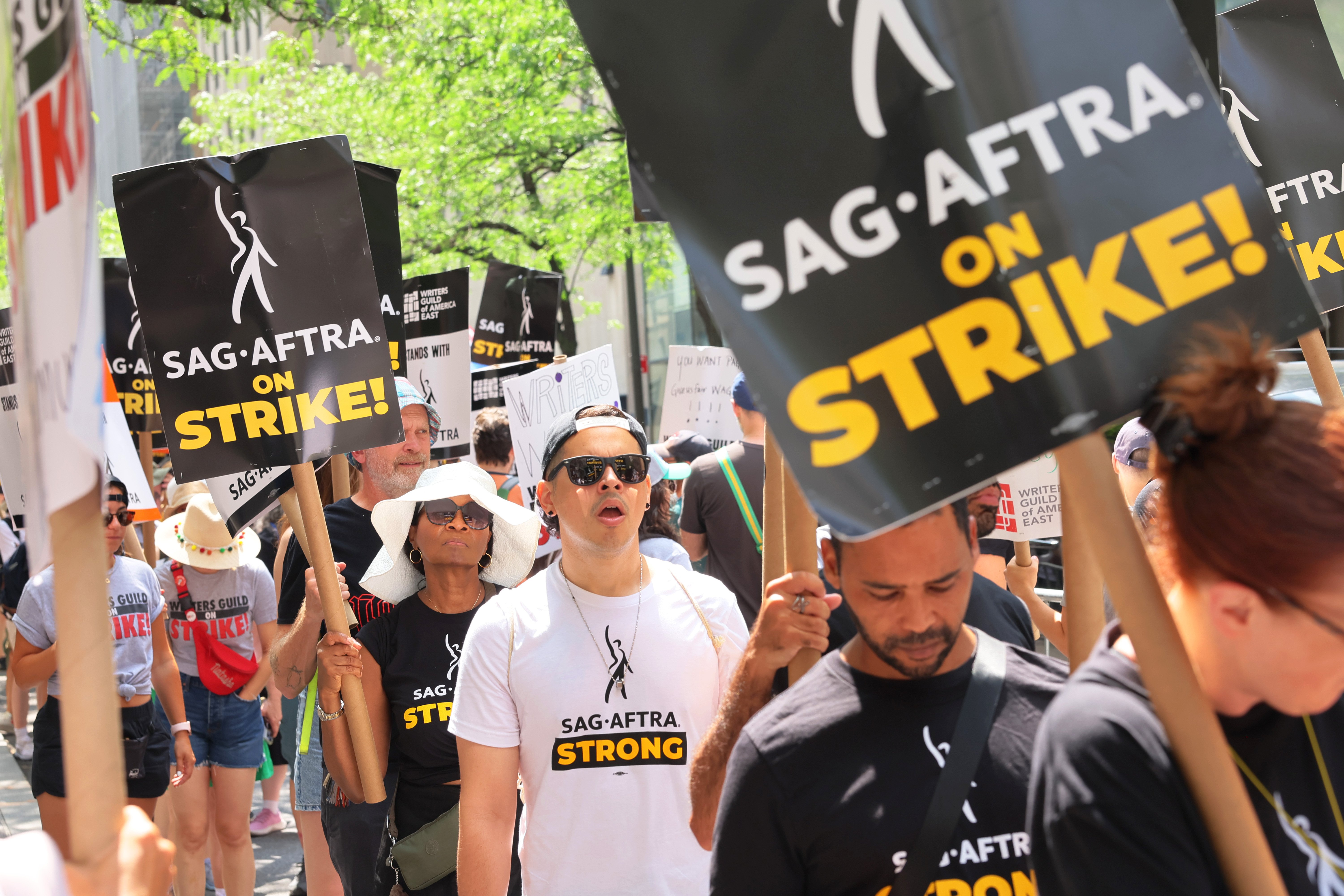
The financial damage of a strike is often categorized into:
- Lost Opportunity Cost: Sales that are lost to competitors who are still operational.
- Fixed Cost Bleed: The continued expense of maintaining idle facilities.
- Reputational Capital: The loss of brand trust with clients who may experience shipping delays or service outages.
In many cases, the threat of a strike is enough to make a CFO move funds into “contingency reserves,” potentially diverting money away from research and development or dividends.
Broader Market Implications and Investor Sentiment
When a major industry—such as the automotive, film, or logistics sector—goes on strike, the financial ripples extend far beyond the bargaining table. The “Money” niche looks at these events as indicators of market health and sectoral volatility.
Impact on Stock Performance and Shareholder Value
Investors detest uncertainty. When a strike is announced, the affected company’s stock price often experiences an immediate dip. Analysts begin “stress-testing” the company’s balance sheet to see how many months of a strike the firm can endure before its credit rating is downgraded.
However, the long-term impact on stock price is more nuanced. If a strike results in a contract that significantly increases labor costs, investors may worry about “margin compression”—the shrinking of profit margins. On the other hand, if the company “wins” the strike by keeping costs low, the stock may rebound. Professional investors must weigh these labor-management tensions when performing a fundamental analysis of any publicly traded company.
Supply Chain Disruptions and Inflationary Pressures
In our interconnected global economy, a strike at a major port or a national railway can trigger a “bullwhip effect.” If goods cannot move, scarcity increases, which drives up prices—a direct contributor to inflation. For example, a strike in the semiconductor industry could lead to a shortage of consumer electronics, forcing prices higher across the board. From a “Business Finance” perspective, companies must build “labor-related disruptions” into their supply chain risk models, often diversifying their suppliers to ensure that a strike in one region doesn’t bankrupt their entire operation.
Modern Alternatives and the “Digital Strike” in the New Economy
As the nature of work shifts from traditional factories to the “Gig Economy” and digital platforms, the definition of “going on strike” is evolving. The financial structures of these movements are also changing, creating new challenges for online income earners.
Side Hustles and Freelance Collective Action
In the world of online income and side hustles, “striking” looks different. We are seeing more frequent “Digital Strikes” where app-based drivers (like Uber or Lyft) or delivery workers collectively log off the platform during peak hours. Unlike traditional strikes, these participants are “independent contractors” and lack the legal protections of unionized employees.
For these workers, a strike is a direct hit to their daily cash flow. Without a central union fund, many of these “digital strikers” rely on crowdfunding or social media awareness to sustain their action. For the platforms, these strikes represent an “algorithmic risk”—if enough workers log off, the platform’s “surge pricing” may alienate customers, leading to a permanent shift in consumer behavior toward competitors.

The Future of Labor Disputes in an Automated World
As AI tools and automation become more prevalent, the “Money” conversation surrounding strikes is shifting toward “Universal Basic Income” (UBI) and “Automation Taxes.” Workers may go on strike not just for higher pay, but for “technological protection”—guarantees that they won’t be replaced by software.
From a financial planning perspective, this means that companies must now evaluate the “Return on Investment” (ROI) of automating a workforce versus the cost of frequent labor disputes. We are entering an era where “going on strike” might mean a collective refusal to train the AI models that are intended to replace human labor. This is a new frontier in “digital security” and “personal branding” for workers who must prove their value in a changing financial landscape.
In conclusion, “going on strike” is far more than a simple work stoppage; it is a sophisticated financial event with deep roots in the principles of supply and demand. Whether you are a worker managing your personal finance through a period of unpaid protest, a corporate executive protecting the bottom line, or an investor tracking market volatility, understanding the financial anatomy of a strike is vital. It is the ultimate expression of labor’s value in a market economy—a reminder that while capital may own the machines, it is the human element that keeps the wheels of finance turning.
aViewFromTheCave is a participant in the Amazon Services LLC Associates Program, an affiliate advertising program designed to provide a means for sites to earn advertising fees by advertising and linking to Amazon.com. Amazon, the Amazon logo, AmazonSupply, and the AmazonSupply logo are trademarks of Amazon.com, Inc. or its affiliates. As an Amazon Associate we earn affiliate commissions from qualifying purchases.