
In the realm of wellness, ginger root is celebrated for its powerful, multifaceted benefits – from soothing discomfort and invigorating metabolism to bolstering immunity. It’s a foundational ingredient, revered for its ability to enhance overall bodily function and resilience. But what if we were to apply this powerful analogy to the corporate world, asking: “What does ginger root do for the body of a brand?”
In this unique metaphorical exploration, we will delve into how core brand principles and strategic initiatives function much like ginger root within an organization. A robust brand isn’t merely a logo or a catchy slogan; it’s the very lifeblood that circulates through every facet of a company, influencing its health, vitality, and longevity. Just as ginger contributes to physical well-being, a well-defined and strategically managed brand acts as an internal stimulant, a protective shield, and a catalyst for growth, ensuring the entire organizational ‘body’ operates at its peak.
The Potent Core: Defining Your Brand’s Essence
Just as ginger root’s effectiveness stems from its unique chemical compounds, a brand’s strength originates from its inherent essence – its fundamental identity that sets it apart. This core identity is not just what you say about your brand, but what your brand genuinely is, believes, and represents. Without a clearly defined essence, a brand lacks direction, struggling to resonate with its audience and stand out in a crowded marketplace.
Identifying Your Unique Flavor (Mission, Vision, Values)
Every successful brand, like a distinct spice, possesses a unique flavor profile that makes it memorable. This flavor is encapsulated in its mission, vision, and values. Your mission is your brand’s purpose – why it exists and what it aims to achieve for its customers and the world. It’s the initial burst of energy, much like the first taste of ginger. Your vision is the aspirational future state, the long-term impact you hope to make, providing a guiding light for all strategic decisions. Finally, your values are the immutable principles that govern your brand’s behavior, decision-making, and interactions, both internally and externally. These values are the underlying warmth and lasting impression ginger leaves; they define your brand’s character and foster trust. A brand with clearly articulated values can attract like-minded customers and employees, building a community around shared beliefs and fostering a sense of belonging. Neglecting these foundational elements leaves a brand vulnerable, lacking the internal coherence to weather market shifts or reputational challenges. They are the genetic code of your brand’s DNA, critical for healthy growth and function.
Cultivating Brand Identity (Visuals, Voice, Messaging)
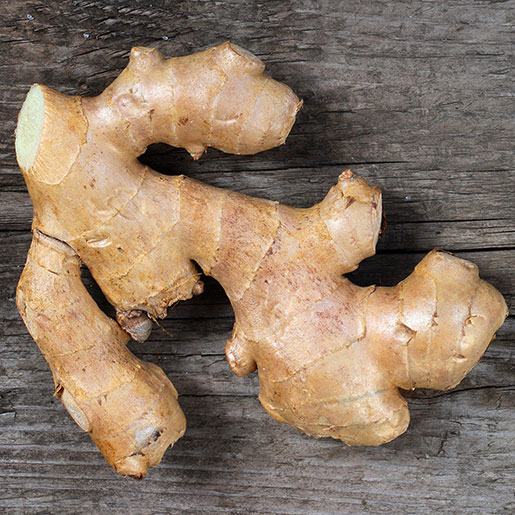
Once the core essence is defined, it must be outwardly expressed through a cohesive brand identity. This is the visual and auditory manifestation of your brand’s unique flavor. It encompasses everything from your logo, color palette, and typography to your brand’s voice and messaging. These elements are not just aesthetic choices; they are strategic tools that communicate your brand’s personality, professionalism, and promise. A distinctive visual identity creates instant recognition and reinforces memory, akin to ginger’s unique, gnarled appearance. A consistent brand voice, whether authoritative, playful, or empathetic, ensures that every interaction – from website copy to social media posts – reflects your core values and mission. Strategic messaging then translates this identity into compelling narratives that resonate with your target audience, clarifying what your brand offers and why it matters. Just as different forms of ginger (fresh, powdered, pickled) offer distinct experiences while maintaining their core identity, a brand must maintain consistency across all touchpoints while adapting its presentation to various platforms and contexts. This consistent cultivation builds familiarity and trust, allowing the brand’s positive ‘effects’ to permeate the market.
Invigorating Performance: How Brand Strategy Drives Growth
Beyond defining its essence, a brand, much like ginger, must actively invigorate the ‘body’ of the organization to stimulate growth and ensure robust performance. Brand strategy is not a passive exercise; it’s an active force that propels a company forward, enhancing its competitive stance and deepening customer relationships. It acts as a powerful stimulant, improving circulation within the business ecosystem and ensuring all parts are working in synergy towards a common goal.
Boosting Market Immunity (Differentiation and Competitive Edge)
In a competitive market, a strong brand provides a crucial form of ‘immunity’ by clearly differentiating itself from rivals. Just as ginger bolsters the body’s defenses, a well-executed brand strategy fortifies a company against market pressures and commoditization. This differentiation is achieved by highlighting unique selling propositions (USPs) that resonate deeply with the target audience. It’s about articulating why your brand is the superior choice, not just in terms of product features, but in terms of experience, values, and perceived benefits. This robust brand identity creates a barrier to entry for competitors and reduces price sensitivity among loyal customers. When consumers perceive a distinct value and personality in a brand, they are less likely to switch to alternatives, even if they offer slightly lower prices. This protective effect ensures sustained demand and market share, making the brand more resilient to economic downturns or aggressive competitor campaigns, much like a strong immune system fends off illness.
Stimulating Engagement and Loyalty (Customer Connection)

One of ginger’s most celebrated qualities is its ability to stimulate the body’s internal systems, improving digestion and absorption. Similarly, a potent brand strategy stimulates deep engagement and cultivates unwavering customer loyalty. This goes beyond mere transactions; it’s about fostering emotional connections and building a community around the brand. Brands that tell compelling stories, offer exceptional customer experiences, and consistently deliver on their promises create a powerful magnetic pull. They convert casual buyers into fervent advocates who not only return for repeat purchases but also actively champion the brand to their networks. This loyalty is a goldmine, significantly reducing customer acquisition costs and providing a stable revenue stream. Moreover, highly engaged customers often provide invaluable feedback, contributing to product innovation and service improvements. This symbiotic relationship, fueled by consistent brand messaging and authentic interactions, ensures the brand remains relevant and cherished, much like a trusted remedy that customers return to time and again.
Soothing Ailments: Addressing Brand Challenges
Even the healthiest bodies face occasional ailments, and brands are no different. Market shifts, technological disruptions, and reputational crises can all threaten a brand’s vitality. Here, the metaphorical ‘ginger root’ demonstrates its soothing and healing properties, providing the strategic tools to mitigate damage, restore trust, and adapt to adversity. A resilient brand strategy acts as an internal calming agent and a restorative tonic, allowing the organization to recover and emerge stronger.
Calming Reputational Distress (Crisis Management, Brand Trust)
Reputational crises, much like acute physical pain, can be debilitating for a brand. From product recalls to public relations missteps, negative incidents can erode trust and damage brand equity overnight. A proactive brand strategy, however, acts like ginger’s anti-inflammatory properties, helping to calm the immediate distress and facilitate healing. This involves having a robust crisis management plan in place, enabling swift, transparent, and empathetic communication. It requires brands to acknowledge mistakes, take responsibility, and outline clear steps for rectification. More importantly, consistent long-term brand building – rooted in authenticity, ethical practices, and customer-centricity – creates a reservoir of brand trust. When a brand has consistently demonstrated integrity, consumers are often more forgiving during challenging times, perceiving incidents as isolated rather than systemic failures. This reservoir of trust acts as a buffer, allowing the brand to weather the storm and rebuild its image more effectively than a brand lacking such foundational credibility.
Enhancing Adaptability and Resilience (Future-proofing)
The market landscape is constantly evolving, driven by technological advancements, shifting consumer preferences, and global events. Brands that resist change risk becoming stagnant and irrelevant. Here, the ‘ginger root’ principle encourages adaptability and resilience, much like ginger’s ability to thrive in diverse climates. A future-proofed brand strategy isn’t about predicting the future but about building an organizational ‘body’ that is agile and responsive. This involves continuous market research, monitoring emerging trends, and fostering a culture of innovation. Brands must be willing to pivot, refine their offerings, and even redefine their identities to remain relevant to evolving consumer needs. This might mean exploring new digital channels, embracing sustainable practices, or expanding into new product categories. By regularly evaluating its relevance and embracing strategic evolution, a brand can avoid obsolescence and maintain its energetic pulse, ensuring long-term viability and growth, regardless of external pressures.
Sustaining Vitality: Long-term Brand Health
The benefits of ginger root are often associated with continuous consumption and integration into a healthy lifestyle. Similarly, a brand’s vitality is not a one-time achievement but an ongoing commitment to nourishment, evaluation, and evolution. Sustaining long-term brand health requires consistent effort, strategic oversight, and a willingness to adapt, ensuring the brand remains robust and relevant over time.
Measuring Brand Wellness (Metrics and KPIs)
Just as health metrics track physical well-being, specific key performance indicators (KPIs) are essential for measuring brand wellness. These metrics move beyond sales figures to gauge the intangible, yet immensely valuable, aspects of brand health. They include brand awareness (how many people know your brand), brand perception (what people think and feel about your brand), customer loyalty (repeat purchases, retention rates), brand equity (the value premium that a company generates from a product with a recognizable name as compared to a generic equivalent), and social sentiment (how the brand is discussed online). Regularly tracking these KPIs allows organizations to identify areas of strength and weakness, much like a doctor uses diagnostics to pinpoint health issues. This data-driven approach provides critical insights into the effectiveness of brand strategies, guiding resource allocation and informing necessary adjustments to maintain optimal brand vitality. Without these measurements, efforts to nurture the brand are merely guesswork, lacking the precision needed for sustainable health.

Continuous Nourishment and Evolution (Innovation, Rebranding)
To sustain its vitality, a brand requires continuous nourishment and a willingness to evolve. This translates into ongoing innovation, strategic content creation, and, when necessary, thoughtful rebranding. Innovation ensures that the brand’s offerings remain fresh, relevant, and superior, preventing stagnation and maintaining competitive edge. This could involve new product development, improved service delivery, or embracing emerging technologies. Strategic content creation keeps the brand narrative alive and engaging, continually reinforcing its mission, values, and unique identity across various platforms. Furthermore, successful brands understand that growth often necessitates evolutionary or revolutionary rebranding. While rebranding might seem daunting, it can be a vital process for revitalizing a stale image, adapting to new market segments, or reflecting a significant shift in the company’s vision. This doesn’t mean abandoning the core essence, but rather carefully refining its expression to resonate with contemporary audiences while preserving foundational trust. Much like ginger can be integrated into countless recipes in various forms, a brand must consistently adapt its presentation and offerings to remain a vibrant, essential ingredient in the market.
In conclusion, when we ask “what does ginger root do for the body” through the lens of brand strategy, the answer is clear: it provides a powerful, multi-faceted foundation for health, resilience, and growth. By diligently defining its essence, actively invigorating its performance, strategically addressing challenges, and committing to continuous nourishment and evolution, a brand can cultivate a robust ‘body’ that not only thrives in today’s dynamic market but also ensures sustained vitality for years to come. Just as ginger root is a cornerstone of natural wellness, a well-managed brand is an indispensable asset for corporate longevity and success.
aViewFromTheCave is a participant in the Amazon Services LLC Associates Program, an affiliate advertising program designed to provide a means for sites to earn advertising fees by advertising and linking to Amazon.com. Amazon, the Amazon logo, AmazonSupply, and the AmazonSupply logo are trademarks of Amazon.com, Inc. or its affiliates. As an Amazon Associate we earn affiliate commissions from qualifying purchases.