
The term “freeze-dried” has become increasingly prevalent in various industries, from food and pharmaceuticals to aerospace. While its application might seem diverse, the core process, known as lyophilization, represents a sophisticated technological advancement that significantly impacts product preservation, functionality, and longevity. Understanding what freeze-dried truly signifies is to grasp a fundamental principle in modern material science and engineering, unlocking a deeper appreciation for the innovations that shape our daily lives and beyond.
The Science Behind Lyophilization: A Deeper Dive
At its heart, freeze-drying is a dehydration process. However, it’s a far cry from simply air-drying or oven-drying. Lyophilization operates on the principle of sublimation, the direct transition of a substance from a solid to a gas state, bypassing the liquid phase entirely. This remarkable feat is achieved through a carefully controlled sequence of temperature and pressure manipulation.

Understanding Sublimation: The Cornerstone of Freeze-Drying
Sublimation is a phase transition that occurs under specific thermodynamic conditions. For water, the most common substance freeze-dried, this means lowering the surrounding pressure to a point where the ice can transition directly into water vapor, even at temperatures below its normal freezing point. Think of it like ice cubes vanishing from a freezer over time, albeit a much more accelerated and controlled version. In the context of freeze-drying, this is precisely what happens to the water content within a product.
The Freeze-Drying Cycle: A Multi-Stage Technological Process
The freeze-drying process, or lyophilization cycle, is a precisely engineered sequence designed to optimally remove moisture while preserving the product’s structural integrity and chemical composition. It typically involves three distinct stages, each requiring precise technological control.
Stage 1: Freezing – The Critical First Step
Before sublimation can occur, the material containing water must be frozen solid. This is not just about achieving a low temperature; it’s about controlling the rate of freezing. Rapid freezing often leads to the formation of smaller ice crystals, which can damage cellular structures in biological materials or alter the texture of other substances. Slower freezing, conversely, can result in larger ice crystals. The optimal freezing rate is determined by the specific product being processed and the desired outcome. Advanced refrigeration systems and controlled freezing chambers are employed to achieve the precise thermal profiles needed. This stage is critical because the arrangement and size of the ice crystals directly influence the subsequent sublimation process and the final quality of the freeze-dried product.
Stage 2: Primary Drying – The Sublimation Phase
This is where the magic of sublimation truly unfolds. The frozen product is placed in a vacuum chamber, and the pressure is significantly reduced. Simultaneously, the temperature is carefully increased, but remains below the melting point of the substance. Under these conditions, the ice crystals within the product begin to sublimate, transforming directly into water vapor. This vapor is then removed from the chamber, effectively extracting moisture from the material. The technological challenge here lies in precisely controlling both the vacuum level and the shelf temperature. Too much heat too quickly can cause the ice to melt, leading to collapse of the product’s structure and inefficient drying. Too little heat will result in a very slow drying process. Sophisticated vacuum pumps and precise temperature control systems are essential for this stage. The efficiency of this stage is paramount to achieving the desired low moisture content.
Stage 3: Secondary Drying – Removing Bound Water
While primary drying removes the bulk of the free water (ice), a small amount of water often remains bound to the product’s molecules. This residual moisture needs to be removed to ensure long-term stability and prevent degradation. The secondary drying stage involves further increasing the temperature, while maintaining a high vacuum. This higher temperature provides the energy needed to break the bonds holding the residual water to the product molecules, allowing it to desorb and be removed as vapor. This stage requires even more meticulous control, as excessive heat can lead to thermal degradation of the product. The process is continued until the desired moisture content, often as low as 1-4%, is achieved. The technology employed here focuses on gradual temperature increases and sustained vacuum to efficiently remove this bound water without compromising the product.
The Technological Advantages of Freeze-Drying
The intricate technological process of lyophilization offers a suite of advantages that make it a preferred method for preserving a wide array of sensitive materials. These benefits stem directly from the gentle yet effective nature of the dehydration process.
Superior Preservation of Product Integrity
One of the most significant technological advantages of freeze-drying is its ability to preserve the physical and chemical integrity of the original product. Unlike heat-based drying methods that can denature proteins, degrade vitamins, or alter the cellular structure of biological samples, freeze-drying maintains the three-dimensional structure of the material. This is because the ice crystals, upon sublimation, leave behind a porous, stable matrix that closely resembles the original form. This is particularly crucial in fields like pharmaceuticals, where the efficacy and bioavailability of drugs depend on their precise molecular structure.
Extended Shelf Life and Stability

The removal of water to extremely low levels is the primary driver behind the extended shelf life of freeze-dried products. Water is essential for microbial growth and chemical reactions that lead to spoilage and degradation. By eliminating this crucial ingredient, freeze-dried products become remarkably stable and resistant to decomposition. This means they can be stored for years, even decades, without significant loss of quality, potency, or nutritional value. This technological feat has revolutionized food preservation, enabling long-term storage of everything from fruits and vegetables to entire meals, and has also been critical for preserving life-saving vaccines and diagnostic reagents.
Reconstitution and Rehydration: A Technological Return to Original Form
A key functional advantage of freeze-drying is the ease with which most freeze-dried products can be reconstituted. The porous structure created during the process allows water molecules to readily penetrate the material, rehydrating it and returning it to a state very close to its original form. This is a testament to the technological precision of the sublimation and secondary drying stages. Imagine adding water to freeze-dried coffee or rehydrating astronaut meals in space – the rapid and effective return to palatability and functionality is a direct result of the carefully engineered micro-structure left behind by the lyophilization process. This reversibility is a powerful technological asset, making freeze-dried products convenient and practical for a wide range of applications.
Applications of Freeze-Drying: A Testament to Technological Versatility
The unique properties conferred by freeze-drying have led to its widespread adoption across diverse technological sectors. From enhancing everyday convenience to supporting critical scientific endeavors, the applications are a testament to the versatility of this sophisticated dehydration technique.
Food Industry: Convenience and Longevity
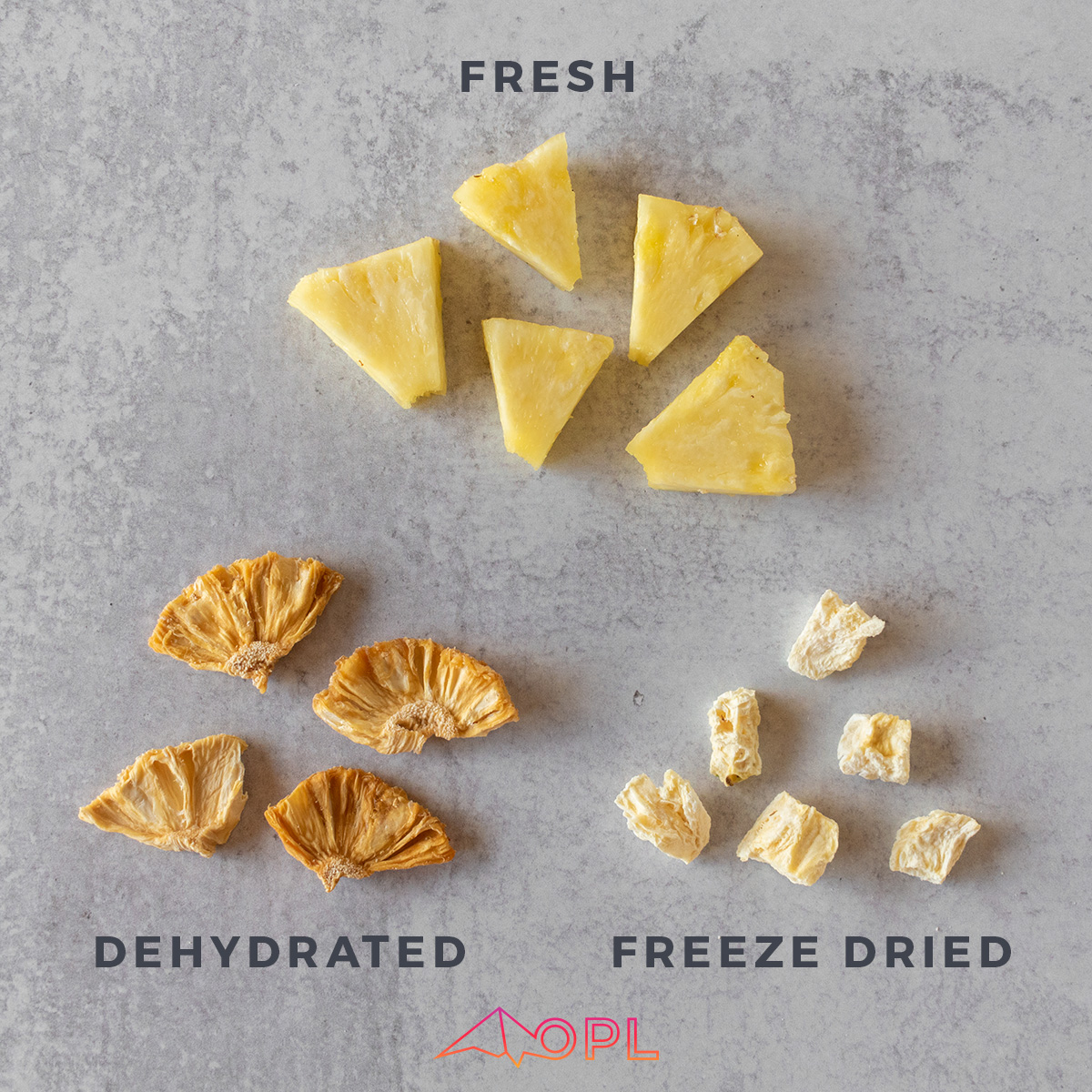
In the food industry, freeze-drying has transformed how we approach preservation and convenience. Freeze-dried fruits and vegetables retain their flavor, color, and nutritional content remarkably well, making them ideal for snacks, camping food, and emergency rations. The lightweight and shelf-stable nature of these products also reduces transportation costs and food waste. Instant coffee, a ubiquitous product, owes its existence and quality to freeze-drying, which preserves the delicate flavor compounds of roasted coffee beans. Beyond individual ingredients, entire meals can be freeze-dried, offering lightweight, long-lasting, and easily reconstitutable options for hikers, astronauts, and even disaster relief efforts. The technology’s ability to preserve taste and texture while extending shelf life is a major win for both consumers and producers.
Pharmaceutical and Biomedical Sector: Life-Saving Innovations
The pharmaceutical and biomedical industries are perhaps the most critical beneficiaries of freeze-drying technology. Many life-saving drugs, including antibiotics, vaccines, and enzymes, are unstable in liquid form and would degrade rapidly without proper preservation. Freeze-drying allows these delicate biological molecules to be stabilized for extended periods, ensuring their potency and efficacy until they are needed. Diagnostic kits, blood plasma, and even tissues for transplantation can also be freeze-dried, significantly extending their viability and logistical flexibility. The ability to reliably preserve complex biological compounds is a cornerstone of modern medicine and scientific research, directly enabled by the precise technological control offered by lyophilization.
Advanced Materials and Aerospace: Pushing the Boundaries
The principles of freeze-drying extend beyond biological and food applications into more specialized technological realms. In materials science, freeze-drying can be used to create highly porous and lightweight materials with unique structural properties. These “aerogels” derived from freeze-dried substances can have exceptional insulating or catalytic capabilities. In the aerospace industry, freeze-drying plays a role in preparing specialized components and even in the preservation of biological samples collected during space missions. The ability to reduce weight and volume while maintaining integrity is a critical factor in space exploration, where every kilogram counts. The technological adaptation of lyophilization to these advanced fields highlights its fundamental power in controlling material properties through precise moisture removal.
The Future of Freeze-Drying: Evolving Technologies and Innovations
As our understanding of material science and engineering deepens, so too does the sophistication and application of freeze-drying technology. The ongoing pursuit of efficiency, scalability, and new product development promises to further solidify lyophilization’s position as a vital technological process.
Enhancing Energy Efficiency and Speed
Current freeze-drying processes, while effective, can be energy-intensive and time-consuming. Research and development are focused on creating more energy-efficient refrigeration systems and vacuum technologies to reduce the overall operational costs and environmental impact. Furthermore, innovative approaches to product loading, shelf design, and cycle optimization are being explored to significantly shorten the drying times without compromising product quality. Technologies like microwave-assisted freeze-drying, which uses microwave energy to directly heat the ice, are showing promise in accelerating the sublimation process.
Miniaturization and On-Demand Processing
The trend towards miniaturization in various technological fields is also influencing freeze-drying. Smaller, more portable lyophilizers are being developed for on-site applications, such as in remote medical clinics or field research settings. This allows for the immediate processing and preservation of sensitive samples, reducing the need for complex cold chains. The concept of “on-demand” freeze-drying, where products can be processed as needed rather than in large batches, is also gaining traction, offering greater flexibility and reducing inventory management challenges.
Expanding into New Frontiers
The fundamental principles of freeze-drying are continuously being adapted to new and exciting applications. Researchers are exploring its potential in areas such as the preservation of historical artifacts, the creation of novel drug delivery systems, and even in the field of synthetic biology for the long-term storage of engineered microorganisms. As analytical techniques become more sensitive and our ability to manipulate matter at the molecular level improves, the scope and impact of freeze-drying technology will undoubtedly continue to expand, pushing the boundaries of what is technologically possible.
aViewFromTheCave is a participant in the Amazon Services LLC Associates Program, an affiliate advertising program designed to provide a means for sites to earn advertising fees by advertising and linking to Amazon.com. Amazon, the Amazon logo, AmazonSupply, and the AmazonSupply logo are trademarks of Amazon.com, Inc. or its affiliates. As an Amazon Associate we earn affiliate commissions from qualifying purchases.