
In the complex and often opaque world of international trade and logistics, understanding the various Incoterms can be crucial for businesses of all sizes. Among these, DDP, or Delivered Duty Paid, stands out as a term that significantly impacts cost, responsibility, and the overall shipping experience. For businesses looking to streamline their global operations, expand their reach, and enhance customer satisfaction, grasping the nuances of DDP is not just beneficial, but essential. This article delves into what DDP means in shipping, exploring its implications for sellers and buyers, its advantages and disadvantages, and when it’s the most appropriate shipping term to utilize.
Understanding Delivered Duty Paid (DDP)
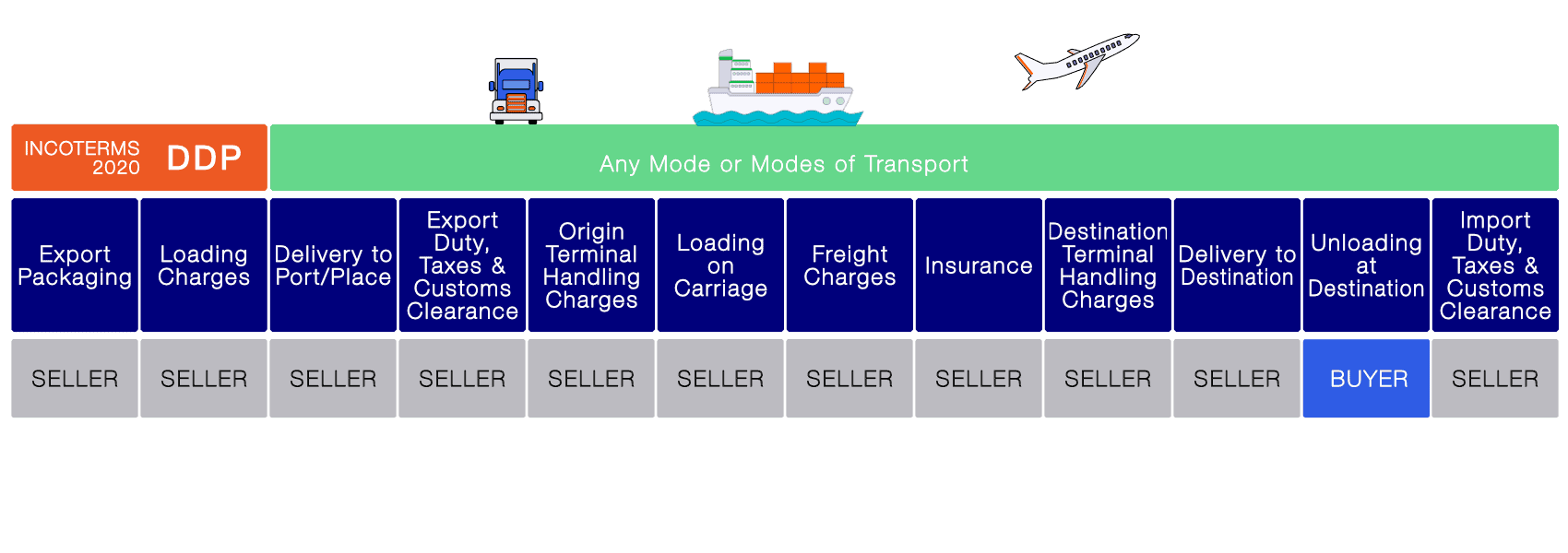
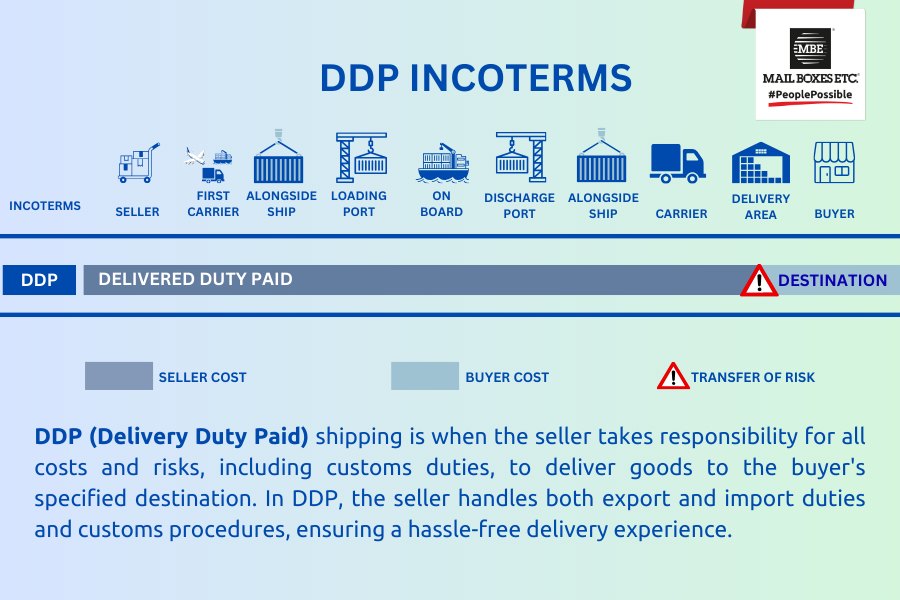
DDP is an Incoterm, a set of internationally recognized rules published by the International Chamber of Commerce (ICC) that define the responsibilities of buyers and sellers in international and domestic trade. In a DDP shipment, the seller assumes the maximum responsibility. This means the seller is responsible for delivering the goods to the buyer’s specified destination, clearing customs in both the export and import countries, paying all duties, taxes, and fees, and handling all transportation costs until the goods are at the buyer’s doorstep. The seller bears all risks associated with the shipment until it reaches the buyer’s designated location.
Key Responsibilities Under DDP
The seller’s obligations under DDP are extensive. They include:
- Packaging and Labeling: Ensuring the goods are appropriately packed and labeled for international transit.
- Export Clearance: Obtaining all necessary export licenses and permits, and completing all export customs formalities.
- Transportation: Arranging and paying for all modes of transport from the seller’s premises to the buyer’s destination, including freight, insurance, and any necessary transit fees.
- Import Clearance: Arranging and paying for import customs clearance in the destination country, including the payment of all import duties, taxes (such as VAT or GST), and any other levies imposed by the importing country’s authorities.
- Delivery: Delivering the goods to the agreed-upon destination, which could be a buyer’s warehouse, a retail store, or even a consumer’s home.
- Risk Transfer: The seller bears all risks of loss or damage to the goods until they are delivered to the buyer’s destination.
For the buyer, the responsibilities under DDP are minimal. Their primary obligation is to receive the goods at the agreed-upon destination and pay for them as per the sales contract. They do not have to worry about customs procedures, duties, or transportation beyond the delivery point.
DDP vs. Other Incoterms
To fully appreciate DDP, it’s helpful to compare it with other common Incoterms. Incoterms are organized into four categories, generally based on the level of responsibility assigned to the seller.
- EXW (Ex Works): This is the opposite end of the spectrum from DDP. Under EXW, the seller makes the goods available at their own premises (factory, warehouse). The buyer assumes almost all responsibilities, including loading the goods, arranging transport, and handling all export and import customs procedures, duties, and taxes.
- FOB (Free On Board): Under FOB, the seller is responsible for delivering the goods to the named port of shipment, clearing them for export, and placing them on board the vessel. Once the goods are on board, the risk and cost transfer to the buyer, who then handles the main carriage, import clearance, duties, and taxes.
- CIF (Cost, Insurance, and Freight): In CIF, the seller pays for the cost of the goods, insurance, and freight to the named destination port. However, the risk transfers to the buyer once the goods are loaded on the vessel at the origin port. The buyer is then responsible for import customs clearance, duties, and taxes.
- DAP (Delivered at Place): DAP is similar to DDP in that the seller delivers the goods to the named place of destination. However, under DAP, the buyer is responsible for import clearance, duties, and taxes. The seller is only responsible for bringing the goods to the destination, but not for the import-related costs and procedures.
DDP places the greatest burden and responsibility on the seller, making it the most “seller-friendly” term in terms of the buyer’s minimal involvement, but also the most “buyer-friendly” term in terms of their simplified experience.
Advantages of Using DDP
The adoption of DDP can bring significant advantages, particularly for businesses that prioritize customer experience and seek to simplify their international sales processes.
For the Buyer: A Seamless Experience
The most compelling advantage of DDP from the buyer’s perspective is the unparalleled convenience and predictability it offers.
- No Hidden Costs: With DDP, the price quoted by the seller is generally the final price the buyer pays. All import duties, taxes, and customs fees are included, eliminating the anxiety of unexpected charges upon arrival. This simplifies budgeting and financial planning for the buyer.
- Reduced Administrative Burden: Buyers under DDP are freed from the complexities of customs brokerage, import documentation, and navigating foreign tax regulations. This saves considerable time, effort, and resources that can be better allocated to core business activities.
- Predictable Delivery Times: While delays can still occur due to unforeseen circumstances, the seller’s comprehensive management of the entire shipping process, including customs, can lead to more predictable delivery timelines. The buyer doesn’t need to actively monitor customs clearance or chase down missing paperwork.
- Enhanced Customer Satisfaction: For e-commerce businesses, DDP is a powerful tool for enhancing customer satisfaction. Consumers appreciate the ease of ordering goods from overseas without the hassle of dealing with customs or unexpected fees. This can lead to increased trust, repeat business, and positive reviews.
- Market Expansion: By offering DDP, sellers can make it easier for buyers in new markets to purchase their products, thereby facilitating market expansion without the buyer needing to understand the intricacies of importing.
For the Seller: Increased Control and Market Access
While DDP places more responsibility on the seller, it also offers strategic advantages that can boost sales and market penetration.
- Competitive Advantage: Offering DDP can differentiate a seller from competitors who may not handle import duties and taxes. This can be a significant selling point, especially in markets with complex or high import costs.
- Greater Control Over the Customer Journey: By managing the entire shipping process, sellers have more control over the customer experience, from the moment the order is placed to the final delivery. This allows for better quality control, brand consistency, and the ability to proactively address any potential issues.
- Reduced Cart Abandonment: For e-commerce, the transparency of DDP pricing can help reduce cart abandonment. When customers see the final price upfront, including all import costs, they are less likely to be surprised or deterred at the checkout.
- Market Entry Strategy: For sellers looking to enter new international markets, DDP can be a powerful strategy to overcome potential barriers to entry related to import regulations and costs for buyers. It simplifies the purchasing process for the end consumer, making the seller’s products more attractive.
- Potential for Higher Profit Margins: While DDP involves upfront costs for the seller, they can factor these costs into their pricing, potentially achieving higher profit margins by leveraging economies of scale in logistics and customs brokerage. They can also build in a margin for managing these complexities.
Disadvantages and Considerations of DDP
Despite its advantages, DDP is not without its challenges. The increased responsibility for the seller can introduce risks and complexities that require careful management.
For the Seller: Increased Risk and Complexity
The seller’s assumption of maximum responsibility under DDP means they also bear the associated risks and complexities.
- Financial Risk: The seller is responsible for all import duties, taxes, and fees. Fluctuations in exchange rates, unexpected changes in import regulations, or miscalculations of duty rates can lead to significant financial losses. The seller needs to have a robust system for tracking and managing these costs.
- Logistical Complexity: Managing international shipping, customs clearance in multiple countries, and final delivery requires significant logistical expertise. Sellers must have reliable logistics partners, a thorough understanding of international trade laws, and the ability to navigate potential disruptions.
- Customs Compliance: Ensuring compliance with all import regulations in the destination country is critical. Non-compliance can lead to shipment delays, fines, or even confiscation of goods, all of which fall on the seller.
- Responsibility for Delays: While the seller manages the process, they are still subject to customs delays, port congestion, or transportation issues that are outside their direct control. However, under DDP, the seller is typically expected to absorb the costs and manage the impact of these delays on the buyer.
- Country-Specific Regulations: Different countries have vastly different customs procedures, duty structures, and prohibited/restricted items. Sellers need to have detailed knowledge of the regulations in each market they ship to under DDP, which can be a significant undertaking.
For the Buyer: Less Control and Potential for Price Inflation
While the buyer enjoys convenience, there are some trade-offs.
- Less Control: By outsourcing all responsibilities, buyers have less direct control over the shipping process. They may have less visibility into the exact costs and the journey of their goods, which might be a concern for some businesses.
- Potential Price Inflation: To cover the risks and costs associated with DDP, sellers often incorporate these into their pricing. This can sometimes result in the goods being more expensive for the buyer compared to shipping under a term where they handle import costs themselves. The buyer may lose the opportunity to potentially find cheaper customs brokers or utilize their own tax-exempt status if applicable.
- Seller Competence: The buyer’s experience is heavily dependent on the seller’s competence in handling international logistics and customs. If the seller is inexperienced or has poor partners, the buyer’s experience can suffer, despite the DDP agreement.
When to Use DDP
Given its characteristics, DDP is best suited for specific types of businesses and transactions.
Ideal Scenarios for DDP
- E-commerce Businesses: For online retailers selling directly to consumers globally, DDP is often the preferred term. It offers a frictionless purchasing experience for customers, reducing cart abandonment and encouraging repeat business. This is especially true when shipping to countries with high import duties or complex customs procedures.
- Small and Medium-Sized Enterprises (SMEs): SMEs may lack the in-house expertise or resources to manage complex international logistics and customs clearance. Outsourcing these responsibilities to a supplier offering DDP can be a more efficient and cost-effective way to engage in international trade.
- High-Value Goods: For shipments of high-value goods, where the risk of loss or damage is significant, DDP provides the seller with greater control over the entire shipping process, including insurance and secure handling, which can be beneficial.
- Entry into New Markets: When testing new international markets, offering DDP can reduce the perceived risk and complexity for potential buyers, making it easier to establish a foothold and gain initial sales.
- When a Simplified Customer Experience is Paramount: If the primary business objective is to provide an effortless buying experience for the end customer, regardless of their location, DDP is the term that best facilitates this.
When to Reconsider DDP
- Experienced Buyers with Established Logistics: Buyers who have robust internal logistics departments and established relationships with customs brokers might find it more economical to handle import procedures themselves. They can leverage their own expertise and potential tax advantages.
- Transactions with Predictable and Low Import Costs: If the destination country has very low or no import duties and straightforward customs, the added cost and complexity for the seller under DDP might not be justified.
- When Sellers Lack Logistics Expertise: If a seller does not have the necessary experience, infrastructure, or reliable partners to manage the complexities of international shipping and customs, choosing DDP could lead to significant problems and financial losses. In such cases, opting for terms with less seller responsibility might be wiser.
- For Very Large, Bulky, or Complex Shipments: While DDP can be used for any type of goods, the seller’s responsibility for every aspect of the shipment can become exceptionally complex and financially risky for very large, heavy, or specialized cargo.

Conclusion
Delivered Duty Paid (DDP) represents the pinnacle of seller responsibility in international shipping. It offers unparalleled convenience and predictability for the buyer, effectively removing all import-related hurdles. For sellers, it can be a powerful tool for customer acquisition, market expansion, and brand enhancement, provided they have the expertise and resources to manage the associated complexities and financial risks.
Understanding DDP is not just about deciphering an acronym; it’s about recognizing a strategic approach to global trade. Businesses must carefully weigh the advantages and disadvantages of DDP against their specific operational capabilities, target markets, and overall business objectives. When implemented thoughtfully, DDP can transform international transactions from complex endeavors into seamless exchanges, fostering stronger relationships between buyers and sellers and paving the way for smoother global commerce.
aViewFromTheCave is a participant in the Amazon Services LLC Associates Program, an affiliate advertising program designed to provide a means for sites to earn advertising fees by advertising and linking to Amazon.com. Amazon, the Amazon logo, AmazonSupply, and the AmazonSupply logo are trademarks of Amazon.com, Inc. or its affiliates. As an Amazon Associate we earn affiliate commissions from qualifying purchases.