
In the intricate world of finance, where trust and security are paramount, the concept of “escrowing” stands as a vital mechanism, safeguarding transactions and providing peace of mind for all parties involved. Far from being an arcane legal term, escrow is a practical, everyday tool used across various financial domains, from buying a home to securing complex business deals. Understanding what it means to escrow is crucial for anyone engaging in significant financial transactions, offering both protection and a structured pathway to successful completion.
The Fundamental Concept of Escrow
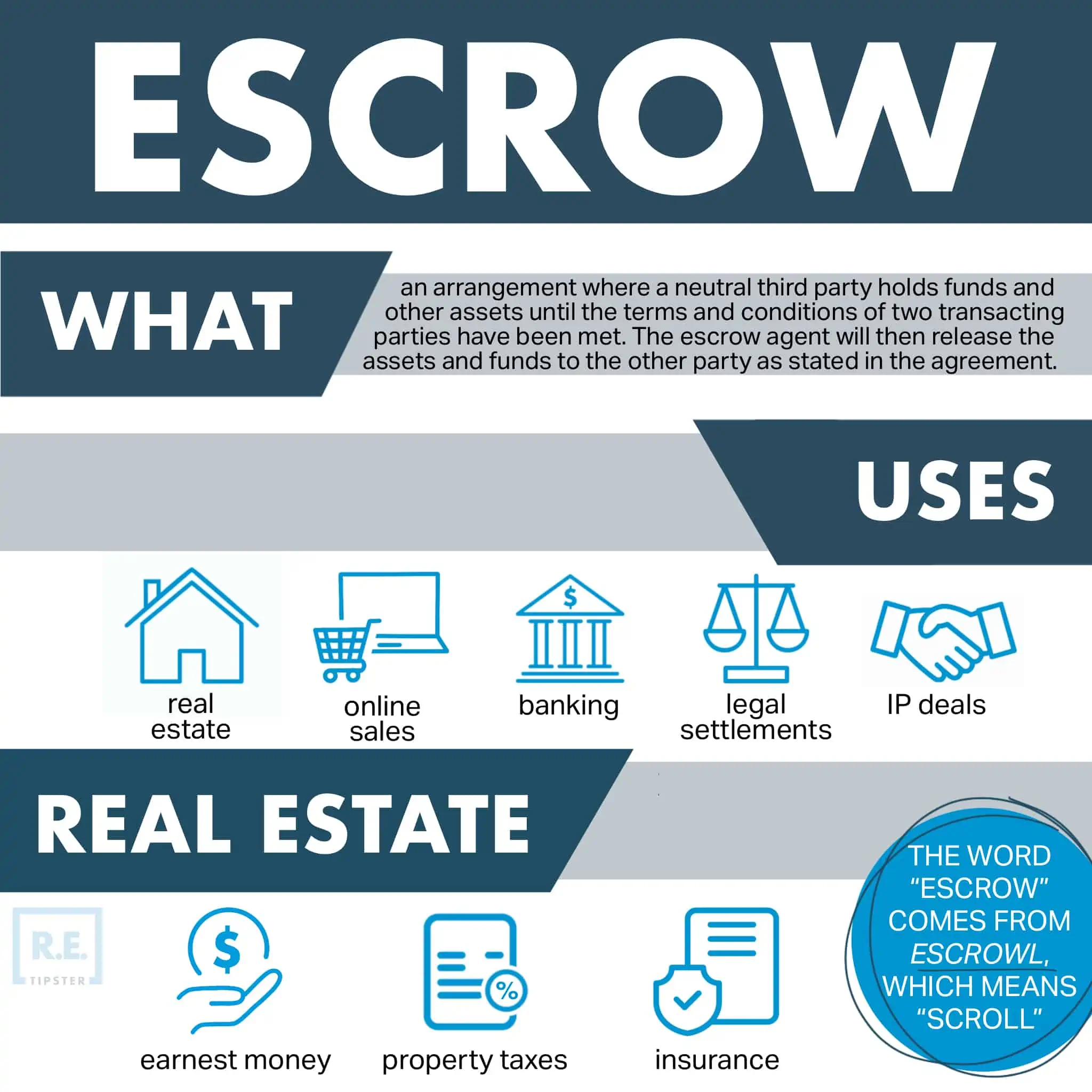
At its core, escrow is a legal arrangement in which a third party, known as the escrow agent, temporarily holds and regulates payment of funds or documents required for two parties involved in a given transaction. This arrangement ensures that neither party can unilaterally renege on their agreement without fulfilling specific, predetermined conditions.
Defining Escrow: A Neutral Third Party
The essence of escrow lies in the neutrality of the escrow agent. This agent acts as an impartial intermediary, holding assets—be they money, deeds, titles, or other valuable items—until all conditions of a contractual agreement have been met. The escrow agent operates under the strict instructions outlined in an escrow agreement, which is a legally binding document detailing the terms, conditions, and timelines for the release of the escrowed assets. This third party is not an advocate for either the buyer or the seller, but rather an enforcer of the agreed-upon terms, ensuring fairness and compliance.
The Purpose: Security and Assurance for Transactions
The primary purpose of escrow is to provide security and assurance for both sides of a transaction, particularly when there is a significant exchange of value or when conditions must be met over time. For the party making a payment or transferring an asset, escrow guarantees that their funds or property will not be released until the other party has fulfilled their obligations. Conversely, for the party awaiting payment or property, escrow provides assurance that the funds or assets are available and will be released once their conditions are met. This mitigates counterparty risk—the risk that one party defaults on their contractual obligations—thereby fostering trust in transactions where it might otherwise be lacking.
Key Players: Principals and the Escrow Agent
An escrow arrangement typically involves three key players:
- The Principals: These are the primary parties to the underlying transaction, such as a buyer and a seller, or two businesses engaging in a merger. They are the ones who establish the escrow agreement and whose assets are held in escrow.
- The Escrow Agent: This is the neutral third party responsible for holding the assets and ensuring that the terms of the escrow agreement are followed. Escrow agents can be individuals, but more commonly are specialized companies, banks, title companies, or attorneys who are licensed and regulated to perform escrow services. Their role demands diligence, impartiality, and adherence to all legal and contractual requirements.
Common Applications of Escrow in Finance and Business
Escrow is not limited to a single type of transaction; its versatility makes it applicable across a broad spectrum of financial and business scenarios, providing critical security where large sums of money or complex conditions are involved.
Real Estate Transactions: A Primary Use Case
Perhaps the most common and widely recognized application of escrow is in real estate. The significant value involved and the multiple conditions that must be satisfied make it an ideal candidate for escrow services.
Earnest Money Deposits
When a buyer makes an offer on a home, they typically submit an “earnest money deposit” to demonstrate their serious intent to purchase. This money is held in an escrow account, rather than directly by the seller, ensuring that it is protected until the closing. If the sale proceeds, the earnest money usually goes towards the down payment or closing costs. If the sale falls through due to specific, agreed-upon contingencies (e.g., a failed home inspection or inability to secure financing), the earnest money is returned to the buyer.
Escrow for Property Taxes and Insurance (Mortgage Escrow)
Many homeowners with mortgages have an “escrow account” managed by their mortgage servicer. This is distinct from the closing escrow. In this arrangement, a portion of the homeowner’s monthly mortgage payment goes into this escrow account to cover future property taxes and homeowners’ insurance premiums. The mortgage servicer then pays these bills on behalf of the homeowner when they are due. This helps homeowners budget for large annual expenses and assures the lender that the property’s taxes and insurance remain current, protecting their collateral.
Holding Funds During Closing
During the complex closing process of a real estate transaction, various funds—such as the buyer’s down payment, lender’s funds, and seller’s proceeds—are held in an escrow account. The escrow agent ensures that all necessary documents are signed, all conditions met (e.g., clear title), and all funds are properly disbursed to the correct parties, including real estate agents, attorneys, and county recording offices, only once every requirement is satisfied.
Mergers & Acquisitions (M&A)
In the corporate world, escrow accounts play a crucial role in mergers and acquisitions, where deals can be highly complex and involve substantial sums.
Purchase Price Adjustments
Often, a portion of the purchase price in an M&A deal is held in escrow to account for potential post-closing adjustments related to working capital, inventory levels, or other financial metrics. Once the final figures are determined, the escrowed funds are released accordingly.
Indemnification Funds
Buyers in M&A transactions often require a portion of the purchase price to be held in escrow to cover potential indemnification claims. These claims might arise if the seller breached representations or warranties made in the acquisition agreement (e.g., undisclosed liabilities, environmental issues). The escrow provides a dedicated fund to satisfy such claims without requiring the buyer to pursue the seller directly for payment.
Online Transactions and E-commerce
With the rise of online commerce, escrow services have adapted to provide security for digital transactions, especially for high-value goods or services where trust between remote parties might be limited.
Protection for Buyers and Sellers
For transactions involving expensive items (e.g., classic cars, heavy machinery, intellectual property rights) or cross-border trade, an online escrow service can hold the buyer’s payment until the seller delivers the goods or services as described. This protects the buyer from fraud and assures the seller that payment is secured before shipping.
Legal Settlements and Disputes
Escrow accounts are frequently utilized in legal contexts to manage funds related to settlements and disputes.
Holding Settlement Funds
When a lawsuit is settled, the agreed-upon settlement amount may be placed into an escrow account. This ensures that the funds are available and will be disbursed to the plaintiff(s) once all settlement conditions, such as signing release forms or obtaining court approval, are met.
Ensuring Compliance with Court Orders
In some cases, courts may order funds to be held in escrow to ensure compliance with specific mandates or to cover potential future liabilities stemming from a legal judgment.
Software Development and Intellectual Property
Escrow also finds application in specialized fields like software and intellectual property management.
Source Code Escrow
Businesses that license mission-critical software often enter into source code escrow agreements. In this setup, the software vendor places the source code for their software into an escrow account. If the vendor goes out of business, fails to support the software, or breaches the licensing agreement, the licensee can access the source code, ensuring business continuity and protecting their investment.
The Escrow Process: A Step-by-Step Guide
While specific details may vary, the general process of escrow follows a predictable sequence designed to ensure transparency and accountability.
Establishing the Escrow Agreement
The first step is the creation of a legally binding escrow agreement. This document is paramount as it dictates every aspect of the escrow.
Defining Terms and Conditions
The agreement clearly outlines the specific conditions that must be met before the escrowed assets can be released. This includes identifying the assets (e.g., specific amount of money, a property deed), the timelines for performance, and the explicit criteria for satisfying each condition. It also specifies what happens if conditions are not met or if a dispute arises.

Identifying Parties and Funds
The agreement precisely names all principals involved in the transaction, along with the designated escrow agent. It details the exact funds or assets to be held in escrow and how they are to be disbursed upon fulfillment of the conditions.
Funding the Escrow Account
Once the agreement is in place, the necessary assets are deposited into the escrow account.
Deposit Requirements
The party obligated to provide the funds or assets makes the deposit with the escrow agent. For money, this typically involves a wire transfer or certified check into a dedicated, non-interest-bearing (or sometimes interest-bearing, as agreed) escrow bank account, which is segregated from the escrow agent’s operating funds.
Types of Funds Held
Beyond cash, an escrow agent can hold various forms of assets, including securities, documents (e.g., deeds, titles, patents), and even physical goods, depending on the nature of the transaction.
Managing the Escrow Account
Throughout the escrow period, the agent takes on specific responsibilities to ensure the process runs smoothly.
Responsibilities of the Escrow Agent
The escrow agent’s duties include diligently managing the escrowed assets, ensuring compliance with the agreement’s terms, notifying parties of deadlines, collecting and reviewing documents, and promptly communicating any issues or conditions that have or have not been met. They act solely according to the instructions in the escrow agreement, maintaining strict impartiality.
Communication and Transparency
Reputable escrow agents prioritize clear and consistent communication with all parties. They provide updates on the status of conditions, notifications of approaching deadlines, and detailed statements regarding the escrowed funds. This transparency helps build trust and keeps all parties informed.
Releasing the Funds
The culmination of the escrow process is the release of the assets.
Fulfillment of Conditions
The escrow agent verifies that all specified conditions in the agreement have been fully and satisfactorily met by the relevant parties. This might involve obtaining signed documents, receiving confirmation of service delivery, or verifying specific financial metrics.
Disbursement to Designated Parties
Once all conditions are satisfied, the escrow agent disburses the funds or transfers the assets to the designated recipients as outlined in the escrow agreement. For example, in a real estate closing, the escrow agent distributes funds to the seller, pays off existing liens, and ensures all closing costs are settled.
Benefits and Risks of Using Escrow
While escrow offers significant advantages, it’s also important to be aware of potential drawbacks and considerations.
Advantages for Buyers and Sellers
Escrow provides a robust framework for secure transactions, benefiting both sides.
Mitigating Counterparty Risk
The most significant benefit is the reduction of risk. Buyers are protected from paying for goods or services they don’t receive, and sellers are assured that funds are legitimately available and will be released upon their performance. This eliminates the “chicken and egg” problem of who should act first in a transaction.
Ensuring Performance
By holding assets until conditions are met, escrow incentivizes both parties to perform their contractual obligations. Failure to do so typically results in penalties or the return of funds to the original depositor.
Dispute Resolution Mechanism
In the event of a dispute, the escrow agreement often outlines a process for resolving disagreements. The escrow agent may hold funds until a resolution is reached through negotiation, mediation, or legal action, preventing unilateral forfeiture of funds by one party.
Potential Drawbacks and Considerations
Despite its benefits, using escrow can come with certain trade-offs.
Costs Associated with Escrow Services
Escrow agents charge fees for their services, which can add to the overall transaction cost. These fees vary depending on the complexity of the transaction, the value of the assets, and the agent chosen. Parties must agree on who bears these costs, which can sometimes be split.
Delays in Fund Access
The structured nature of escrow means that funds or assets are not immediately available. There are waiting periods while conditions are being met and verified, which can sometimes be frustrating for parties eager to complete a transaction.
Agent Neutrality and Competence
The effectiveness of escrow heavily relies on the neutrality and competence of the escrow agent. A biased, negligent, or incompetent agent can jeopardize the entire transaction. Therefore, selecting a trustworthy and experienced agent is critical.
Choosing an Escrow Agent and Understanding Regulations
Selecting the right escrow agent and being aware of the regulatory landscape are vital steps in ensuring a smooth and secure escrow experience.
Criteria for Selecting a Reputable Agent
When engaging an escrow service, due diligence is paramount.
Licensing and Regulation
Ensure the escrow agent is properly licensed and regulated in the jurisdiction where the transaction is taking place. For example, in real estate, title companies or escrow companies are typically regulated by state departments of financial institutions or insurance. Banks offering escrow services are subject to banking regulations.
Experience and Specialization
Look for agents with a proven track record and specific experience in the type of transaction you are undertaking (e.g., real estate, M&A, international trade). Their expertise can be invaluable in navigating complex scenarios.
Fees and Transparency
Understand the fee structure upfront, including all potential charges. A reputable agent will be transparent about their costs and provide a clear breakdown of services.
Regulatory Frameworks
Escrow services are subject to various laws and regulations designed to protect consumers and ensure the integrity of financial transactions.
Consumer Protection Laws
Many jurisdictions have consumer protection laws that apply to escrow services, particularly in areas like real estate, to safeguard against fraud and mismanagement of funds.

State-Specific Escrow Laws
Escrow laws can vary significantly by state or country. These laws govern how escrow accounts must be managed, what qualifies as an escrow agent, and the responsibilities and liabilities of these agents. Familiarity with the relevant legal framework is crucial for both the escrow agent and the principals involved in the transaction.
In conclusion, escrowing is a sophisticated yet accessible financial tool that injects security and trust into high-stakes transactions. By leveraging a neutral third party to hold assets until specific conditions are met, individuals and businesses can significantly reduce risk, ensure performance, and facilitate complex dealings with greater confidence. Understanding its mechanics, applications, and implications is an essential part of navigating today’s financial landscape effectively.
aViewFromTheCave is a participant in the Amazon Services LLC Associates Program, an affiliate advertising program designed to provide a means for sites to earn advertising fees by advertising and linking to Amazon.com. Amazon, the Amazon logo, AmazonSupply, and the AmazonSupply logo are trademarks of Amazon.com, Inc. or its affiliates. As an Amazon Associate we earn affiliate commissions from qualifying purchases.