
In an era where subscription services permeate nearly every facet of digital life, discerning consumers are constantly seeking ways to optimize their spending and extract maximum value from their financial commitments. Amazon Prime, with its extensive suite of benefits ranging from expedited shipping to a vast library of digital content, stands as one of the most prominent examples of such services. For many, the allure of Prime is undeniable, yet the annual or monthly fee can represent a significant household expenditure. This is where the strategic utilization of Amazon Prime’s free trial becomes a crucial financial tool, allowing individuals to experience the service’s full potential without immediate monetary outlay. This article delves into the financial implications, strategic planning, and long-term budgeting considerations surrounding the Amazon Prime free trial, empowering you to make a fiscally sound decision regarding its value in your personal finance ecosystem.
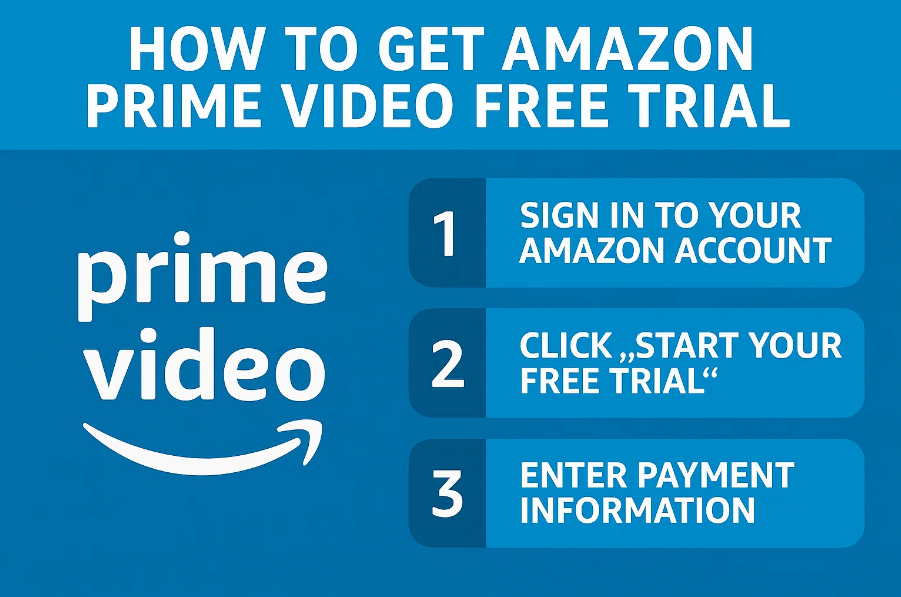
Understanding the Financial Value of Amazon Prime’s Free Trial
At its core, a free trial is a temporary reprieve from a recurring expense, offering a window to assess whether a service’s benefits justify its cost. For Amazon Prime, this assessment is multifaceted, extending far beyond the immediate convenience of free shipping. Approaching the free trial with a financial lens requires a thorough understanding of all included benefits and a critical evaluation of how they translate into tangible savings or enhanced value for your specific financial situation.
Beyond Shipping: Deconstructing the Savings
While free two-day shipping on millions of items is arguably Prime’s most well-known perk, its true financial value is unlocked by appreciating the breadth of its offerings. From a personal finance perspective, each included service potentially replaces a separate expenditure or provides a benefit that would otherwise incur a cost.
- Expedited Shipping: This is the most direct saving. For frequent online shoppers, paying for individual shipping fees can quickly accumulate. The free trial allows you to quantify how much you save on shipping over a specific period. Consider not just the cost of standard shipping, but also the premium you might pay for expedited delivery if an item is urgently needed.
- Prime Video: This streaming service provides access to a vast library of movies, TV shows, and exclusive originals. From a budgeting standpoint, this could potentially offset the need for another streaming subscription (e.g., Netflix, Hulu) or reduce your entertainment budget. During your free trial, track how much time you spend on Prime Video and whether it genuinely replaces other paid entertainment sources.
- Prime Music: Ad-free access to millions of songs can negate the need for a separate music streaming subscription like Spotify Premium or Apple Music. Evaluate if the Prime Music library meets your listening habits and whether it allows you to cancel or avoid another music service.
- Prime Reading/Amazon First Reads: Access to a rotating selection of ebooks, magazines, and comics, plus a free early release title each month, can significantly reduce your spending on digital books. For avid readers, this can represent substantial annual savings.
- Whole Foods Market Discounts: Exclusive savings and 5% back on select in-store items for Prime members can add up, especially for those who frequently shop at Whole Foods. The free trial is an opportunity to track these potential grocery savings.
- Amazon Photos: Unlimited full-resolution photo storage offers a robust cloud backup solution. This could eliminate the need for a separate paid cloud storage service like Google One or Dropbox, representing a direct saving on digital infrastructure.
- Prime Gaming (Twitch Prime): Free games, in-game content, and a monthly Twitch channel subscription can offer entertainment value and potentially reduce spending on gaming purchases.
By meticulously tracking your usage of each of these services during the free trial, you can begin to quantify the cumulative financial benefit. It’s not just about what you don’t pay for Prime, but what you don’t pay for other services because Prime offers an adequate alternative.
Hidden Costs and How to Avoid Them
While the “free” aspect of the trial is genuine, there are potential hidden financial pitfalls that a financially savvy consumer must navigate. The primary concern is the automatic conversion to a paid subscription at the end of the trial period.
- Automatic Renewal: Amazon, like most subscription services, defaults to automatic renewal. If you do not cancel before the trial concludes, your linked payment method will be charged for the full subscription fee (either monthly or annually). To avoid this “hidden cost,” set a clear reminder on your calendar several days before the trial’s end date. This allows you ample time to evaluate your decision and, if necessary, cancel without incurring charges.
- Impulse Spending: The temptation to make more purchases because of “free shipping” can lead to overspending. The free trial is an opportunity to assess shipping benefits, not an excuse for reckless shopping. Stick to your budget and only purchase items you genuinely need or planned to buy. Avoid the psychological trap of feeling you must utilize the shipping benefit to “make the trial worthwhile,” as this often leads to unnecessary expenses.
- Forgetting to Use Benefits: If you sign up for the free trial but fail to explore and utilize its various benefits, you won’t be able to accurately assess its financial value. This isn’t a direct cost, but it’s a lost opportunity for informed financial decision-making. Make a conscious effort to test out Prime Video, Prime Music, Prime Reading, and any other relevant services to gauge their utility for your lifestyle.
Prime’s ROI for Your Household Budget
Calculating the Return on Investment (ROI) for Amazon Prime involves comparing its annual cost against the quantified savings and benefits it provides. During the free trial, your goal is to gather data to perform this calculation accurately.
- Quantify Savings: Tally up the estimated savings from shipping fees, potential streaming/music/book subscription cancellations, grocery discounts, and cloud storage.
- Value of Convenience: While harder to quantify monetarily, the value of convenience (e.g., faster delivery for essential items, ease of accessing entertainment) contributes to overall satisfaction and can reduce stress, which has an indirect financial benefit.
- Opportunity Cost: Consider what you could do with the money saved. If Prime saves you $150 annually in various fees, that’s $150 that could go towards savings, debt repayment, or other investments.
By rigorously documenting your usage and potential savings during the trial, you can generate a personalized ROI calculation. This empowers you to decide if the financial outlay for a full Prime membership aligns with your household budget and financial goals.
Strategic Approaches to Maximizing Your Free Trial Period
A free trial, especially for a service as comprehensive as Amazon Prime, is not merely a passive test run. It’s an active strategic window for financial evaluation. To truly gauge its worth, you need to approach the trial with a clear plan, ensuring you extract maximum insight and value before making a long-term commitment.
The Art of Timing: When to Activate Your Trial for Maximum Benefit
The timing of your Amazon Prime free trial activation can significantly impact its perceived and actual value. A well-timed activation aligns the trial period with your anticipated needs, making the financial assessment more accurate.
- Peak Shopping Seasons: Strategically activate your trial during periods when you anticipate making significant online purchases. This could be holiday seasons (e.g., Black Friday, Cyber Monday, Christmas), Prime Day (Amazon’s own major sales event), or even personal events like birthdays, anniversaries, or moving into a new home. During these times, the free shipping benefit alone can justify the trial, allowing you to save substantially on delivery costs that would otherwise accumulate.
- Specific Needs: If you’re planning a trip and want to download movies or shows for offline viewing on Prime Video, activate your trial just before your departure. Similarly, if you’re undertaking a home improvement project and expect to order numerous supplies, align your trial with the start of your project.
- New Content Releases: For those interested primarily in Prime Video or Music, activating the trial around the release of highly anticipated movies, TV series, or albums can maximize your entertainment value and help you determine if the content library justifies a subscription.
- Avoid Lulls: Conversely, avoid activating your trial during periods of minimal online activity or when you know you’ll be too busy to explore Prime’s benefits. A trial that goes largely unused provides no meaningful data for financial assessment.
By carefully considering your upcoming purchases, entertainment needs, and lifestyle events, you can pinpoint the optimal time to activate your Prime free trial, ensuring the evaluation period is as financially productive as possible.

Financial Planning During the Free Trial: Prioritizing Purchases
The free trial offers a unique opportunity to evaluate Prime’s impact on your purchasing habits and overall budget. It’s crucial to approach this period with a deliberate financial plan rather than allowing the “free shipping” perk to lead to uncontrolled spending.
- Pre-Trial Purchase List: Before activating your trial, create a list of all items you realistically need to purchase within the next 30 days. Prioritize these items and use the free shipping to consolidate your orders, minimizing individual shipping fees. This disciplined approach ensures you’re leveraging the benefit for genuine needs, not impulse buys.
- Budget Adherence: Even with free shipping, stick rigorously to your established budget. The goal is to see how Prime can reduce costs within your existing spending framework, not to expand your spending. Every item purchased during the trial should be something you would have bought anyway, albeit perhaps with shipping costs or from a different retailer.
- Evaluate Cross-Category Savings: Actively utilize different Prime benefits to see how they integrate into your financial life. For example, if you typically buy books, check Prime Reading first. If you pay for a separate movie streaming service, focus on Prime Video for your entertainment needs during the trial. Document any instances where Prime prevents you from making a purchase or subscribing to another service.
- Track “Prime-Only” Deals: Some deals and discounts are exclusive to Prime members, especially during events like Prime Day. Keep an eye out for these and assess if the savings on items you genuinely need are significant enough to warrant a subscription.
This methodical approach to spending and benefit utilization during the trial period transforms it into a robust financial experiment, providing concrete data for your subscription decision.
Budgeting for the Post-Trial Decision
The free trial isn’t just about experiencing Prime; it’s about preparing for the financial commitment that follows, should you choose to subscribe. This necessitates proactive budgeting and consideration of the ongoing cost.
- Anticipate the Recurring Cost: Know the exact monthly or annual cost of Amazon Prime. Factor this into your potential future budget. Is there room for this expense without sacrificing other financial priorities?
- “What If” Scenarios: Run “what if” scenarios. What if you cancel your Netflix subscription because Prime Video is sufficient? What if you reduce your book budget significantly due to Prime Reading? Quantify these potential savings against the Prime subscription fee.
- Set a Decision Deadline and Reminder: As mentioned earlier, set a calendar reminder a few days before the trial ends. This isn’t just a cancellation reminder; it’s a decision deadline. By this point, you should have all the financial data and insights needed to make an informed choice.
- Consider Alternatives (Budget-Friendly Versions): If you decide Prime’s full cost is too high, but you value some of its perks, research alternatives. Can you get free shipping from other retailers with a lower spending threshold? Are there free streaming services that meet your needs? This pre-emptive research is part of smart financial planning.
By actively budgeting and planning for the decision after the trial, you avoid being caught off guard by the recurring charge and ensure your ultimate choice is aligned with your long-term financial health.
Leveraging Prime’s Financial Benefits Beyond the Trial
Once you’ve navigated the free trial and perhaps decided to subscribe, the financial conversation around Amazon Prime shifts from initial evaluation to continuous optimization. A savvy consumer will constantly re-evaluate the service’s value and explore ways to enhance its financial return, ensuring it remains a smart investment within their personal finance strategy.
Comparing Prime’s Value Against Competitors (Cost-Benefit Analysis)
Even after subscribing, it’s prudent to periodically conduct a cost-benefit analysis of Prime against alternative services. The competitive landscape for streaming, shipping, and digital services is constantly evolving, and what was a good deal last year might not be today.
- Shipping Alternatives: Many retailers offer free shipping with a minimum purchase, or via loyalty programs. Compare the aggregate cost of meeting these minimums versus Prime’s annual fee. For instance, if you primarily shop at one or two specific stores that offer their own free shipping thresholds, Prime’s shipping benefit might be less impactful for you.
- Streaming Ecosystem: Assess Prime Video, Music, and Reading against dedicated platforms. Does Prime Video truly fulfill your entertainment needs enough to cancel Netflix or Disney+? Is Prime Music a genuine replacement for Spotify or Apple Music, or do you still find yourself needing another service? If you find yourself paying for Prime and multiple other services that offer similar content, you might be overspending.
- Bundle Value: Consider the “bundle” aspect. While no single Prime benefit might be the absolute best in its category, the cumulative value of all included services for a single price can be significant. This “suite” approach is where Prime often shines financially compared to subscribing to each service individually. Quantify what it would cost to replicate Prime’s essential benefits through separate subscriptions.
- Inflation and Price Hikes: Be aware of potential price increases for Prime itself. As subscription costs rise, re-evaluate its ROI. The ongoing financial benefit needs to justify the current price, not just the price at which you initially subscribed.
Regularly comparing Prime’s offerings and cost against the broader market ensures you’re always making the most financially advantageous choices for your digital services.
Exploring Alternative Prime Discounts as Long-Term Savings
Amazon understands that not all customers have the same financial capacity. They offer several discounted Prime memberships that can significantly reduce the annual cost, making the service more accessible and financially viable for certain demographics. Awareness of these programs is key to long-term savings.
- Prime Student: For eligible college students, Amazon offers a significantly discounted Prime membership (typically 50% off the standard price) after an extended free trial. This is a substantial saving that can last for up to four years, making it an excellent financial tool for students operating on tighter budgets. Students should verify their eligibility and actively pursue this discount.
- EBT and Medicaid Holders: Individuals who qualify for specific government assistance programs, such as EBT or Medicaid, can also get a reduced monthly Prime membership. This offers essential Prime benefits at a fraction of the standard cost, supporting households with limited income in accessing convenient services.
- Amazon Household: While not a direct discount on the subscription fee, Amazon Household allows two adults and up to four teens and four children to share Prime benefits. This effectively doubles the value of a single subscription, as two adults can utilize the shipping, streaming, and other perks without each needing their own paid membership. This is a powerful financial optimization tool for families.
These alternative membership options represent strategic financial planning for specific groups. If you or someone in your household qualifies, exploring these avenues can transform Prime from a discretionary expense into a highly cost-effective utility.
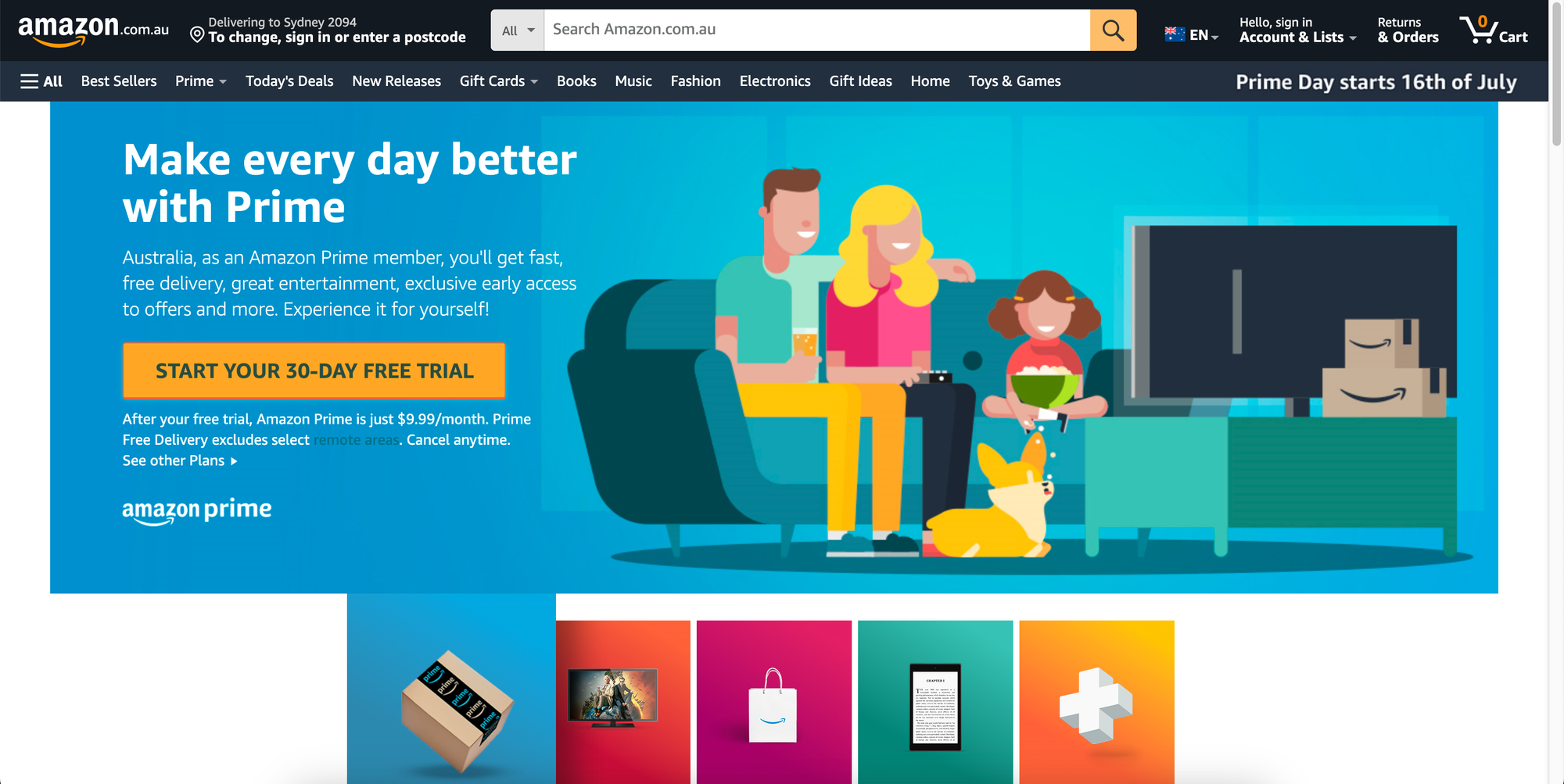
The “Cost of Convenience” vs. DIY Savings
Prime’s primary offering is convenience: quick delivery, easy access to entertainment, and simplified digital life. However, this convenience comes at a cost. A crucial aspect of financial planning with Prime is understanding when the “cost of convenience” is worth it, and when “DIY savings” might be more financially prudent.
- Time Value of Money: How much is your time worth? If Prime saves you hours of shopping trips, comparison hunting, or physically going to stores, those saved hours have an economic value. For individuals with high opportunity costs for their time, Prime’s convenience can be a worthwhile investment.
- Bulk Buying and Local Shopping: For some items, particularly groceries or household essentials, bulk buying from local stores or discount retailers might still be cheaper, even accounting for Prime’s convenience. Consider if Prime makes you overlook more affordable local options.
- Patience as a Virtue: If you can wait a few extra days for non-urgent deliveries, many retailers offer free standard shipping without a Prime subscription. The “need for speed” is a luxury, and sometimes being patient can save you the Prime membership fee altogether.
- Subscription Fatigue: Be mindful of “subscription fatigue,” where you accumulate too many recurring expenses. Prime is one subscription; evaluate it in the context of your entire subscription portfolio. Could the money spent on Prime be better allocated to other financial goals like savings or debt reduction if your usage is minimal?
Ultimately, the decision to maintain a Prime subscription, even after a successful free trial, is a continuous personal finance decision. It requires ongoing evaluation of its benefits against its cost, exploring all available discounts, and a clear understanding of your priorities for convenience versus direct monetary savings. By adopting a proactive and analytical approach, you ensure that Amazon Prime, if subscribed, genuinely serves as a financial asset rather than just another recurring expense.
aViewFromTheCave is a participant in the Amazon Services LLC Associates Program, an affiliate advertising program designed to provide a means for sites to earn advertising fees by advertising and linking to Amazon.com. Amazon, the Amazon logo, AmazonSupply, and the AmazonSupply logo are trademarks of Amazon.com, Inc. or its affiliates. As an Amazon Associate we earn affiliate commissions from qualifying purchases.