
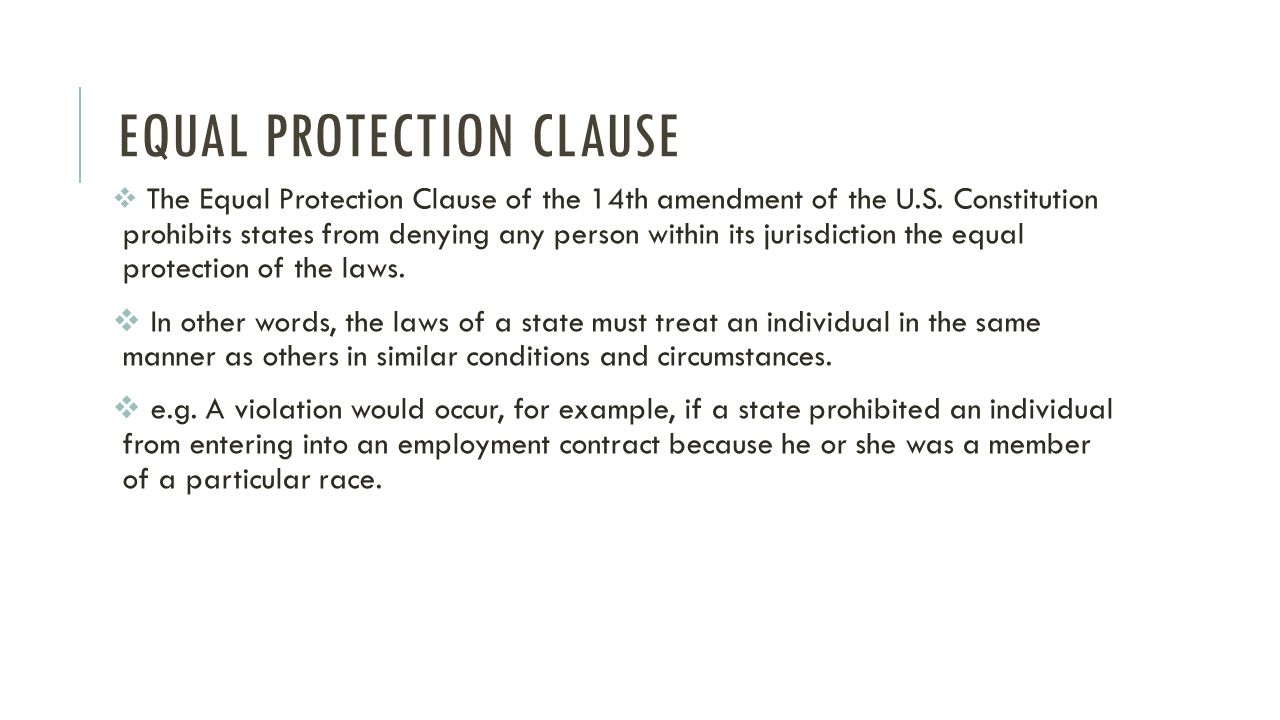
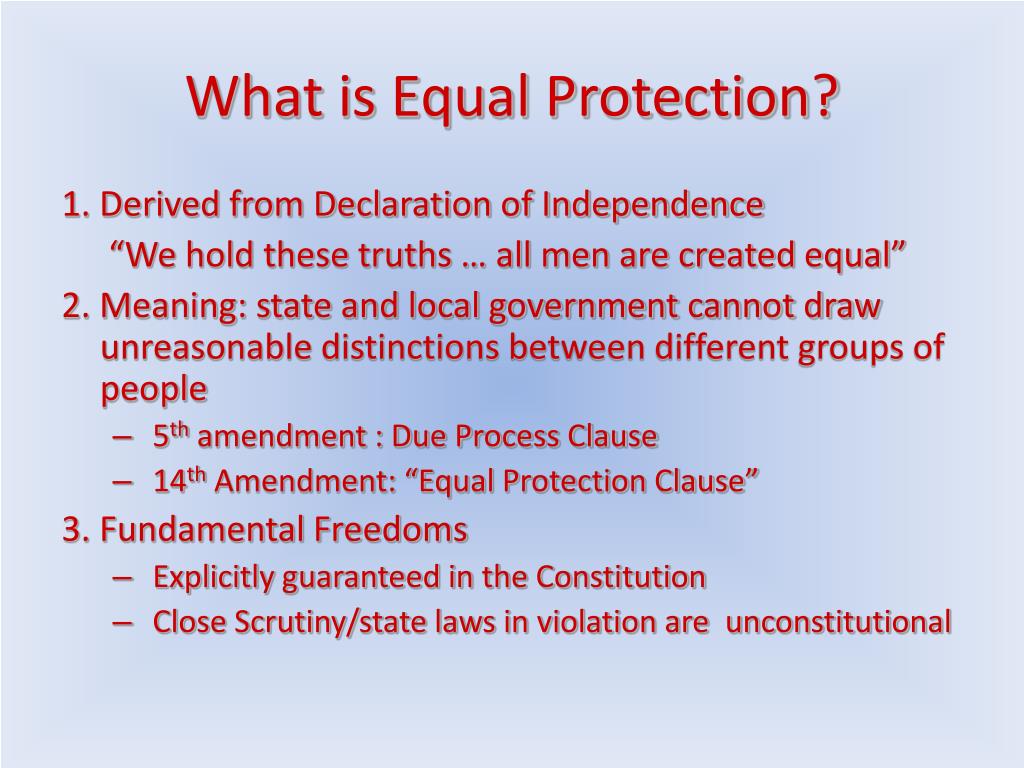
The principle of “equal protection under the law,” historically rooted in the 14th Amendment of the U.S. Constitution, was designed to ensure that no individual or group is granted special privileges or subjected to specific burdens that are not shared by others in similar circumstances. For decades, this battle was fought in courtrooms, voting booths, and physical public spaces. However, as our society undergoes a wholesale migration to digital ecosystems, the definition of equal protection is being rewritten by developers, data scientists, and algorithms.
In the tech niche, equal protection no longer refers solely to the actions of a state official; it refers to the logic embedded in software, the biases hidden in training data, and the transparency of the automated systems that govern everything from job applications to judicial sentencing. Understanding equal protection today requires a deep dive into the intersection of constitutional law and technological architecture.
From Courtrooms to Code: Redefining Equal Protection for the Digital Era
The transition from human decision-making to algorithmic processing has created a “black box” problem. In the past, if a person was denied a loan or a job due to discrimination, there was usually a paper trail or a human testimony to scrutinize. Today, those decisions are made by complex neural networks that even their creators struggle to fully explain.
The Shift to Algorithmic Governance
As government agencies and private corporations adopt AI tools to manage public resources, the legal definition of “state action” is being challenged. When a government uses a third-party software to determine eligibility for social benefits or to predict recidivism rates in the criminal justice system, the software itself becomes an instrument of the law. If that software treats individuals differently based on protected characteristics like race, gender, or age, it constitutes a violation of equal protection—not through a conscious policy, but through mathematical weights and biases.
The Challenge of Transparency and Auditing
One of the primary hurdles in ensuring digital equal protection is the proprietary nature of software. Tech companies often protect their algorithms as trade secrets. This creates a tension between corporate intellectual property rights and an individual’s right to understand why they were treated a certain way by a system. For equal protection to be meaningful in the 2020s, there must be a shift toward “explainable AI” (XAI), where the logic behind a decision is accessible and contestable.
Digital Security and Vulnerable Populations
Equal protection also extends to how security measures are deployed. Historically, marginalized communities have been over-surveilled and under-protected. In the digital realm, this manifests as disparate levels of cybersecurity. If tech platforms provide robust encryption and privacy tools only to high-paying users or specific geographic regions, they leave others disproportionately vulnerable to data breaches and state surveillance, effectively creating a tiered system of digital safety that undermines the principle of equality.
The Algorithmic Bias Crisis: When Code Discriminates
The most significant threat to equal protection in technology is algorithmic bias. This occurs when a computer system reflects the implicit values of the humans who involved in its creation or the historical inequities present in the data used to train it.
Biased Training Data and Historical Echoes
Artificial intelligence learns from the past. If a hiring tool is trained on twenty years of data from a company that historically hired fewer women for executive roles, the AI will learn that “success” is mathematically correlated with being male. It doesn’t “know” it is being sexist; it is simply identifying patterns. Consequently, it may automatically downgrade resumes that contain words like “women’s” (e.g., “women’s chess club captain”). This is a direct violation of the spirit of equal protection, as the software perpetuates historical injustices under the guise of objective data.
Facial Recognition and Identity Errors
Facial recognition technology is perhaps the most visible example of the failure of equal protection in tech. Numerous studies have shown that these systems have significantly higher error rates when identifying people of color, particularly women of color. When law enforcement agencies use these tools for suspect identification, a higher error rate for one demographic over another leads to wrongful arrests and disproportionate police scrutiny. This creates a technological environment where certain citizens are “protected” by the accuracy of the law, while others are endangered by its flaws.

Predictive Policing and Systemic Loops
Predictive policing tools use historical crime data to forecast where future crimes might occur. However, if police have historically patrolled certain neighborhoods more heavily, those areas will have more recorded arrests. The AI then directs more patrols to those same areas, leading to more arrests, and creating a feedback loop. This systemic reinforcement ensures that individuals in those neighborhoods do not receive the “equal protection” of being judged on their individual actions, but are instead preemptively targeted by a digital profile.
Data Sovereignty and the Right to Equal Privacy
In the tech industry, data is often called “the new oil.” However, the collection and monetization of this data are rarely equitable. Equal protection under the law must now include the right to data sovereignty—the idea that individuals should have equal control over their digital identities.
The Socioeconomic Privacy Gap
There is a growing “privacy divide” where digital privacy is becoming a luxury good. High-end devices often feature superior encryption and minimal data tracking, while “free” or budget-priced services frequently monetize user data to offset costs. When privacy is only available to those who can afford it, the legal protection of personal information becomes unequal. Tech policy must ensure that privacy-preserving technologies are the default standard, not an expensive add-on.
Predatory Targeting and Financial Software
Financial tech (FinTech) apps use vast amounts of consumer data to offer loans, insurance, and investment opportunities. Without strict adherence to equal protection principles, these apps can engage in “digital redlining.” By using proxy variables—such as a user’s zip code, the type of smartphone they use, or even their browsing habits—algorithms can charge higher interest rates to specific groups without ever explicitly mentioning race or income. This creates a shadow financial system where the law’s protection against usury and discrimination is bypassed by automated “risk assessments.”
The Role of Big Data in Political Manipulation
Equal protection also safeguards the integrity of the democratic process. When tech platforms allow for the micro-targeting of political advertisements based on sensitive data, it can be used to suppress voter turnout in specific communities or to spread misinformation. Ensuring equal protection in this context means regulating the tech tools that allow for the unequal distribution of information, ensuring that all citizens have access to a shared, truthful reality.
Navigating the Regulatory Landscape: Guarding Digital Civil Rights
As the tech industry matures, the “move fast and break things” era is being replaced by a focus on ethics, compliance, and legal frameworks designed to uphold equal protection.
The Rise of the AI Act and Global Standards
The European Union’s AI Act and similar proposed frameworks in the United States represent a major step toward codifying equal protection in the digital age. These regulations categorize AI systems based on risk. “High-risk” systems—those used in education, employment, and law enforcement—are subject to strict requirements regarding data quality, transparency, and human oversight. By mandating that these tools be audited for bias before they reach the market, regulators are attempting to bake equal protection into the software development lifecycle.
The Importance of Algorithmic Impact Assessments
Much like environmental impact assessments, Algorithmic Impact Assessments (AIAs) are becoming a critical tool for tech companies. An AIA requires developers to evaluate how their software might affect different demographic groups. This proactive approach shifts the burden of proof from the victim of discrimination to the creator of the technology. For a brand or a software firm, performing these assessments is not just a legal necessity; it is a vital part of building trust with a diverse global user base.
Empowering the Digital Citizen
Finally, equal protection requires a technologically literate populace. Individuals must be empowered with the tools to opt-out of invasive tracking and the right to challenge algorithmic decisions. Tutorials and digital security apps that provide transparency into how data is used are essential gadgets in the modern citizen’s toolkit. When we talk about “equal protection” today, we are talking about the right to navigate the digital world without being unfairly profiled, tracked, or excluded by the very tools meant to connect us.
In conclusion, equal protection under the law in the modern era is no longer a static legal doctrine; it is a dynamic technical challenge. As AI and big data continue to reshape the foundations of our society, the responsibility falls on tech leaders, developers, and regulators to ensure that the “code of law” and the “code of software” work in harmony to protect the rights of every individual, regardless of the data points they generate. Only by prioritizing algorithmic fairness and data equity can we ensure that the digital revolution serves everyone equally.
aViewFromTheCave is a participant in the Amazon Services LLC Associates Program, an affiliate advertising program designed to provide a means for sites to earn advertising fees by advertising and linking to Amazon.com. Amazon, the Amazon logo, AmazonSupply, and the AmazonSupply logo are trademarks of Amazon.com, Inc. or its affiliates. As an Amazon Associate we earn affiliate commissions from qualifying purchases.