
In the competitive landscape of commercial agriculture and high-end horticulture, the margin between a successful harvest and a financial deficit often hinges on the efficiency of soil amendments. While high-tech fertilizers and automated irrigation systems dominate the capital expenditure conversation, seasoned agribusiness operators and botanical entrepreneurs often look toward a more cost-effective chemical compound: magnesium sulfate, commonly known as Epsom salt. From a financial perspective, Epsom salt is not merely a “gardening tip” but a strategic input used to maximize the return on investment (ROI) of a crop cycle.

By understanding the physiological impact of magnesium and sulfur on plant health, businesses can optimize their production costs, improve the aesthetic quality of high-value goods, and ultimately drive higher market premiums. This article examines the economic utility of Epsom salt in the plant industry, focusing on how this low-cost commodity functions as a catalyst for financial growth.
The Economics of Magnesium Sulfate in Commercial Agriculture
In business finance, the goal is to achieve the highest output with the lowest possible input cost. Epsom salt represents one of the most cost-efficient additives available to modern growers. Unlike complex NPK (Nitrogen, Phosphorus, Potassium) blends that can fluctuate wildly in price based on global energy markets, magnesium sulfate remains a relatively stable and affordable commodity. Its financial value lies in its ability to address specific “bottlenecks” in plant development that more expensive fertilizers might overlook.
Magnesium as a Low-Cost Catalyst for Chlorophyll
From a purely operational standpoint, magnesium is the central atom of the chlorophyll molecule. Without adequate magnesium, a plant’s “production factory”—its leaves—cannot effectively convert sunlight into the sugars that fuel growth. For a commercial nursery or a large-scale farm, a magnesium deficiency is essentially a labor strike within the plant’s biological workforce.
By applying Epsom salt, businesses can ensure that their photosynthetic “machinery” is running at peak capacity. When the chlorophyll density is high, the plant produces more biomass in a shorter period. In the world of business finance, time is money; faster growth cycles mean more frequent rotations of inventory and a higher annual turnover rate.
Sulfur’s Role in Protein Synthesis and Market Value
The second component of Epsom salt, sulfur, is an often-undervalued asset in the botanical balance sheet. Sulfur is critical for the production of amino acids and enzymes. In high-value crops like garlic, onions, and various medicinal herbs, the sulfur content directly correlates with the potency and flavor profile of the final product.
For a brand selling premium produce or essential oils, the concentration of these secondary metabolites determines the “grade” of the product. By utilizing Epsom salt to bolster sulfur levels, producers can move their goods from “standard grade” to “premium grade,” allowing for a significant price markup that far exceeds the initial cost of the Epsom salt application.
Maximizing Yield: A Financial Case Study for Epsom Salt Application
To understand the business case for Epsom salt, one must look at the specific scenarios where its application yields the highest financial return. In many agricultural models, the “Law of the Minimum” states that growth is dictated not by total resources available, but by the scarcest resource. If magnesium is the limiting factor, adding more expensive nitrogen will not increase yield, representing a waste of capital.
Improving Nutrient Absorption Efficiency
One of the most profound “hidden” benefits of Epsom salt is its ability to facilitate the uptake of other nutrients, particularly nitrogen and phosphorus. Phosphorus is one of the most expensive components of a fertilization program. However, phosphorus is often “locked” in the soil due to pH imbalances or lack of ionic transport.
Magnesium acts as a transport aid for phosphorus. By integrating Epsom salt into the feeding schedule, a farm can actually reduce its total phosphorus application while maintaining the same growth rates. This optimization of the “input-output ratio” is a classic example of how minor adjustments in chemical application can lead to significant cost savings across thousands of acres.
Mitigating the Costs of “Transplant Shock” in Nursery Operations
In the nursery and landscaping business, the highest risk of capital loss occurs during the transplantation phase. When a plant is moved from a controlled greenhouse to a retail environment or a client’s landscape, it often undergoes “transplant shock,” which can lead to plant death and the subsequent loss of the inventory’s entire wholesale value.
Epsom salt has been shown to aid in the transition by strengthening cell walls and promoting root development. For a business owner, this is a form of “risk management.” Spending a few cents on an Epsom salt solution during the transplanting process can safeguard a specimen worth hundreds of dollars. Reducing the mortality rate of inventory by even 5% can have a massive impact on the net profit margin at the end of the fiscal year.

The Business of High-Value Crops: Peppers, Tomatoes, and Roses
Not all plants provide the same return on the use of Epsom salt. The most significant financial gains are seen in “heavy feeders” or crops that have a high demand for magnesium to produce fruit or flowers. In these specific sectors, Epsom salt is a staple of the professional production toolkit.
Scaling Production with Trace Mineral Supplementation
Peppers and tomatoes are the primary examples of crops that respond aggressively to magnesium sulfate. These plants are prone to “blossom end rot” and stunted fruit development if their mineral needs aren’t met. For a commercial grower, a field of small, discolored peppers is a sunk cost.
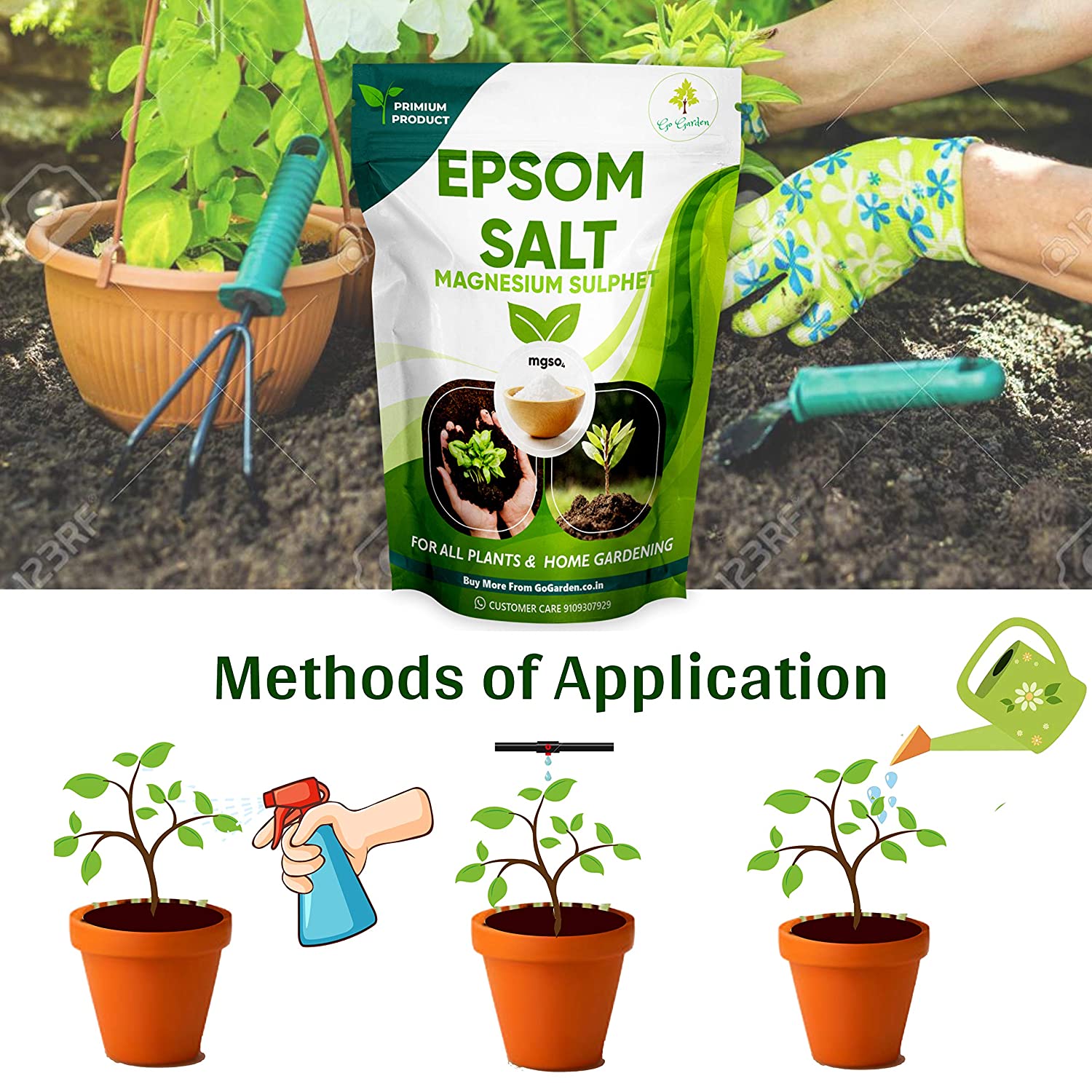
By applying Epsom salt foliar sprays (spraying the leaves directly), growers can bypass soil-binding issues and deliver nutrients directly to the plant’s vascular system. This “just-in-time” delivery of nutrients allows for larger fruit sizes and more uniform harvests. Uniformity is a key financial metric in the grocery and export markets; consistent sizing allows for standardized packaging and reduces the labor costs associated with sorting and grading produce.
Quality Control and Market Premium for Aesthetic Perfection
In the floral industry, particularly with roses, the visual “perfection” of the product is the sole driver of price. Magnesium sulfate is known to intensify the color of blooms and increase the “shelf life” of cut flowers. A rose that stays vibrant for ten days in a vase is worth significantly more to a consumer (and a florist) than one that wilts in four.
By investing in Epsom salt, floral producers are essentially investing in their “Brand Equity.” Consistent quality leads to long-term contracts with high-end retailers and event planners. In this context, Epsom salt is not just a fertilizer; it is a quality-control tool that ensures the “finished product” meets the high standards of a luxury market.
Strategic Integration: Incorporating Epsom Salt into an Agribusiness Financial Plan
Integrating any new input into a commercial operation requires a strategic approach. It is not about using as much as possible, but about using it where it generates the most value. For a CFO or an operations manager in the green industry, this involves procurement strategy and asset management.
Bulk Procurement and Supply Chain Optimization
Because Epsom salt is a dry, stable mineral, it can be purchased in bulk and stored for long periods without degradation. This allows agribusinesses to take advantage of “economies of scale.” Purchasing magnesium sulfate in 2,000-pound “super sacks” significantly lowers the per-unit cost compared to the 5-pound bags found in retail stores.
Strategic procurement involves timing these purchases during market dips in the chemical industry. By treating Epsom salt as a commodity asset, businesses can hedge against inflation in the broader fertilizer market, ensuring they have a low-cost growth booster even when other input prices are spiking.
Long-term Soil Health as a Depreciable Asset
In real estate and land management, the “fertility” of the soil can be viewed as an asset. Over-farming depletes specific minerals, leading to “depreciation” of the land’s value and its productive capacity. Regularly testing soil and replenishing magnesium and sulfur levels via Epsom salt is a form of “capital improvement” for the land.
Maintaining high soil quality ensures that the land remains productive for decades, preserving its resale value and its ability to generate revenue. From a tax and accounting perspective, the costs associated with soil remediation and maintenance can often be categorized as operating expenses, providing a tax shield while simultaneously increasing the intrinsic value of the agricultural property.
Conclusion: The Bottom Line on Epsom Salt
While it may seem like a humble home remedy, Epsom salt is a powerful financial lever in the world of professional plant cultivation. Its ability to boost chlorophyll production, enhance nutrient uptake, and improve the quality of high-value crops makes it a vital tool for any business looking to optimize its agricultural ROI.
By focusing on the strategic application of magnesium sulfate, business owners can reduce waste, manage risks, and command higher prices in the marketplace. In the final analysis, “what Epsom salt does for plants” is simple: it turns biological potential into consistent, scalable, and sustainable profit.
aViewFromTheCave is a participant in the Amazon Services LLC Associates Program, an affiliate advertising program designed to provide a means for sites to earn advertising fees by advertising and linking to Amazon.com. Amazon, the Amazon logo, AmazonSupply, and the AmazonSupply logo are trademarks of Amazon.com, Inc. or its affiliates. As an Amazon Associate we earn affiliate commissions from qualifying purchases.