
In the contemporary landscape of software engineering and digital entertainment, “DLC” has become a ubiquitous term. For the uninitiated, DLC stands for Downloadable Content. While the acronym is simple, the technology, distribution models, and software architecture behind it represent one of the most significant shifts in how digital products are developed, maintained, and consumed.
In the early decades of computing, software was a static product. Once a program or a game was printed onto a floppy disk, CD-ROM, or cartridge, its code was essentially “locked.” If a developer wanted to add features or fix bugs, they had to release an entirely new version or an “Expansion Pack” that required a secondary physical purchase. Today, the rise of high-speed internet and cloud infrastructure has transformed software into a living entity. DLC is the vehicle for this transformation, allowing developers to inject new code, assets, and functionality into a core application long after its initial release.
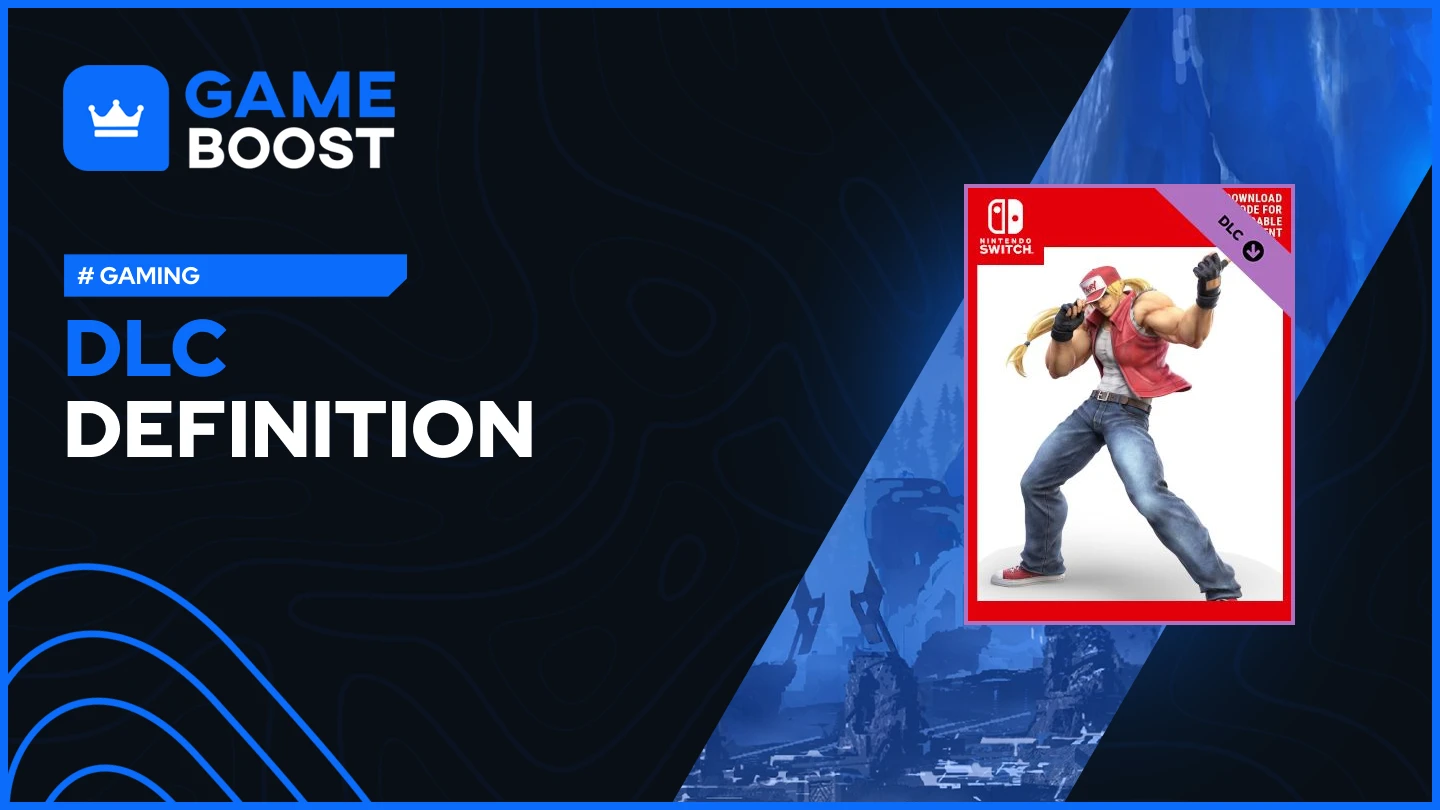
The Evolution of DLC: From Physical Expansions to Digital Delivery
To understand what DLC represents in the modern tech stack, one must first look at its genealogical predecessor: the Expansion Pack. In the 1990s and early 2000s, software additions were physical commodities. If a user wanted more content for a program like The Sims or Age of Empires, they had to purchase a physical disc containing the new data.
From Physical Expansion Packs to Digital Delivery
The transition from physical media to DLC was driven by the maturation of digital storefronts and content delivery networks (CDNs). Platforms like Steam, Xbox Live, and the PlayStation Network pioneered the infrastructure necessary to host terabytes of data that could be pinged by millions of clients simultaneously.
The technical shift was profound. Instead of a monolithic software release, developers began adopting a modular approach to software architecture. By decoupling the core engine from specific content modules, developers could push updates—DLC—without requiring the user to reinstall the entire application. This modularity is a hallmark of modern software design, allowing for more agile development cycles.
How Internet Infrastructure Revolutionized Software Updates
The proliferation of broadband and fiber-optic internet was the primary catalyst for the DLC explosion. In the era of dial-up, downloading a 500MB patch was a multi-day endeavor. Today, with gigabit speeds, users can download 50GB expansions in minutes.
This connectivity allowed for the “Day One Patch” and “Incremental DLC.” Developers no longer need to have a “Gold Master” (a 100% bug-free version) months before release. They can continue refining the code and push the final optimizations as DLC-style updates the moment the user installs the software. This has fundamentally changed the “Release-Deploy” pipeline in software engineering, making it more fluid but also more reliant on robust server-side infrastructure.
Categorizing DLC: The Taxonomy of Post-Release Software
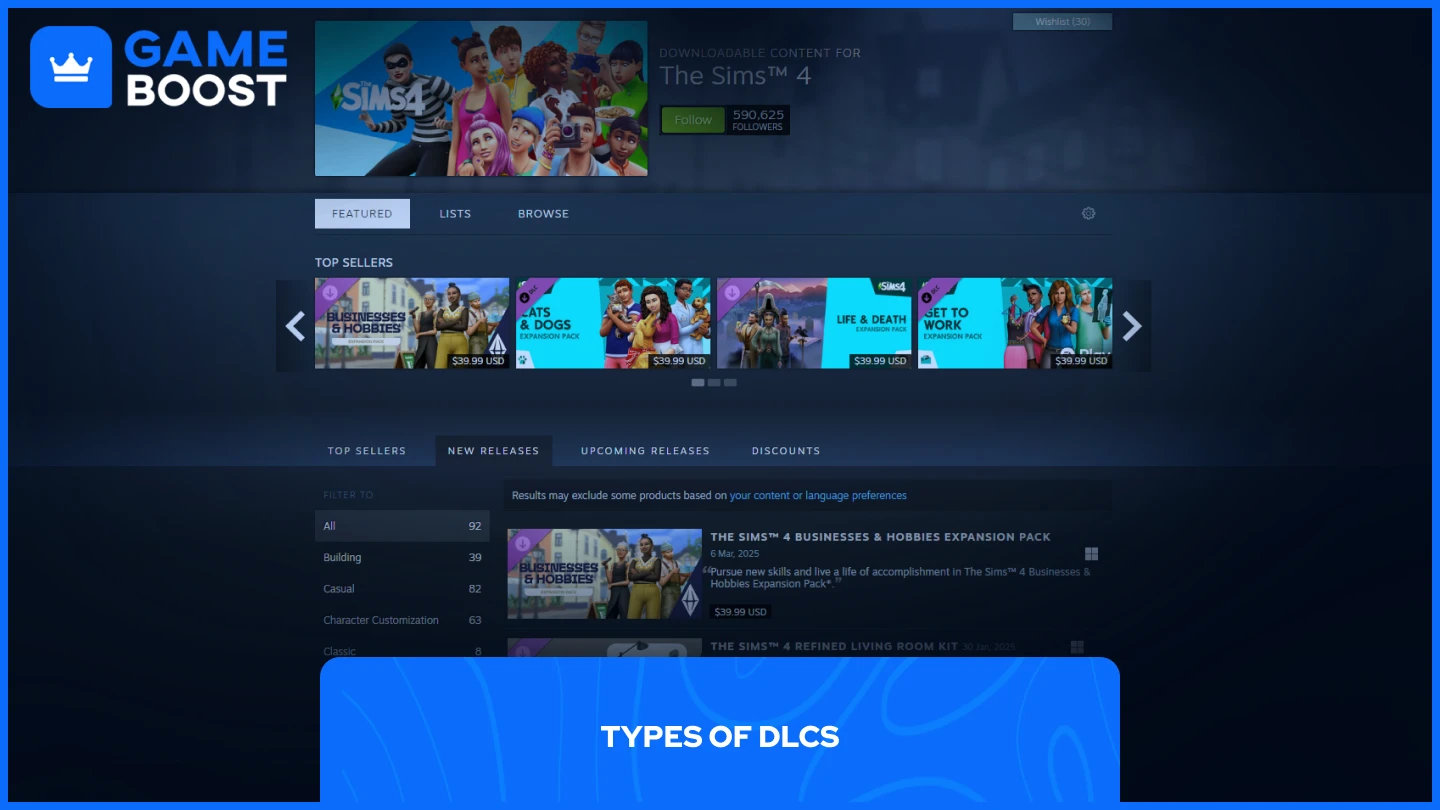
DLC is not a monolithic category; it encompasses a wide range of digital assets and code injections. In the tech industry, these are often categorized by their impact on the user experience and the amount of data they require.
Cosmetic vs. Functional DLC: Skinning the Experience
At the most basic level, DLC can be categorized as “Cosmetic” or “Functional.”
- Cosmetic DLC: This involves the addition of new textures, models, or “skins.” From a technical standpoint, this is often the simplest form of DLC. It requires the client to download new asset files (JPEGs, PNGs, 3D meshes) which the engine then maps onto existing skeletons. It rarely requires changes to the core logic or the API.
- Functional DLC: This is significantly more complex. It includes new levels, mechanics, or software features. This requires not only new assets but also new compiled code, script updates, and often changes to the application’s executable file (.exe). Functional DLC must be rigorously tested to ensure it doesn’t break the dependencies of the “Vanilla” (original) version of the software.
Season Passes and Pre-Purchased Development Cycles
As the DLC model matured, the industry introduced the “Season Pass.” Technically, a Season Pass is a license key that grants the user access to a bundle of future DLC releases. This model allows developers to secure a budget for a “Live Service” roadmap.
From a software management perspective, this creates a “Continuous Integration/Continuous Deployment” (CI/CD) loop. The development team remains active, pushing out modular updates on a quarterly basis. This keeps the software relevant in an increasingly crowded market and allows for “A/B testing,” where developers can see which types of content perform better and adjust future modules accordingly.
The Technical Architecture of DLC Distribution
The seamless integration of DLC into a base game is a feat of modern software engineering. It involves a complex interplay between the local client, the digital storefront, and the developer’s backend servers.
Digital Rights Management (DRM) and Content Authentication
One of the most critical aspects of DLC is the verification process. When a user purchases DLC, a unique cryptographic key is associated with their account. When the software launches, it performs a “handshake” with the server to verify which modules the user is authorized to access.
This is managed through Digital Rights Management (DRM) systems like Denuvo or proprietary platform-specific APIs. If the authentication server confirms the purchase, the software “unlocks” the directory containing the DLC assets. Interestingly, many modern games include the DLC files in the base installation, meaning the “download” is actually just a tiny script that toggles a boolean value from False to True once the purchase is verified.
Server-Side Logic and Client-Side Patching
DLC distribution often utilizes “Delta Patching.” Instead of forcing the user to download a completely new version of a 100GB game to add a 1GB DLC, the distribution platform identifies the specific “blocks” of data that have changed.
The software utilizes a manifest file—a list of every file and its hash value. When an update or DLC is released, the client compares its local manifest with the server manifest and only downloads the differing bits (the “deltas”). This minimizes bandwidth usage and reduces the load on the Content Delivery Networks (CDNs), which is essential during high-traffic release windows.
The Impact of DLC on the Software Development Life Cycle (SDLC)
The rise of DLC has rewritten the rules of the Software Development Life Cycle (SDLC). Historically, the “Maintenance” phase of software was about fixing bugs. Now, it is a creative and productive phase that can last for a decade.
Extending Longevity Through “Games as a Service” (GaaS)
The “Games as a Service” (GaaS) model is built entirely on the foundation of DLC. By continuously providing new content, developers can keep a user base engaged for years. This is technically advantageous because it allows for “Iterative Design.” Instead of building a massive, risky product all at once, developers can release a “Minimum Viable Product” (MVP) and use DLC to expand the features based on real-world user data.
This approach mimics the SaaS (Software as a Service) model found in enterprise tools like Microsoft 365 or Adobe Creative Cloud. The core application provides the platform, and DLC provides the specialized tools or content that the user desires.
Monetization Strategies and Sustainable Engineering
While often discussed in a financial context, the monetization of DLC has technical implications. The need for “Micro-DLC” (small, frequent additions) has forced developers to create highly efficient asset pipelines. Automated tools now exist to help artists “bake” assets and developers “push” code to staging servers with minimal manual intervention.
However, this constant stream of content can lead to “Technical Debt.” If DLC is rushed, it may contain “spaghetti code” that conflicts with future updates. Engineering teams must maintain a rigorous documentation process to ensure that a DLC module released in 2024 doesn’t break a core system designed in 2021.
The Future of DLC: AI Integration and Cloud Connectivity
As we look toward the future, the technology behind DLC is poised for another radical shift, driven by Artificial Intelligence and Edge Computing.
Procedural Content Generation and Personalized Add-ons
We are entering an era where DLC might not be “downloaded” in the traditional sense, but “generated.” With AI-driven procedural content generation, a developer could push a small algorithmic update (a “seed”) that allows the software to generate infinite variations of content locally on the user’s machine. This would drastically reduce the size of DLC downloads while exponentially increasing the amount of available content.
Furthermore, Generative AI could allow for “Personalized DLC,” where the software analyzes a user’s playstyle or preferences and creates unique assets or missions tailored specifically for them. This would represent a shift from “Static DLC” to “Dynamic Content.”
The Shift Toward Edge Computing and Seamless Integration
As cloud gaming services like Xbox Cloud Gaming or NVIDIA GeForce Now become more prevalent, the “D” in DLC—Downloadable—may become a misnomer. In a cloud-native environment, content is not downloaded to a local device; it is updated on the server-side instantaneously.
In this future, “DLC” becomes a server-side “instance” that the user accesses via a low-latency stream. This eliminates the need for patching, storage management, and hardware compatibility checks on the user’s end. The technology moves from the user’s hard drive to the “Edge,” where high-speed data processing happens closer to the user, providing a seamless, always-updated experience.
In conclusion, DLC is far more than just a way to add extra levels to a video game. It is a sophisticated software distribution framework that leverages cloud computing, advanced DRM, and modular architecture. As the technology continues to evolve, the line between the “base software” and “downloadable content” will continue to blur, leading to a future where software is truly fluid, personalized, and ever-expanding.
aViewFromTheCave is a participant in the Amazon Services LLC Associates Program, an affiliate advertising program designed to provide a means for sites to earn advertising fees by advertising and linking to Amazon.com. Amazon, the Amazon logo, AmazonSupply, and the AmazonSupply logo are trademarks of Amazon.com, Inc. or its affiliates. As an Amazon Associate we earn affiliate commissions from qualifying purchases.